









Does the Elvie Pump Work for Large Breasts?
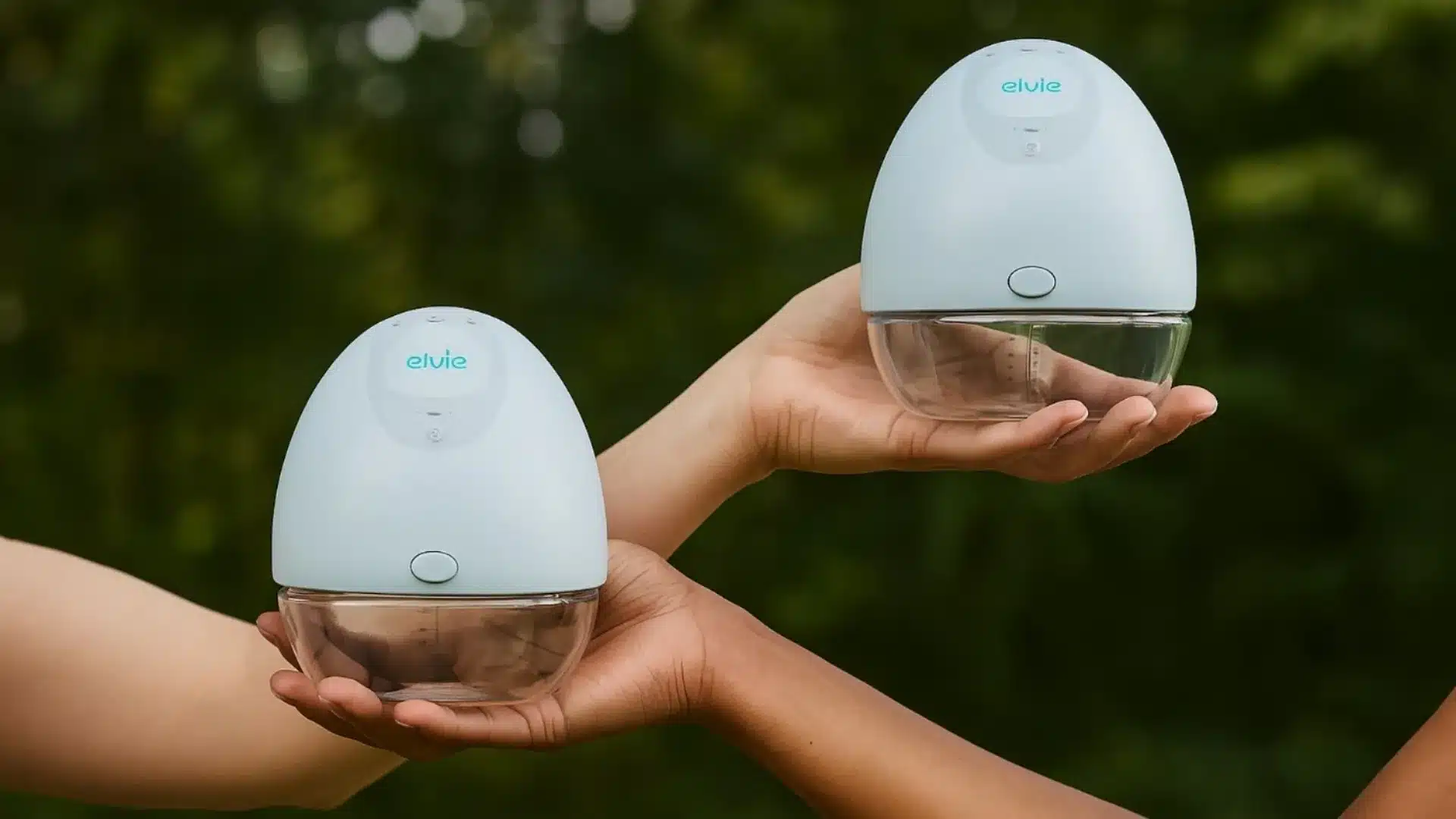
If you’re wondering whether the Elvie pump works well for larger breasts, it’s a practical question to ask. Comfort, fit, and consistent suction all matter when you’re pumping regularly. Studies on wearable breast pumps suggest that hands-free designs can help support continued pumping and reduce the need for long breaks, especially when the pump is fitted and positioned correctly.
This guide explains whether the Elvie pump is likely to work for your body, what affects fit and performance, and how to decide if Elvie or another pump is the better option for your needs.
Key Takeaways
- Elvie can work for larger breasts if the right insert, bra support, and positioning are used.
- Wearable pumps are ideal for short sessions, nursing support, and hands-free convenience.
- Persistent suction or low output may mean a standard double electric pump is better.
- ICBP handles insurance, prescriptions, paperwork, and pump selection for you.
- Correct insert size and suction testing are essential for comfort and milk flow.
How to Decide if Elvie Will Work for Your Breast Size
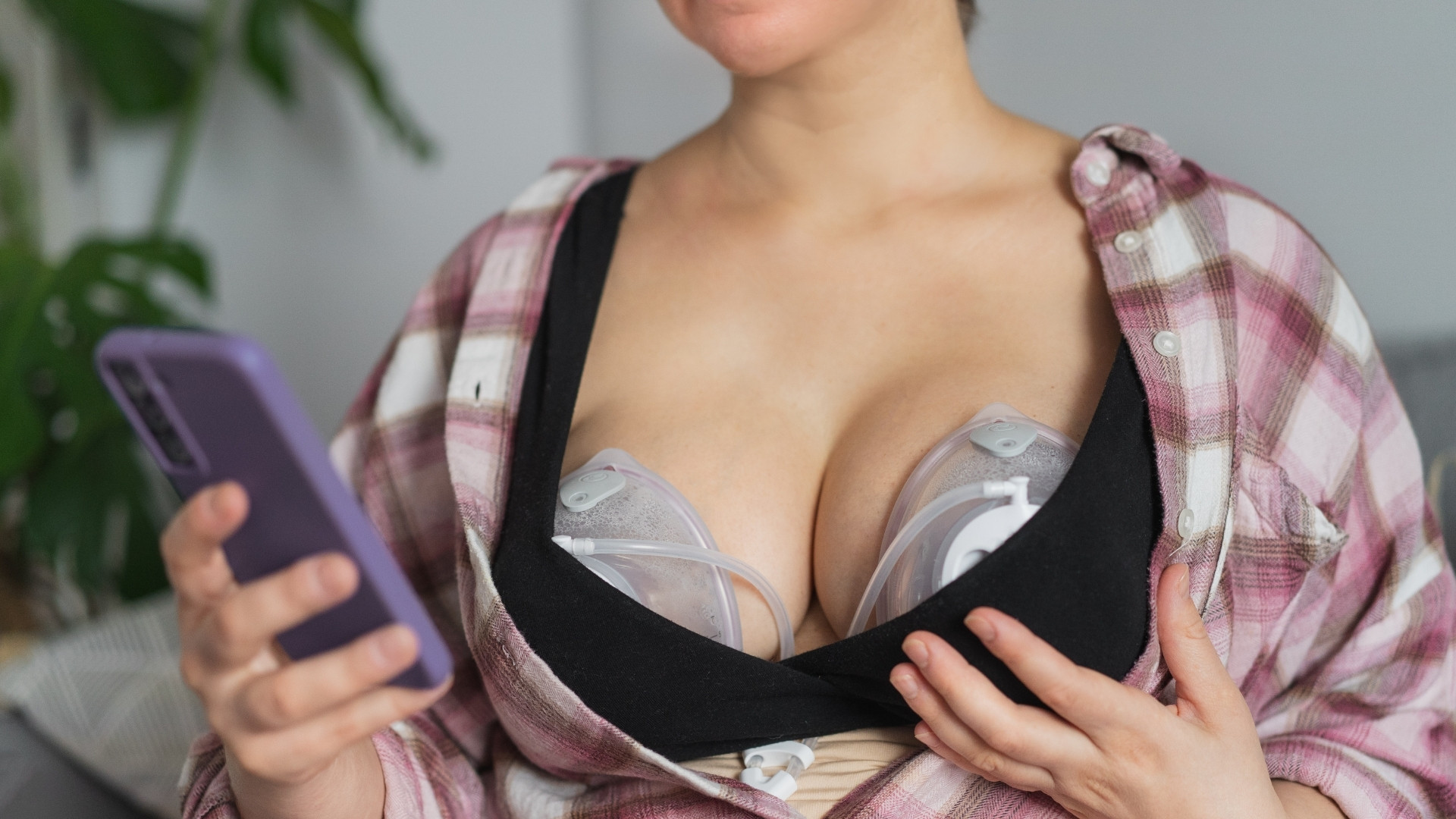
Does the Elvie pump work for large breasts? If you are asking this question often, then the direct answer is that breast size is not the deciding factor when it comes to whether the Elvie pump will work for you.
Here’s what actually matters
- A breast pump doesn’t need to “fit” your whole breast.
- It only needs to work well with your nipple.
That’s where suction happens.
What most mothers mix up:
- Cup size = how much breast tissue you have
- Nipple size = what the pump actually seals around
These two things are not the same.
That’s why:
- Two moms wearing the same bra size can need completely different flange sizes
- A mom with smaller breasts can struggle
- A mom with larger breasts can pump comfortably and effectively
What Really Affects Elvie’s Performance
Instead of breast size, Elvie responds best to:
- Nipple size (this determines flange or insert choice)
- Breast shape and fullness (how your breast sits inside a bra)
- Bra support (this keeps the pump sealed in place)
If the pump sits securely and the nipple is centered, suction can stay strong, regardless of cup size.
Having larger breasts doesn’t mean Elvie won’t work for you. It simply means setup matters more.
Also read: How to Get Free Enfamil Formula for Premature Babies.
Understanding why fit matters sets the stage for how the pump is designed to accommodate different body types.
How Elvie Adapts to Different Breast Shapes and Sizes
Elvie isn’t built like traditional pumps that sit outside your bra and stay put no matter what. It’s a wearable pump, which means it lives inside your bra and relies on your body and your bra working together.
Elvie is meant to sit fully inside a nursing or pumping bra, pressed gently but firmly against your breast. It doesn’t cling or mold itself automatically to different breast sizes. Instead, the seal and suction come from three things working together:
- Your bra provides the pressure that keeps the pump sealed
- Choose a flange or insert that fits your nipple size for optimal comfort and milk flow.
- Positioning, the pump has to sit flat and centered to maintain suction
Elvie is designed to work across a wide range of cup sizes, but it depends heavily on compression from the bra to keep everything in place. Without enough support, the pump can shift, break suction, or feel uncomfortable.
In simple terms, Elvie doesn’t “adjust” itself to your breast size.
The fit is created by the combination of the pump, the insert you use, and the bra you wear. When those three line up well, Elvie can work smoothly on many different body types. When they don’t, even a well-designed pump can struggle, and that’s where most frustrations come from.
Now, let’s look at some of the common challenges that larger-chested moms are questioning: Does the Elvie pump work for large breasts?
Common Challenges Larger-Chested Moms Experience With Elvie
Let’s be honest: while Elvie works well for many moms, it isn’t a plug-and-play solution, especially if you have a fuller chest. Knowing the common challenges ahead of time can save you a lot of frustration.
Here’s what some larger-chested moms notice when using Elvie:
- Suction drops unexpectedly: Softer or stretchier bras may not hold the pump firmly enough, causing the seal to weaken during a session.
- The seal doesn’t always stay put: When breasts shift inside the bra, the pump can move slightly, which is sometimes all it takes to interrupt suction.
- Discomfort that feels “off”: This often comes from using the wrong flange or insert size, not from breast size itself. A poor fit can lead to rubbing or pinching.
- Milk output feels lower at first: Some moms notice less milk during early sessions while they’re still figuring out fit and positioning. Output often improves once the setup is dialed in.
- More noticeable under clothing: Depending on breast shape and outfit choice, the pump may be more visible, especially under fitted tops.
None of these issues means Elvie won’t work for you; they simply highlight why setup and expectations matter, especially for larger-chested bodies.
The key to success is a step-by-step approach to fit and setup, small adjustments can make a big difference.
Step-By-Step Setup Guide to Get the Best Fit for Large Breasts
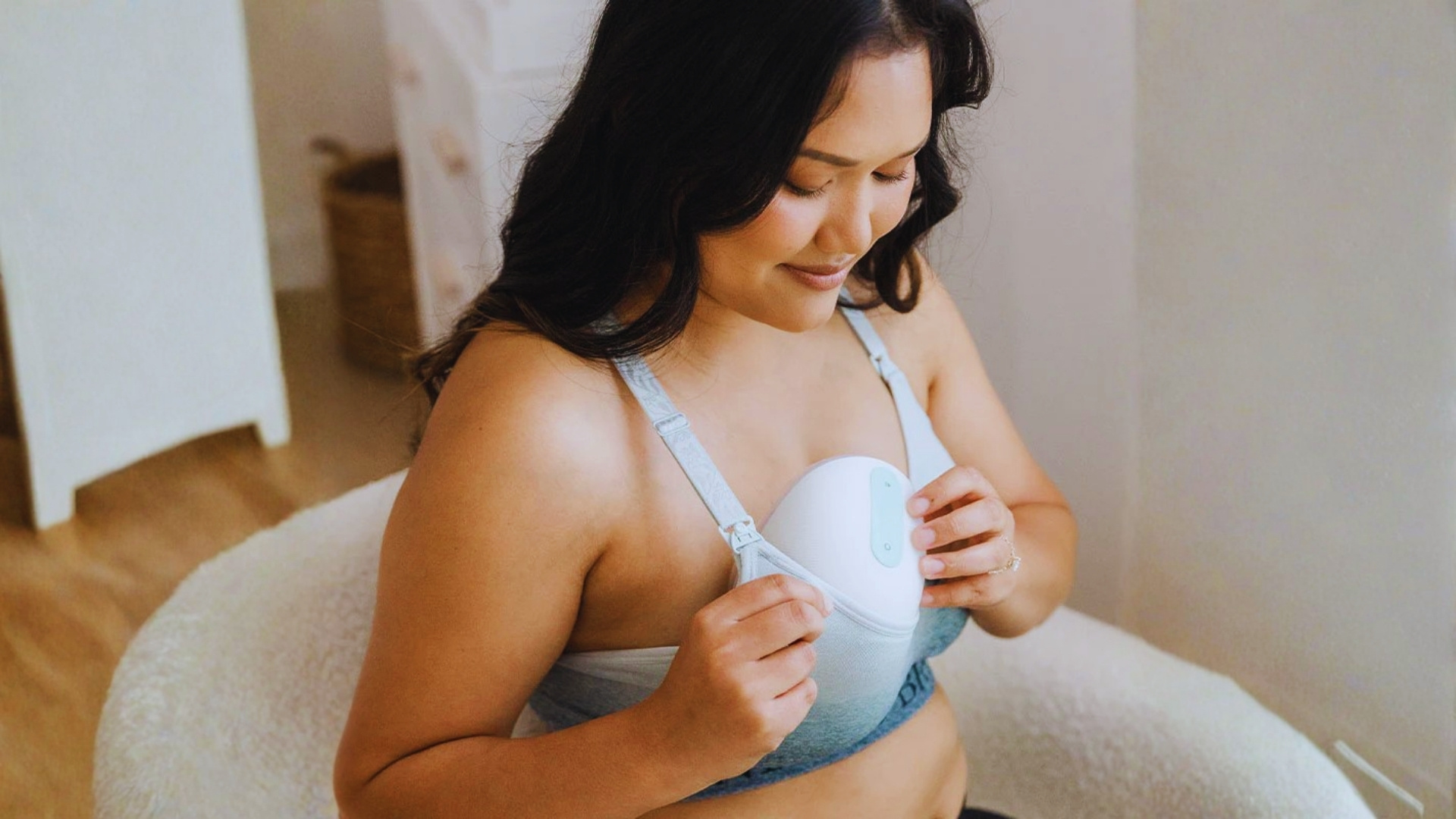
When Elvie works well, it’s almost never by accident; it’s because the setup is right. For larger-chested moms, small adjustments can make a big difference, and skipping steps often leads to frustration.
The key is to approach fit in the right order, instead of changing everything at once and hoping for the best.
Let’s walk through the exact setup process, starting with the most important foundation and working forward from there.
Step 1 – Choose The Right Bra
If there’s one thing that can make or break your Elvie experience, it’s your bra. Not the pump. Not the app. The bra.
Elvie needs steady, even pressure to stay sealed. Soft lounge bras or stretchy everyday bras often feel comfortable, but they usually don’t provide the structure Elvie needs to stay in place.
What tends to work best:
- Structured nursing or pumping bras that hold their shape
- A wide underband that doesn’t roll or shift
- Full cup coverage to support the weight of both the breast and the pump
- Smooth cups with no seams pressing into the pump area
Here’s why this matters:
Your bra is what presses the pump gently against your breast. That pressure is what keeps suction consistent. When the bra stretches or shifts, the pump can move, and even a small shift can break the seal.
Getting the right pump and insert can make a world of difference. Insurance Covered Breast Pumps (ICBP) helps verify your insurance, coordinate prescriptions, and deliver pumps like Elvie right to your door, so you can focus on a smooth, comfortable setup.
Step 2 – Measure Your Nipple And Select The Correct Insert
This step surprises a lot of moms, especially if you have a larger chest. Insert size has nothing to do with breast size. It’s all about your nipple.
Take a moment to measure your nipple diameter, not the areola and not the breast. This one measurement plays a huge role in how comfortable pumping feels and how well milk flows.
Many larger-chested moms assume they need bigger inserts, but the opposite is often true. Using an insert that’s too large can lead to:
- Pain or rubbing during pumping
- Lower milk output because the suction isn’t focused correctly
- Frequent loss of suction as the seal weakens
When the insert fits properly, suction feels steady instead of harsh, and pumping feels more natural.
Step 3 – Position The Pump Correctly
This is the moment where everything comes together. Even with the right bra and insert, placement matters more than most moms expect.
Use this simple placement check every time you pump:
- Center your nipple in the flange tunnel: Before turning the pump on, make sure your nipple sits right in the middle, not pulled to one side.
- Press the pump firmly into place: Hold the pump against your breast with your hand before closing your bra. This helps create a flat, secure seal.
- Use both hands while learning: During the first few sessions, don’t rush. Take a few extra seconds to adjust and feel confident before letting go.
- Check for a flat fit: The pump should sit flush against your breast, not tilted or gapped at the edges.
A good rule of thumb: If the pump feels snug and steady before suction starts, you’re setting yourself up for a smoother session once it’s running.
Step 4 – Test Suction Before a Full Session
Before settling in for a full pumping session, give yourself a short test run. This step helps you catch small issues early, before they turn into a frustrating session.
Here’s what to do and what to watch for:
- Start with a short test session: Run the pump for a few minutes instead of jumping straight into a longer session.
- Look for a steady rhythm: Suction should feel consistent, not choppy or uneven.
- Notice whether the seal stays intact: The pump shouldn’t keep stopping or restarting because it loses suction.
- Check milk flow: Milk should begin collecting in a normal, steady way once let-down starts.
If suction keeps breaking or feels unstable, pause the session. It’s better to stop and troubleshoot right away than push through and end up uncomfortable or disappointed with the results.
Also read: Best Nipple Care Creams for Breastfeeding Moms
When suction issues arise, a systematic troubleshooting process can help restore comfort and performance quickly. Let’s have a look.
Step-by-Step Fixes for Suction Issues With Large Breasts
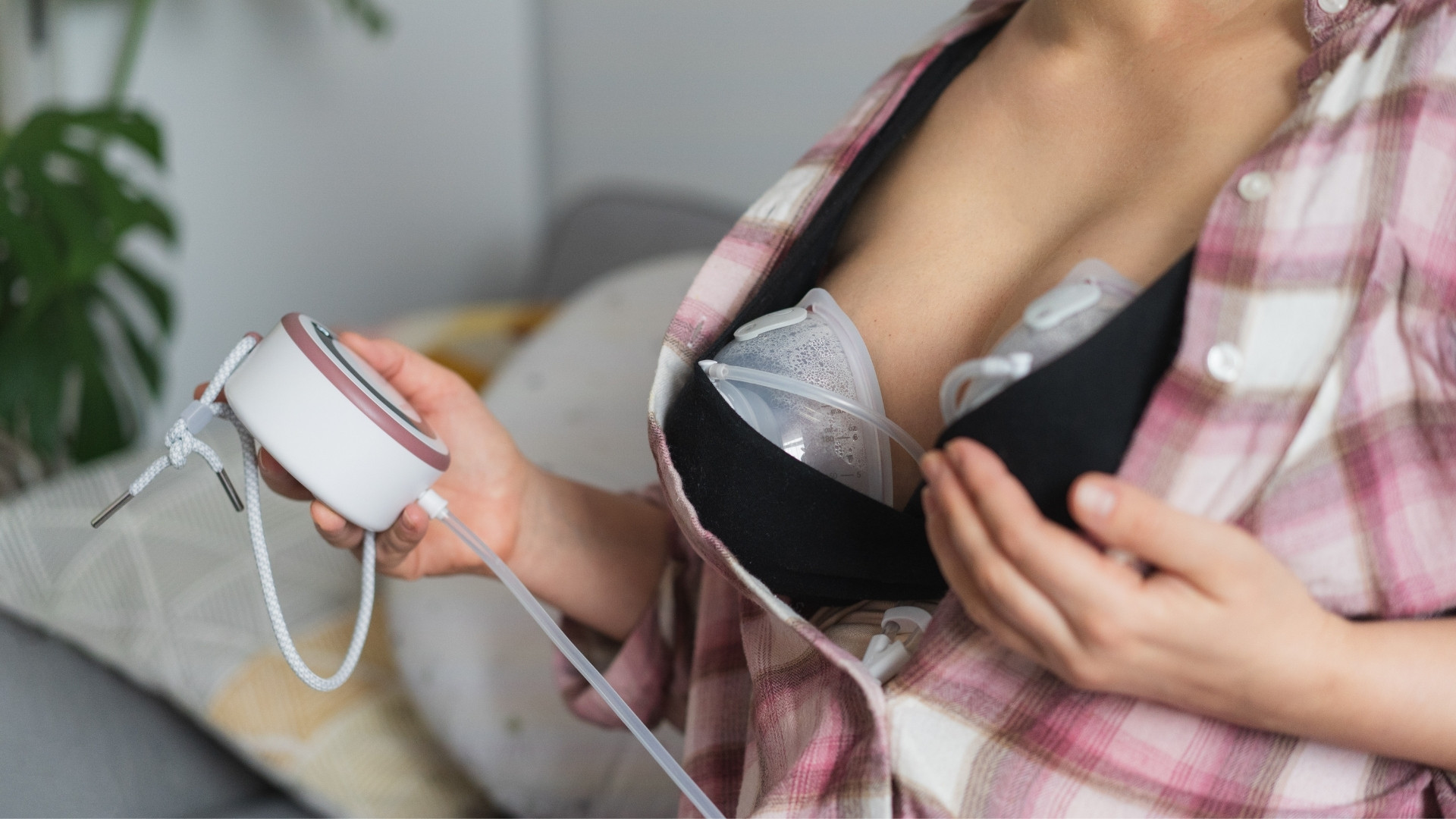
If suction keeps dropping, it can feel incredibly frustrating, but the solution is usually found by fixing one thing at a time, not everything at once. Changing too many things together makes it hard to know what actually helped.
Use this troubleshooting order, step by step:
- Switch to a firmer bra: Try a bra with more structure and less stretch. Even a small increase in support can make a noticeable difference.
- Try a different insert size: Move up or down one size only. A better insert fit often restores suction quickly.
- Re-seat the pump carefully: Remove the pump completely, reposition it, and make sure it sits flat before restarting.
- Check that all parts are clean and dry: Moisture or residue can weaken suction without being obvious.
- Compare output with a standard electric pump: A short comparison session helps you understand whether the issue is fit or pump style.
- Seek lactation support if problems continue: An experienced lactation consultant can spot fit issues that are easy to miss on your own.
Take this process slowly. One adjustment at a time helps you find the real cause and the real fix, much faster.
Sometimes, a small adjustment like a new valve, membrane, or insert can fix suction issues quickly. ICBP helps you identify which replacement parts your insurance covers, so you can keep pumping comfortably without extra stress.
Once setup and troubleshooting are in place, it’s useful to see how Elvie stacks up against other pumps for larger-chested moms.
How Elvie Stacks Up Against Other Pumps for Larger-Chested Moms
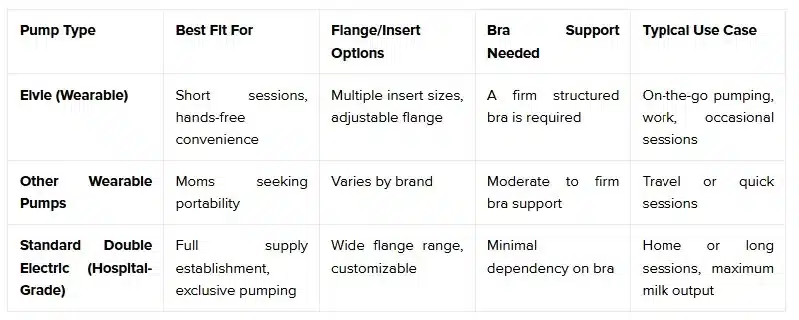
Choosing the right pump isn’t just about brand; it’s about what works best for your body, your routine, and your comfort. For larger-chested moms, fit, suction, and how much the pump relies on bra support are often more important than portability or style.
Here is a quick comparison to help you see how Elvie stacks up against other wearable pumps.
Now, let us explore some scenarios when Elvie is the best choice for large breasts.
4 Situations Where Elvie Works Best for Moms With Larger Breasts
Elvie isn’t a one-size-fits-all solution, but it shines when the setup matches your needs and routine. For larger-chested moms, these are the scenarios where Elvie often performs best:
- Hands-free pumping at work or on the go, if you need quick, discreet sessions, Elvie can be a lifesaver.
- Supplementing nursing, combining breastfeeding with pumping? Elvie works well for short, occasional sessions.
- Willingness to fine-tune fit, moms who take a little time adjusting bra support and insert size usually see consistent suction.
- Prioritizing discretion and portability, if keeping pumping low-profile is important, a wearable pump like Elvie is ideal.
When these conditions are met, many larger-chested moms find that Elvie fits comfortably, pumps efficiently, and makes life just a bit easier. It is now time to see when you should go for other options.
When Another Pump May Be A Better Choice
Elvie works for many moms, but it isn’t always the right fit, and that’s perfectly okay. Some situations call for a different type of pump to meet your needs.
- Exclusive pumping, if you’re relying on pumping as your main source of milk, a standard double electric pump may give more consistent output.
- Early postpartum supply, during the first few weeks, establishing milk supply often benefits from stronger, hospital-grade suction.
- Need for stronger suction consistently, wearable pumps like Elvie are designed for convenience, not maximum power for every session.
- Persistent seal issues, if the pump continues losing suction even after adjusting the bra, flange, and placement, another pump may reduce frustration and increase efficiency.
Some bodies simply respond better to standard or hospital-grade pumps. Choosing a pump that suits your body and lifestyle is about finding what works best for you, not forcing a fit.
Also read: Everything You Need to Know About Ameda Pumps
Having the right insurance coverage makes it much easier to access the best pump for your body.
How Insurance Covered Breast Pumps (ICBP) Can Help
Exploring insurance coverage for breast pumps can feel overwhelming, especially when you’re juggling a newborn and your own recovery. ICBP takes the stress off your shoulders by handling the tricky parts so you can focus on feeding and bonding with your baby. You don’t have to figure out forms, approvals, or coverage limits on your own.
Below are some of the ways ICBP supports you:
- Insurance Verification Made Simple: ICBP checks your plan coverage and explains exactly what’s included, saving you time and uncertainty.
- Prescription Coordination: They work directly with your OB/GYN to obtain the required prescription, ensuring no delays.
- Paperwork Management: All claim forms and documentation are submitted on your behalf, reducing errors and back-and-forth.
- Pump & Accessory Guidance: ICBP helps match you with the pump and inserts that fit your body and lifestyle, including wearable options like Elvie.
- Lactation Support Access: They connect you with certified lactation consultants covered by your insurance, giving expert guidance alongside your pump.
- Replacement Supplies Assistance: ICBP ensures you know which replacement parts and accessories may be fully covered for ongoing use.
With the right pump, fit, and support in place, you can focus on effective pumping with minimal stress.
Conclusion
Choosing the right pump for larger breasts depends on understanding your body, selecting the proper fit, and fine-tuning your setup. Each mother’s physiology and routine are different, so results can vary. Achieving effective, comfortable pumping comes from careful preparation, mindful adjustments, and being aware of the options that best support your needs.
Insurance Covered Breast Pumps (ICBP) makes this process simpler by handling all the insurance paperwork, prescription coordination, and pump selection for you. They help you access high-quality pumps like Elvie and replacement supplies with minimal stress, so you can focus on feeding and caring for your baby.
Check your insurance eligibility to see if you qualify for an Elvie pump and get expert guidance on fit and setup for comfortable, hands-free pumping.
FAQs
1. Does breast size affect milk production?
Breast size doesn’t determine how much milk you can produce. Milk comes from mammary glands, not fat tissue, so a larger or smaller chest doesn’t automatically mean more or less milk. Focus on frequent feeding, pumping, and proper latch to maintain supply, regardless of your cup size.
2. How do I know if a wearable pump like Elvie is covered under my specific insurance plan?
Coverage depends on your insurance provider and plan type. ICBP can verify your benefits for you, confirm eligibility, and explain whether wearable pumps like Elvie are included. Checking before you purchase ensures no unexpected costs and lets you access your pump with little or no out-of-pocket expense.
3. What should I do if Elvie causes nipple irritation or soreness?
Nipple discomfort often comes from fit issues, flange size, or pumping frequency. Try adjusting the insert, repositioning the pump, or using nipple cream approved for breastfeeding. If soreness persists, consult a lactation consultant to ensure proper technique and prevent pain while maintaining effective milk removal.
4. Can I use Elvie while bouncing, walking, or moving around?
Elvie is designed for mobility, but success depends on a snug bra fit and proper pump placement. Minor movement is usually fine, but vigorous activity may break the seal. Start with short, light activities to test comfort and stability, and adjust your bra or pump if suction weakens.
5. How often do I need to replace Elvie parts (valves, seals, flanges)?
Replacement depends on use and cleaning habits. Typically, flanges and inserts may need replacing every few months, while valves and seals wear sooner. Inspect for cracks, warping, or weak suction. Using ICBP, you can find out which replacement parts are covered by your insurance for ongoing use.