










Best Postpartum Meals for Healing, Energy, and Breastfeeding Recovery
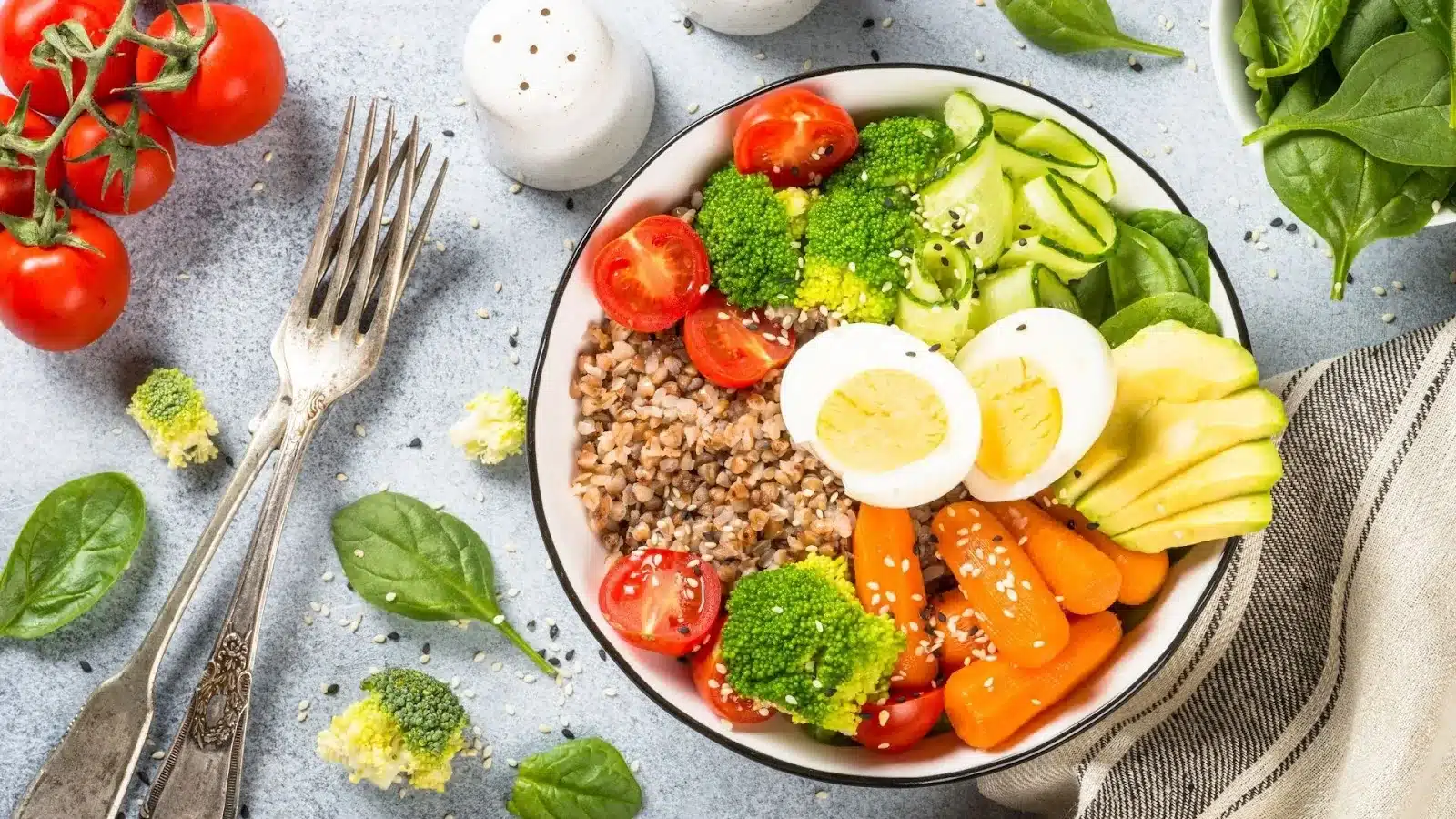
The days after birth can feel like a blur. Between caring for your newborn, recovering physically, and adjusting to a completely new rhythm, even basic needs like eating can start to feel complicated. Some days you may feel constantly hungry, other days exhausted, and many moments fall somewhere in between.
During this time, meals often become something you squeeze in rather than plan for. It is common to wonder whether what you are eating is actually helping your body recover or just helping you get through the moment. That uncertainty is normal, especially when your energy, appetite, and routines are all changing at once.
Postpartum recovery is not about doing everything perfectly. It is about supporting your body in small, steady ways as it heals and adapts. Food plays an important role in that process, but it should feel supportive, not overwhelming.
This guide focuses on postpartum meals that fit into real life with a newborn. It explains what makes a meal nourishing after birth, shares practical meal ideas that support recovery and energy, and offers simple strategies to make eating feel more manageable during the postpartum period.
At a Glance:
- Postpartum meals support recovery by helping your body heal, rebuild energy, and adapt to the physical demands after birth.
- The most effective postpartum meals are simple and balanced, combining protein, complex carbohydrates, and healthy fats without added complexity.
- Consistent eating matters more than perfect meals, especially when caring for a newborn limits time and energy.
- Warm, easy-to-reheat meals and portable options make it easier to eat regularly during early postpartum weeks.
- Postpartum support goes beyond food. Breastfeeding resources and insurance-covered equipment can reduce daily strain during recovery.
What Makes a Postpartum Meal Nourishing
A nourishing postpartum meal supports recovery by providing consistent fuel rather than quick fixes. This means choosing foods that help your body repair itself, maintain energy between feedings, and avoid the highs and crashes that can make exhaustion feel worse.
At a basic level, nourishing postpartum meals tend to include a balance of three elements:
- Protein, which supports tissue repair and healing after birth
- Complex carbohydrates, which provide steady energy throughout the day
- Healthy fats, which help with satiety and overall energy balance
These elements do not need to be perfectly measured or included in every single meal. The goal is consistency over time, not precision.
Equally important is how easy a meal is to prepare and eat. During postpartum recovery, meals that are warm, filling, and simple often feel more supportive than foods that require effort, planning, or long preparation times. If a meal feels manageable on a low-energy day, it is more likely to be eaten regularly.
Nourishing postpartum meals are not about rules or restrictions. They are about choosing foods that help you feel more stable, supported, and fueled as your body heals and your daily rhythm slowly takes shape.
Must Read: Best Nipple Care Creams for Breastfeeding Moms
Best Postpartum Meals to Support Recovery and Energy
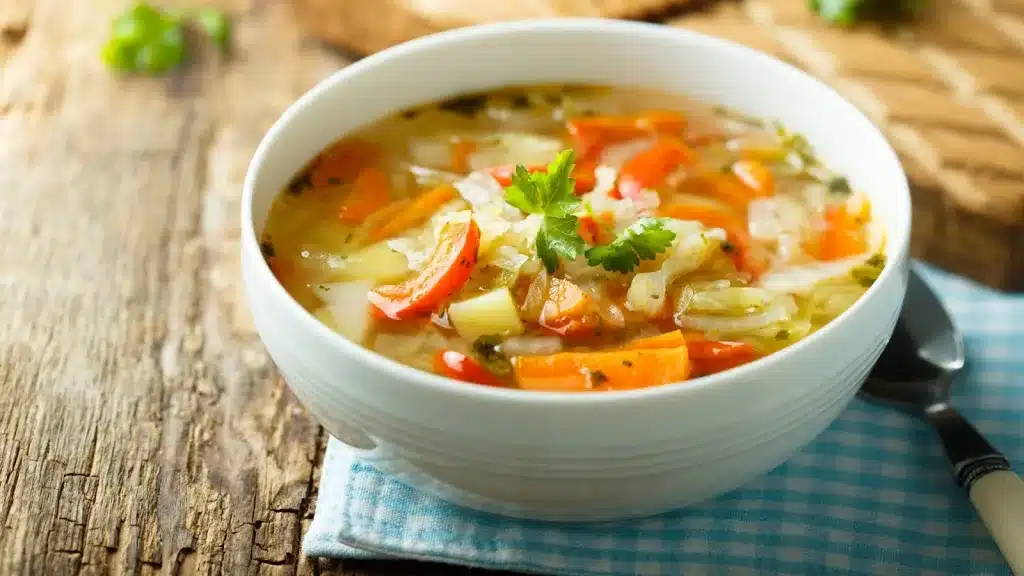
The best postpartum meals are not complicated recipes or special diet plans. They are meals that are easy to eat, filling enough to last between feedings, and simple to prepare during short windows of time.
Instead of focusing on exact nutrients again, this section focuses on meal formats that tend to work well during postpartum recovery.
Warm, One-Pot Meals
Warm meals are often easier to digest and more comforting during the early weeks after birth. One-pot meals also reduce cleanup and decision fatigue.
Examples include:
- Vegetable or chicken soups with grains or beans
- Lentil or bean stews
- Bone broth–based soups with added protein and vegetables
Simple Protein-Centered Plates
Meals built around a clear protein source are often easier to assemble and more satisfying.
Examples include:
- Baked or roasted chicken with vegetables
- Salmon with rice or potatoes and greens
- Eggs with sautéed vegetables and whole-grain toast
Bowl-Style Meals
Bowl meals are flexible and work well for postpartum recovery because they can be customized based on what you already have.
Examples include:
- Quinoa or rice bowls with roasted vegetables and protei
- Sweet potato bowls with beans and healthy fats
- Stir-fried vegetables with tofu or lean meat over grains
Quick and Portable Options
Some days, sitting down for a full meal is not possible. Having a few portable options can help you avoid skipping meals entirely.
Examples include:
- Smoothies with yogurt, fruit, and nut butter
- Overnight oats
- Hard-boiled eggs with toast or fruit
Postpartum meals do not need to look perfect or varied every day. Repeating meals that are easy, filling, and familiar is often what makes eating consistently possible during recovery.
Also Read: How to Survive Postpartum Life
Meal Prep Strategies That Actually Work Postpartum

During the postpartum period, the challenge is often not knowing what to eat, but finding ways to eat consistently when time, energy, and attention are limited. Meal prep does not need to be structured or intensive to be helpful. Small systems can make a noticeable difference.
Focus on repeatable, low-effort preparation
Instead of trying to plan different meals every day, repeating a few dependable options can reduce decision fatigue. Preparing one or two meals that can be eaten across multiple days is often more realistic than planning full weekly menus.
Examples include making a large pot of soup, roasting a tray of vegetables and protein, or cooking a batch of grains that can be reused in different meals.
Keep food within reach
Eating regularly is easier when food is accessible. Keeping snacks or prepared meals near common feeding or resting areas helps reduce skipped meals, especially during long feeding sessions or contact naps.
This may mean storing snacks beside the bed, keeping prepped meals on the middle fridge shelf, or using containers that are easy to open and reheat.
Use timing that works for you
Meal prep does not need to happen on a schedule. Some parents prep when someone else is holding the baby, others do it in short bursts during the day. There is no ideal timing, only what fits your routine.
Even preparing one meal ahead can remove pressure later.
Accept and use outside support
If meals are offered by family, friends, or community services, using that support can ease daily load. Store-bought prepared foods, meal deliveries, or shared cooking responsibilities can all serve the same purpose.
The goal is nourishment, not doing everything independently.
Meal prep during postpartum recovery is about reducing friction, not creating structure. Simple systems that help you eat without extra effort often matter more than perfectly planned meals.
Read Next: How to Get Free Enfamil Formula for Premature Babies
Foods to Limit or Be Mindful Of During Postpartum Recovery
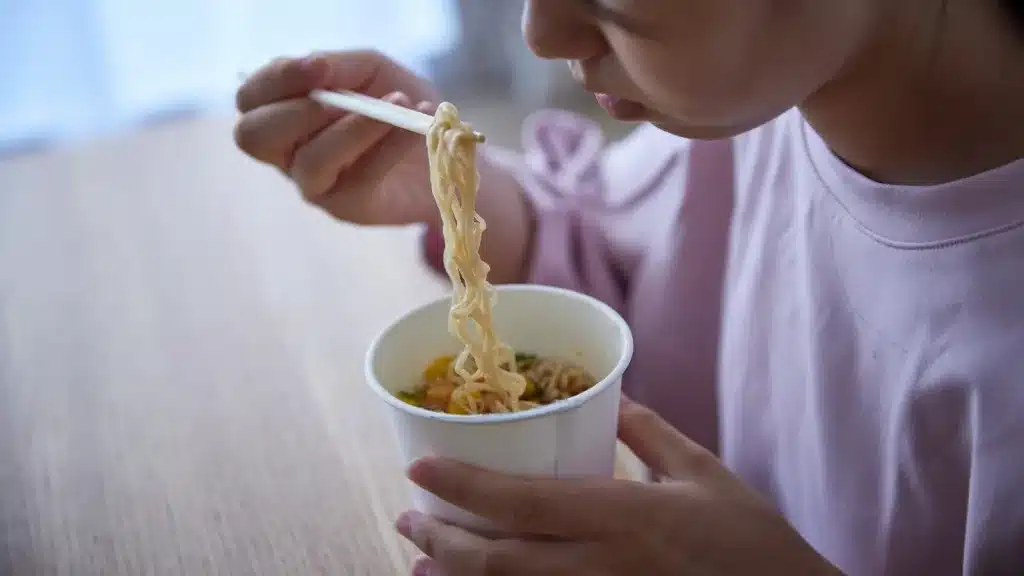
Postpartum eating does not require strict rules, but some foods can make recovery feel harder, especially when energy is already limited. Being mindful of these foods is about comfort and sustainability, not restriction.
Highly processed, low-nutrient foods
Foods that are heavily processed often provide quick calories without lasting fullness. Examples include packaged snack cakes, sugary cereals, instant noodles, and fried fast food. These foods may leave you hungry again soon and can contribute to energy crashes during the day.
Foods high in added sugar
Sugary drinks and snacks can spike energy briefly and then lead to sudden drops. Examples include sweetened juices, soda, pastries, candy, and sweet coffee drinks. When eaten frequently, these can make fatigue feel more pronounced.
Very spicy or greasy foods
Some moms notice increased digestive discomfort during the postpartum period. Foods that are very spicy, oily, or heavy may cause bloating, heartburn, or stomach upset, which can be uncomfortable while healing.
Examples include deep-fried foods, heavily spiced curries, and rich sauces.
Excess caffeine
Caffeine intake can add up quickly, especially with coffee, energy drinks, or strong tea. Too much caffeine may increase feelings of jitteriness or interfere with rest when sleep is already disrupted.
Moderation matters more than avoidance.
Foods that trigger personal sensitivity
Postpartum digestion can change. Some foods that felt fine before pregnancy may cause bloating or discomfort after birth. Common examples include large amounts of dairy, certain legumes, or artificial sweeteners.
Paying attention to how your body responds can help guide choices without needing strict food rules.
Being mindful of these foods does not mean eliminating them completely. Occasional enjoyment is part of real life. The goal is noticing patterns and choosing foods that help you feel more comfortable and supported during recovery.
Supporting Breastfeeding While You Recover
As your body heals after birth, feeding your baby becomes part of your daily rhythm. For many moms, that includes breastfeeding, pumping, or a combination of both. These routines take time, energy, and consistency, often alongside sleep deprivation and physical recovery.
This is where nourishment and practical support start to overlap.
Eating regularly helps you keep up with the physical demands of feeding, but having the right tools matters too. Feeding sessions, whether at the breast or through pumping, can feel more manageable when you are not also worrying about logistics, equipment, or added expenses.
In the United States, most health insurance plans include breastfeeding support as part of preventive maternity care. This often means coverage for a breast pump and, in many cases, ongoing supplies such as replacement parts or milk storage bags. Knowing this support exists can remove one more layer of stress during an already full season.
Just as postpartum meals help support your recovery in small, steady ways, insurance-covered breastfeeding resources are meant to support feeding routines without adding financial or administrative pressure.
Understanding what is available to you allows you to focus less on coordinating equipment and more on caring for yourself and your baby.
Conclusion
Postpartum recovery takes time, and it often looks different from day to day. Focusing on small, supportive choices can help you feel steadier as you adjust to life with your baby.
If you have questions or would like guidance around breastfeeding support, insurance-covered resources, or postpartum care options, you can reach out to our team for more information. Getting clarity when you need it can help take some of the guesswork out of this stage.
Take things at your own pace, and remember that support is available whenever you’re ready.
FAQs
Q: What is the 5-5-5 rule postpartum?
A: The 5-5-5 rule encourages new moms to spend the first 5 days resting in bed, the next 5 days resting on the bed, and the following 5 days slowly moving around the house. This approach supports healing, reduces strain, and works best when paired with best postpartum meals that provide steady nourishment without requiring much effort.
Q: Which is the best food to eat after delivery?
A: The best foods after delivery are nourishing, balanced meals that include protein, healthy fats, and complex carbohydrates. Best postpartum meals often include soups, stews, cooked vegetables, whole grains, and protein-rich foods that support healing, energy, and breastfeeding needs.
Q: What is the 40-day rule after birth?
A: The 40-day rule is a traditional postpartum practice that focuses on rest, recovery, and gradual healing after childbirth. During this time, eating the best postpartum meals that are warm, nutrient-dense, and easy to digest can help support physical recovery and overall well being.
Q: What is the hardest week of postpartum?
A: For many moms, the first one to two weeks postpartum are often the hardest due to physical recovery, sleep deprivation, and emotional adjustments. During this period, prioritizing best postpartum meals and easy snacks can help maintain energy when routines feel overwhelming.
Q: What food should you avoid after delivery?
A: After delivery, it may help to limit highly processed foods, excess sugar, and foods that cause digestive discomfort. Focusing instead on best postpartum meals that provide steady nourishment can support recovery and help prevent energy crashes during the early postpartum weeks.