











Best Breast Pump for Large Breasts 2026: Comfort, Fit, and Support
You finally sit down to choose a pump, open a few tabs, and suddenly every brand claims to be the best. If you have a fuller bust, finding the best breast pump for large breasts can feel even more frustrating because not every design actually fits or works the way it should. It is easy to feel stuck between big promises and very little clarity. Most moms just simply want a pump that feels secure, comfortable, and actually empties their breasts well.
That is exactly why we put this together. Instead of sorting through endless marketing claims, this guide focuses on what truly helps you choose the best breast pump for large breasts based on real-life fit, comfort, and performance.
We will walk through the features that matter and the options worth considering.
Key Takeaways
- For larger breasts, flange tunnel length, cup depth, and weight support affect suction stability and milk removal more than breast size alone.
- Wearables, portable motor systems, and traditional double electric pumps each handle breast weight and movement differently, influencing seal consistency.
- A firm band, strong vertical lift, and side support panels help keep flanges aligned and prevent suction loss during sessions.
- Leaks, low output, nipple rubbing, and sliding pumps usually come from positioning or support problems, not supply issues.
- Many plans cover strong, size-flexible pumps and replacement parts, especially when working with a supplier who handles sizing and paperwork.
Does Breast Size Change Which Pump You Should Choose?
It can, and not in the way most people think. Breast size does not change how milk is made, but it does change how a pump sits on your body, how well it seals, and how comfortable it feels during a full session.
Larger-breasted moms often notice certain fit and performance differences, and pump design plays a big role in how well sessions go:
- Flange Tunnel Length: Flanges with very short tunnels may press into breast tissue before the nipple moves comfortably. A longer tunnel can help reduce unnecessary compression and improve comfort during pumping.
- Cup Rim Diameter: Narrow cup rims can press into fuller breast tissue. A wider outer rim may distribute pressure more comfortably and help reduce skin irritation or loss of suction during pumping.
- Motor Weight Distribution: Heavier, cup-mounted motors can sometimes pull the pump downward, especially on softer breast tissue. Lighter designs or pumps with a separate motor may feel more stable and help maintain a comfortable seal.
- Inner Cup Depth: Shallow cups can flatten the breast and reduce vacuum consistency. Deeper collection cups allow natural projection without tissue crowding.
- Seal Flexibility Material: Hard plastic rims lose seal on soft tissue. Silicone-edged or flexible rim shields adapt better to natural breast movement during suction cycles.
Don’t worry if this sounds technical; you don’t need to memorize it. You just need to recognize which features matter when comparing pumps
Types of Breast Pumps for Large Breasts

Different pump styles interact with fuller breast tissue in very different ways. The right type depends on how much weight your bra can support, how steady the seal stays, and how much suction consistency you need.
Each pump category behaves differently on larger breasts, and certain designs work better depending on support, positioning, and movement:
- Double Electric Pumps: Bottles hang vertically, so the weight transfers to the bra band. A snug pumping bra prevents flange tilt and keeps suction stable during longer sessions.
- Wearable In-Bra Pumps: All weight sits inside the bra cup. Best with firm, full-coverage bras that prevent inward compression and maintain even pressure around the flange rim.
- Portable Motor + Cups: Motor clips to clothing, reducing chest weight. Less downward pull helps maintain nipple tunnel alignment and improves comfort for softer lower-breast tissue.
- Hospital-Grade Rentals: Stronger motors maintain a vacuum even with minor seal shifts. Helpful if fuller tissue makes consistent suction harder with standard personal-use pumps.
- Manual Hand Pumps: Angle can be adjusted in real time to match breast contour. Useful when fullness is uneven or when seated positioning changes throughout the day.
Pump type affects how weight, movement, and breast shape influence suction. Choosing the right style helps keep the seal steady and sessions more comfortable.
Still weighing your options and wondering how different pump styles really compare in daily life? Get a clearer side-by-side breakdown here: Manual vs Electric Breast Pump: Choosing the Best Option
Best Breast Pump for Large Pumps
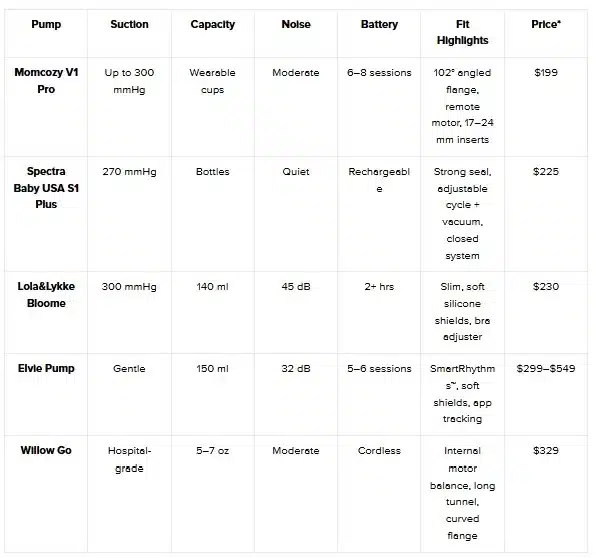
Larger breasts often need pumps that handle softer tissue, shifting weight, and seal stability. The options below stand out for strong suction control, thoughtful flange design, and better balance during pumping.
Each one solves a different problem, whether that is mobility, consistent emptying, or comfort during longer sessions.
At a Glance:
1. Momcozy V1 Pro
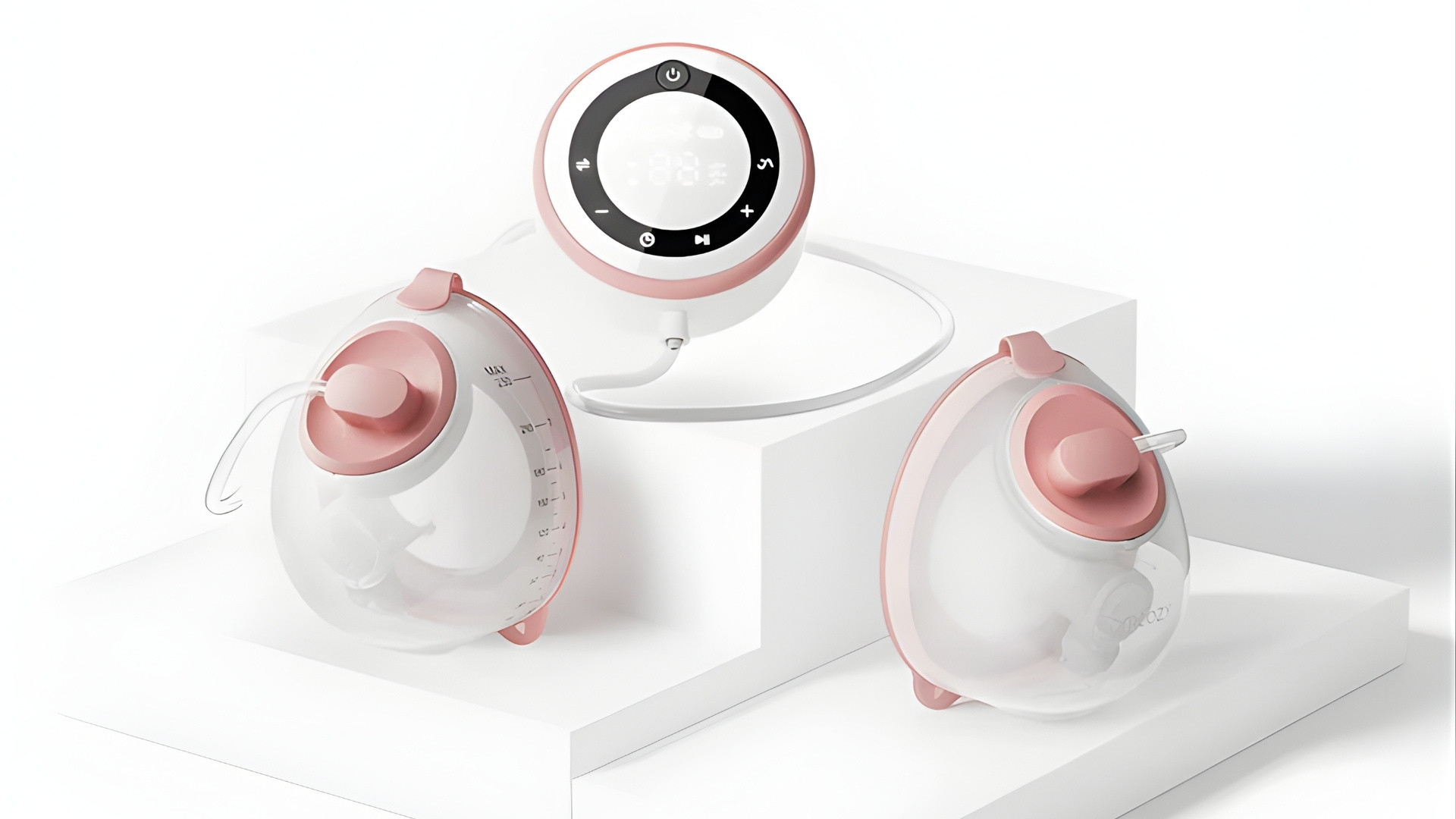
A hospital-grade wearable with a remote motor and deep flange design, built to maintain suction and comfort on fuller breasts while letting you move freely.
Pros
- Strong Suction Performance: Up to –300 mmHg maintains steady milk flow even when soft tissue shifts or seals weaken slightly.
- Angled Flange Geometry: 102° tunnel angle reduces base tissue compression, encouraging a more stable seal on fuller breasts.
- Motor-Off-The-Chest Design: Remote motor reduces downward pull on cups, improving seal consistency during movement and long sessions.
Cons
- Tubing Drag Risk: Dual tubes can tug the cups out of alignment if not secured under clothing.
- External Motor Bulk: The motor clip adds visible weight at the waist or pocket, less discreet under fitted tops.
- No Memory Recall: Pump resets to default settings each time, requiring manual adjustments before each session.
Maintenance: Only 3 milk-contact parts (flange, valve, collector) to washafter each session, which makes daily cleaning quicker and less overwhelming.
Comfort: Multiple flange inserts (17, 19, 21 mm inside 24 mm base) create a customized nipple seal and lessen areola pinching.
Price: Retail $199.99 USD; often covered partially or fully by insurance, depending on plan and supplier.
2. Spectra S1 Plus Premier Rechargeable Double Electric Breast Pump
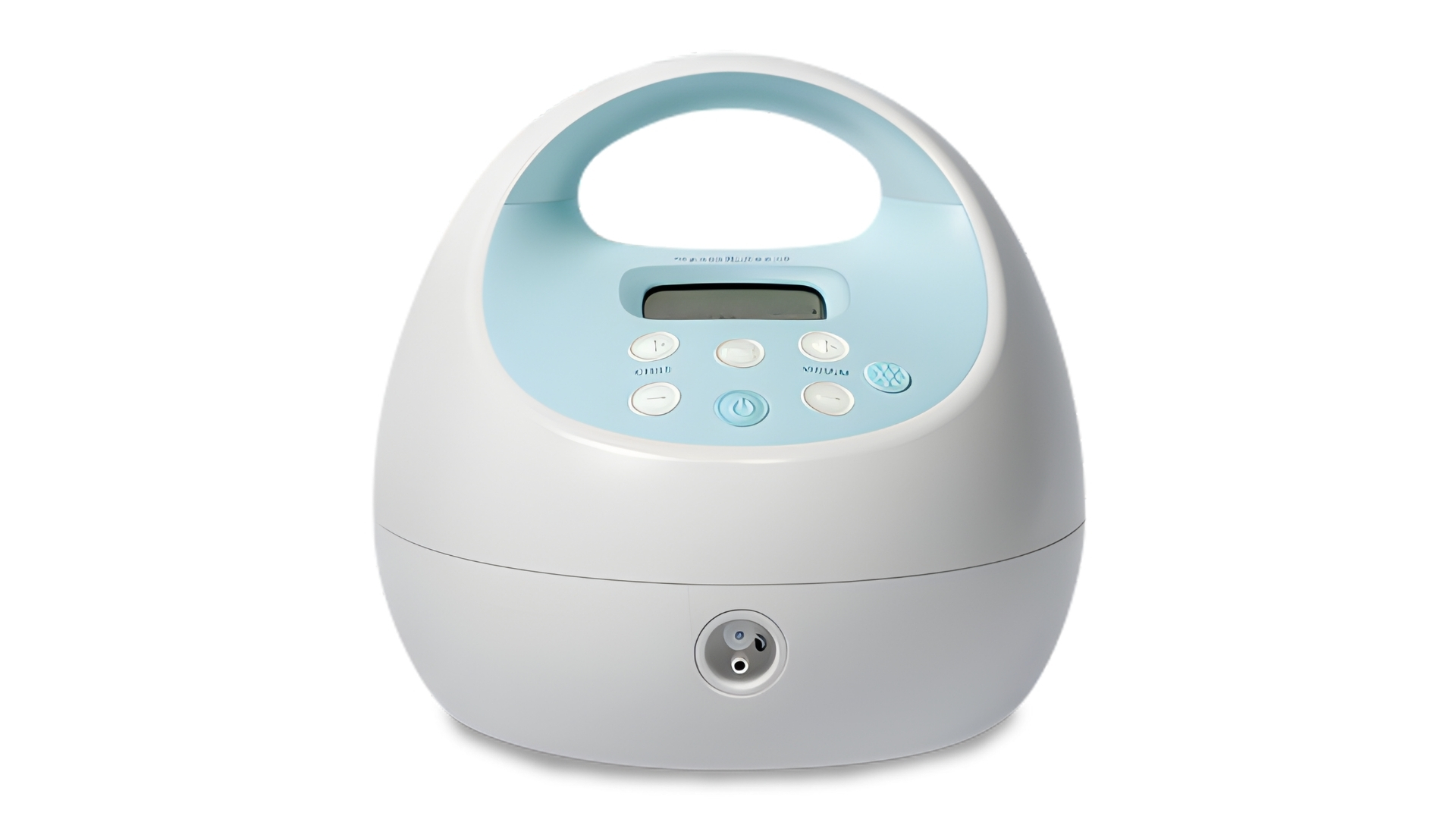
A hospital-strength, rechargeable double electric pump with customizable suction patterns, built for consistent output and strong seal performance during longer sessions at home or around the house.
Pros
- Customizable Cycle Control: Spectra S1 Plus Premier has separate massage and expression modes with adjustable cycle speed help match let-down timing and maintain flow when breasts feel fuller or slower to release.
- Consistent Vacuum Stability: Closed system design prevents moisture in tubing, helping the motor maintain steady suction across longer sessions without performance drop.
- Rechargeable Portability: Built-in battery allows pumping away from outlets, useful when repositioning to stay comfortable during sessions with heavier breasts.
Cons
- Heavier Main Unit: At 3 pounds, the motor is bulkier than compact portables, making it less convenient for commuting or pumping outside the home.
- External Bottle Weight: Bottles hang downward, so a supportive pumping bra is necessary to prevent flange shifting during full collection.
- No App Connectivity: Settings must be adjusted manually each session without digital tracking or remote control features.
Maintenance: Closed backflow protectors keep milk out of tubing, so you only wash bottles, valves, and flanges after sessions.
Comfort: Adjustable suction and cycle rhythm allow gentle let-down stimulation before stronger expression, helping reduce nipple strain during longer pumps.
Price: Typically $225–$230 retail, often fully or partially covered through insurance plans as a primary double electric pump.
3. Lola & Lykke Bloome Wearable Single Breast Pump
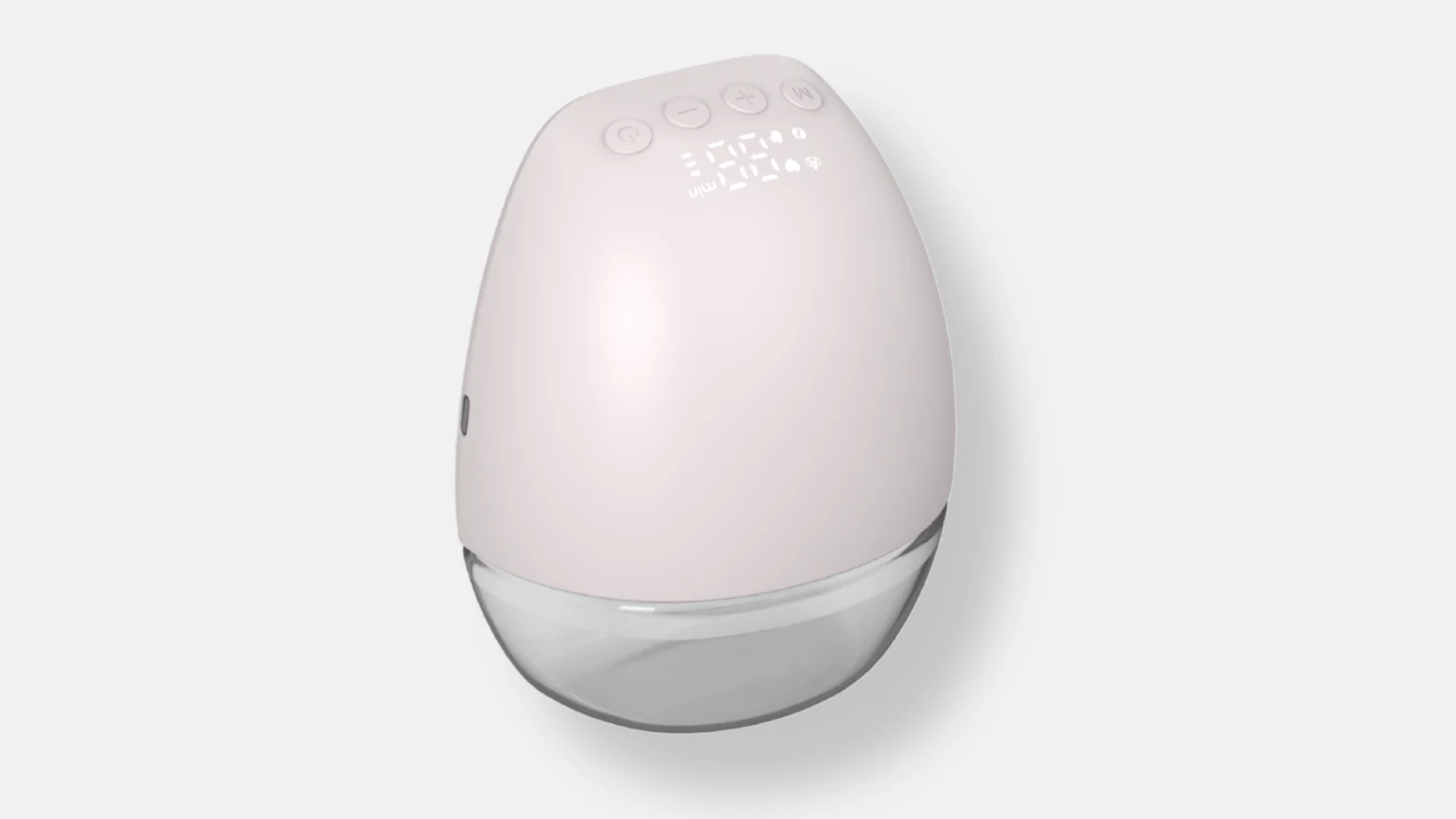
A slim, in-bra wearable with hospital-grade suction, soft silicone shields, and quiet operation, designed for discreet pumping while supporting a secure fit on fuller breasts.
Pros
- High Suction Range: Up to 300 mmHg vacuum supports efficient milk removal even when breast tissue is heavier and needs consistent pull.
- Low Noise Output: Operates at 45 dB, making sessions discreet in shared spaces without drawing attention.
- Adjustable Pump Phases: Four pumping phases and nine intensity levels help customize let-down and expression patterns to your comfort.
Cons
- Single-Side Pumping: Designed as a single pump, so double pumping requires two units, increasing total cost and bra space.
- Battery Time Limit: Just over 2 hours per charge may require mid-day charging for exclusive pumpers.
- Cup Capacity Limit: Standard 140 ml bottle may fill quickly for high-output sessions, needing pauses to empty.
Maintenance: Soft silicone and minimal milk-contact components make daily washing simple, with fewer rigid crevices where milk residue can collect.
Comfort: Three shield sizes, flexible silicone edges, and a bra adjustment buckle help distribute pressure evenly across fuller breast tissue.
Price: Retail price is £169, typically considered a premium wearable; insurance coverage varies by provider and region.
4. Elvie Pump Wearable Breast Pump
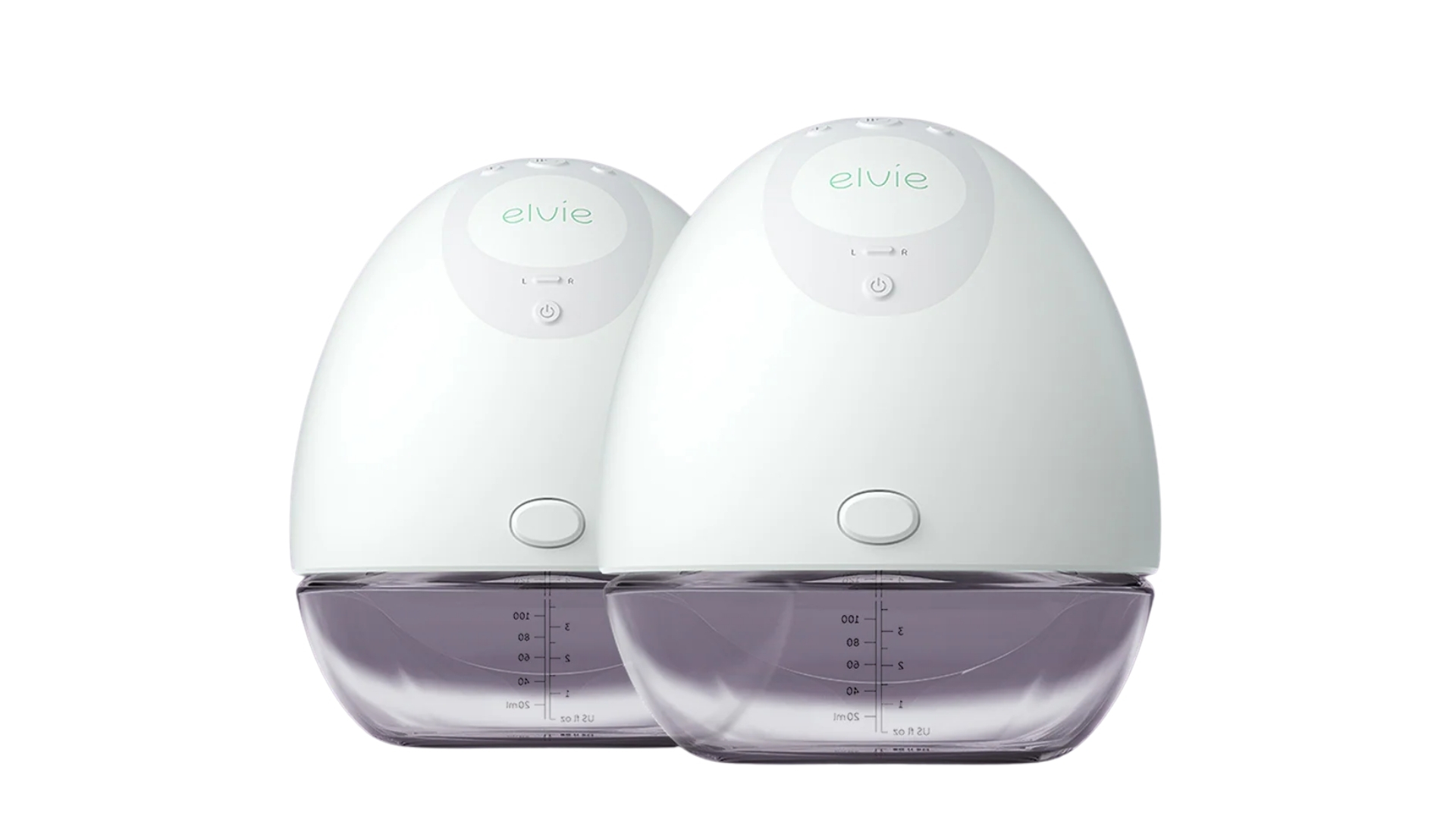
A slim, in-bra wearable pump with app control, ultra-quiet 32 dB motor, SmartRhythms suction patterns, and automated milk tracking for discreet, flexible daily pumping.
Pros
- Ultra-Quiet Motor: The Elvie Breast Pump operates at 32 dB, making it one of the quietest wearable pumps for discreet workplace or nighttime sessions.
- SmartRhythms™ Modes: Three suction patterns support let-down stimulation, gentle expression, and leak-reducing collection for varying flow stages.
- App Milk Tracking: Real-time volume monitoring and session history help track output trends without removing the pump.
Cons
- Lower Suction Strength: Suction is gentler than hospital-grade pumps, which may reduce efficiency for moms needing stronger vacuum support.
- Smaller Capacity Cups: 5 oz (150 ml) per side may require mid-session emptying during high-output or morning pumps.
- Fit Learning Curve: Proper seal depends on correct shield size and bra compression; positioning may take practice with softer breast tissue.
Maintenance: Dishwasher-safe washable parts and a closed milk path simplify cleaning, though multiple small components require careful drying to prevent trapped moisture.
Comfort: Soft silicone breast shields and a lightweight in-bra design reduce downward pull, helpful for fuller breasts sensitive to pressure.
Price: Double pump retails $549.99; single pump $299.99. Often partially covered by insurance or eligible for HSA/FSA reimbursement.
5. Willow Go® Wearable Breast Pump
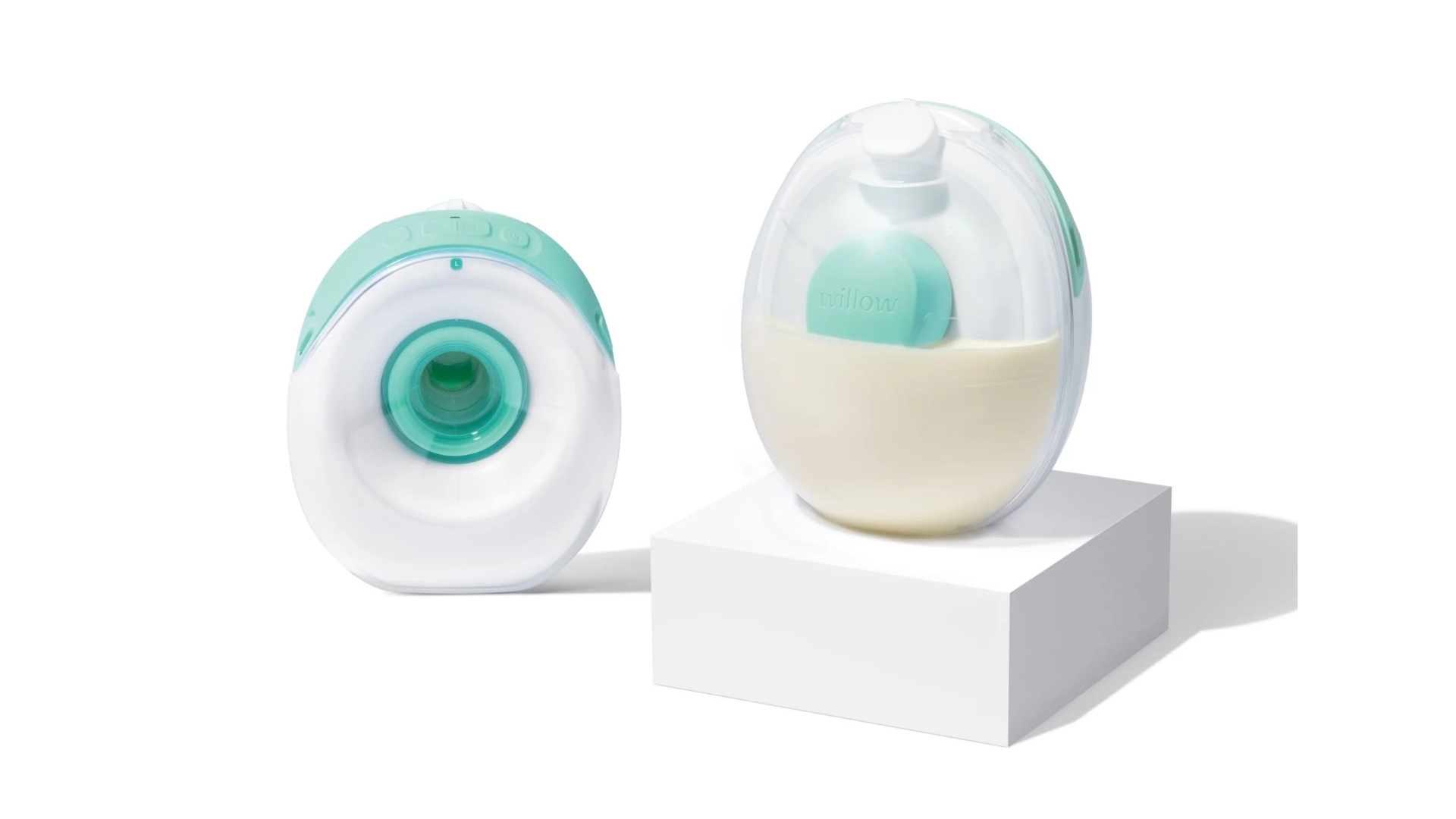
Willow Go® Wearable Breast Pump is an in-bra, app-connected wearable with hospital-grade suction, even weight distribution motor, and spill-resistant containers designed to support strong output with everyday mobility.
Pros
- Hospital-Grade Suction: Strong vacuum supports efficient emptying, especially helpful for moms managing supply or pumping after longer stretches between feeds.
- Interior Circular Motor: Balanced internal motor weight improves nipple alignment and reduces downward drag inside the bra.
- Extended Flange Tunnel: Longer tunnel reduces friction for elastic nipples and helps maintain consistent suction during movement.
Cons
- Heavier In-Bra Feel: Larger motor and container weight may feel front-heavy during longer sessions, especially with fuller milk volumes.
- Learning Curve Positioning: Proper seal requires careful flange centering; softer breast tissue may need bra adjustments for consistent suction.
- Audible at Higher Levels: Stronger suction settings are more noticeable in quiet rooms compared to lower expression modes.
Maintenance: Dishwasher-safe containers and minimal parts simplify cleaning, but diaphragms and valves need replacement about every 90 days to maintain suction performance.
Comfort: Curved flange edge and wide cone design reduce tissue pinching and distribute pressure more evenly across fuller breast tissue.
Price: Double pump typically retails $349.99 (often discounted); HSA/FSA eligible and sometimes insurance reimbursable.
Even with the right pump, small adjustments in bra fit or flange size are normal in the first weeks. Your body changes, and your setup can change too.
If you are figuring out when to introduce pumping or how to protect your milk production, this guide walks you through the timing, signs, and situations that matter most: Common Reasons To Start Breast Pumping and Keep Your Supply Up
Pumping Bras Make a Bigger Difference Than You Think
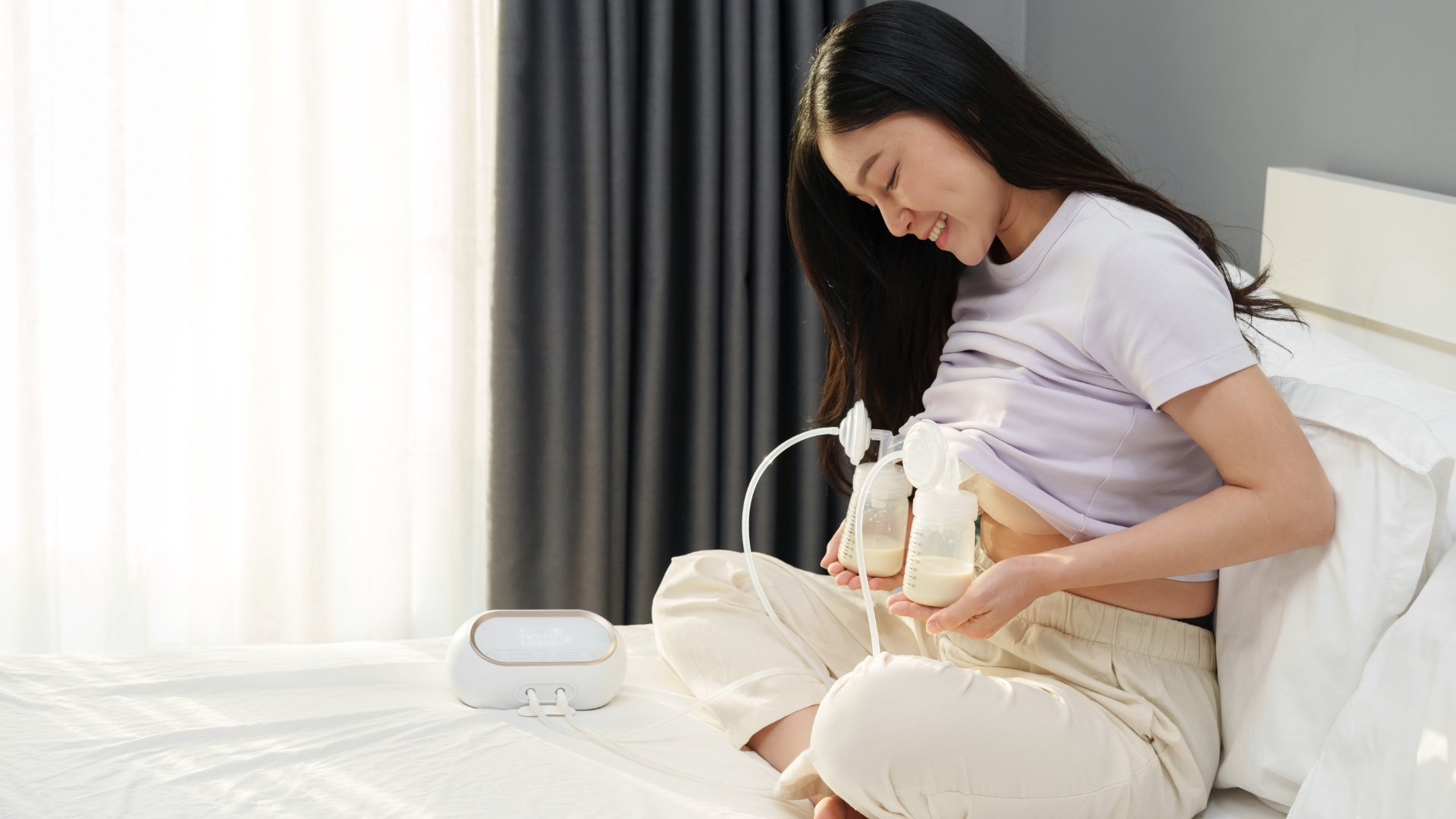
If you have larger breasts, your pumping bra is not just clothing; it is structural equipment. The bra controls flange angle, seal stability, and how evenly suction pressure is distributed.
Several bra features directly influence pumping performance and comfort during sessions:
- Band Tension Matters: A firm band anchors the pump. Loose bands cause flange shifting, breaking suction rhythm, and reducing milk removal efficiency mid-session.
- Vertical Lift Support: Bras with strong lower cup panels lift heavy tissue upward, improving nipple alignment and preventing downward flange drag that reduces vacuum seal.
- Side Sling Stabilization: Inner sling panels reduce lateral breast movement, keeping flanges centered and preventing air leaks during let-down or when milk weight increases.
- Cup Depth For Wearables: Deep, molded cups prevent pump compression. Flattened cups squeeze motors inward, distorting flange angle and causing tunnel friction.
- Adjustable Front Tension: Front-adjust straps fine-tune pump pressure against the breast, helping maintain a consistent seal without over-compressing ducts.
The right bra keeps everything aligned, supported, and sealed. When the bra works, the pump works better, and your body feels the difference.
Common Pumping Challenges for Moms With Larger Breasts (And How to Fix Them)
If you have a fuller bust, pumping issues are usually mechanical, not personal. Small fit and positioning changes can dramatically improve comfort and milk output.
The table below breaks down common problems and practical, body-aware fixes.
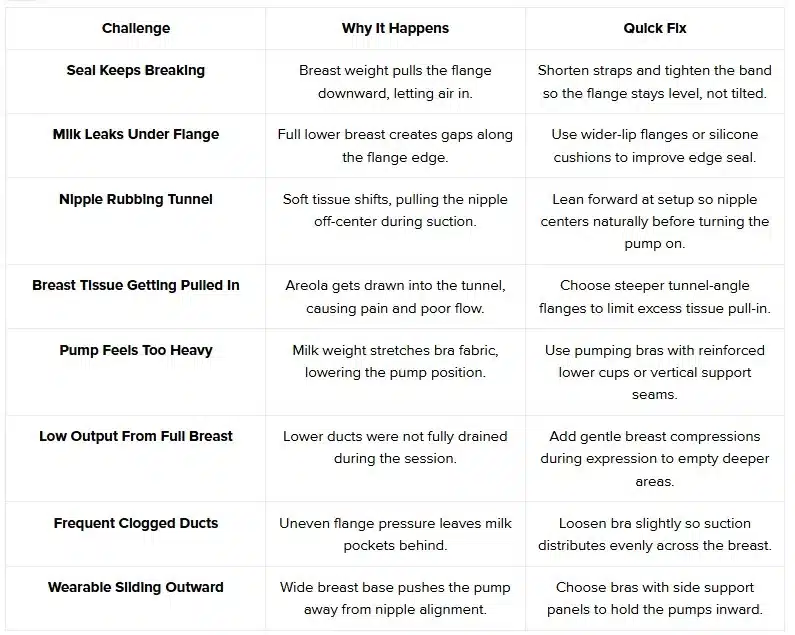
Most challenges improve with better support, alignment, and pressure balance. You are not doing anything wrong; your setup just needs to match your body.
Heading back to work does not mean pumping has to feel overwhelming. Make your routine smoother and more efficient with 6 Pumping Hacks for Working Moms
Can You Get the Best Breast Pump for Large Breasts Through Insurance?
Yes, you absolutely can, and you do not have to settle for a poor fit. Insurance coverage can include pumps that work well for fuller breasts if you know what to request.
When working through insurance providers, these are the key things moms should pay attention to:
- Check Your Eligibility First: Start by verifying your plan benefits through a supplier to see which pumps and upgrades your policy allows
- Request Hospital-Strength Models: Ask for pumps with higher suction ranges to fully drain heavier breast tissue and reduce the risk of clogged ducts.
- Confirm Multiple Flange Sizes Included: Make sure your order includes different flange sizes or inserts so you can fine-tune nipple fit after birth.
- Check Upgrade Eligibility: Some plans cover a base pump and allow upgrades to stronger or more portable models for a small out-of-pocket fee.
- Ask About Replacement Parts Coverage: Valves, membranes, and flanges wear out faster with frequent pumping; many plans cover monthly replacement kits.
- Use a Supplier Who Handles Paperwork: Insurance pump providers can verify eligibility, collect prescriptions, and match you with size-appropriate pump kits.
The right insurance-covered breast pump should feel like it was chosen for your body, not just what was cheapest on a list. Support makes all the difference. Get in touch with us!
Final Thoughts
Some days, pumping will feel routine, and other days it may take a little more patience. Both experiences are part of feeding your baby in a way that works for your family. Progress often looks quiet and gradual rather than dramatic. That steady effort adds up more than you realize.
As your body changes, your needs may shift, too, and that is perfectly okay. Staying flexible and open to small tweaks can help you stay comfortable and confident over time. Support can come from tools, people, or simply giving yourself grace. You are learning, adjusting, and showing up every day, and that truly matters.
FAQs
1. Do wearable pumps work for large breasts if the tissue is very soft?
Yes, but bra support and positioning matter more than size alone. Softer tissue can shift, so a snug, structured bra helps maintain a consistent seal and suction.
2. Are wearable pumps for large breasts more likely to lose suction when moving?
They can if the breast weight pulls the flange downward. Choosing a pump with balanced weight distribution and adjusting bra tension reduces seal breaks during walking or bending.
3. What makes the best wearable breast pump for large breasts different from standard wearables?
The best wearable breast pump for large breasts usually has deeper flange tunnels, stronger suction ranges, and cup shapes that sit flush instead of pressing into lower breast tissue.
4. Do hands-free pumps work for large breasts better than fully in-bra wearables?
Often, yes. A hands-free pump with a separate motor reduces chest weight, which can improve seal stability and comfort for fuller breasts during longer sessions.
5. Why do some wearable breast pumps for large breasts feel uncomfortable even with the right flange size?
Because breast size affects outer tissue pressure, not nipple fit. If the bra compresses the cup or the flange angle is too shallow, discomfort can happen despite correct sizing.