









Medela vs Ameda vs Freemie vs Hygeia: How to Choose the Right Pump
Choosing between Medela, Ameda, Freemie, or Hygeia can feel more complicated than expected. While all four are widely recommended breast pump brands, they are built for different types of routines.
Some are designed for consistent, full-session pumping. Others prioritize portability or flexibility. The differences show up in suction strength, noise, mobility, and how each pump fits into daily use.
This guide compares Medela vs Ameda vs Freemie vs Hygeia based on real performance factors like output, portability, and use cases. Instead of general features, the focus is on how these pumps actually perform so you can choose based on what fits your routine.
Key Takeaways
- You can narrow your choice faster by matching the pump to your routine instead of comparing features. Medela and Hygeia suit structured sessions, Ameda fits portable use, and Freemie supports mobility.
- Suction strength and consistency directly affect long-term output. Stronger pumps like Medela and Hygeia handle frequent sessions better, while Freemie trades consistency for flexibility.
- Portability and mobility are not the same. Ameda is easier to carry, but Freemie is the only option designed for movement during pumping.
- Noise levels matter more in real environments than expected. Hygeia and Ameda are quieter for shared spaces, while Medela is more noticeable.
- Insurance coverage can limit your final options, so checking eligibility early helps you choose from what is actually available instead of starting over later.
What Actually Differentiates Medela, Ameda, Hygeia, and Freemie
At a glance, Medela, Ameda, Hygeia, and Freemie may seem similar. All offer double electric pumps with closed systems and adjustable settings. The real difference becomes clear when you look at how each one performs in daily use.
Instead of focusing on features alone, it helps to compare them across the factors that actually impact pumping experience.
Suction Performance and Consistency
Suction is one of the biggest practical differences between these pumps.
- Medela delivers strong and consistent suction across sessions. It maintains stable performance even with frequent daily use.
- Ameda provides moderate to strong suction, but the overall feel can be slightly lighter compared to Medela during longer sessions.
- Hygeia offers strong suction similar to Medela, with smooth cycles that hold up well for repeated use.
- Freemie delivers moderate suction. Because it uses wearable cups, output can vary depending on positioning and movement.
What this means: If pumping is your primary feeding method, Medela and Hygeia tend to provide more reliable output. Freemie is better suited for flexibility rather than maximum consistency.
Portability and Movement
Each pump handles mobility differently.
- Medela is portable but typically used in a fixed setup.
- Ameda stands out for compact, lightweight models that are easier to carry between locations.
- Hygeia is portable but designed more for stable sessions than movement.
- Freemie is built for mobility, allowing you to pump while moving, working, or managing daily tasks.
What this means: Freemie changes how pumping fits into your routine, while Ameda improves portability without changing the core experience.
Noise in Real Environments
Noise becomes noticeable depending on where you pump.
- Medela produces a more noticeable mechanical sound.
- Ameda tends to be quieter with a softer sound profile.
- Hygeia is one of the quieter traditional pumps, making it easier to use in shared spaces.
- Freemie is quiet but may produce slight variation depending on movement.
What this means: If discretion matters, Hygeia and Ameda may feel more comfortable in work or shared environments.
Real Use Case Fit
Each pump aligns with a different type of routine.
- Medela works best as a primary, everyday pump for structured schedules.
- Ameda fits well for portable daily use with minimal complexity.
- Hygeia supports frequent pumping with quieter operation.
- Freemie works best for multitasking or as a secondary, flexible option.
The key difference is not about which pump is better overall. It is about which one matches your routine.
Once you understand how these pumps differ in performance, portability, noise, and real use, the decision becomes much clearer.
Medela vs Ameda vs Hygeia vs Freemie: Practical Comparison
This side-by-side view focuses on how each pump performs in real routines rather than just listing features.
| Factor | Medela | Ameda | Hygeia | Freemie |
| Suction Performance | Strong and consistent | Moderate to strong | Strong and stable | Moderate |
| Output Consistency | Very stable across sessions | Consistent but lighter feel | Stable for long sessions | Can vary with positioning |
| Popular Models | Pump In Style, Sonata | Mya Joy, Platinum | Enjoye, Q | Liberty, Independence |
| Portability | Moderate | High (compact models) | Moderate | Very high (wearable) |
| Noise Level | Noticeable hum | Softer, quieter | Quiet | Quiet with slight variation |
| Ease of Setup | Moderate | Quick and simple | Moderate | Moderate |
| Movement During Use | Limited | Limited | Limited | High (hands-free) |
| Best Role | Primary pump | Portable daily pump | Frequent-use pump | Secondary/mobile pump |
| Learning Curve | Low | Low | Moderate | Moderate |
Medela: Strong, Consistent, and Built for Primary Pumping
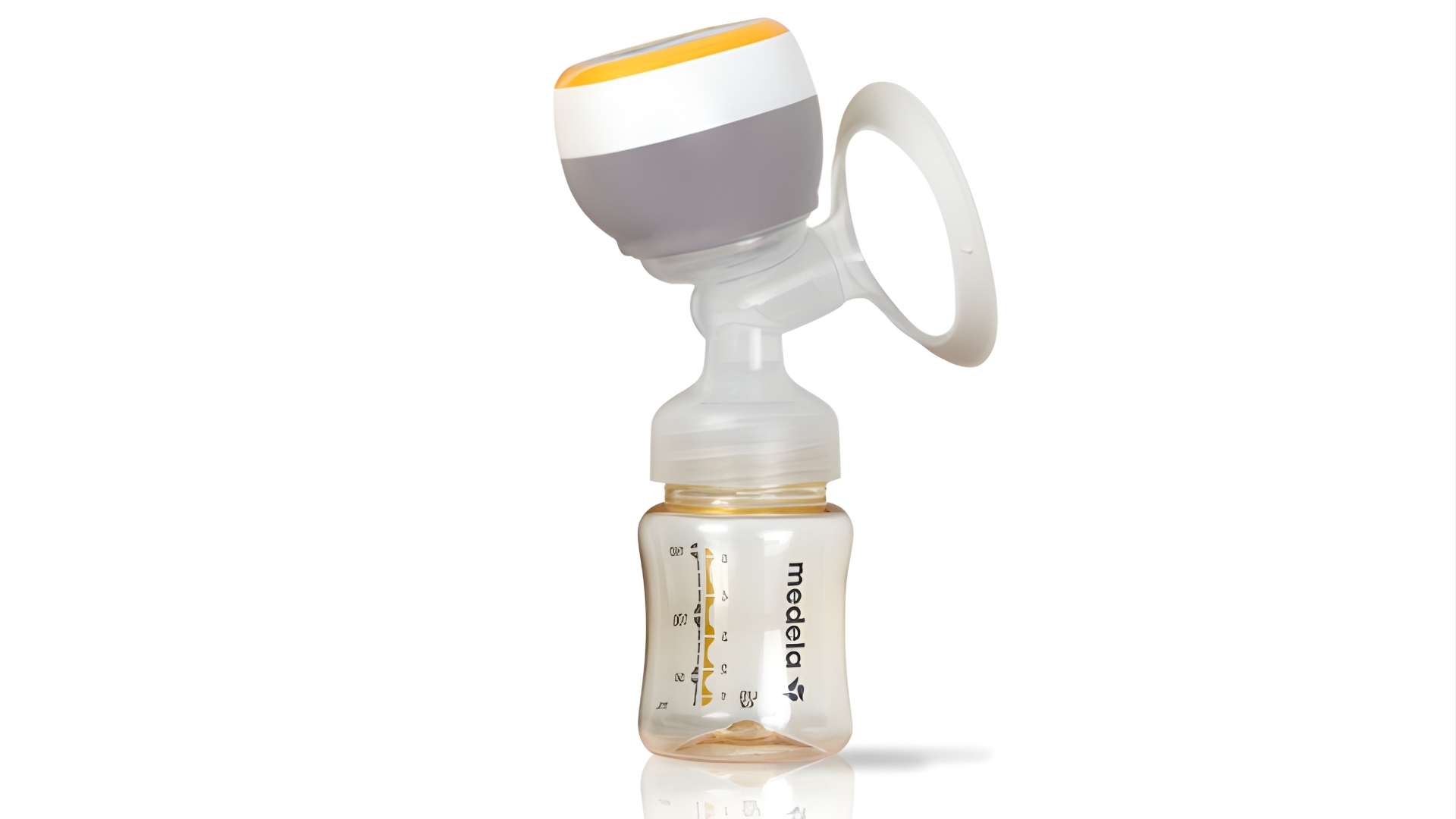
Medela Easy Single Electric Breast Pump | Medela
Medela is often used as a reference point because of how stable its performance feels across sessions. Compared to Ameda, Hygeia, and Freemie, it sits on the stronger side when it comes to suction consistency and output reliability.
Suction and Session Performance
Medela’s suction pattern is designed for repeat use, which shows up in:
- Consistent output across multiple sessions
- Minimal drop in performance over time
- Reliable response even during longer pumping durations
This makes it a stronger option for those who depend heavily on pumping.
Typical Models and Setup
Common Medela models include:
- Pump In Style: A widely used everyday pump
- Sonata: A more advanced option with hospital-grade feel
Setup is straightforward, but the system is not designed for movement. Most sessions are done in a fixed position.
Where Medela Works Best
Medela is a strong fit when:
- Pumping is your primary feeding method
- You follow a structured schedule
- You want predictable, repeatable results
- Easy access to parts and support matters
Where Medela Falls Short
- Less portable compared to Ameda
- Louder than Hygeia in quieter environments
- Not suited for multitasking like Freemie
Medela stands out for consistency and reliability. It may not offer the same flexibility as Freemie or the quiet operation of Hygeia, but it remains one of the strongest choices for regular, full-session pumping.
Ameda: Lightweight, Portable, and Built for Everyday Use
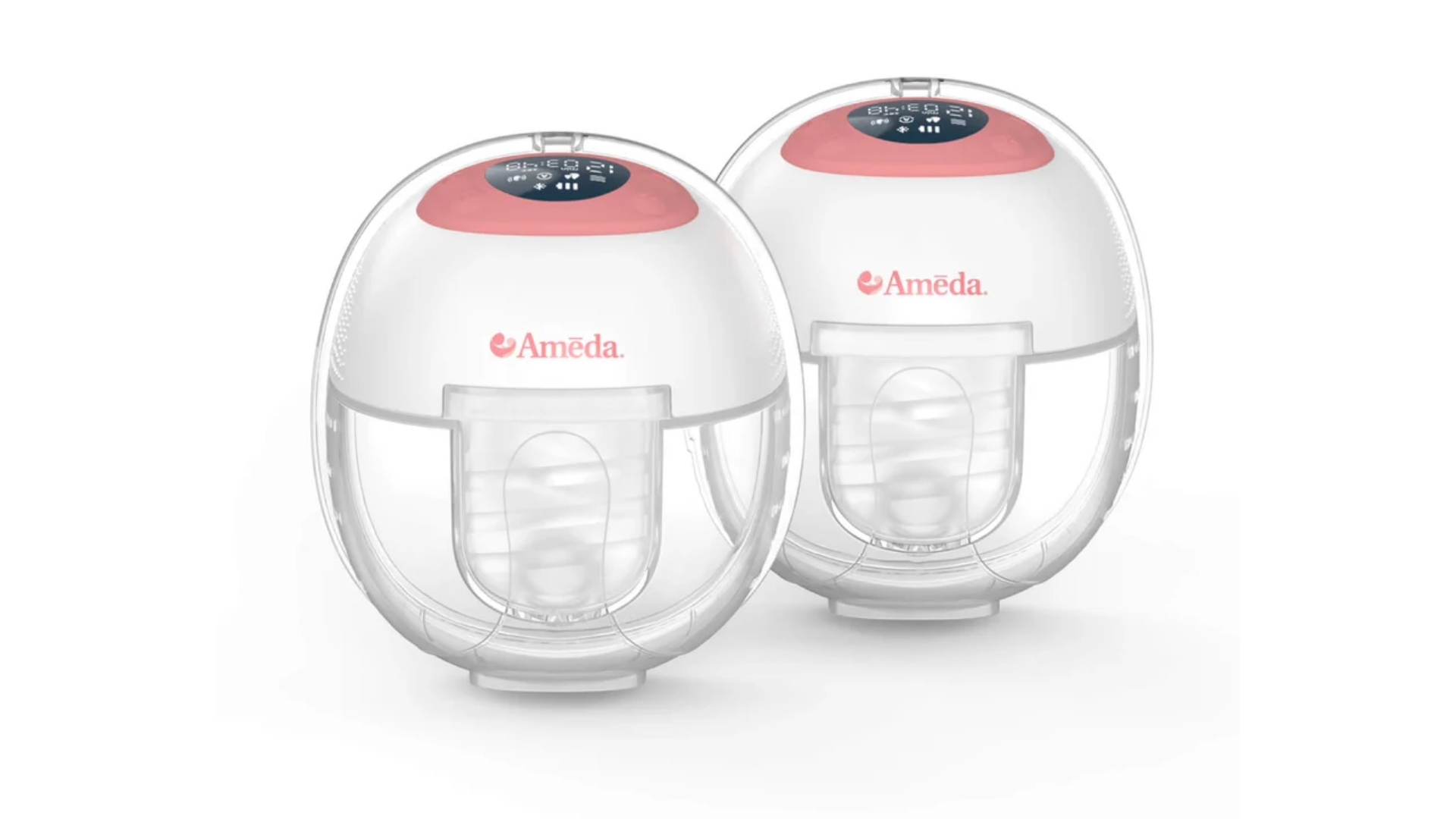
Glo Wearable Breast Pump | Hands Free Breast Pump | Ameda
Ameda positions itself as a more compact and practical alternative to Medela and Hygeia. Compared to the others, it leans toward portability and simplicity rather than maximum suction strength or advanced design.
Suction and Session Performance
Ameda delivers moderate to strong suction, but with a slightly lighter feel compared to Medela and Hygeia.
- Works well for regular pumping schedules
- May feel less effective during longer or more frequent sessions
- Consistent enough for daily use without being overly intense
This makes it suitable for users who do not need maximum suction strength.
Typical Models and Setup
Common Ameda models include:
- Mya Joy: Compact and highly portable
- Platinum: A more traditional, stronger pump
Ameda stands out for its smaller size and easier portability, especially compared to bulkier setups.
Where Ameda Works Best
Ameda is a strong fit when:
- You need a portable, lightweight pump
- Your sessions are moderate in length and frequency
- You prefer a simpler system with fewer adjustments
- You want a budget-conscious option
Where Ameda Falls Short
- Less powerful than Medela and Hygeia for long sessions
- Not hands-free like Freemie
- Fewer advanced features or customization options
Ameda offers a balance between portability and performance. It may not match Medela or Hygeia in strength, but it provides a more compact and manageable option for everyday pumping.
Must Read: Best Nipple Care Creams for Breastfeeding Moms
Hygeia: Strong Performance with Quieter Operation
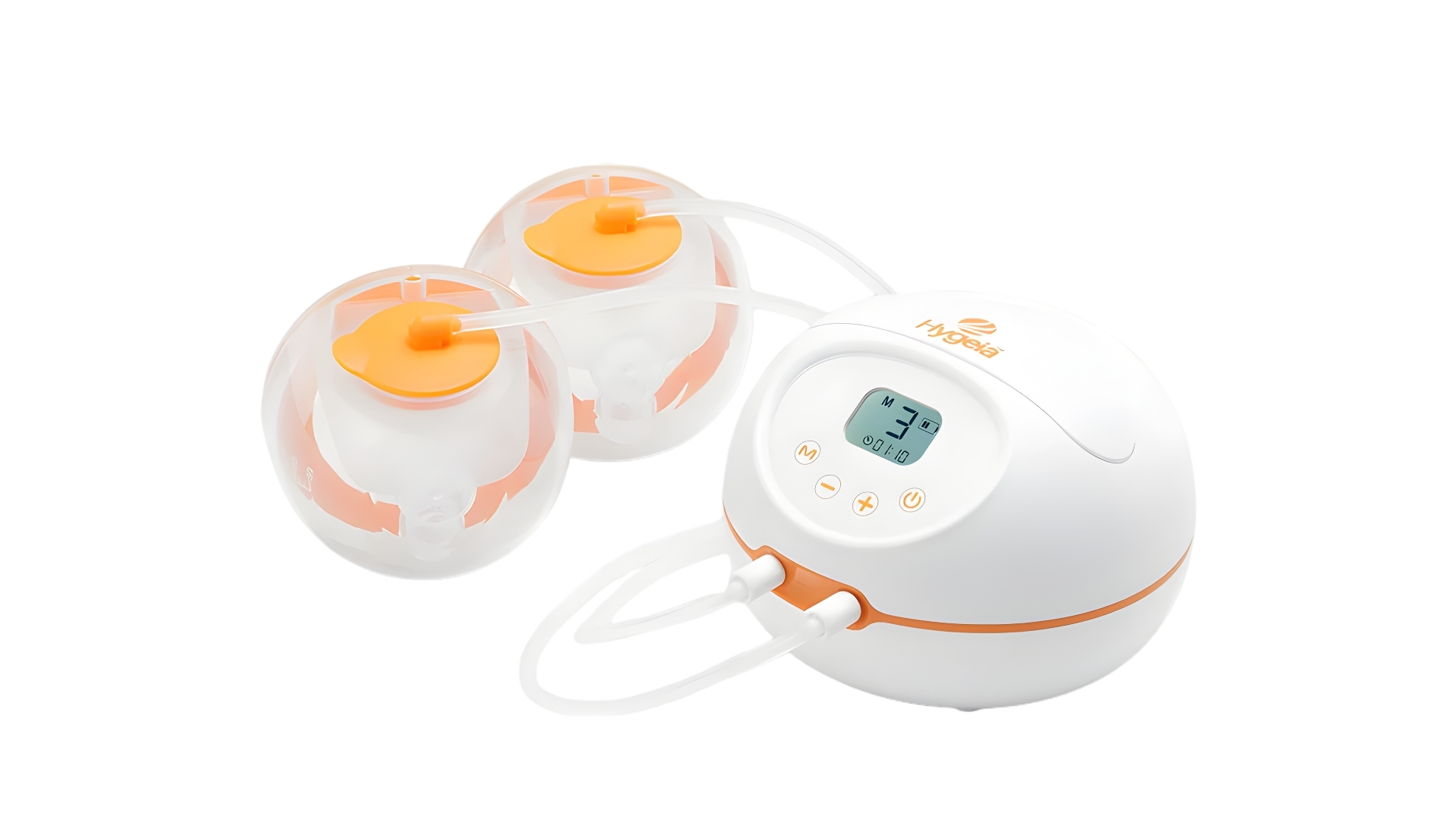
Hygeia Express Hospital-Grade Wearable Breast Pump With PAS – Hygeia Health
Hygeia sits closest to Medela in terms of suction strength but differentiates itself through quieter operation and smoother motor cycles. Compared to Ameda and Freemie, it leans more toward performance than portability or flexibility.
Suction and Session Performance
Hygeia is designed for repeated use, which shows up in:
- Strong suction comparable to Medela
- Smooth, steady pumping cycles
- Reliable performance across multiple daily sessions
It handles longer sessions well without noticeable drops in output.
Typical Models and Setup
Common Hygeia models include:
- Enjoye: Designed for frequent, everyday use
- Hygeia Q: A quieter, more refined version
The setup is similar to traditional pumps, with a focus on stability rather than movement.
Where Hygeia Works Best
Hygeia is a strong fit when:
- You pump multiple times a day
- You want quieter sessions, especially in shared spaces
- You need consistent performance for longer durations
- Noise fatigue is a concern
Where Hygeia Falls Short
- Less portable than Ameda
- Not designed for movement like Freemie
- Less widely available in retail compared to Medela
Hygeia stands out for combining strong suction with quieter operation. It is a solid alternative to Medela for users who want similar performance with less noise during frequent pumping sessions.
Also Read: How to Survive Postpartum Life
Freemie: Built for Mobility, Not Maximum Output
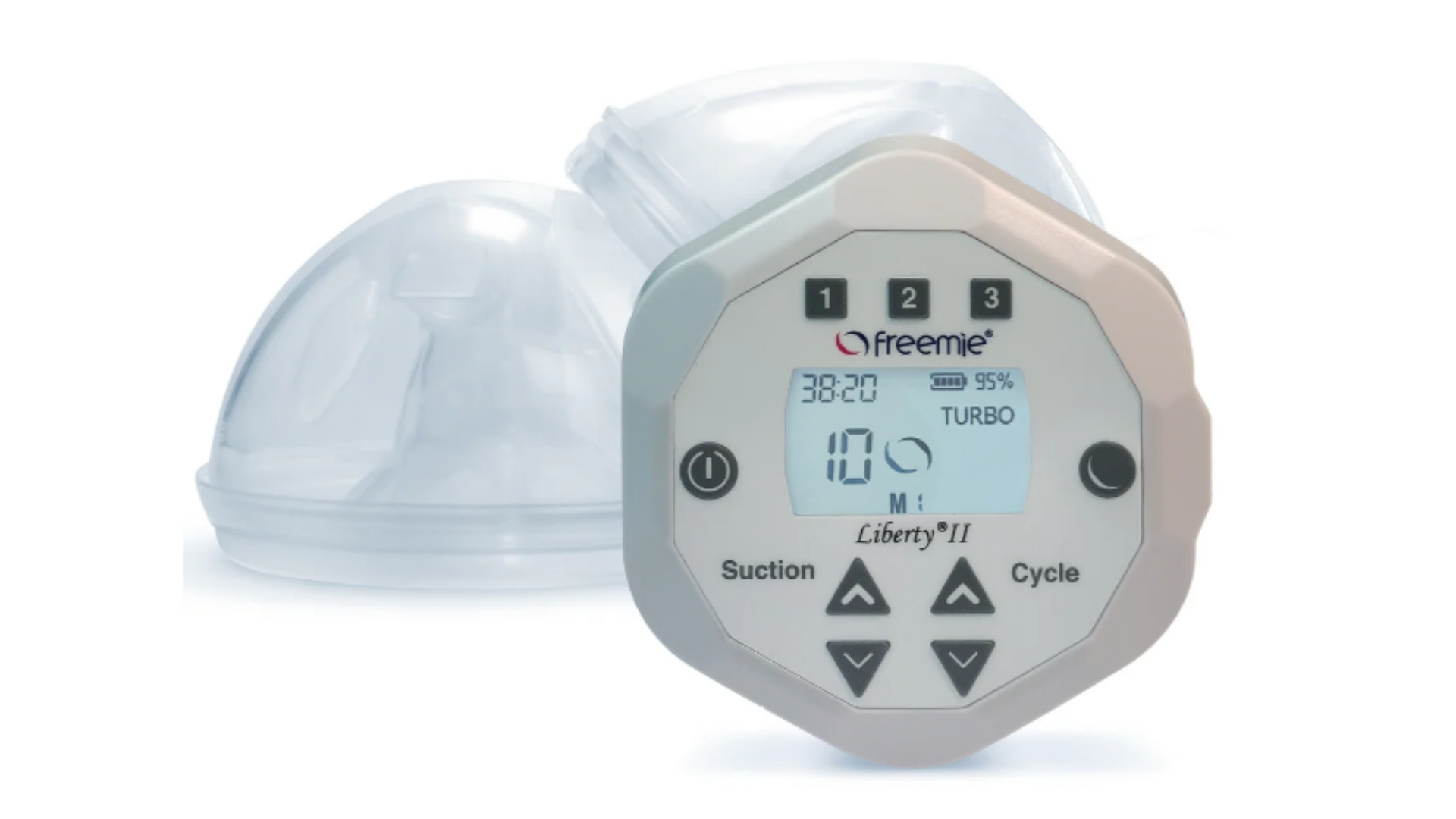
Liberty II Deluxe Breast Pump System – Freemie
Freemie takes a different approach compared to Medela, Ameda, and Hygeia. Instead of focusing on suction strength alone, it is designed around how pumping fits into your day, especially when you need to move, work, or multitask.
Suction and Session Performance
Freemie delivers moderate suction, but performance depends more on positioning.
- Output can vary if alignment shifts during movement
- Works well for shorter or flexible sessions
- Less consistent for long, uninterrupted pumping
It is not designed to replace high-performance pumps for every use case.
Typical Models and Setup
Common Freemie models include:
- Freemie Liberty
- Freemie Independence
These use wearable collection cups that sit inside a bra, connected to a small motor unit.
Where Freemie Works Best
Freemie is a strong fit when:
- You need to pump while working or moving
- You want a more discreet setup
- You are managing multiple responsibilities during the day
- You are using it alongside a primary pump
Where Freemie Falls Short
- Lower suction compared to Medela and Hygeia
- Less consistent output for exclusive pumping
- Requires careful positioning for best results
Freemie stands out for mobility and flexibility. It is not a performance-first pump, but it plays a valuable role when convenience and movement matter more than maximum output.
Read Next: How to Get Free Enfamil Formula for Premature Babies
Getting an Insurance-Covered Breast Pump
Once you have a clearer idea of which type of pump fits your routine, the next step is checking what your insurance plan actually includes.
Most plans in the United States cover a standard double electric breast pump, but the specific brands and models vary. In many cases, options like Medela or Ameda are more commonly available, while others may depend on the supplier or require an upgrade.
Instead of comparing every model manually, it helps to confirm your eligible options first.
Here’s what typically impacts your selection:
- Available brands: Your plan may limit which pumps you can choose from
- Timing: Some plans allow ordering during pregnancy, others after delivery
- Prescription requirements: Certain providers require one before approval
- Replacement parts: Some plans also include valves, membranes, or tubing over time, which can be especially helpful for frequent pumping.
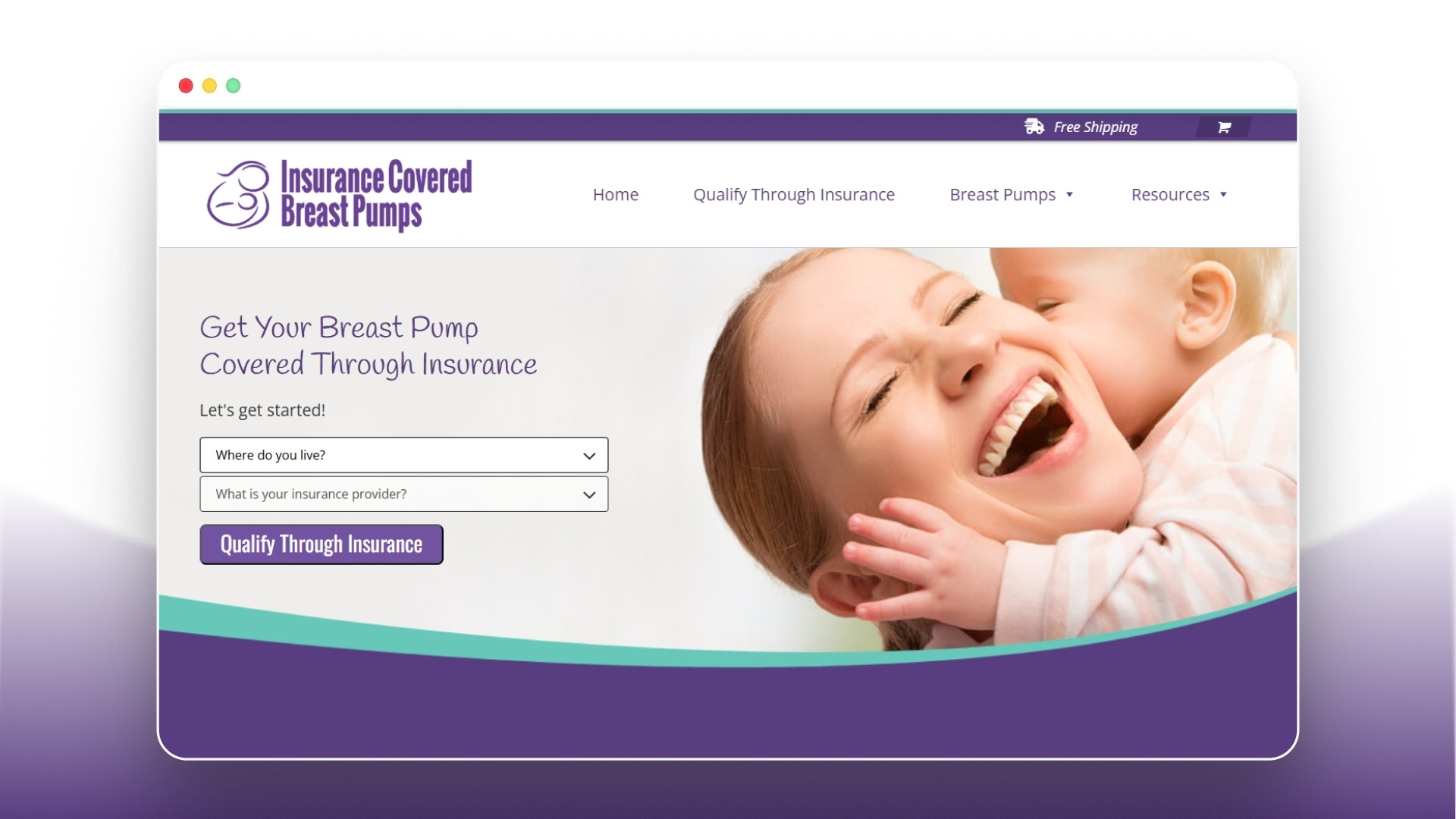
Rather than navigating multiple providers, Insurance Covered Breast Pumps simplifies the process. You can check your eligibility, see which pumps are available under your plan, and understand your options without guesswork.
Starting here makes the decision more practical. You are choosing from what is actually accessible to you, not just what looks best on paper. Taking a few minutes to check your coverage can remove last-minute stress and help you focus on choosing the pump that supports your daily routine.
Final Thoughts
The right pump depends on how you plan to use it.
Some setups require consistent output across multiple sessions. Others need flexibility, portability, or the ability to move throughout the day. Each of these pumps fits a different type of routine, which is why the decision becomes clearer once you know what matters most in your daily use.
Before finalizing your choice, it helps to confirm what your insurance plan actually covers. Available options can vary, and knowing this early can simplify your decision.
Insurance Covered Breast Pumps allows you to check eligibility and view covered models in one place, so you can move forward with clarity.
Contact us to get started with your coverage and find the option that works best for your setup.
FAQs
Q: Which pump is better, Medela or Ameda?
A: Many users say Medela and Ameda are similar in performance, with both delivering reliable suction. Medela often feels slightly more consistent, while Ameda is appreciated for simplicity and durability.
Q: Is Freemie strong enough for daily pumping?
A: Freemie’s wearable system is great for mobility and convenience, but some parents find its suction less powerful than traditional double electric pumps for full daily sessions.
Q: Does insurance usually cover Medela or Ameda pumps?
A: Most insurance plans cover Medela or Ameda pumps as part of maternity benefits, though exact models may vary by plan, and wearable upgrades may cost extra.
Q: What’s the difference between traditional pumps and wearable pumps?
A: Traditional pumps tend to offer stronger suction and consistent milk removal, while wearable pumps like Freemie prioritize freedom of movement and discreet wear during everyday tasks.
Q: Which is better: Medela, Ameda, Freemie, or Hygeia?
A: The best option depends on how you plan to use your pump. Medela and Hygeia are stronger for consistent sessions, Ameda is more portable, and Freemie is designed for flexibility and movement.