












Spectra vs Medela: Choosing the Breast Pump That Fits Your Routine

You are holding a newborn, running on little sleep, and suddenly every pump choice feels bigger than it should. You just want something that works with your body, your schedule, and your energy. That is why so many moms pause at Spectra vs Medela, unsure which one will make pumping feel manageable instead of stressful.
Both pumps are reliable, insurance-covered favorites, but they feel very different once you are actually using them. In this guide, we break down Spectra vs Medela in real-life terms so you can choose with clarity and confidence.
Key Takeaways
- Spectra focuses on fine-tuned control and quieter sessions, while Medela emphasizes portability, guided settings, and built-in hands-free options.
- Spectra’s adjustable cycles suit moms who like precision, whereas Medela’s pull-style suction and soft flanges appeal to those who prefer a firmer feel.
- Spectra tends to feel calmer for nighttime or shared spaces, while Medela remains practical for daytime pumping and active routines.
- Medela generally has fewer parts to wash and easier same-day replacements, while Spectra requires slightly more maintenance but offers consistent suction control.
- Both brands are widely ACA-covered, but eligibility, upgrade fees, and approved models vary by plan, making verification essential before deciding.
What Spectra and Medela Have in Common

When you step back from brand names and model lists, Spectra and Medela share several core technologies that shape how pumping feels, how milk flows, and how safe daily use is for your baby.
Shared features that shape the pumping experience across both brands
- Two-Phase Pumping System: Fast stimulation triggers let-down, then slower expression applies a deeper vacuum once milk is flowing, closely following infant nursing physiology.
- Closed System Protection: Backflow barriers prevent milk and moisture from entering tubing or motors, reducing mold risk and keeping expressed milk hygienically isolated.
- Hospital-Strength Suction Range: Home pumps from both brands reach suction levels comparable to clinical equipment, supporting supply establishment and frequent daily pumping.
- Adjustable Pump Controls: Multiple vacuum levels allow you to fine-tune comfort and output, whether pumping one breast or both at the same time.
- Fit-Focused Pump Parts: Multiple breast shield sizes support proper nipple alignment, which directly affects comfort, emptying efficiency, and long-term nipple health.
Both brands focus on reliable milk expression, safety, and flexibility, giving moms a strong foundation before personal preferences and insurance coverage come into play.
Spectra vs Medela: Key Differences at a Glance
Both brands cover a wide range of pumping needs, but they are built around very different engineering priorities. This table focuses on the technical differences that affect comfort, control, and daily use.
How Spectra and Medela differ in pump design and performance
| Category | Spectra Breast Pumps | Medela Breast Pumps |
| Core Pump Design | Stationary base pumps (S1, S2, Synergy Gold) with external motor and tubing | Mix of classic base pumps (Pump In Style) and in-bra wearable systems (Freestyle Hands-Free, Duo Hands-Free) |
| Suction Control | Independent adjustment of cycle speed and vacuum strength on most electric models | Fixed cycle patterns with adjustable vacuum only, based on 2-Phase Expression™ timing |
| Maximum Suction Range | Home pumps commonly reach up to 270 mmHg, comparable to hospital-performance standards | Home pumps tuned for comfort and efficiency rather than maximum vacuum output |
| Noise Output | Low-frequency vibration sound, designed to remain quiet during long or nighttime sessions | Audible motor and rhythmic pulling sound, more noticeable in quiet rooms |
| Power Configuration | Built-in rechargeable batteries on S1, 9 Plus, and Synergy Gold Portable models | External battery packs or rechargeable wearable units, depending onthe model |
| Weight and Stability | Heavier base units (around 3 lbs) are designed to stay stable on tables or carts | Lighter pump bodies (around 1–1.2 lbs) are designed for easier transport |
| Hands-Free Capability | Requires separate hands-free collection cups or wearable accessories | Native hands-free options are built into the Freestyle Hands-Free and Duo Hands-Free models |
| Primary Use Focus | Long, frequent pumping sessions with fine-tuned control | Flexible pumping styles, including wearable and occasional pumping |
Spectra emphasizes precision control and stability for frequent pumping, while Medela prioritizes portability and integrated hands-free options. Neither approach is better across the board, but they serve different daily routines very clearly.
Trying to balance feeds, naps, and pumping without burning out? Get a realistic rhythm that fits early motherhood in Breastfeeding and Pumping Schedule for New Moms
How Spectra and Medela Feel During Real Pumping Sessions

The way a pump feels is shaped by suction rhythm, flange contact, sound, and how much mental effort a session takes. These details matter when you pump multiple times a day.
What moms typically notice during full pumping sessions with each brand
- Suction Rhythm Control: Spectra allows separate adjustment of cycle speed and vacuum, letting you dial in a rhythm your body responds to instead of following preset timing.
- Motor Sensation at the Breast: Medela’s MaxFlow motor adds subtle micro-vibrations to suction, creating a firmer pull sensation many moms describe as more assertive.
- Flange Contact Comfort: Medela’s PersonalFit Flex flanges use soft, flexible rims that contour to breast tissue, while Spectra’s standard hard flanges feel more rigid against the skin.
- Nighttime Pumping Experience: Spectra sessions feel calmer in low light thanks to a built-in nightlight and visible timer, reducing the need to track time mentally.
- Mental Load During Sessions: Medela’s preprogrammed cycles reduce decision-making mid-session, while Spectra requires more adjustment but offers finer comfort control.
Both pumps express milk effectively, but the experience feels different. Spectra suits moms who want precise control, while Medela works well for those who prefer a guided, simpler session.
Noise Levels: Pumping Around Sleeping Babies or at Work
Noise can shape how relaxed you feel during a session, especially when pumping in quiet rooms, shared offices, or late at night. While sound differences exist, the impact often comes down to how noticeable the motor feels during real-life routines rather than raw volume numbers.
What to keep in mind when noise sensitivity is part of your routine
- Motor Tone During Use: Spectra creates a softer vibration-style sound, while Medela produces a more rhythmic pull sound that can feel more present in silent spaces.
- Consistency Across Sessions: Spectra’s sound profile stays steady even at higher suction levels, whereas Medela’s volume can fluctuate slightly as vacuum strength increases.
- Environmental Awareness: In shared rooms, background noise like fans or white noise tends to mask both pumps, reducing the practical difference between them.
- Wearable Accessories Impact: Using in-bra collection cups often dampens perceived motor sound because fabric layers absorb vibration and reduce external noise.
- Personal Sensitivity Matters: Moms who are highly noise-aware may lean toward quieter vibration motors, while others find the difference minimal once routine pumping begins.
Neither pump is disruptive in most everyday settings, and comfort with the sound often comes down to personal sensitivity rather than strict decibel differences.
How to Choose Between Spectra and Medela Based on Your Routine

Choosing between Spectra and Medela comes down to how you pump day to day. Think about where you pump most often, how much control you want during sessions, and what helps your body relax and let milk flow.
Choose Spectra if:
- You pump frequently and want to fine-tune cycle speed and suction strength separately for comfort and consistent output.
- You pump at night or around sleeping babies and need a very quiet motor with a built-in light and timer.
- You respond better to smooth, vibration-based suction that feels gentle during longer sessions.
- You plan to pump mostly in one place and value stability over lightweight portability.
- Your insurance plan fully covers models like the Spectra S2 or S1.
Choose Medela if:
- You want a lighter pump that is easier to carry between rooms, work, or appointments.
- You prefer a stronger pull-style suction that feels closer to a baby’s latch.
- You like preprogrammed settings that reduce the need to adjust controls mid-session.
- You want soft, flexible flange rims that contour to breast tissue.
- Your insurance favors Medela models such as Pump In Style with little or no upgrade cost.
The best pump is the one that fits into your real routine and feels comfortable enough to use consistently, even on long or tiring days.
Whether you are planning ahead or responding to a sudden change, understanding the why can make pumping feel more intentional. Learn what often leads moms to start and sustain pumping in Common Reasons To Start Breast Pumping and Keep Your Supply Up
What Other Moms Say About Spectra and Medela
Reading about other moms’ experiences helps set realistic expectations for daily pumping. These quotes reflect unfiltered feedback shared during real postpartum routines.
Many parents have shared firsthand experiences using Spectra and Medela pumps:
1. Spectra Review
“I love the Spectra S1! It does a great job emptying me out, and I love that it’s rechargeable. I bring it all over the house, and the battery holds a charge really well. I would absolutely repurchase it.”
2. Medela Review
“I used the electric breast pump after having my daughter in the hospital and was so impressed. It helped build my confidence in breastfeeding and increase my milk volume. I would recommend buying it again for my next baby.”
Hearing real voices from other moms can make this decision feel less overwhelming and more grounded in everyday use.
Insurance Coverage for Spectra vs Medela
Understanding insurance coverage can feel overwhelming, especially when you are already preparing for a new baby. The good news is that both Spectra and Medela are widely covered under ACA-compliant plans, with a few practical differences that matter day to day.
Insurance coverage for Spectra and Medela typically works in the following ways:
- Fully Covered Core Models: Spectra S2 Plus and Medela Pump In Style Pro are commonly covered at 100 percent through most ACA insurance plans.
- Upgrade Options: Spectra S1 Plus and Synergy Gold may require a small upgrade fee due to rechargeable batteries or dual-motor technology.
- Prescription Requirement: Both brands require a valid prescription from your OB-GYN or midwife, which insurance-approved suppliers usually help obtain.
- Replacement Eligibility: Most insurance plans allow one new pump per pregnancy, even if you previously received a Spectra or Medela.
- Accessory Coverage Limits: Milk storage bags and extra collection kits are not always covered and may vary by individual insurance plan.
Insurance often determines which Spectra or Medela model you can receive at no cost. Verifying coverage early helps avoid surprises and keeps your focus on preparing for your baby, not paperwork.
How Insurance Covered Breast Pumps Helps You Choose With Confidence
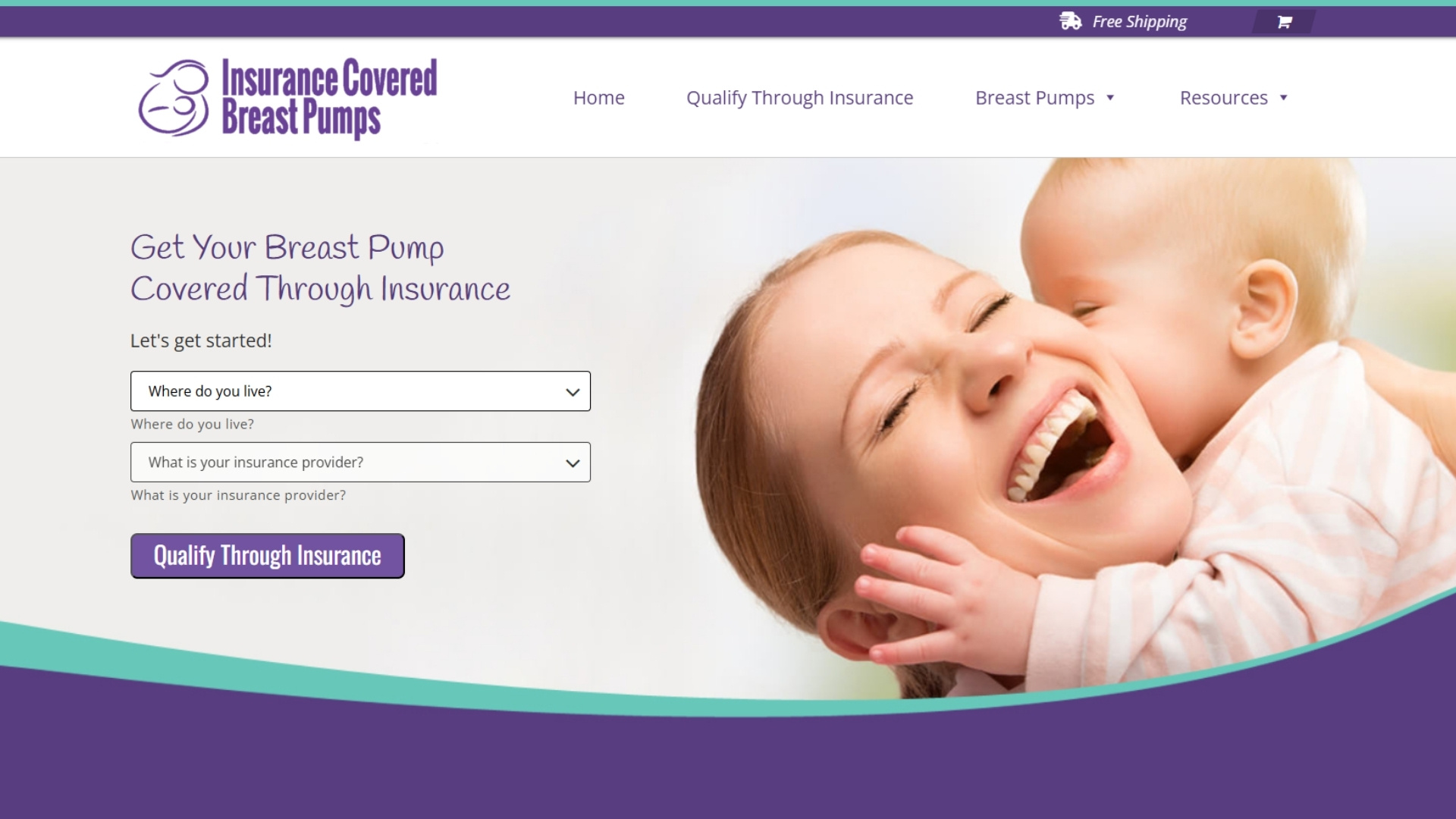
Choosing between Spectra and Medela feels easier when someone handles the insurance details for you. Insurance Covered Breast Pumps focuses on removing friction so you can choose based on your body, routine, and comfort, not paperwork.
Support provided during the pump selection and approval process includes:
- Insurance Verification: Confirms your specific plan benefits upfront, including which Spectra or Medela models qualify for full coverage or require upgrades.
- Prescription Coordination: Obtains and submits the required prescription directly with your OB-GYN or midwife to prevent delays or denials.
- Model Matching Guidance: Recommends Spectra or Medela models based on pumping frequency, portability needs, and insurance eligibility, not generic popularity.
- Claims Management: Files and tracks insurance claims on your behalf so you never need to call your provider or interpret billing codes.
- Fast, Free Shipping: Ships your approved breast pump directly to your home once coverage clears, often within one business day.
Insurance Covered Breast Pumps lets you focus on preparing for your baby, not navigating insurance rules. You choose confidently, knowing the pump fits both your life and your coverage.
Final Thoughts
Choosing between these two pumps is really about trust in your day-to-day rhythm. When pumping feels supported rather than frustrating, it becomes one less thing to worry about during a season that already asks a lot of you. Feeling comfortable and confident with your setup makes a quiet but meaningful difference.
There is no single right answer, only the right fit for where you are right now. With clear information and insurance support in place, you can move forward knowing your choice is practical, supported, and aligned with your routine.
FAQs
- When comparing Medela Freestyle vs Spectra S9, which one works better for short pumping windows?
The Medela Freestyle is often preferred for quick sessions because its suction pattern ramps up faster, while the Spectra S9 shines when you have time to settle into a steady rhythm.
- Between Spectra S1 vs Medela Freestyle, which is easier to rely on as a primary pump at home?
The Spectra S1 is more commonly used as a primary home pump due to its stronger motor and deeper customization, while the Medela Freestyle works better as a secondary or mobility-focused option.
- Do breast pumps Medela vs Spectra feel different for moms with sensitive nipples?
Yes. Many moms report Spectra’s vibration-style suction feels gentler over longer sessions, while Medela’s pull-style suction can feel stronger upfront, especially during letdown.
- If you are deciding between a Medela or Spectra breast pump, which brand is easier to adjust as your supply changes?
Spectra pumps allow independent control of cycle speed and suction, making them easier to adapt when your body responds differently week to week.
- For insurance-covered options, how do Spectra S2 or Medela Pump In Style usually compare?
Both are frequently covered under insurance, but the Spectra S2 is more often approved as a standard option, while the Medela Pump In Style may vary by plan.