












Why Is My Breast Pump Not Suctioning? Causes and Simple Solutions That Actually Help

If you’ve ever sat there pumping and thought, “Why is my breast pump not suctioning as it used to?”, you’re not alone. The session feels longer, output looks lower, and the pump just doesn’t feel as effective.
It can be frustrating, especially when you’re already doing your best to stay consistent. In fact, about 85% of breastfeeding parents express breast milk at some point during the first year after birth, which highlights just how common pumping has become in modern feeding routines. In many cases, suction problems have simple, fixable causes.
This guide walks through the most common reasons breast pumps lose suction and what you can do to fix it quickly.
Quick Summary
- The most common cause is worn-out parts (especially valves and membranes).
If your pump suddenly feels weaker, it’s usually due to maintenance or setup issues, not something you’re doing wrong. - Old pump parts (like valves, membranes, and tubing) quietly lose effectiveness and often need replacing sooner than expected.
- The wrong flange size can limit milk flow and make suction feel ineffective, even with a good pump.
- Pumping should feel firm but comfortable; pain or discomfort can interfere with letdown and reduce output.
- When all parts are new, and suction is still weak, the issue may be the pump motor wearing down over time.
- Many families can access insurance-covered pump replacements or upgrades through ICBP.
Do Breast Pumps Lose Suction Over Time?
Breast pumps can lose suction over time, especially when they’re used frequently. While it can feel alarming when your pump doesn’t work the way it once did, this is actually very common and often related to normal wear and tear rather than anything you’ve done wrong.
Several factors contribute to reduced suction as pumps age:
- Pump parts wear out gradually: Valves, membranes, tubing, and backflow protectors are designed to be replaced regularly.
- Motors weaken with heavy use: Frequent daily pumping can slowly reduce a motor’s strength over months of use.
- Small air leaks develop over time: Even tiny cracks or loose connections can reduce vacuum effectiveness.
- Build-up from milk residue can affect performance: Residue in connectors or parts can interfere with proper sealing.
- Changes in your body can affect how suction feels: Your comfort level and sensitivity can change over time, making suction feel different.
Many suction issues can be resolved with simple maintenance, like replacing parts or adjusting your setup, before needing to replace the pump itself.
Using the right pump can make milk handling easier and safer. Insurance Covered Breast Pumps (ICBP) helps you get a medical-grade, insurance-covered pump delivered straight to your home, so your milk stays safe from the start.
Common Reasons Your Breast Pump Isn’t Suctioning Well

When your pump suddenly feels weaker, it’s easy to assume something is wrong with the machine. But in many cases, suction issues are caused by small, fixable problems rather than the pump itself. Understanding what’s behind the change can help you troubleshoot more confidently and restore effective pumping.
1. Worn-Out Valves or Membranes
This is the most common reason pumps lose suction. Valves and membranes are made from soft silicone that naturally stretches and weakens over time. Even when they look “fine,” they may no longer create a strong seal.
If your output has slowly decreased or your pump feels weaker than usual, replacing these parts is often the fastest and easiest fix.
2. Pump Parts Aren’t Fully Sealed
Breast pumps rely on a tight seal to create a proper vacuum. If any part is slightly misaligned, like a flange not clicked in fully, a bottle threaded crookedly, or a backflow protector not seated correctly, suction can drop noticeably.
Taking a minute to disassemble and reassemble everything carefully can often solve the problem.
3. Moisture or Damage in Tubing
Tubing plays a critical role in maintaining airflow. When moisture builds up inside or if the tubing develops small cracks, air leaks can occur. This interrupts the vacuum your pump needs to function effectively.
If you notice condensation, stretching, or looseness in your tubing, it’s a good idea to replace it.
4. The Flange Size Isn’t the Right Fit
Flange size affects more than comfort; it directly impacts how efficiently milk is removed. If the tunnel is too large, too small, or causes friction, suction may feel weaker, and milk removal may be less effective.
Signs of poor fit include nipple rubbing, swelling, pinching, or consistently low output despite regular pumping.
5. Backflow Protectors Are Worn or Misaligned
Closed-system pumps rely on backflow protectors to prevent milk from entering the tubing. When these parts become warped, wet, or damaged, they can interfere with suction strength.
If you’ve noticed a drop in suction and use a closed-system pump, checking this component is especially important.
6. Pump Settings Aren’t Matched to Your Body
Using very high suction isn’t always better. Sometimes settings that are too strong cause discomfort and restrict letdown, while very low settings don’t provide enough stimulation.
Experimenting with different cycle speeds and suction levels can help you find the setting that feels strong but still comfortable.
7. The Pump Motor May Be Wearing Out
If you’ve replaced parts, checked the assembly, and adjusted settings, but suction still feels weak, the issue may be the pump motor itself. This is more common with pumps that have been used heavily or for multiple babies.
A pump with a worn motor may still turn on and function, but it may no longer provide the same power it once did.
If your pump isn’t suctioning well, it doesn’t mean you’re doing anything wrong; often, it’s simply a matter of identifying the small issue and making the right adjustment so your equipment can properly support you again.
Also read: Everything You Need to Know About Ameda Pumps
How Strong Should Breast Pump Suction Be?

It’s common to assume that stronger suction equals better milk output, but that isn’t always true. The most effective pump setting is one that feels strong yet comfortable, allowing milk to flow without causing pain or tension. If suction feels too intense, it can actually make it harder for your body to release milk.
Here’s what to keep in mind when finding the right suction level:
- Aim for “strong but comfortable”: You should feel a firm pulling sensation, not sharp pain or pinching.
- Discomfort can interfere with letdown: Pain or tension can cause your body to hold back milk, reducing output.
- Higher suction doesn’t always increase supply: Milk removal depends on rhythm, comfort, and relaxation, not just strength.
- Start low and increase gradually: Many pumps work best when you begin in stimulation mode, then slowly raise suction.
- Your ideal setting may change over time: Sensitivity, milk flow, and comfort can shift throughout your pumping journey.
- Numbness or blanching is a sign of lower suction: If your nipples turn white, feel numb, or become sore, the setting is likely too high.
Finding the right suction level may take some trial and error, but once you find a setting that feels effective and comfortable, pumping often becomes easier and more productive.
If discomfort continues, try lowering the setting and consider speaking with a lactation consultant through the ICBP for personalized guidance.
How To Get Good Suction With a Breast Pump
Good suction is essential for effective pumping and comfortable milk removal. When suction feels weak, inconsistent, or uncomfortable, it can affect both your output and your overall pumping experience.
Here are detailed steps you can take to improve suction and get better performance from your breast pump:
1. Choose the Right Flange Size
Your flange (breast shield) should fit your nipple comfortably and create a proper seal. If the tunnel is too small, it can cause pinching. If it’s too large, it may not create enough suction.
A good fit usually means:
- Your nipple moves freely without rubbing
- Minimal areola is pulled into the tunnel
- Pumping feels comfortable rather than painful
A better flange fit often leads to both stronger suction and better milk flow.
2. Start on Lower Suction and Increase Gradually
Jumping straight to high suction doesn’t always help. Instead, begin on a low setting and slowly increase until you find a level that feels firm but still comfortable.
Strong suction should feel effective, not painful. Pain can cause your body to tense up, which may reduce letdown and make suction feel less productive.
3. Make Sure All Parts Are Completely Dry
Even small amounts of moisture in tubing, connectors, or valves can interfere with airflow and reduce suction strength. After washing parts, allow everything to fully air dry before assembling your pump.
Dry parts help maintain the airtight seal your pump needs to work properly.
4. Replace Worn Parts Regularly
Valves, membranes, and seals naturally stretch out with frequent use. When they lose their shape, they can no longer create a strong vacuum.
If suction has gradually declined over time, replacing these small parts is often the fastest way to restore performance.
5. Assemble Your Pump Carefully
Breast pumps rely on tight seals throughout the system. A loosely attached flange, crooked bottle, or misaligned connector can let air in and weaken suction.
Take a moment to:
- Ensure all parts are fully connected
- Check that nothing feels loose
- Confirm bottles and flanges are aligned properly
Even small adjustments here can make a noticeable difference.
6. Check Tubing for Airflow Issues
Tubing should be free of kinks, bends, moisture, and cracks. Anything that interferes with airflow can reduce suction.
If tubing looks stretched, cloudy, damp inside, or doesn’t feel snug on connectors, it may be time to replace it.
7. Test the Suction Seal
If you’re unsure whether your pump is generating strong suction, try holding the flange tightly against your palm and turning the pump on. You should feel a strong pull and resistance.
If suction feels weak even with a perfect seal, the issue may be with the parts or the motor rather than your setup.
8. Use a Supportive Pumping Bra
If your flange slips, shifts, or loses its seal during pumping, suction can become inconsistent. A well-fitted pumping bra helps hold everything in place so the seal stays secure throughout the session.
This can be especially helpful for hands-free pumping and longer sessions.
Read Next: Why Does My Breast Milk Smell When Pumping? Understanding High Lipase Activity!
How Insurance Covered Breast Pumps (ICBP) Can Support Your Pumping Journey
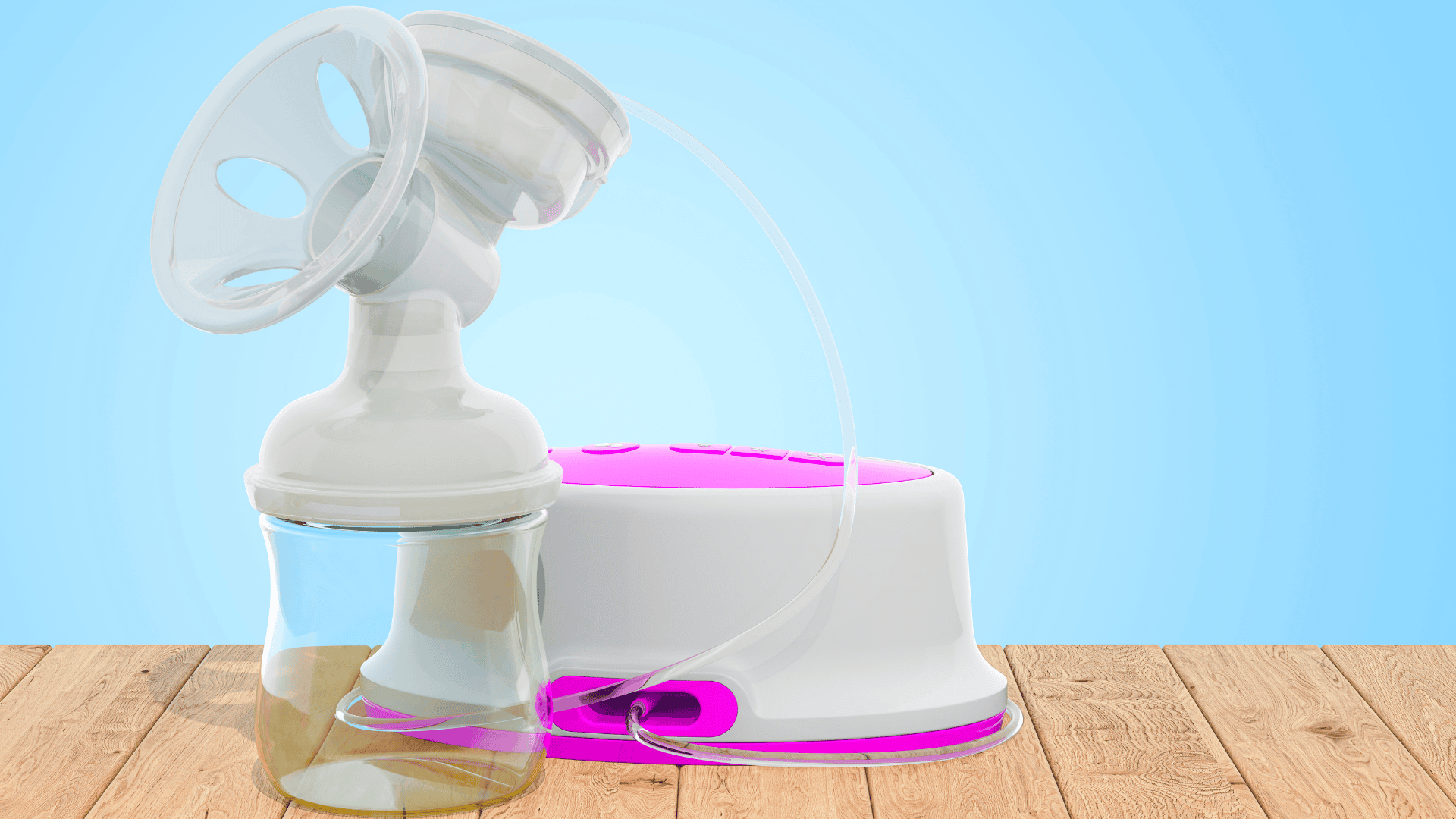
If pumping feels harder than it should, your equipment or setup might be part of the challenge. Insurance Covered Breast Pumps (ICBP) helps simplify the process by confirming your coverage, helping you access quality pump options, and connecting you with additional support when needed.
ICBP supports families by:
- Verifying your insurance coverage for breast pumps and accessories
- Helping you access high-quality pumps or upgrades if your current one isn’t working well
- Coordinating with your OB/GYN for prescriptions
- Delivering approved equipment directly to your door
- Connecting families with professional lactation consultant support, when available
Conclusion
If your breast pump isn’t suctioning like it used to, it’s usually because of small, fixable issues, such as worn-out valves, loose parts, or a flange that doesn’t fit quite right. These are very common with regular pumping and don’t mean you’re doing anything wrong. Often, replacing a few parts or checking how everything is put together can make a big difference.
If suction still feels weak after checking these common fixes, the pump motor itself may be wearing out. Many insurance plans cover new or upgraded breast pumps, and Insurance Covered Breast Pumps (ICBP) can help you check your eligibility so pumping feels easier, more comfortable, and more effective again.
Planning ahead for pumping can make things feel less overwhelming. Check your insurance eligibility today to explore breast pump options and support available to you.
FAQs
1. Why is my breast pump not suctioning like it used to?
The most common reason is worn-out parts, especially valves and membranes. Over time, these lose elasticity and reduce suction, even if they look fine.
2. How often should I replace breast pump parts?
For frequent pumping:
- Valves/membranes: every 4–8 weeks
- Tubing: when stretched, cracked, or showing moisture
- Backflow protectors: if warped, cloudy, or damaged
Replacing parts regularly helps maintain strong suction.
3. Can flange size affect suction?
Yes. A poorly fitting flange can reduce effective milk removal and make suction feel weaker. Comfort and proper fit play a big role in how well your pump performs.
4. Why does my pump feel strong sometimes and weak other times?
This can happen due to loose assembly, moisture in tubing, or changes in how well the flange is sealed against the breast during a session.
5. How can I test if my pump has good suction?
Try placing the flange firmly against your palm and turning the pump on. You should feel strong resistance. If suction feels weak even with a good seal, parts or the motor may be the issue.
6. Does higher suction always mean better milk output?
No. Suction should feel strong but comfortable. Too much suction can cause discomfort and may actually interfere with letdown.
7. When should I consider replacing my pump?
If you’ve replaced all parts, checked the assembly, and suction is still weak, the motor may be wearing out, especially with older or heavily used pumps.
8. Can insurance help me get a new pump?
Often, yes. Many insurance plans cover replacement or upgraded pumps. You can check eligibility through Insurance Covered Breast Pumps (ICBP) to explore your options.