











Breast Milk Bags: How Many to Buy So You’re Always Prepared
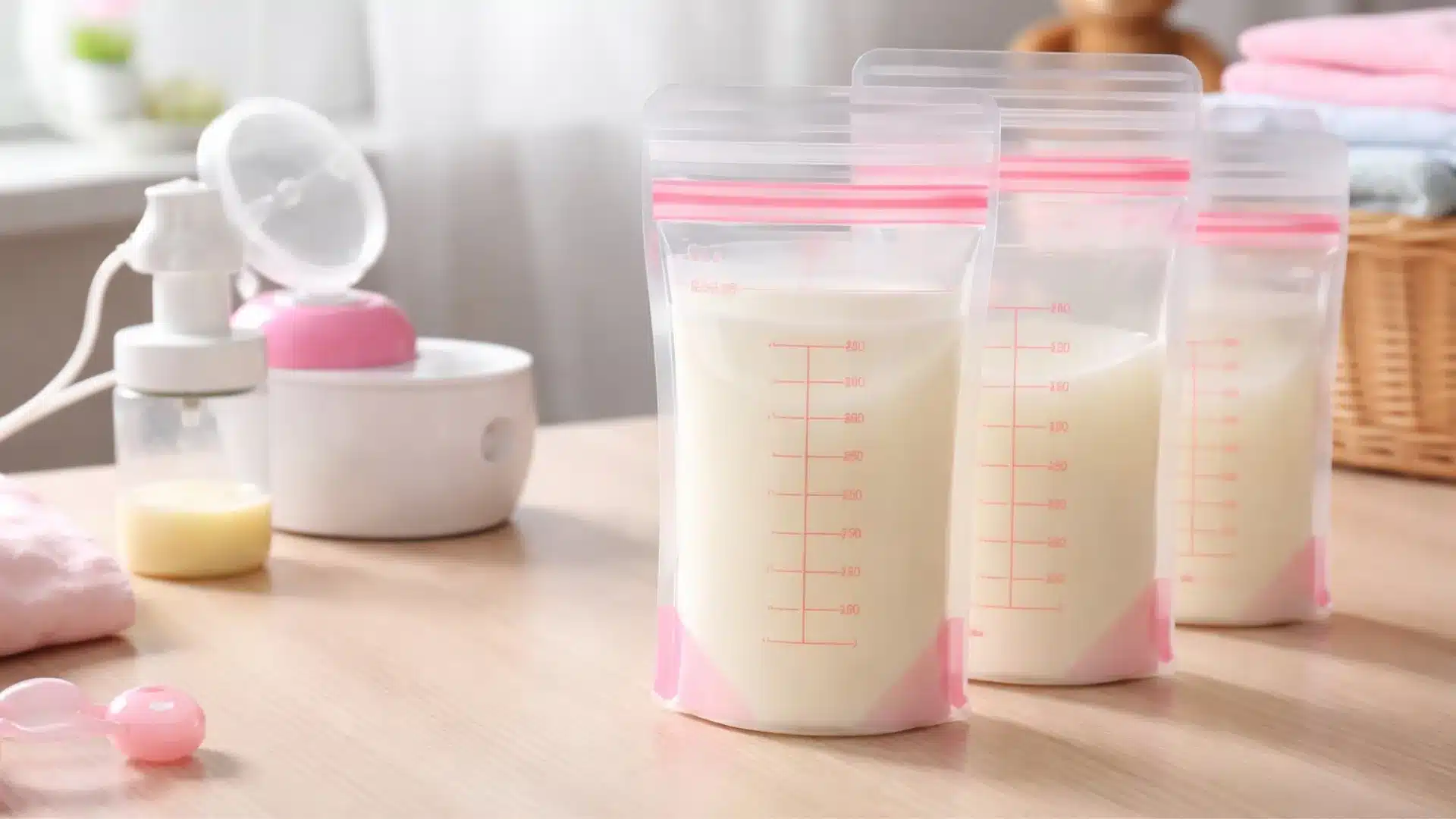
You’ve just finished a pumping session, bottle in hand, and realize you’re on your last breast milk bag. The store is closed, and your freezer stash is looking sparse. That panicked, “I’m running out” feeling is something no new mom needs on top of everything else.
Answering the question, “How many breast milk bags do I need?” is the first step toward a stress-free feeding routine. With a bit of preparation, you’ll have a dependable stash that eliminates any late-night worries.
Knowing how to store that milk is just as important as having the bags; while you can store freshly expressed breast milk in the back of a deep freezer for up to 12 months, it is best to use that frozen milk within six months for optimal quality.
This guide will walk you through a simple way to calculate your needs. We’ll cover everything from your daily output to building a freezer stash, so you can buy the right amount of bags and feel fully prepared.
Key Takeaways
- Answering “how many breast milk bags do I need” starts with calculating your daily pumping frequency and your long-term storage goals.
- Freshly expressed milk is safe at room temperature for up to 6 hours, but aiming for a 4-hour window is best, especially in warmer environments.
- You can store milk in the back of the fridge for up to 4 days. If you won’t use it by then, freeze it immediately to lock in nutrients.
- While milk stays safe in a deep freezer for up to 12 months, try to use your stash within 6 months for the best quality.
- Always follow CDC guidelines for handling and storage to ensure every bag you thaw is as healthy as possible for your baby.
Why Breast Milk Storage Bags Matter for New Moms
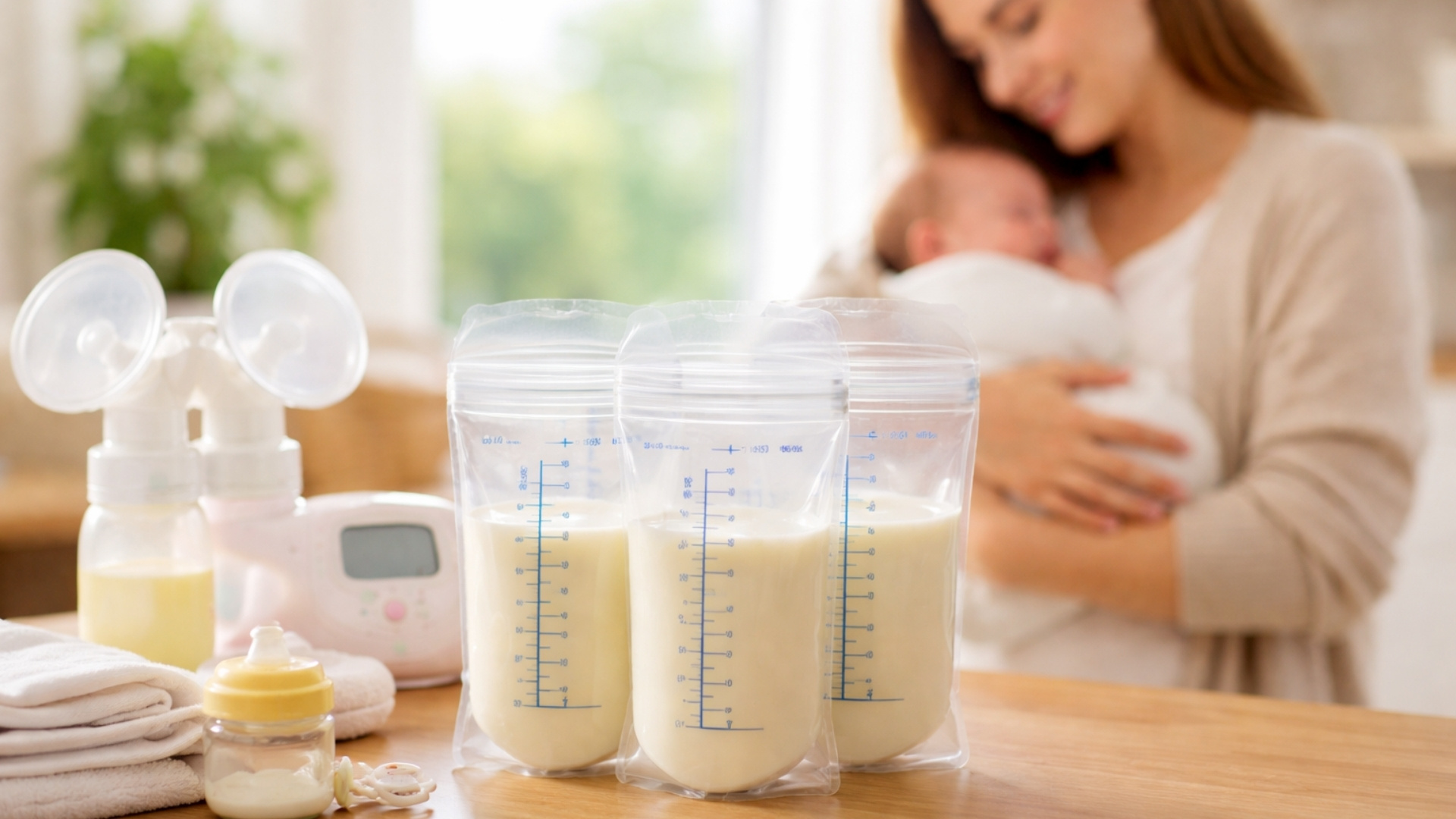
Investing in dedicated storage bags is about more than just finding a container; it is about protecting the “liquid gold” you’ve worked hard to produce. Unlike standard household plastics, these bags are specifically engineered to withstand the expansion of freezing while maintaining a complete oxygen barrier.
This specialized design ensures that the high nutritional value and antibodies in your milk remain intact from the moment you pump until the moment your baby is fed.
Using the right tools allows you to organize your supply with precision, ensuring that no milk is wasted and every ounce is accounted for:
1. Optimized Space and Organization
Breast milk bags are designed to lie flat while freezing, which allows you to stack them like “bricks” or file them in containers. This maximizes every square inch of your freezer, making it much easier to build a substantial long-term stash without overcrowding your family’s food storage.
2. Enhanced Nutrient Protection
These bags are constructed from thick, BPA-free, medical-grade materials that prevent outside odors and freezer burn from contaminating your milk. Because they provide a puncture-resistant seal, they shield the delicate vitamins and fats in the milk from degradation during long-term storage in the deep freezer.
3. Seamless Feeding Preparation
Most storage bags feature built-in measurement scales and dedicated labeling areas for dates and times, which are essential for following the “first-in, first-out” rule. This clarity allows caregivers to quickly identify which bag to thaw first, ensuring you always use the oldest milk within the recommended six-month window.
4. Leak Prevention and Hygiene
Standard bags or low-quality containers often fail under the pressure of expanding frozen liquids, leading to heartbreaking leaks during the thawing process. Dedicated breast milk bags feature reinforced side seals and double-zipper closures to provide a leak-proof experience that maintains a sterile environment for your baby’s nutrition.
Understanding your individual needs starts with looking at a few key lifestyle factors for your family.
Also Read: Pregnancy Freebies Every Mama Should Know About (and How to Get Them)
Factors That Determine Your Breast Milk Bag Needs
Your unique situation will dictate how many supplies you should keep in your kitchen cabinets. Every mother has a different pumping routine based on her work schedule and her baby’s appetite.
You should consider these specific elements when you are planning your monthly milk storage bag budget:
- Pumping Frequency: Your total daily sessions will directly impact how many bags you use each week.
- Return to Work: Planning for a full-time job requires a much larger stash than staying home.
- Freezer Space: The size of your freezer limits how many bags you can realistically store safely.
- Baby’s Intake: Growing infants will slowly require more ounces of milk during every single feeding session.
Calculating your specific requirements is the next logical step in your breastfeeding preparation and planning.
Step-by-Step Guide: How to Calculate Exactly How Many Bags You Need
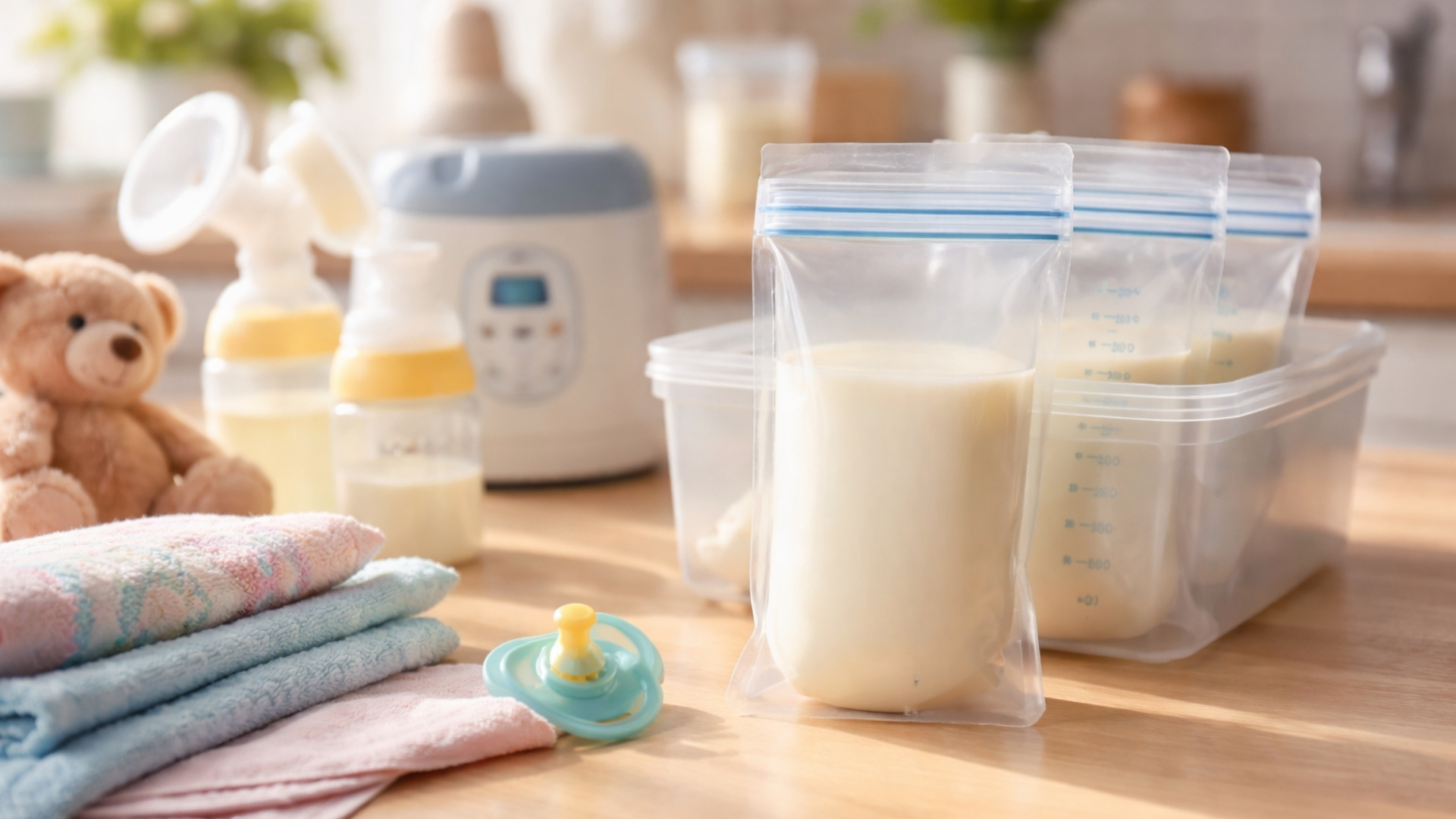
You do not have to guess your totals when you use a simple mathematical approach. Measuring your output for a few days provides the data you need for accurate monthly shopping.
Follow these simple steps to find a number that works for your specific pumping goals:
1. Track Your Average Daily Output
Measure your total milk production over three typical days to find a very reliable middle ground. This number tells you exactly how much liquid you need to store after every pumping session.
2. Define Your Total Storage Goal
Decide if you want a two-day backup or a full month of milk in your freezer. Most experts recommend starting with a one-week supply to avoid feeling overwhelmed by your storage tasks.
3. Divide Output by Bag Capacity
Most bags hold five or six ounces comfortably while leaving enough room for the milk to expand. Divide your total daily ounces by five to see how many bags you will use daily.
Knowing your daily breakdown helps you manage your time and your milk supplies much more effectively.
Get fully prepared for your breastfeeding journey. Proper storage is only half the battle; having a reliable, insurance-covered breast pump makes building your freezer stash easy. Order now.
Also Read: Spectra S2 vs S9: Choosing the Best Breast Pump
Daily Pumping Output and Session Breakdown
Your daily routine often dictates the number of bags you handle during every twenty-four-hour period. Most working mothers pump every three hours to maintain their supply while they are away from home.
Between these sessions, keep in mind that you can keep freshly expressed breast milk at room temperature for up to six hours. However, it’s best to use or store the breast milk within four hours, especially if the room is warm.
Use these benchmarks to estimate your needs based on a typical day of expressing milk for the baby:
1. Occasional Pumping Sessions
If you only pump once a day, you will likely need about thirty bags every month. This amount is perfect for building a small emergency stash or for occasional date night feedings.
2. Part-Time Work Schedule
Working three days a week usually requires about twelve to fifteen bags for your weekly storage needs. This ensures you have enough milk for the sitter while you are busy at the office.
3. Full-Time Pumping Routine
Exclusively pumping or working full-time often requires twenty to thirty bags every single week of use. This high volume means you should buy your bags in bulk to save money and time.
Projecting your needs week-by-week allows you to visualize the growth of your freezer milk stash easily.
Building a Freezer Stash: Week-by-Week Projections
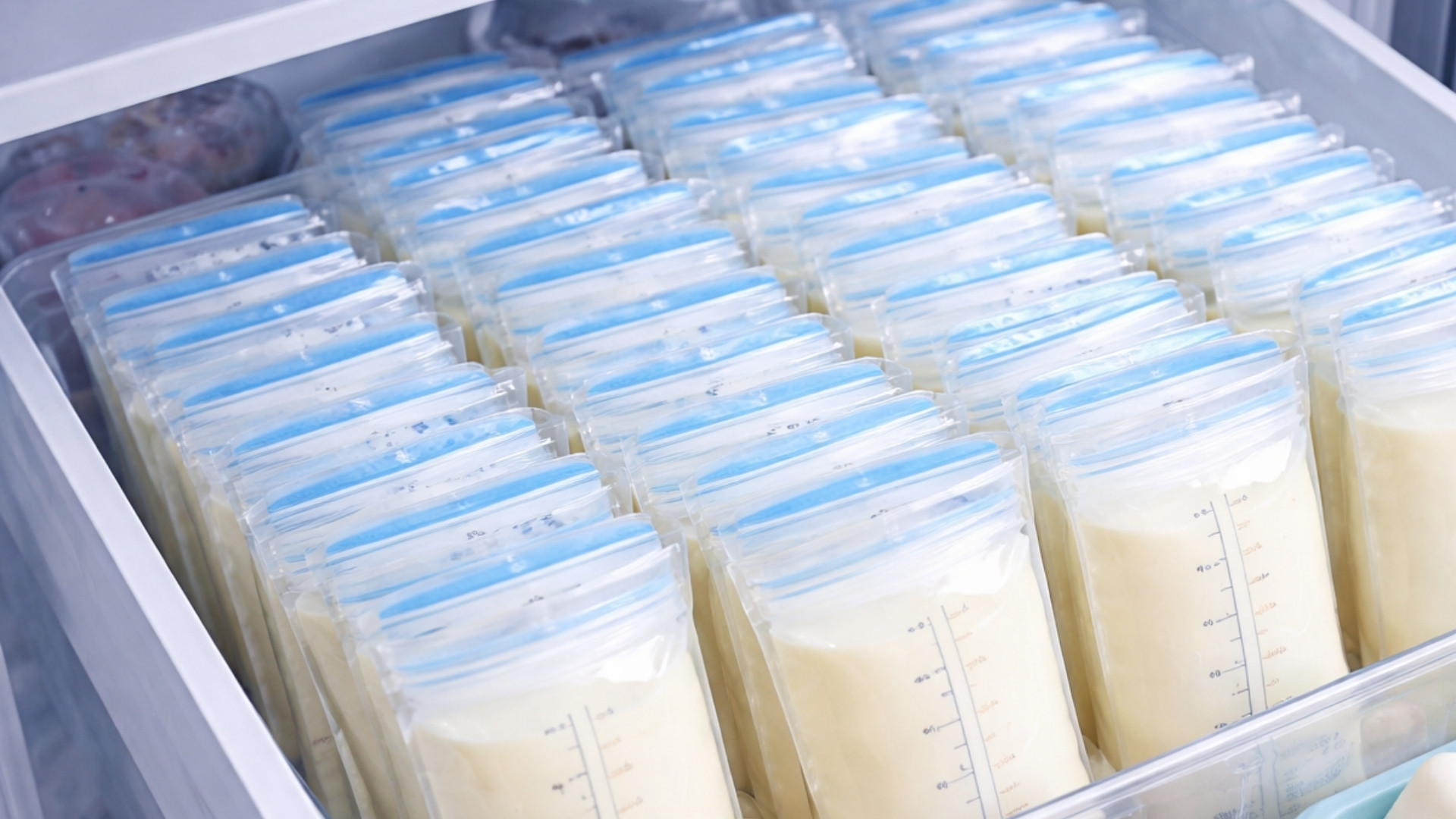
A healthy freezer stash provides peace of mind for any unexpected events or changes in your schedule. You can watch your supply grow by following a consistent plan for your daily pumping sessions. Consider these projections as you build your inventory of frozen breast milk for your growing infant:
- Week One Goal: Aim to save ten bags to create a solid foundation for your milk supply.
- Week Two Progress: You should have twenty bags stored if you are pumping at least twice daily.
- One Month Milestone: A stash of forty to fifty bags is a fantastic achievement for any mother.
- Long-Term Security: Having sixty bags or more provides a significant cushion for any nursing supply dips.
Using a quick formula can simplify this process even further for busy moms who have little time.
Formulas and Quick Calculators for Different Scenarios
Mathematics can take the guesswork out of your nursery organization and your monthly shopping list tasks. You can use these simple formulas to determine your inventory needs for any length of time.
Apply these equations to your current routine to find your ideal number of breast milk bags:
- The Daily Formula: Multiply your total daily pumping sessions by seven for your weekly bag total.
- The Monthly Formula: Take your weekly total and multiply it by four to get a monthly estimate.
- The Work Formula: Multiply bags used per workday by twenty to cover a standard working month.
- The Buffer Formula: Add ten percent to your final total to account for any spilled milk.
| Let’s say you pump three times a day on weekdays and twice on weekend days. That’s about 17 pumping sessions per week. If each session fills one bag, you’d need roughly 17 bags per week.
Monthly Estimate: 17 bags/week x 4 weeks = 68 bags per month. Add Your Buffer: 68 bags + 10% (~7 bags) = About 75 bags to order for the month. |
Following best practices for storage ensures that all your hard work does not go to waste.
Best Practices for Using and Storing Breast Milk Bags
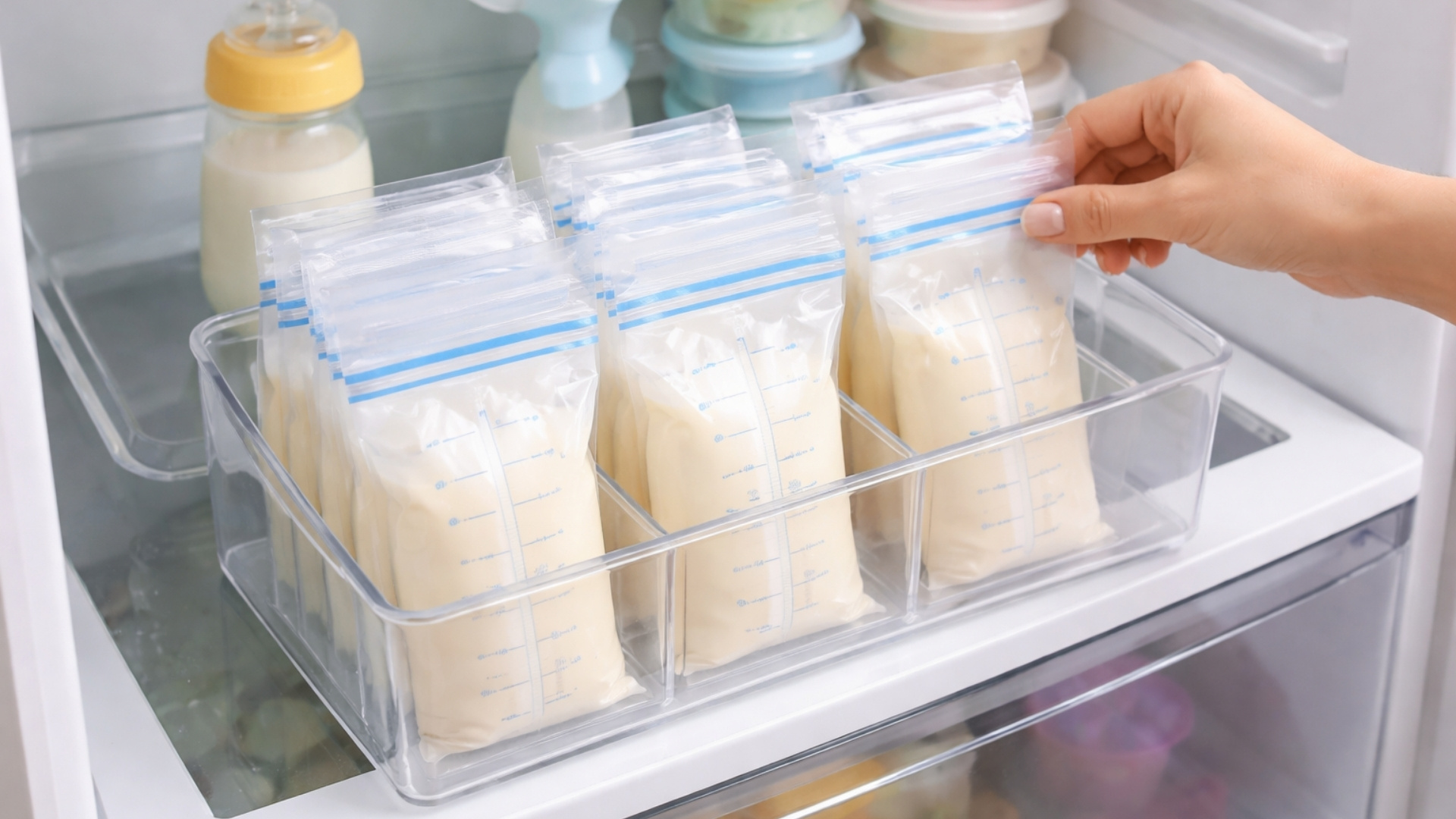
Proper handling of your milk bags prevents leaks and protects the nutritional quality of your milk. You must follow safety guidelines from the Centers for Disease Control and Prevention (CDC) to keep the baby healthy.
As part of these safety standards, you can keep freshly expressed breast milk in the back of the refrigerator for up to four days. If you don’t plan to use it within that four-day window, it is best to freeze it immediately after pumping to preserve its freshness.
Use these strategies to maximize your storage efficiency and keep your milk as fresh as possible:
1. Leave Space at the Top
Always leave about an inch of air at the top of the bag before you seal it. This space allows the milk to expand safely without bursting the plastic seams during the freezing process.
2. Lay Bags Flat to Freeze
Placing bags on a flat surface in the freezer helps them freeze in a very thin shape. These flat bags are much easier to stack and organize like files in a storage container.
3. Label Every Single Bag Clearly
Use a permanent marker to write the date and the number of ounces on every milk bag. This practice helps you follow the American Academy of Pediatrics guidelines for using the oldest milk first.
Avoiding common mistakes will help you save time and prevent the loss of your precious breast milk.
Maximize your milk supply with the right gear. Now that you know the safety rules for storage, ensure you have a high-performance pump to help build that stash. Check your insurance eligibility with Insurance Covered Breast Pumps.
Common Mistakes New Moms Make (and How to Avoid Them)
Learning from the experiences of other mothers can save you from many frustrating moments in the kitchen. Small errors in storage can lead to wasted milk or messy spills in your freezer or fridge.
Watch out for these common pitfalls as you manage your daily breast milk storage and organization:
1. Overfilling the Storage Bags
Filling a bag to the very top often leads to leaks once the milk turns into ice.
Pro Tip: Stick to the five-ounce line even if the bag says it can hold more milk.
2. Forgetting to Seal Bags Properly
An unsealed bag will spill milk all over your freezer and ruin your other stored food items.
Pro Tip: Run your fingers across the seal twice to ensure it is completely closed and airtight.
3. Thawing Milk in the Microwave
Microwaves create dangerous hot spots in the milk and can destroy the beneficial nutrients for your baby.
Pro Tip: Thaw your bags in a bowl of warm water or in the refrigerator overnight instead.
Special situations may require you to adjust your calculations to ensure you always have enough milk stored.
Special Situations: Twins, Exclusive Pumping, or Back to Work
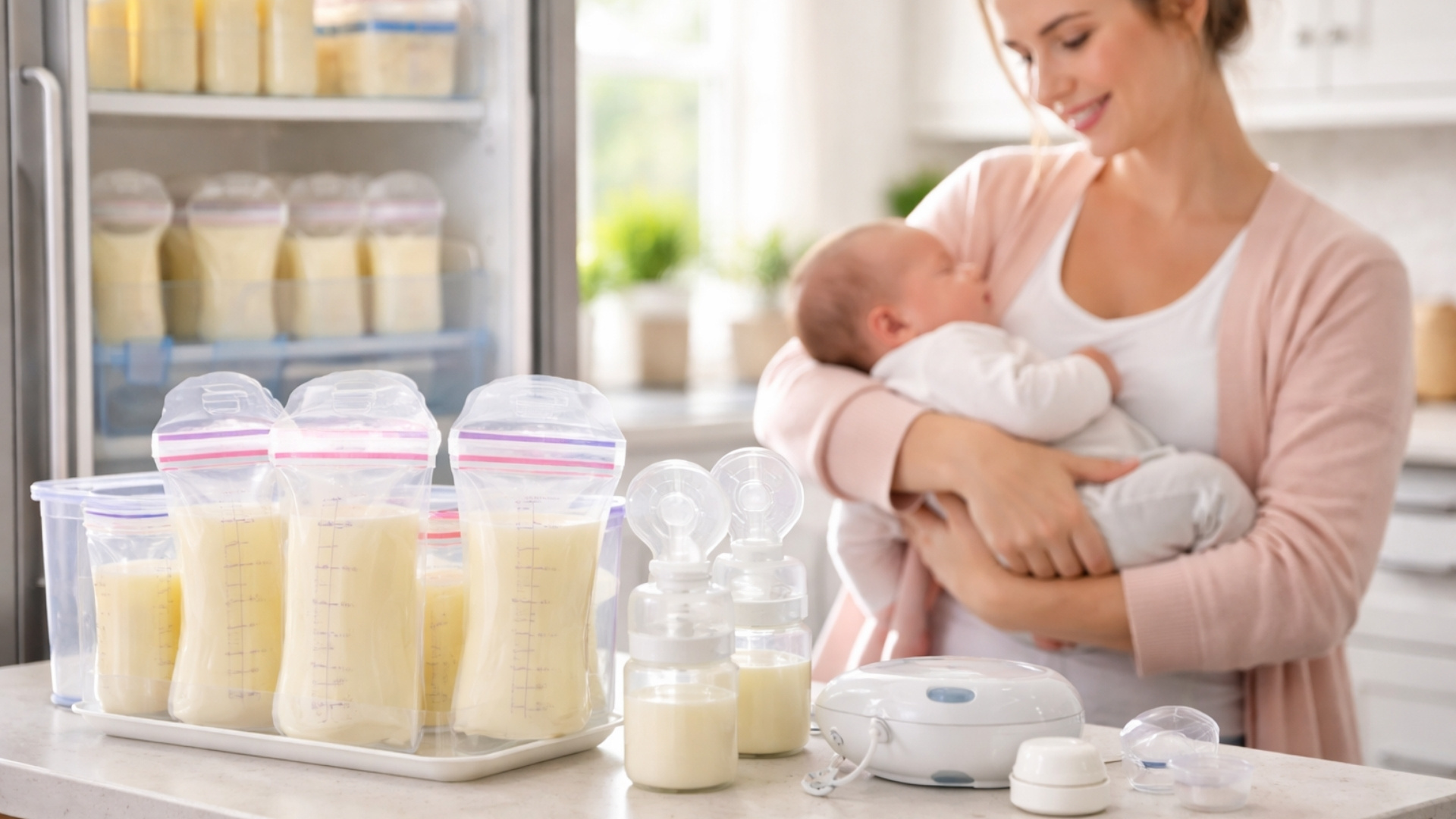
Unique circumstances often require a more robust approach to your milk storage and bag inventory management. You may need to double your estimates if you are feeding more than one hungry baby daily.
Be prepared for these specific scenarios by increasing your supply of high-quality breast milk storage bags:
- Nursing Twins: You will likely need to double your daily bag count to keep up with two babies.
- Exclusive Pumping: Plan on using five to eight bags every day since the baby only takes the bottle.
- High Producers: Mothers with an oversupply may need hundreds of bags to manage their extra milk production.
- Travel Plans: If you travel for work, you will need extra bags to transport milk safely home.
Many mothers do not realize that these essential supplies might be available through their insurance plan.
Insurance-Covered Supplies: Getting Bags at Little to No Cost
Buying boxes of bags every week adds up quickly and puts a strain on your monthly budget. It is an extra expense that many families do not plan for during the postpartum recovery period. You might find yourself constantly checking sales or hunting for coupons just to keep your freezer stocked.
You can actually get these essential supplies covered through your current insurance provider with very little effort. Insurance Covered Breast Pumps (ICBP) helps you get high-quality storage bags at no cost to your family. We handle all the communication with your insurance company and your doctor to save you time.
- High-quality materials that prevent leaks and tears.
- Pre-sterilized designs for the highest safety standards.
- BPA-free plastic to keep your baby safe from chemicals.
- Large capacity options for mothers with high milk output.
Getting your supplies delivered directly to your front door makes your breastfeeding journey much easier and simpler.
Also Read: Aetna Insurance Coverage for Willow Breast Pumps
Conclusion
Managing your milk supply requires the right tools and a solid plan for your daily pumping sessions. Determining how many breast milk storage bags you need is a great first step toward breastfeeding success.
By calculating your daily output and setting clear goals, you can build a stash that provides security. Remember that proper storage techniques are just as important as the number of bags you have.
At Insurance Covered Breast Pumps (ICBP), we specialize in helping moms get the supplies they need without the hassle. We offer top brands like Medela and Spectra, along with the storage accessories required for your journey.
Our team handles the paperwork so you can focus on bonding with your new little one. Check your insurance eligibility today to see if you qualify for a covered pump and storage supplies.
FAQs
Q. How many ounces of breast milk should I put in each bag?
Most mothers find that storing two to four ounces per bag is the most efficient amount. This smaller portion size helps reduce waste because you only thaw what your baby will actually eat.
Q. Can I reuse breast milk storage bags after they are empty?
You should never reuse breast milk bags because they are designed for single use only to ensure hygiene. Reusing them can introduce harmful bacteria to your fresh milk and compromise your baby’s health and safety.
Q. How long does breast milk stay fresh in a storage bag?
Breast milk stays fresh for up to four days in the fridge or six months in the freezer. Always follow the specific temperature guidelines provided by your pediatrician or a certified lactation consultant for safety.
Q. Do insurance plans usually cover breast milk storage bags?
Many commercial insurance plans cover breastfeeding supplies as part of the Affordable Care Act’s preventive care benefits. You should check with a provider like ICBP to see what your specific plan offers for moms.
Q. Is it better to store milk in bags or plastic bottles?
Bags are generally better for long-term freezer storage because they take up significantly less space than bottles. They are also designed to protect milk from freezer burn better than most standard plastic baby bottles.