









Electric Breast Pump Guide: Safe, Comfortable Pumping Made Simple
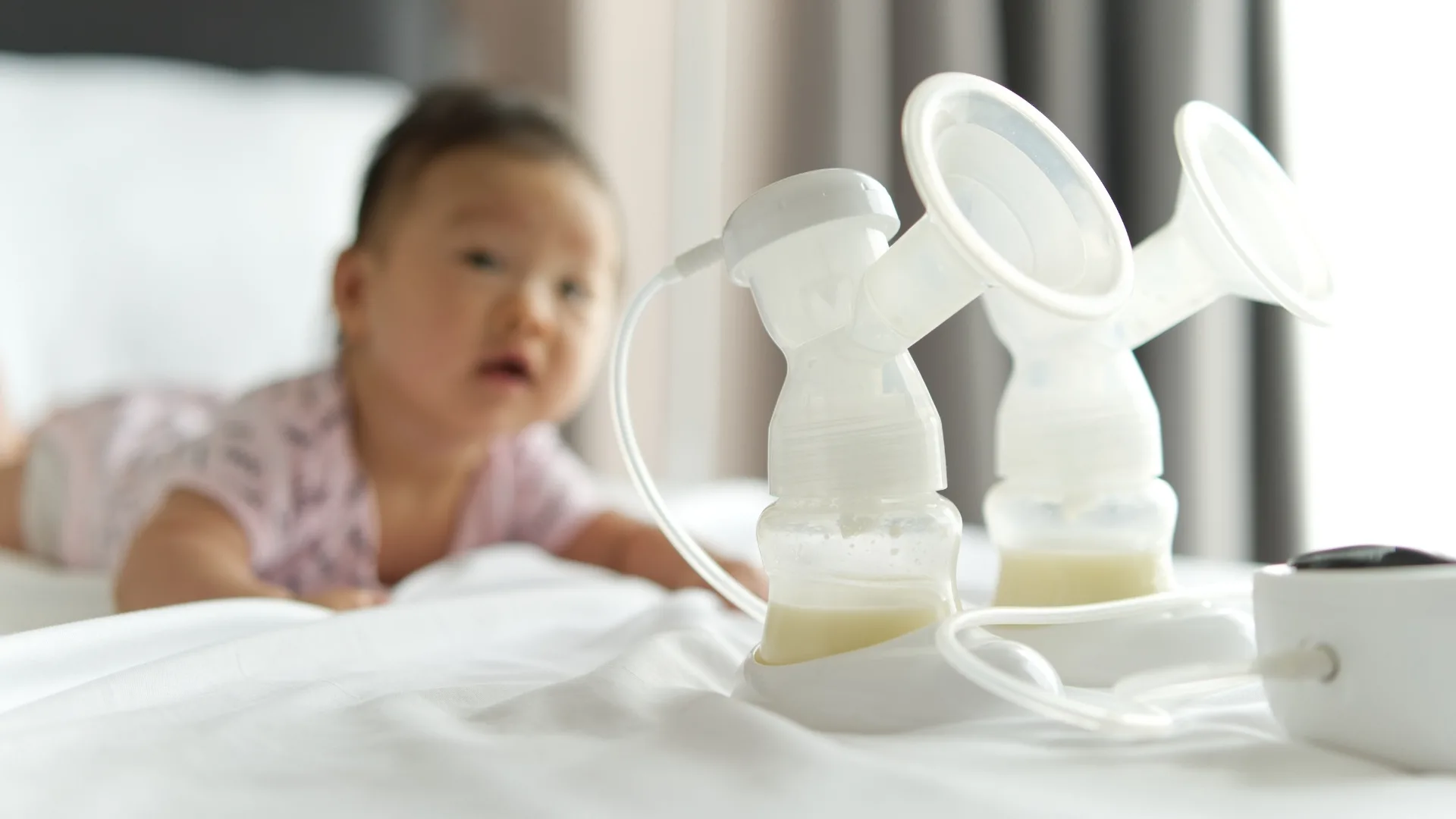
Learning how to use an electric breast pump can feel a little intimidating at first; all the buttons, suction settings, and parts can seem overwhelming. But once you understand how it works and how to use it safely, it quickly becomes a comforting part of your feeding routine.
A paper published in March 2024 emphasized the importance of standardized education and clear protocols for safe pump use. The study found that improper use of electric breast pumps can increase the risk of nipple injuries, reinforcing the need for better awareness and proper technique among new mothers.
This guide will walk you through every essential step, from setup and suction settings to cleaning, storage, and safety, so that you can approach each pumping session with confidence, comfort, and care.
Need to know:
- Using an electric breast pump safely helps prevent discomfort, nipple injury, and milk supply issues.
- Always start with clean, dry parts and ensure your flange fits properly for efficient pumping.
- Set suction levels to what feels comfortable, higher settings don’t always mean better results.
- Consistent pumping and proper storage support your long-term breastfeeding goals.
- When in doubt, reach out to a lactation consultant or trusted supplier for guidance.
Getting to Know Electric Breast Pumps
An electric breast pump uses motor-powered suction to extract milk efficiently from one or both breasts. Unlike manual pumps, it does most of the work for you, saving time and reducing fatigue, especially helpful for moms who pump multiple times a day or are returning to work.
Electric pumps come in two main types:
- Single electric pumps: Ideal for occasional use, expressing milk from one breast at a time.
- Double electric pumps: Allow simultaneous pumping from both breasts, saving time and maintaining milk supply.
Some modern pumps, like wearable or hospital-grade models, include features such as adjustable suction, digital displays, or app controls to make the experience even smoother.
Also read: Elvie Double Electric Breast Pump vs. Elvie Stride Comparison.
Step-by-Step Guide: How to Use an Electric Breast Pump

Using an electric breast pump safely starts with understanding each step, from setup to milk storage. Taking a few moments to prepare and follow the right order can make your sessions smoother, more comfortable, and more efficient. Here’s a simple guide to help you pump with confidence and care.
1. Wash and Prepare
Before each session, wash your hands thoroughly and ensure that all pump parts that come in contact with milk (flanges, valves, bottles) are clean and dry. Always assemble your pump according to the manufacturer’s instructions.
2. Find a Comfortable Spot
Relaxation helps with milk letdown. Sit in a quiet, comfortable space, and have water, snacks, and a burp cloth nearby.
3. Assemble and Position the Flanges
Attach the flange (breast shield) to your breast so that your nipple sits centered in the tunnel. A proper fit ensures effective suction and prevents pain or nipple damage.
4. Adjust the Suction Settings
Start with a low suction level to stimulate milk flow, then gradually increase to a comfortable level.
- Too high suction can cause pain and irritation.
- Too low suction may reduce milk expression efficiency.
Remember, the goal is comfort and steady milk flow, not maximum power.
5. Switch Between Stimulation and Expression Modes
Most electric pumps have two phases:
- Stimulation (Letdown) Mode: Mimics a baby’s fast suckling to trigger milk flow.
- Expression Mode: Slower, deeper suction once milk begins flowing.
Switch modes once your milk starts to flow freely.
6. Pump for 15–20 Minutes
Typical pumping sessions last 15–20 minutes. Some moms need longer, especially when establishing supply or pumping both breasts. Avoid overpumping, which can cause soreness.
7. Store Milk Safely
Pour the expressed milk into clean storage bags or bottles. Label them with the date and time, and refrigerate or freeze immediately.
Also Read: Top Breastfeeding Essentials for New Moms: What to Buy and Why
How to Clean Your Electric Breast Pump
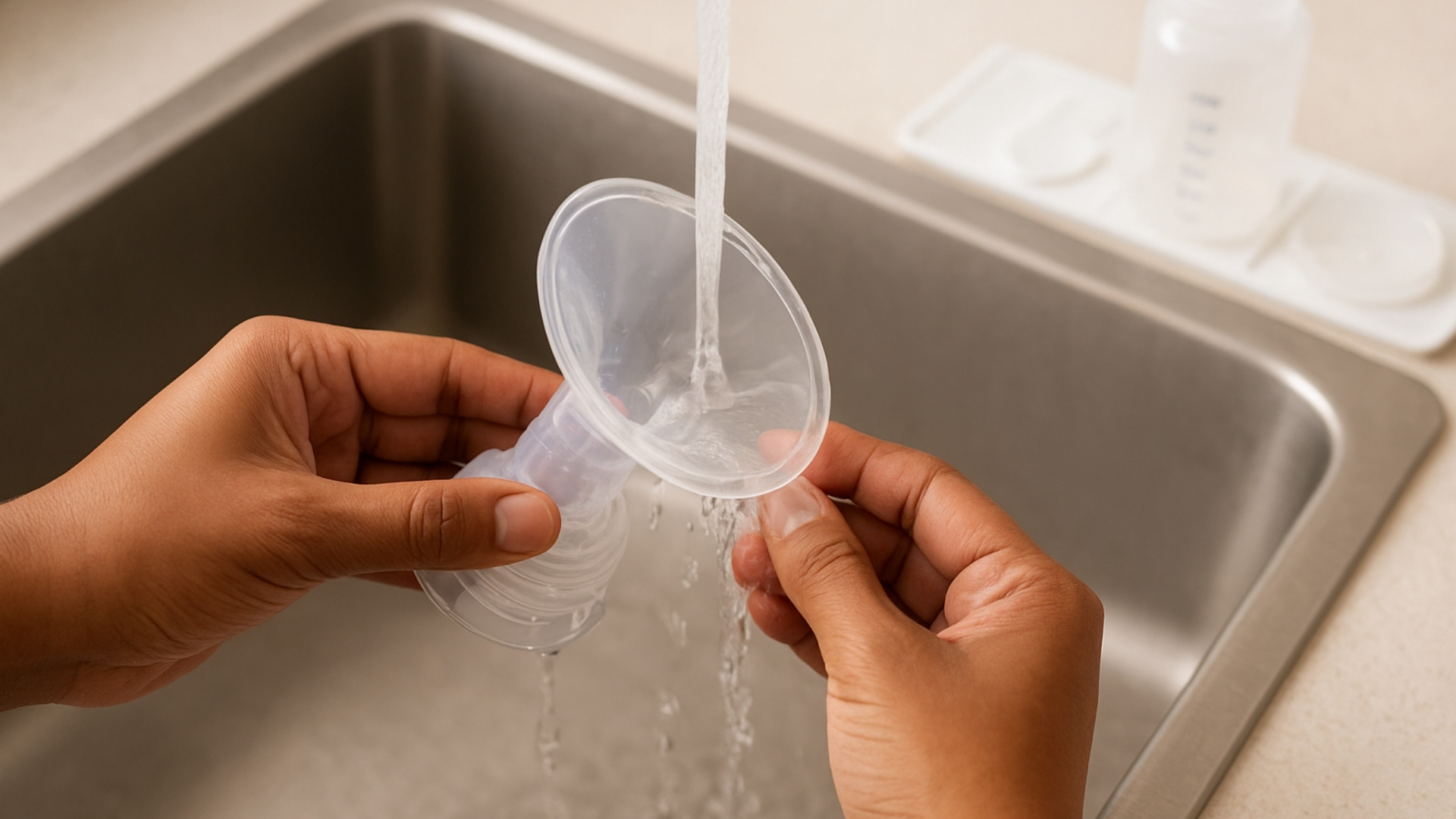
Keeping your breast pump clean is essential for your baby’s safety and your own peace of mind. Follow these simple steps to make sure every session stays hygienic and safe:
- Disassemble all parts that come into contact with breast milk right after pumping.
- Rinse each piece in cool water to remove any milk residue before washing.
- Wash or sanitize by boiling the parts for 10 minutes, using warm soapy water, or placing them on the top rack of the dishwasher (check your pump’s manual first).
- Air-dry completely on a clean towel and cover the parts once dry to keep them free from dust or germs.
- Clear tubing condensation by running the pump for 1–2 minutes after use until it’s dry and fog-free.
Regular cleaning not only helps protect your baby from bacteria but also keeps your pump working efficiently over time.
Tips for Pumping Comfort and Safety
A few mindful habits can make every pumping session more comfortable and safe, helping you protect your supply while keeping your body at ease.
- Start with the right flange size. The correct fit prevents nipple soreness and improves milk flow.
- Keep sessions gentle and steady. Avoid using the highest suction setting; comfort always comes before speed
- Relax and breathe. Stress can affect letdown. Try soft music, deep breathing, or a gentle massage before you begin.
- Stay consistent. Pumping every 2–3 hours helps maintain your supply and prevents engorgement.
- Watch for discomfort. If you notice redness, pain, or cracked nipples, lower suction, or check flange sizing.
- Hydrate and nourish. Drinking plenty of water and eating balanced meals supports healthy milk production.
- Avoid sharing pumps. Unless it’s a hospital-grade, multi-user model, your pump is personal and should not be shared.
Even small adjustments, like checking your posture or using a hands-free bra, can make your sessions more relaxing and efficient.
Also read: How to Repair and Replace Breast Pump Parts
When to Seek Support from a Lactation Consultant
Sometimes, even when you follow every step, pumping can still feel challenging, and that’s completely okay. A lactation consultant can help you make small adjustments that lead to big improvements in comfort and milk flow. With Insurance Covered Breast Pumps, checking eligibility is quick and stress-free.
Final Words
Using an electric breast pump safely is all about comfort, confidence, and care. Every mom’s body is unique, and finding what works best for you takes a bit of patience and practice. With the right setup, gentle technique, and consistent cleaning, pumping can become a calm and empowering part of your breastfeeding journey.
If you’re exploring insurance-covered options, platforms like Insurance Covered Breast Pumps make it easier to find the right pump for your needs, often at little to no cost. With trusted brands and expert support, you can focus less on logistics and more on what matters most: nurturing your baby and yourself.
FAQs
1. How often should I use my electric breast pump?
It depends on your needs. For most breastfeeding moms, pumping every 2–3 hours helps maintain milk supply and prevents engorgement. If you’re exclusively pumping, try to match your baby’s feeding schedule as closely as possible.
2. How long should each pumping session last?
A typical pumping session lasts around 15–20 minutes. Stop once milk flow slows and your breasts feel softer. Overpumping can cause soreness or irritation.
3. Can I use an electric breast pump right after birth?
Yes, many moms begin pumping within a few hours or days after delivery, especially if their baby is in the NICU or not latching. Always confirm timing with your doctor or lactation consultant.
4. What should I do if pumping feels painful?
Pain is a sign that something isn’t right. Check your flange size, reduce suction strength, and ensure your nipple is centered in the tunnel. If pain continues, reach out to a lactation consultant for guidance.
5. Can I get an electric breast pump through insurance?
Yes! Under the Affordable Care Act, most insurance plans cover breast pumps at no cost to you. Visit Insurance Covered Breast Pumps to check your eligibility. You may qualify for trusted brands like Spectra, Willow, or Elvie, often shipped directly to your door.