










Can You Get a Tattoo While Pregnant? Safety and Risks Explained
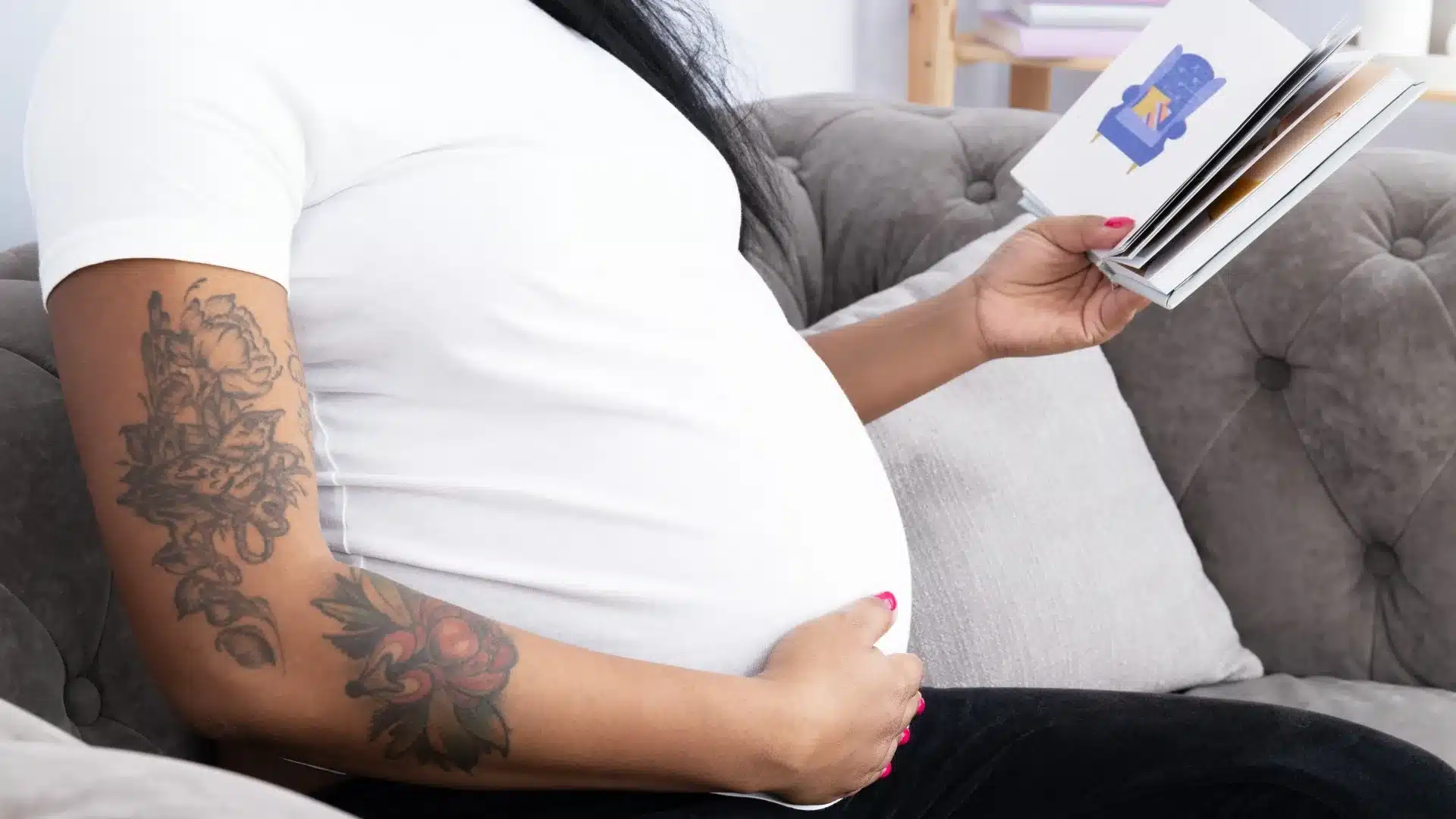
If you’re pregnant and thinking about getting a tattoo, it’s completely natural to wonder: Can you get a tattoo while pregnant, and is it safe?
Pregnancy often brings big emotional and physical changes, and for some people, a tattoo feels like a meaningful way to mark this phase of life. At the same time, concerns about safety, infections, and how it might affect your baby can make the decision feel confusing.
While tattoos are generally safe for non-pregnant adults, pregnancy changes how your body responds to risks. Understanding what medical experts recommend, and why, can help you make an informed choice that prioritizes both your health and your baby’s well-being.
This guide explains the potential risks, what doctors typically advise, and safer alternatives to consider during pregnancy.
At A Glance
- You can get a tattoo while pregnant, but most doctors recommend waiting.
- The main concerns include infection risk, bloodborne diseases, skin sensitivity, and limited research on tattoo ink safety during pregnancy.
- Pregnancy-related skin stretching can distort tattoos, especially on the belly, hips, or chest.
- Temporary tattoos (like natural henna) may be a lower-risk option, but black henna should be avoided.
- The safest choice is to wait until after pregnancy, when your body has healed, and risks are lower.
- If you’re unsure, talk with your healthcare provider to decide what’s best for your situation.
Can You Get a Tattoo While Pregnant?
There’s no data or study that says you can’t get a tattoo while pregnant, but most healthcare providers recommend waiting until after pregnancy. The concern isn’t the tattoo itself; it’s the potential risks that come with the tattooing process, which may be more significant while your body is supporting a pregnancy.
5 Things to Consider Before Getting a Tattoo While Pregnant
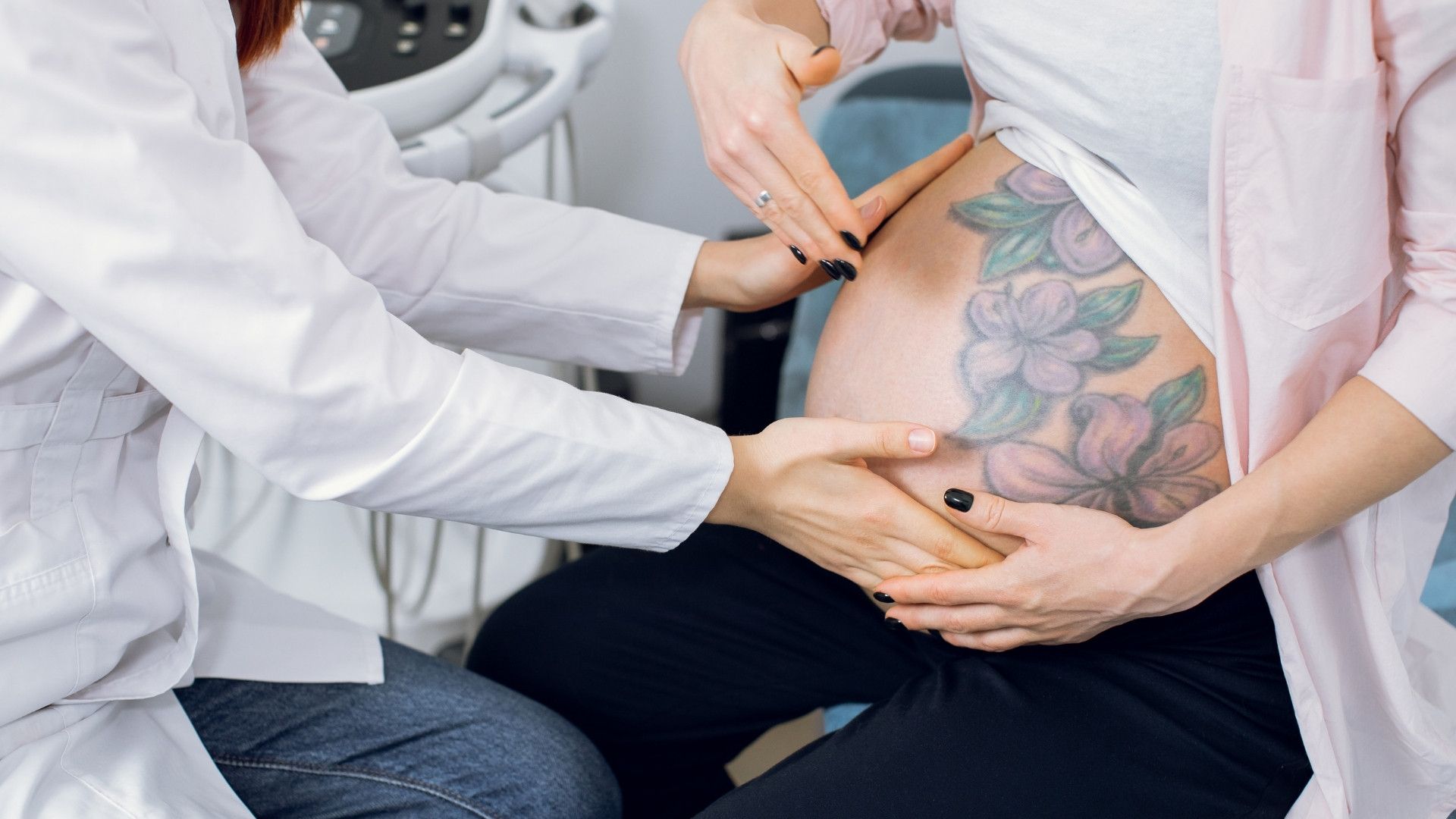
Getting a tattoo during pregnancy isn’t automatically dangerous, but it does come with extra considerations. Because pregnancy affects your immune system, skin, and healing process, even small risks deserve careful thought before making a decision.
Here are five important things to consider:
1. Risk of skin infection
A tattoo creates an open wound in the skin. Studies estimate that 0.5% to 6% of people develop an infection after getting a tattoo. These can range from mild local skin infections to more serious complications. During pregnancy, your immune system is naturally suppressed, which makes it harder to predict how your body would respond to an infection.
2. Risk of bloodborne diseases
If tattoo equipment isn’t properly sterilized, there’s a risk of exposure to hepatitis B, hepatitis C, and HIV/AIDS. Tattoos have also been linked, rarely, to infectious endocarditis, a serious infection of the heart valves. Some bloodborne infections can be passed from mother to baby during pregnancy.
3. Uncertainty around tattoo ink safety
Tattoo inks enter the bloodstream, but there’s limited research on how they affect a developing baby. The FDA has reported that some tattoo inks contain pigments also used in printer toner and car paint. Studies have found that certain inks may contain heavy metals such as arsenic, lead, chromium, cadmium, and mercury, as well as bacterial contamination.
4. Skin stretching and tattoo distortion
Pregnancy causes natural changes in skin elasticity, especially around the abdomen, hips, breasts, and chest. A tattoo placed in these areas may stretch or distort as your body changes, and may not look the same after delivery.
5. Increased pain and skin sensitivity
Tattoos always involve some discomfort, but pregnancy can make your skin more sensitive than usual. This may make the tattooing process more painful and potentially harder to tolerate.
Because tattoos are elective, many providers feel that waiting until after pregnancy is the safest option. If you’re unsure, discussing your situation with your healthcare provider can help you make an informed decision.
What Do Doctors Usually Recommend?

When it comes to getting a tattoo during pregnancy, most doctors take a cautious approach. Because tattoos are elective and pregnancy already places additional demands on your body, healthcare providers generally recommend avoiding unnecessary risks, even if those risks are relatively small.
Here’s what doctors typically advise:
- Wait until after pregnancy to get a tattoo: Since tattoos aren’t medically necessary, most providers suggest postponing until your body is no longer supporting a developing baby.
- Avoid procedures that break the skin: Any process that creates an open wound increases the risk of infection, which can be harder to manage during pregnancy.
- Be cautious due to limited safety data: There’s not enough research on how tattoo inks or pigments may affect a fetus, so doctors prefer to err on the side of caution.
- Consider changes in healing and skin sensitivity: Pregnancy can slow healing and increase sensitivity, which may lead to complications or poor tattoo outcomes.
- Talk to your healthcare provider if you’re unsure: If you’re considering a tattoo for a specific reason, your doctor can help you weigh the risks based on your individual health and pregnancy.
Overall, the most common recommendation is simple: waiting until after pregnancy is the safest choice.
Safety Tips to Keep in Mind During Pregnancy

If you’re weighing your options and want to be as cautious as possible, focusing on situational safety can help reduce avoidable issues. These tips don’t change medical guidance, but they can help you think through practical considerations more carefully.
- Avoid making last-minute decisions: Take time to think through your choice rather than acting on impulse, especially during periods of fatigue or heightened emotions.
- Schedule thoughtfully: If you proceed, avoid long sessions and choose a time when you’re well-rested, hydrated, and have eaten recently.
- Pay attention to how your body feels during the process: Pregnancy can affect circulation and tolerance. If you feel lightheaded, nauseous, or uncomfortable, it’s important to pause or stop.
- Plan for extra aftercare time: Healing may require more attention and gentler care during pregnancy, so be prepared to keep the area clean and protected.
- Avoid combining procedures: Don’t schedule tattoos alongside other physically stressful activities or appointments on the same day.
- Have a backup plan: Be comfortable with postponing or stopping altogether if something doesn’t feel right; your comfort and well-being come first.
These steps won’t eliminate all risks, which is why most providers still recommend waiting. But if you’re making the decision, being mindful of how and when you proceed can help you approach it more cautiously.
Also read: How Breastfeeding Affects Fertility
Caring for Your Tattoo During the Healing Process
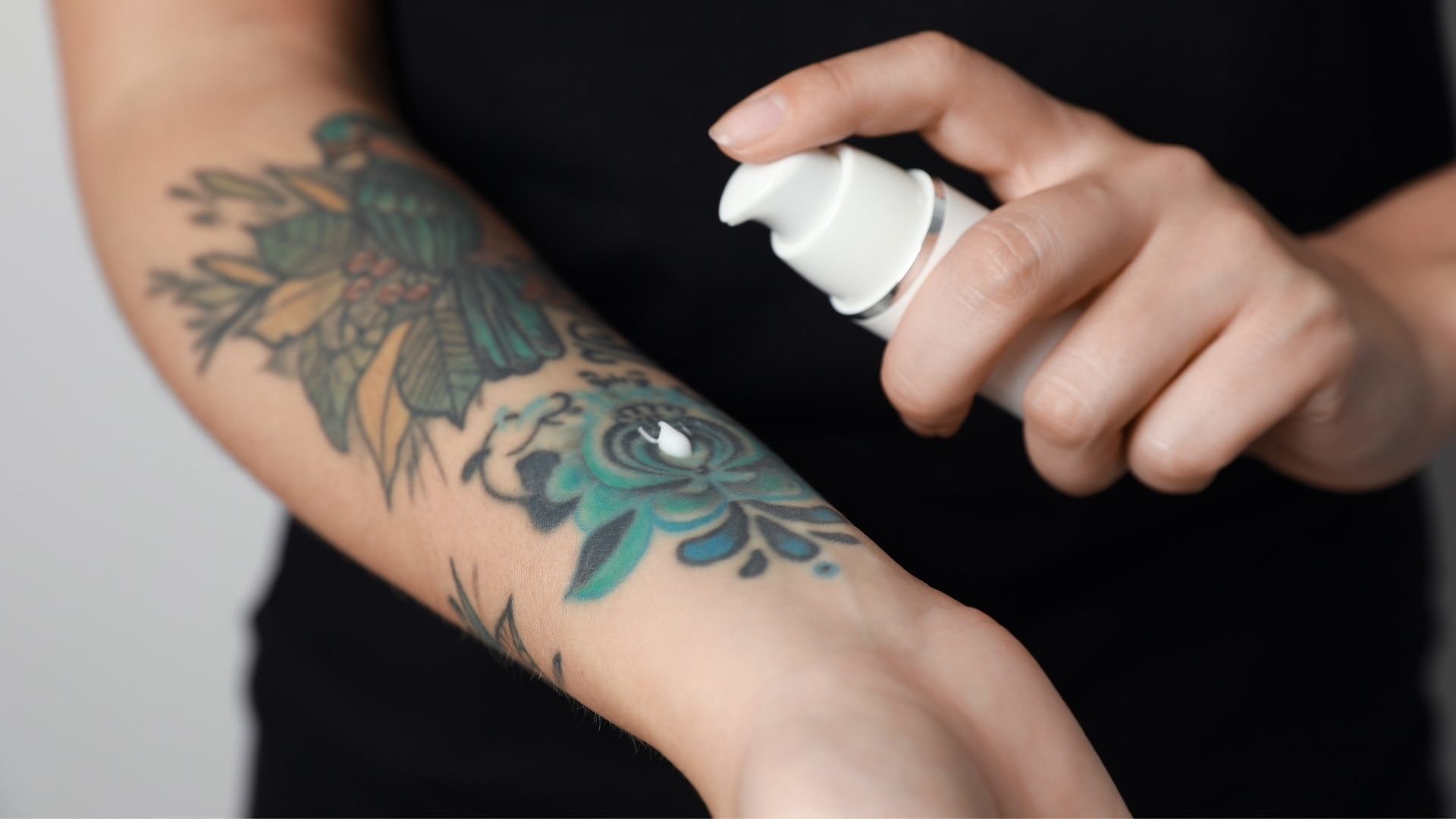
Most tattoos take about two weeks to heal, though healing time can vary depending on the size and location. Proper aftercare is essential to help prevent infection and support healthy healing.
To care for your tattoo while it heals:
- Keep the area clean: Gently wash the tattooed skin twice a day using mild soap and lukewarm water. Use a light touch, and avoid scrubbing.
- Shower carefully: When showering, avoid letting strong streams of water hit the tattoo directly. Afterward, gently pat the area dry with a clean towel; do not rub.
- Moisturize regularly: Apply a thin layer of a mild, fragrance-free moisturizer several times a day to keep the skin from drying out.
- Avoid sun exposure: Keep the tattooed area out of direct sunlight until it has fully healed.
- Stay out of water: Avoid swimming in pools, hot tubs, lakes, rivers, or the ocean while the tattoo is healing, as soaking can increase the risk of infection.
- Choose clothing carefully: Wear loose, breathable clothing that won’t stick to or rub against the tattoo.
Healing needs can vary depending on the tattoo’s size, location, and technique. Follow any specific aftercare instructions provided by your tattoo artist.
Suggested read: Common Breastfeeding Pain Questions and Solutions
Are Temporary Tattoos a Safer Option?
Temporary tattoos are often considered by people who want the look of a tattoo without the long-term commitment. During pregnancy, they may seem like a safer alternative, but they still come with a few important considerations.
Here’s what to know before choosing a temporary tattoo:
- Natural henna is generally considered lower risk: Traditional henna made from plant-based ingredients is less likely to cause harm when applied to intact skin.
- Black henna should be avoided: Black henna often contains chemicals like PPD (para-phenylenediamine), which can cause severe skin reactions and allergic responses.
- Temporary tattoos don’t break the skin: Because they sit on the surface, they avoid risks associated with open wounds, such as infection from needles.
- Skin sensitivity can still be an issue: Pregnancy can make skin more reactive, increasing the chance of irritation or allergic reactions, even with temporary products.
- Always check ingredient labels: Look for products that clearly list ingredients and avoid those with harsh dyes or unknown additives.
- Test on a small area first: Doing a patch test can help reduce the risk of a larger reaction.
Temporary tattoos may offer a lower-risk way to express yourself during pregnancy, but choosing high-quality products and being mindful of skin sensitivity is still important.
When Is It Safe to Get a Tattoo After Pregnancy?
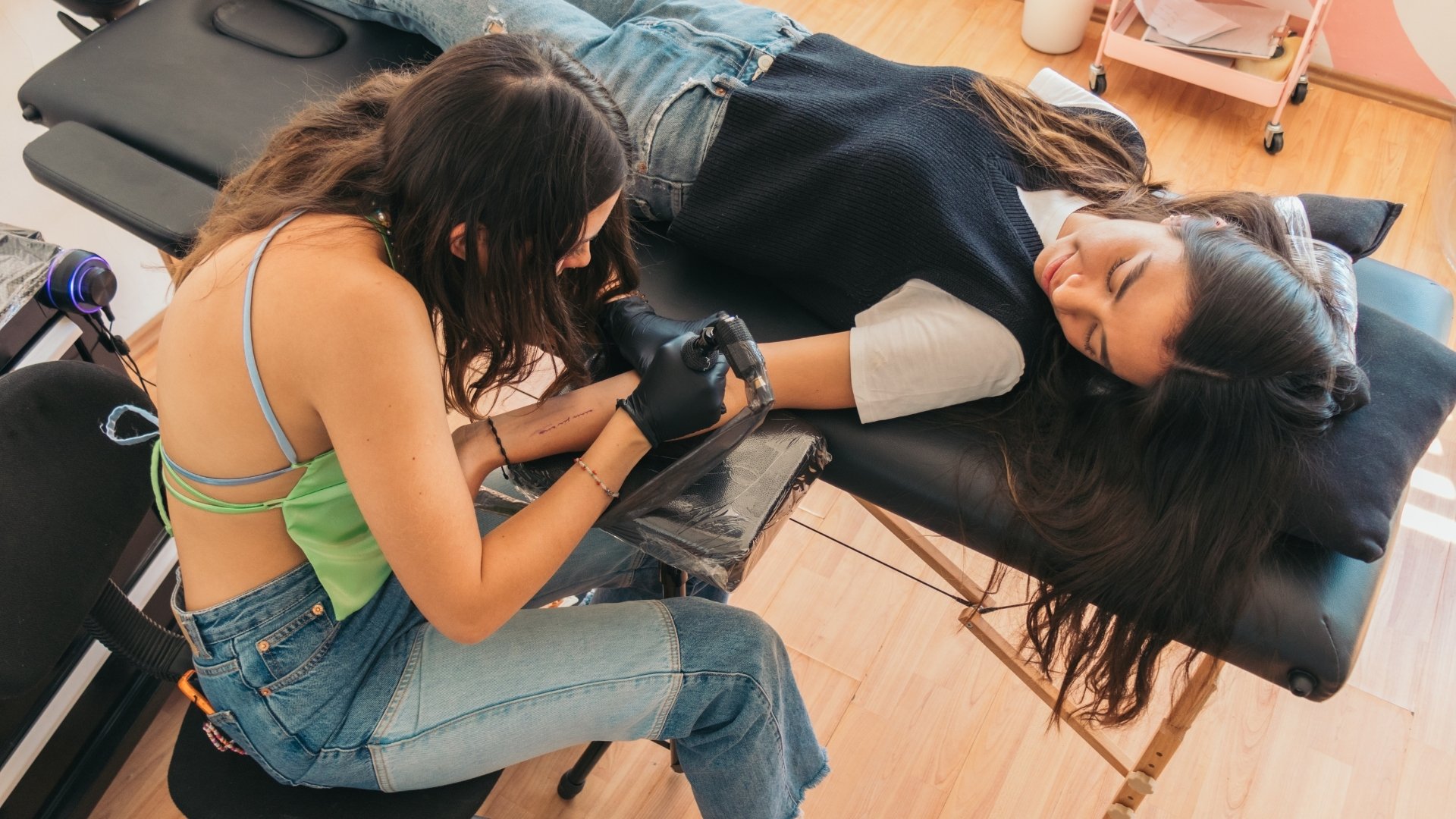
After pregnancy, many people feel ready to revisit plans they put on hold, including getting a tattoo. While there’s no single “right” timeline, waiting until your body has had time to recover can help reduce risks and support better healing.
Here are common points to consider when deciding the timing:
- After delivery and initial recovery: Giving your body time to heal from childbirth helps your immune system and skin return closer to normal.
- Once bleeding has stopped and energy levels improve: Feeling physically stable can make the tattooing process and healing more manageable.
- After postpartum hormone levels begin to stabilize: This can help reduce skin sensitivity and improve healing.
- When you’re comfortable caring for a new tattoo: Tattoo aftercare requires time and attention, which can be harder in the early postpartum weeks.
- After breastfeeding is well established (optional): Some people prefer to wait until breastfeeding routines feel settled, even though the overall risk is lower than during pregnancy.
- When your skin has returned closer to its usual elasticity: This can help ensure the tattoo heals well and maintains its appearance over time.
Taking a little extra time can help ensure that when you do get a tattoo, you can focus on enjoying the experience and the result without added concerns.
Suggested read: Prenatal Vitamins Explained: Finding the Best Formula with Folic Acid
Final Thoughts
Deciding whether to get a tattoo while pregnant can bring up a lot of questions. While there’s no strict rule that says you can’t, most healthcare providers recommend waiting due to the added risks and uncertainties during pregnancy. Because tattoos are elective, postponing until after pregnancy is often the simplest way to prioritize both your health and your baby’s well-being.
If you’re feeling unsure, remember that pregnancy is temporary. Waiting gives your body time to heal, your skin time to stabilize, and allows you to enjoy your tattoo later without added concerns.
If you’re considering a tattoo during or after pregnancy, take a moment to talk with your healthcare provider and choose the timing that feels safest and most comfortable for you.
FAQs
1. Can you get a tattoo while pregnant?
There’s no law that prevents it, but most healthcare providers recommend waiting until after pregnancy due to potential risks like infection, skin sensitivity, and limited research on ink safety.
2. Is getting a tattoo during pregnancy dangerous for the baby?
There’s no clear evidence that a tattoo directly harms a baby, but infections or exposure to certain substances could pose risks. Because safety data is limited, doctors generally advise caution.
3. What if you got a tattoo before knowing you were pregnant?
Try not to panic. Monitor the area for signs of infection and let your healthcare provider know so they can guide you appropriately.
4. Are tattoo touch-ups safer than new tattoos during pregnancy?
Touch-ups still involve breaking the skin and ink exposure, so the same precautions and recommendations apply.
5. Can tattoo ink enter the bloodstream during pregnancy?
Yes, tattoo ink particles can enter the bloodstream, but how this may affect a developing baby isn’t well studied. This uncertainty is one reason providers suggest waiting.
6. Are temporary tattoos safe during pregnancy?
Some temporary tattoos may be lower risk since they don’t break the skin, but products like black henna should be avoided due to potential chemical exposure.
7. Is it safer to get a tattoo while breastfeeding instead?
Breastfeeding is generally considered lower risk than pregnancy, but some people still prefer to wait until feeding routines are established.