










Stress and Breast Milk Supply: What Every Mom Should Know

Some days, everything feels heavier than usual. The baby won’t settle, you’re running on little sleep, and your mind won’t stop racing. Then you sit down to pump and see less milk than usual, and suddenly the worry hits: does stress affect milk supply?
It’s a question many moms quietly ask themselves during overwhelming moments. When you’re already tired and trying your best, even a small dip in output can feel scary.
For most mothers, stress impacts how milk flows more than how much milk the body can produce. More often, it affects how easily milk flows, not how much your body is capable of producing.
Let’s walk through what’s really happening and what you can do to protect your supply during stressful times.
A Quick Summary
- Stress most often affects milk flow, not long-term milk production. A slower let-down can make output look lower, even when supply is still there.
- A sudden dip during a stressful day is usually temporary. Once your body relaxes and feeding stays consistent, milk flow typically improves.
- Breast milk remains safe and beneficial, even during emotionally overwhelming periods. Stress does not make your milk “bad.”
- True supply drops are more commonly linked to inconsistent milk removal over time, not stress alone.
- Small adjustments, like deep breathing before feeds, skin-to-skin contact, staying hydrated, and maintaining a regular pumping schedule, can help protect your supply.
- If stress feels ongoing and output continues to decline despite consistent feeding, professional support can help identify whether the issue is hormonal, routine-related, or equipment-based.
How Stress Can Affect Milk Supply?
It’s completely natural to wonder whether emotional strain can interfere with breastfeeding. The short answer is that stress can influence how milk flows, but it does not automatically mean your body stops producing milk.
Some studies also suggest that ongoing, high levels of stress may slightly influence certain components of human milk, such as fat content or specific nutrients. However, it’s important to remember that your breast milk remains beneficial and nutritionally valuable for your baby.
In most cases, the impact is functional rather than permanent. When stress levels ease and milk removal stays consistent, breastfeeding often stabilizes again.
Here are the main ways stress can affect breastfeeding:
1. Delayed Let-Down
Stress hormones like adrenaline can interfere with oxytocin, the hormone responsible for milk release.
What this may look like:
- Milk takes longer to start flowing
- Baby becomes impatient at the breast
- Pump output starts slowly
This is usually a flow issue, not a true supply loss.
2. Temporary Drop in Pump Output
Stress doesn’t necessarily reduce how much milk your body makes, but it can affect how effectively milk is released during pumping.
Why this happens: Stress can make it harder for your body to release milk efficiently during that session, even if overall production remains steady.
3. Shortened or Inconsistent Feeding Sessions
During periods of high stress, routines can become harder to maintain. You may rush feeds, delay pumping sessions, or unintentionally space out milk removal longer than usual.
Why this matters: Milk supply works on demand. If milk removal decreases over time, production may gradually adjust downward.
4. Increased Feeding Challenges
Babies are sensitive to changes in rhythm and environment. If let-down is delayed or feeds feel tense, your baby may become impatient, pull off the breast, or feed more frequently.
Possible effects:
- Fussiness at the breast
- Pulling off frequently
- More frequent feeds for comfort
5. Impact of Chronic Stress
Short-term stress typically causes temporary flow issues. However, prolonged, unaddressed stress combined with reduced feeding frequency may contribute to a gradual supply dip.
If stress feels persistent or overwhelming, additional support, whether from a lactation consultant or a healthcare provider, can help protect both milk supply and emotional well-being.
Breastfeeding is resilient. While stress can make things feel harder, most changes are temporary and improve once your body feels safer and more relaxed.
Suggested Read: Comfortable Breastfeeding Positions You Can Try
Do Stress Hormones Pass Into Breast Milk?

It’s natural to wonder whether feeling anxious, overwhelmed, or upset could somehow transfer directly to your baby through breast milk. The idea can feel worrying, especially during emotionally intense postpartum days.
Research shows that small amounts of stress hormones, such as cortisol, can be present in breast milk. However, this does not mean your milk becomes harmful. Breast milk remains safe, protective, and nutritionally valuable even during stressful periods.
Here’s what we currently understand:
1. Cortisol Can Be Present in Breast Milk
Cortisol, a primary stress hormone, naturally circulates in your bloodstream and can appear in breast milk in small amounts.
- Cortisol levels in milk often reflect normal daily rhythms.
- Levels may rise temporarily during periods of heightened stress.
This is a physiological process, not a sign that milk is unsafe.
2. Amounts Are Typically Low and Regulated
The concentration of stress hormones in breast milk is generally low and carefully regulated by the body.
- Breast milk is not a direct “mirror” of your emotional state.
- The body maintains protective mechanisms to support infant safety.
3. Breast Milk Remains Beneficial
Even when stress hormones are present, breast milk continues to provide:
- Antibodies and immune protection
- Essential fats and nutrients
- Digestive enzymes
- Comfort and bonding support
Stress does not “contaminate” your milk.
4. Short-Term Stress Is Unlikely to Harm Your Baby
Every parent experiences stress at some point. Brief emotional strain is unlikely to have harmful effects through breast milk.
Long-term, severe stress may influence milk composition slightly, but research does not suggest that breastfeeding should be stopped due to maternal stress alone.
5. Emotional Well-Being Still Matters
While breast milk remains safe, your mental health is important for both you and your baby.
- Chronic stress can affect feeding routines.
- Support systems, rest, and mental health care help protect both supply and well-being.
If you’re feeling overwhelmed, that doesn’t mean your milk is “bad.” Your body continues to nourish and protect your baby, even on hard days.
If stress is making pumping feel unpredictable or less productive, having the right equipment can make a real difference. Check your eligibility for and Insurance Covered Breast Pumps (ICBP) and explore high-quality pump options designed to support consistent milk removal and comfort.
7 Tips For Managing Stress While Breastfeeding

The hormones released during nursing, especially oxytocin, along with the closeness you share with your baby, often help promote relaxation and emotional connection. While stress is a normal part of early parenthood, small supportive habits can make it easier to cope and protect your milk flow.
Here are some practical ways to manage stress during this season:
1. Create a Relaxing Feeding Space
If possible, set up a comfortable corner for nursing or pumping.
- Dim lighting or natural light can feel soothing.
- Soft music, white noise, or a favorite podcast may help you unwind.
- Keep essentials (water, snacks, phone charger) nearby to reduce interruptions.
If you’re away from home, try to find a quiet space where you feel safe and comfortable feeding your baby.
2. Prioritize Rest Whenever You Can
Sleep deprivation makes stress feel heavier. While uninterrupted sleep may not always be realistic, small stretches of rest still matter.
- Nap when your baby naps, even if it’s brief.
- For nighttime feeds, consider asking your partner to handle diaper changes or settling afterward.
- If possible, accept help from a trusted friend or family member so you can rest.
Even modest improvements in rest can make stressful days feel more manageable.
3. Gentle Movement
Light activity can help regulate mood and relieve tension.
- A short walk outside
- Postpartum-safe stretching
- Gentle yoga or breathing exercises
If you had a cesarean or complicated delivery, check with your healthcare provider before resuming exercise.
4. Nourish Your Body
Stress can affect appetite, but consistent nourishment supports both energy and milk production.
- Choose balanced meals with protein, whole grains, fruits, and vegetables.
- Keep easy snacks nearby during feeds.
- Avoid skipping meals during busy days.
Fueling yourself is part of caring for your baby.
5. Stay Hydrated
Hydration supports overall well-being and milk production.
- Keep a water bottle within reach during feeds.
- Ask a partner or older child to refill your cup throughout the day.
- Sip regularly instead of waiting until you feel thirsty.
6. Try Pumping or Supplementing if Needed
If stress is affecting feeding sessions or your baby seems unsettled at the breast, temporary adjustments can help reduce pressure.
- Pumping for a session may allow you to see milk output and reassure yourself that production is still happening.
- Having expressed milk available can ease anxiety during especially overwhelming days.
- In some situations, pediatricians may recommend temporary supplementation if weight gain or intake is a concern.
7. Give Yourself Grace
Parenting and breastfeeding require emotional and physical energy. It’s okay if the house isn’t perfect or if you miss social plans.
- Recognize the effort you’re putting in.
- Focus on bonding and recovery.
- Remind yourself that this phase is temporary.
Understanding how stress affects your body can help you respond with care instead of fear. Supporting yourself is one of the most powerful ways to support your baby.
Read Next: Why Does My Breast Milk Smell When Pumping? Understanding High Lipase Activity!
How Insurance Covered Breast Pumps (ICBP) Can Support Your Pumping Journey
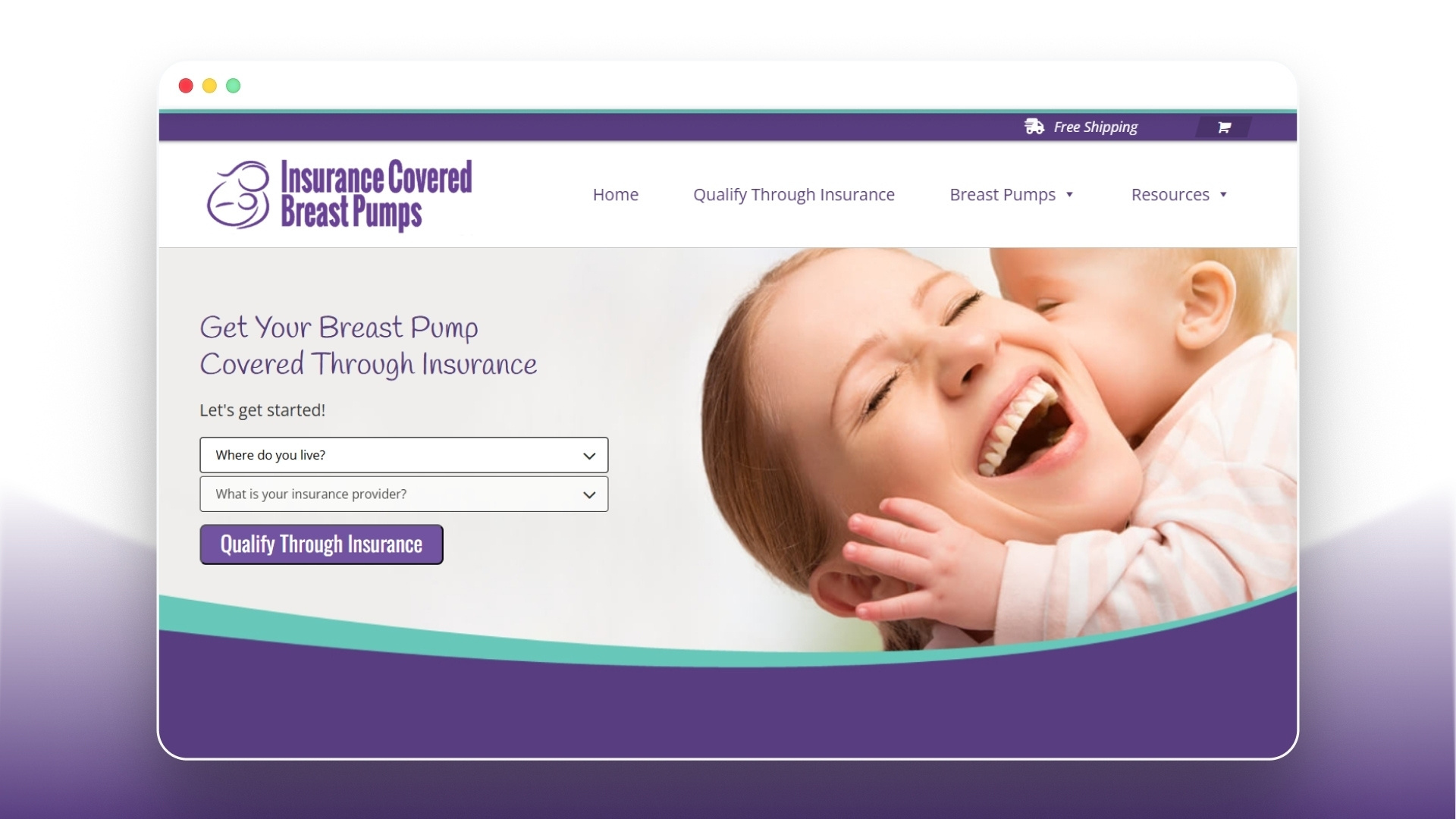
If stress is making pumping feel more overwhelming, or if you’re questioning whether your equipment is working effectively, the right support can make a meaningful difference. Sometimes, low output or discomfort isn’t just emotional; it can also be linked to pump quality, flange fit, or outdated equipment.
Insurance Covered Breast Pumps (ICBP) helps simplify access to reliable, insurance-approved breast pumps so you can focus on feeding, not paperwork or logistics.
ICBP supports families by:
- Verifying your insurance coverage for breast pumps and eligible accessories
- Helping you access high-quality pump options or approved upgrades if your current pump isn’t meeting your needs
- Coordinating with your OB/GYN to obtain required prescriptions when necessary
- Delivering approved equipment directly to your door for added convenience
- Connecting families with lactation consultant support, when available
When pumping feels stressful, having dependable equipment and streamlined insurance support can reduce one layer of pressure, allowing you to focus on milk removal, comfort, and overall well-being.
Suggested Read: Prenatal Vitamins Explained: Finding the Best Formula with Folic Acid
Conclusion
Stress is a natural part of early motherhood, especially during the demanding weeks of breastfeeding. Stress can temporarily affect milk flow and feeding rhythm, but it does not automatically mean your body will stop producing milk.
If feeding ever feels uncertain, you don’t have to navigate it alone. Pediatricians, lactation consultants, and trusted support systems can help you evaluate what’s truly happening and guide you forward. Check your eligibility for an Insurance Covered Breast Pump (ICBP) today and explore quality pump options designed to support your breastfeeding journey with confidence and ease.
You deserve support for both your baby and yourself!
FAQs
1. Does stress affect milk supply immediately?
Stress can affect milk flow quickly by delaying let-down, but it does not usually cause an immediate or permanent drop in milk production. Most changes are temporary and improve once stress levels settle.
2. Can anxiety reduce breast milk production?
Anxiety may interfere with oxytocin, the hormone responsible for milk release. This can make output appear lower during feeds or pumping sessions. However, true supply reduction typically happens only if milk removal becomes inconsistent over time.
3. Do stress hormones pass into breast milk?
Small amounts of cortisol (a stress hormone) can be present in breast milk. However, breast milk remains safe and beneficial for your baby, even during stressful periods.
4. Can a stressful day cause a sudden drop in pumping output?
Yes, it’s possible to see lower output during particularly stressful days. This is often due to delayed let-down rather than a real decrease in milk production.
5. How can I increase milk supply during stressful periods?
Focus on consistent milk removal, staying hydrated, eating regularly, and incorporating small relaxation techniques before feeds or pumping. Skin-to-skin contact and breast massage can also help stimulate let-down.
6. Will my milk supply recover after stress decreases?
In most cases, yes. Once stress levels stabilize and regular feeding or pumping continues, milk flow and output typically return to baseline.