











Can You Reheat Breast Milk? Safe Limits Every Parent Should Know
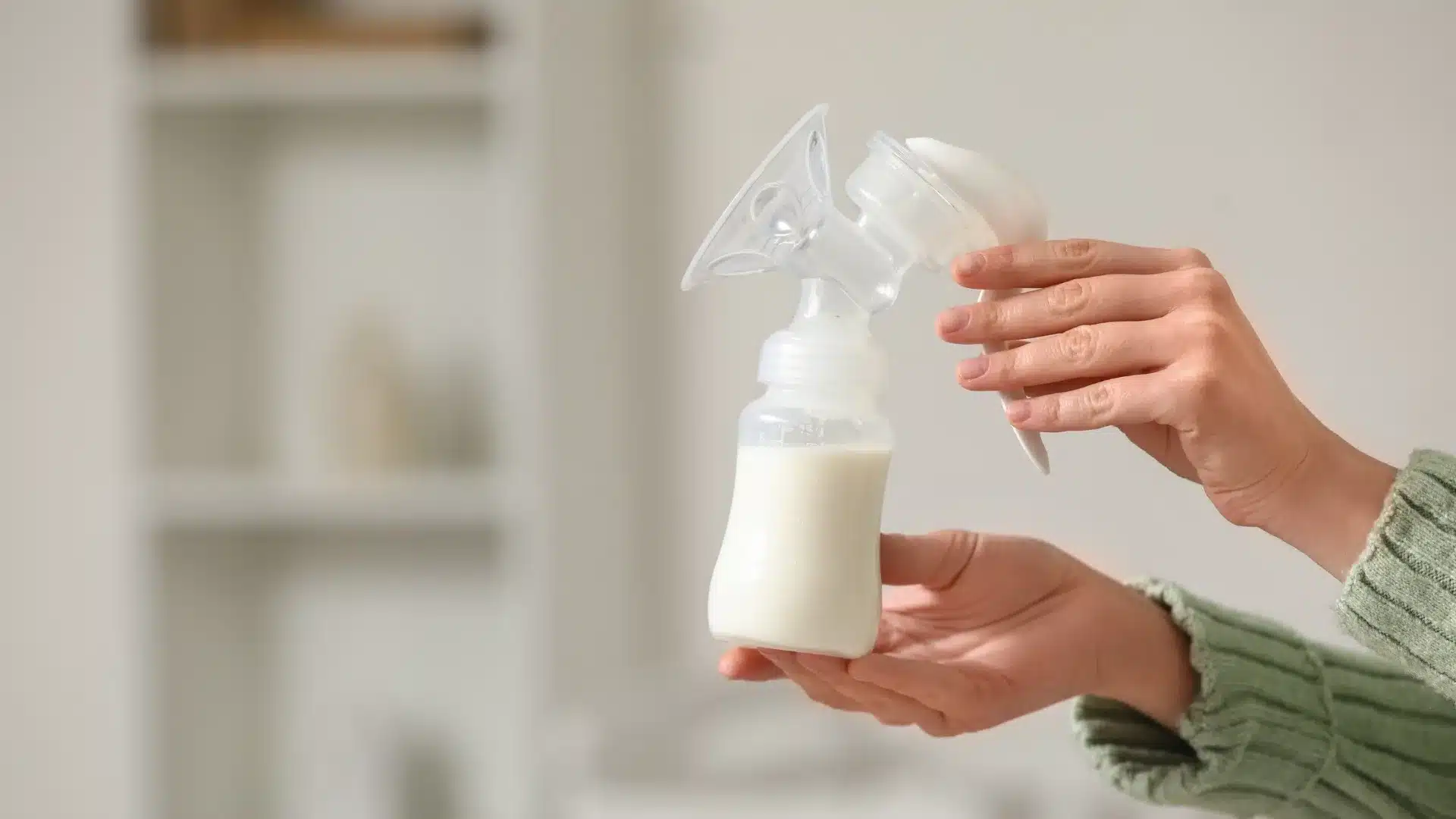
You’ve warmed a bottle, your baby drinks part of it, and then falls asleep. The remaining milk is still in the bottle, and you may wonder what to do next. Can breast milk be reheated again, or should it be discarded?
Questions like this are common when you’re managing feeding schedules, pumping, and milk storage. Knowing how to handle and reheat breast milk safely helps reduce waste and ensures your baby receives its full nutritional benefits.
Research shows that storage and warming practices can affect certain components of breast milk, including protein levels. Understanding the safest ways to handle expressed milk helps protect its quality.
In this blog, we’ll explain how many times breast milk can be reheated, the recommended storage guidelines, and how to handle expressed milk safely for your baby.
Key Takeaways
- Breast milk should only be reheated once, as repeated warming increases the risk of bacterial growth and reduces nutritional and immune benefits.
- Once warmed, breast milk should be used within two hours, including milk left over after a feeding.
- Safe warming methods, such as warm water baths or bottle warmers, help protect milk quality, while microwaves should be avoided.
- Proper pumping, storage, and planning habits reduce unnecessary reheating and help preserve milk safety and quality.
- Insurance-covered breast pump services can support better milk management by improving access to efficient pumps and essential storage supplies.
Understand Why Breast Milk Reheat Rules Matter
Breast milk’s safety and nutrition depend on how it’s stored and warmed. Each time it’s heated, subtle changes can affect its quality and your baby’s health. Knowing these changes helps you make informed choices, ease anxiety, and ensure your baby gets the full benefits of breast milk.
Let’s explore the two key factors you should be aware of: nutrient integrity and bacterial growth.
What Happens Inside Breast Milk When You Heat It
Breast milk is a living fluid packed with antibodies, enzymes, and essential nutrients. Warming milk, especially multiple times, can start to break down some of these delicate components.
- Protein and Enzyme Breakdown: Repeated heating can reduce bioactive proteins that support digestion and immunity.
- Loss of Protective Factors: Antibodies, enzymes, and bioactive compounds in breast milk are delicate and can lose effectiveness with repeated exposure to heat.
- Nutrient Stability: Vitamins and fatty acids are generally stable, but frequent heat exposure can subtly reduce their effectiveness over time.
By warming milk carefully and limiting reheating, you preserve its natural benefits for your baby.
How Bacteria from a Baby’s Mouth Enter Milk
After your baby drinks from a bottle, small amounts of microbes from their mouth mix with the milk. This is normal, but it affects how long the milk can safely sit at room temperature or be reheated.
- Increased Bacterial Growth Risk: Each additional reheating cycle gives bacteria a chance to multiply.
- Immune Sensitivity: Even healthy infants can be vulnerable to microbial imbalances if milk is reheated multiple times.
- Timing Matters: Milk that has been partially consumed should ideally be used within a short window to maintain safety.
Also read: Prenatal Vitamins Explained: Finding the Best Formula with Folic Acid.
Now that we understand why reheating rules exist, the next step is to know exactly how many times you can reheat breast milk safely and the practical steps to minimize nutrient loss and bacterial growth.
How Many Times Can You Reheat Breast Milk
When it comes to reheating breast milk, knowing the safe limit protects your baby from bacterial contamination while preserving the milk’s nutritional quality.
“The golden rule is simple: breast milk should only be reheated once.”
Here are the reasons why only once matters:
- Temperature Fluctuations Create Risk: Each warming and cooling cycle creates conditions where bacteria can grow more easily, even when milk was originally stored correctly.
- Safety Becomes Harder to Verify: Reheating more than once makes it difficult to track how long milk has been exposed to room temperature, increasing uncertainty around safety.
- Consistency Simplifies Feeding Decisions: A single reheating rule removes guesswork and reduces the chance of accidental overhandling during busy or tiring moments.
- Quality Assurance: Limiting reheating ensures that your baby receives milk that is both safe and rich in immune-supporting components.
By following the “once-only” rule, you create a simple, reliable system that keeps feeding safe and stress-free.
Once you know the reheating limit, the next step is understanding how long milk stays safe after warming and how to handle leftovers without compromising safety or nutrition.
What are the Recommended Time Limits After Milk Is Warmed

Knowing how long warmed breast milk stays safe is vital for your baby’s health and nutrition. Even well-stored milk can change once heated, so following clear timeframes is key to limiting bacterial growth and preserving nutrients.
Below are the key timeframes to follow:
- Use Within 2 Hours: Once breast milk has been warmed, it should be consumed within 2 hours. This ensures the milk remains safe and retains its immune-supporting properties.
- Leftover Milk After Feeding: If your baby drinks partially from a bottle, the remaining milk should not be kept beyond 2 hours, even if refrigerated immediately. Microbes from the baby’s mouth can multiply during this period.
- Do Not Refreeze: Previously thawed or warmed milk should never be refrozen. Repeated freezing and thawing (Letting frozen milk melt safely before warming or feeding it) accelerates nutrient breakdown and increases contamination risk.
- Room Temperature Consideration: Milk left at room temperature after warming should also follow the 2-hour guideline strictly.
Practical Tips for Parents
- Label milk with the warming time to track usage easily.
- Serve smaller portions to reduce leftover milk and minimize waste.
- Keep a simple routine, warm milk only when you are ready to feed, and limit unnecessary reheating.
Also read: Breast Pumping Laws in Pennsylvania: Your Rights Explained
Knowing these time limits, next, we’ll cover the best ways to warm breast milk without compromising safety or nutrients, so every feeding supports your baby’s health and development.
3 Best-Practice Checks to Make Before Reheating Milk
Before you even reach for the warmer, the way you store and handle breast milk sets the stage for safe feeding. Small adjustments in preparation can reduce waste, maintain nutrition, and ensure every feeding is as safe as possible.
Let’s break down the most effective steps you can take.
1. Store Milk In Small Portions To Reduce Waste
- Divide into 2–4 oz Servings: Heating only what your baby needs prevents leftovers from sitting unused.
- Consider Feeding Patterns: Estimate your baby’s typical intake to determine portion size and reduce unnecessary reheating.
- Use Stackable Containers: This makes it easier to organize milk in the fridge or freezer while keeping track of quantities.
2. Label Storage Bags With Date and Time
- Always Write the Pumping Date and Time: This ensures you use the oldest milk first, maintaining freshness and safety.
- Track Thawing and Warming: Labeling helps you monitor milk from pumping to feeding, preventing accidental overuse.
3. Wash Hands And Clean Pump Parts Before Handling
- Prioritize Hand Hygiene: Wash hands thoroughly before touching milk, bottles, or pump equipment.
- Sanitize Pumping Equipment Regularly: Proper cleaning reduces microbial contamination, protecting both milk quality and the baby’s health.
- Maintain a Consistent Routine: Making handwashing and equipment cleaning a habit ensures every feeding starts from a safe baseline.
Also read: Breast Pumping Laws Michigan: What Moms Should Know
Following these best practices keeps milk safe and nutrient-rich before warming. Next, we’ll cover the safest ways to warm breast milk, preserving its nutrition while minimizing risk.
3 Breast Milk Warming Methods That Meet Safety Guidelines
Warming breast milk correctly ensures that your baby receives its full nutritional and immune benefits while minimizing any risk of bacterial growth. The method you choose can make a significant difference in both safety and milk quality.
Here are the most reliable approaches to consider:
1. Warm Water Bath Method
- Fill a bowl or small container with warm water (not boiling).
- Place the bottle or breast milk storage bag in the water for several minutes, gently swirling to distribute warmth evenly.
- Check the temperature before feeding: milk should feel lukewarm, not hot, to the touch.
- This method preserves nutrients and avoids sudden heat spikes that can damage proteins and antibodies.
2. Bottle Warmer Method
- Use a dedicated bottle warmer designed for breast milk.
- Follow the manufacturer’s instructions carefully, selecting the appropriate temperature setting for milk.
- Even heating is achieved without microwaving, making this method safe and convenient for night feeds or daycare preparation.
- Many modern warmers also maintain consistent heat, preventing nutrient loss and minimizing the risk of overheating.
3. Methods to Avoid
- Never Use a Microwave: Microwaving creates uneven “hot spots” and can destroy delicate proteins and immune factors in breast milk.
- Avoid Boiling Water Directly on the Bottle: Extreme heat can scald milk and rapidly degrade essential nutrients.
With safe warming methods in place, the next challenge is to determine whether reheated breast milk has gone bad to protect your baby.
How To Tell If Reheated Breast Milk Has Gone Bad
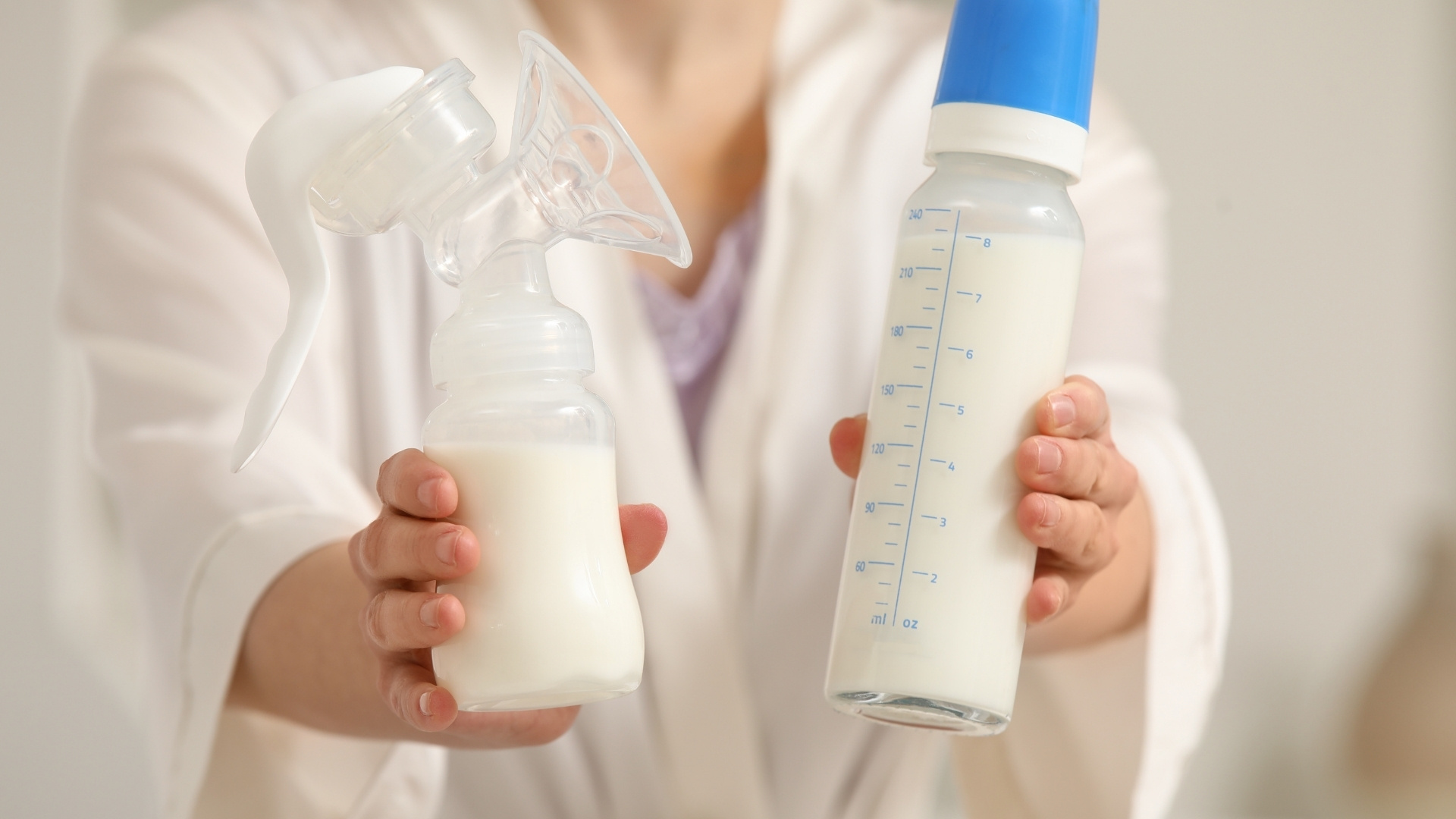
Even when you carefully follow storage and warming guidelines, it is important to trust your senses. Breast milk can change subtly when it is no longer safe to feed, and recognizing those signs helps you protect your baby with confidence rather than doubt.
Here are the most important signs that help you protect your baby:
- Unusual Separation That Does Not Blend: While natural separation of fat is normal, milk that does not mix back together after gentle swirling may indicate spoilage.
- Thick, Clumpy, or Stringy Texture: These changes are not typical of healthy breast milk and should be treated as a warning sign.
- Unexpected Color Changes: Slight color variation can be normal, but grayish, yellow-green, or murky tones may signal that the milk is no longer safe.
- Sour or Unpleasant Odor: Fresh breast milk has a mild, slightly sweet scent. A sharp, sour, or rancid smell is a strong indicator that the milk should not be used.
- When in Doubt, Discard: Even if the milk appears to fall within recommended time limits, an off smell means it should not be fed to your baby.
Why Trusting These Signs Matters: Your baby’s digestive and immune systems are still developing. Even slightly spoiled milk can cause stomach upset or illness, so it’s always safer to err on the side of caution.
Now that you know how to spot unsafe milk, the next step is learning proper storage and pumping habits to reduce reheating and preserve milk quality from the start.
How Proper Milk Storage And Pump Habits Can Reduce Reheating Needs
Reducing reheating starts long before feeding. Smart pumping and storage preserve milk quality, simplify routines, and minimize waste. Prepared with intention, milk can be warmed only as needed, making each feeding easier and safer.
These practical habits can make a meaningful difference:
Pump Into Smaller, Feed-Sized Containers
- Storing milk in smaller volumes allows you to warm only the amount your baby is likely to finish.
- This approach supports flexibility, especially as feeding patterns change from day to day.
- Smaller portions also make it easier to combine feeds without unnecessary reheating.
Dividing milk into feed-sized portions and using quality storage bags and bottles keeps each serving safe, fresh, and easy to use.
Use High-Quality Storage Bags And Bottles
- Durable, well-sealed storage products help protect milk from air exposure and contamination.
- Properly designed bottles and bags support safe storage, thawing, and warming without compromising milk integrity.
- Consistent storage tools create a predictable system that reduces handling errors.
Once milk is stored in quality bags and bottles, organizing feeds around your baby’s routine makes each feeding convenient, timely, and stress-free.
Plan Feeds Around Your Baby’s Routine
- Observing feeding cues and typical intake helps you prepare appropriate portions in advance.
- Planning feeds reduces guesswork and limits situations where milk is warmed but not used.
- A predictable routine supports both efficiency and peace of mind during busy days.
With strong storage and pumping habits in place, you create a smoother feeding process overall. Next, we will look at areas where insurance-covered breast pump services can offer helpful support and guidance.
How ICBP Can Support Safe Pumping and Milk Storage
Effective breast milk management often relies on the right tools and support. Reliable pumps and coordinated services make feeding routines more predictable and less stressful. Insurance-covered breast pumps (ICBP) help by simplifying access to essential pumping resources through insurance.
Below are key ways Insurance Covered Breast Pumps can help support better milk management:
- Access to Efficient, Medical-Grade Pumps: Insurance Covered Breast Pumps helps you obtain high-quality breast pumps through your insurance, supporting consistent milk expression and helping you build a feeding routine that aligns with your baby’s needs.
- Insurance Coordination That Removes Barriers: By managing insurance verification, prescriptions, and paperwork, Insurance Covered Breast Pumps reduces administrative stress, allowing you to focus more on feeding and less on logistics.
- Availability of Compatible Pump Accessories: Through insurance eligibility, accessories such as storage bags and pumping supplies can be easier to obtain, supporting organized milk handling and smoother day-to-day feeding plans.
- Support for Long-Term Feeding Consistency: Reliable equipment and coverage-backed supplies contribute to steady pumping habits, which can help reduce last-minute feeding challenges and unnecessary milk handling adjustments.
Also read: Elvie Pump vs Elvie Stride: A Realistic Comparison for Breast Pumps on the Go.
This support makes Insurance Covered Breast Pumps a trusted resource, helping mothers manage breast milk confidently with both guidance and practical tools.
Conclusion
Breast milk reheating guidelines exist to protect both safety and nutritional value, but they also serve another important purpose: they help you build confidence in your feeding decisions. When you understand how timing, handling, and preparation work together, feeding feels less stressful and more predictable, even on long or tiring days.
Supportive tools and reliable resources can make this process easier. Insurance Covered Breast Pumps helps remove common barriers by coordinating insurance-covered access to quality breast pumps and related supplies, allowing you to focus on consistent milk expression, organized storage, and smoother feeding routines without added administrative burden.
If you are preparing to pump or already storing milk for storage and feeding, you can take the next step by checking your insurance eligibility and seeing what support is available to you.
FAQs
1. Can breast milk be reheated straight from the refrigerator without thawing first?
Yes. Breast milk stored in the refrigerator can be gently warmed directly without thawing. Place the bottle in a warm water bath or use a bottle warmer. Avoid rapid heating, as gradual warming helps maintain milk quality and ensures a safe temperature for feeding.
2. Is it safe to warm breast milk overnight for later use?
It is not recommended to warm breast milk in advance for later use. Once milk is warmed, it should be used within a limited timeframe. Warming milk only when you are ready to feed helps reduce safety risks and preserves its nutritional integrity.
3. Is it safe to warm breast milk in a thermos or insulated container?
Using a thermos with hot water to warm a sealed bottle can be safe if temperatures are controlled. The water should be warm, not boiling. Careful monitoring prevents overheating and helps maintain the milk’s nutritional properties during warming.
4. Does reheating breast milk change its taste for babies?
Breast milk flavor can vary naturally based on diet and storage conditions. Gentle warming typically does not alter taste significantly. Some babies may notice slight changes, but most adapt easily. Consistent handling methods help minimize noticeable differences.
5. Are there different reheating guidelines for premature babies?
Premature infants may have more sensitive immune systems. While general reheating guidelines still apply, healthcare providers may recommend stricter handling or shorter timeframes. Parents of premature babies should follow individualized guidance from their neonatal care team.