












Postpartum Constipation After Birth: Causes, Comfort Tips, and When to Get Help
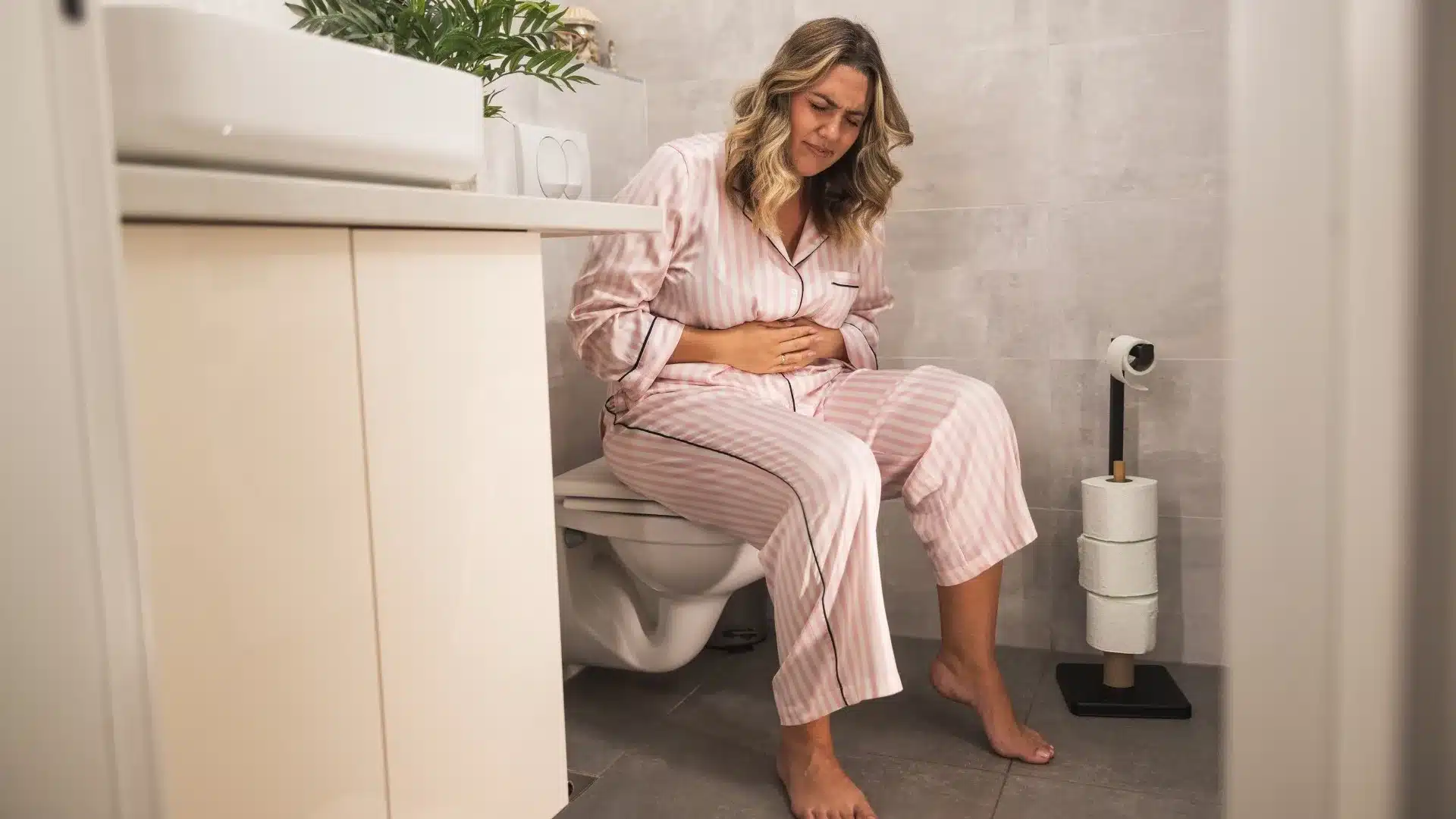
You’ve brought a tiny human into the world. Your body has done something extraordinary. And yet, somewhere between feeding schedules, recovery naps, and figuring out your baby’s cues, you might find yourself facing an unexpected and very real challenge: going to the bathroom.
For many mothers, the first few bowel movements after childbirth can feel surprisingly difficult. Add stitches, soreness, or the fear of straining, and it’s no surprise that postpartum constipation is something many moms quietly deal with.
If this is happening to you, take a breath. It’s more common than most people talk about, and there are gentle, effective ways to help your body feel comfortable again.
In this blog, we’ll walk through what postpartum constipation is, why it happens after childbirth, the risk factors to be aware of, and simple, doctor-recommended ways to find relief while your body continues to heal.
Key Takeaways
- Postpartum constipation is a common condition that many mothers experience after childbirth as the body heals and digestion gradually returns to normal.
- Hormonal changes, medications, dehydration, reduced movement, and healing from stitches or tears can all contribute to slower bowel movements after delivery.
- Simple habits such as drinking enough fluids, eating fiber-rich foods, moving gently, and adjusting toilet posture can help support regular and more comfortable bowel movements.
- Stool softeners or mild laxatives may be recommended by healthcare providers when constipation becomes uncomfortable or difficult to manage with lifestyle changes alone.
- If constipation lasts longer than a week, causes severe pain, or leads to symptoms like rectal bleeding or persistent discomfort, it is important to speak with a doctor.
What Is Postpartum Constipation?
After childbirth, your body goes through a period of healing and adjustment. Hormones are shifting, tissues are recovering, and your daily routine suddenly revolves around caring for a newborn. During this time, some mothers notice that having a bowel movement becomes more difficult than usual.
This experience is known as postpartum constipation. It refers to difficulty passing stool in the days or weeks after giving birth. For many moms, it can feel uncomfortable, delayed, or even a little intimidating at first. It can happen after both vaginal births and cesarean deliveries as your body recovers and digestion gradually returns to its normal rhythm.
Common Signs of Postpartum Constipation
Postpartum constipation may look slightly different for every mother, but some common signs include:
- Having fewer bowel movements than usual
- Passing hard, dry stools
- Needing to strain during a bowel movement
- Feeling like your bowels haven’t fully emptied
- Mild abdominal discomfort or bloating
If you notice these symptoms in the days after childbirth, you’re not alone. Many new mothers experience similar changes while their bodies heal.
Why It Can Feel Especially Difficult After Birth?
For many women, the first bowel movement after delivery can feel stressful. If you had perineal stitches, swelling, or hemorrhoids, it’s natural to feel nervous about straining or causing pain.
Some moms may even delay going to the bathroom because of this discomfort, which can, unfortunately, make constipation worse.
The important thing to remember is that postpartum constipation is usually temporary. As your body recovers, your digestion often improves with simple support like hydration, fiber-rich foods, gentle movement, and time for healing.
What Causes Postpartum Constipation?
It helps to know that constipation after birth is usually the result of a few things adding up, not one single problem. Below are the common causes, explained in straightforward, medically grounded terms so you can see what’s happening and what to watch for.
Hormonal Shifts That Slow Gut Movement
During pregnancy, your body makes more progesterone, which relaxes smooth muscle throughout the body, including the muscles that push food through your intestines. That slower muscle activity can mean stool moves more slowly and dries out in the colon.
After delivery, hormones change quickly, and it can take days to weeks for bowel motility to normalize.
Pain, Stitches, Hemorrhoids, and Withholding
If you had a vaginal tear, episiotomy, hemorrhoids, or stitches, the idea of pushing to poop can feel scary. Many moms unconsciously hold the urge to avoid pain; the longer you wait, the more water the colon reabsorbs and the harder the stool becomes.
That cycle of pain → withholding → harder stool → more pain, is a common trigger for postpartum constipation. Simple stool softeners and gentle positioning can break the cycle.
Medications: Opioids and Iron Supplements
Opioid pain medicines (sometimes given after a C-section or difficult birth) bind receptors in the gut and reduce intestinal secretions and contractions. Even a short opioid course can cause noticeable slowing of bowel transit, a well-described phenomenon called opioid-induced constipation.
Oral iron, often prescribed when blood loss occurred, frequently makes stools firmer and can worsen constipation. Your provider may suggest dietary changes, increased fluids, or a stool softener if you need iron.
Pelvic Floor Changes and Outlet Dysfunction
Childbirth stretches pelvic floor muscles and may temporarily affect the nerves that control them. That can disrupt the coordinated squeeze-and-relax sequence needed to empty your rectum (called defecatory coordination).
The result can feel like incomplete emptying, straining, or needing to press on the perineum to help pass stool. Pelvic-floor therapy or a targeted assessment can help if symptoms linger.
Dehydration and Higher Fluid Needs
Breastfeeding increases your fluid needs. If you’re not replacing those fluids, your body reabsorbs more water from the colon, which makes stool harder and more difficult to pass. Drinking regularly and pairing fluids with fiber helps keep stool soft.
Less Movement, Diet Changes, and Other Contributors
Rest and limited mobility in the immediate postpartum period reduce the normal physical stimulus for gut motility. Low-fiber meals, missed meals, or a sudden change in routine also matter.
Preexisting constipation during pregnancy, and even certain anesthetics (like epidurals) can add to the problem. Addressing several of these factors at once usually brings the fastest relief.
Also read: Postpartum Preeclampsia: Symptoms, Causes, and Treatment
Once you understand why postpartum constipation happens, the next step is finding gentle ways to help your body regain its natural rhythm. Relief usually comes from small, steady adjustments that support digestion while your body continues to heal.
Effective Ways to Relieve Postpartum Constipation
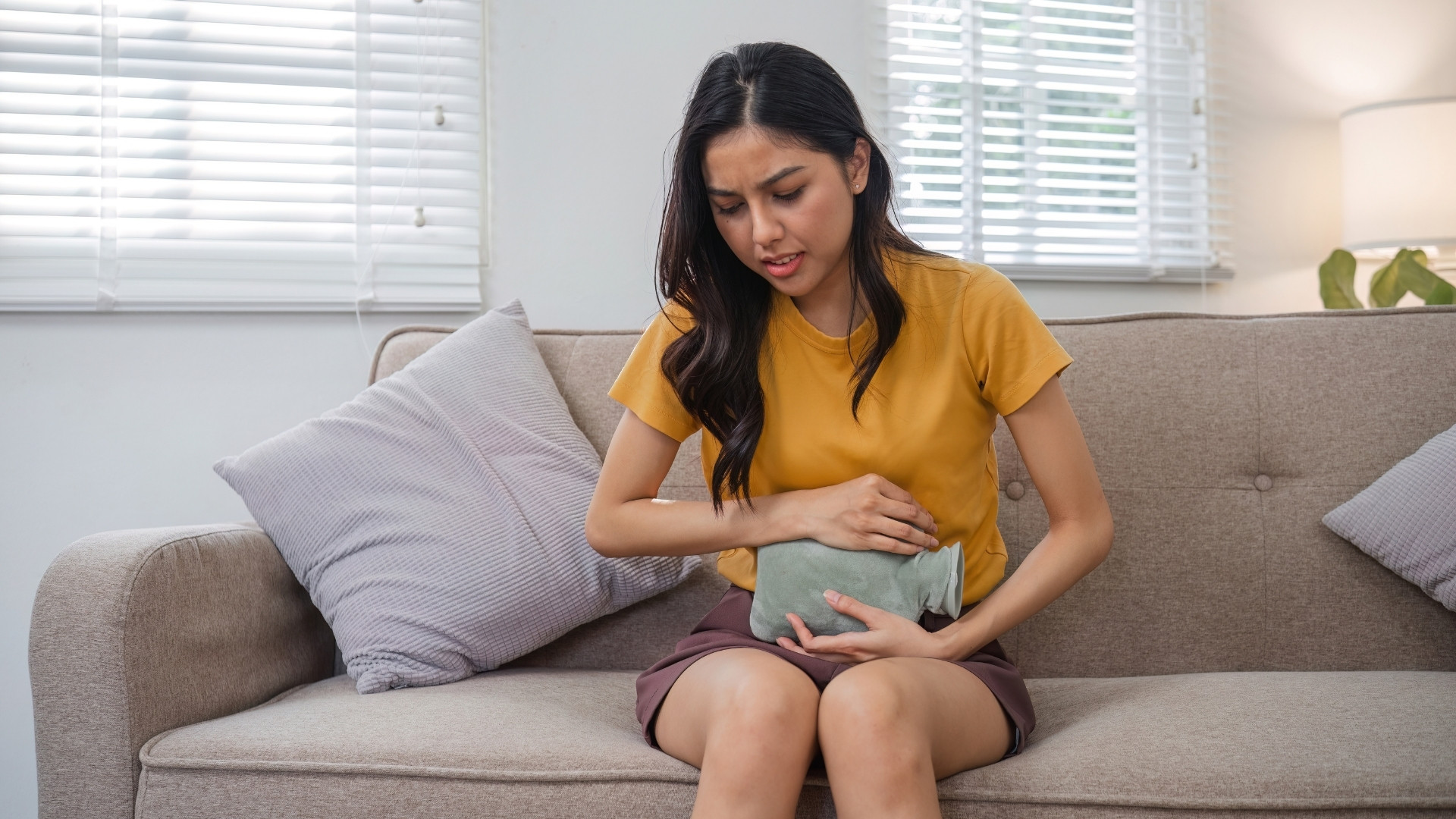
You’re healing, sleep is thin, and the last thing you need is the stress of being constipated. The good news: small, gentle changes usually help a lot.
Below are practical, doctor-recommended ways that many mothers use to ease postpartum constipation and support their recovery:
1. Drink Enough Fluids
Aim to sip throughout the day rather than gulping once. Staying well hydrated softens stool and helps it move through your colon. If you’re breastfeeding, your fluid needs are higher, keeping a water bottle nearby can make this easier.
Quick tips:
- Keep a glass or bottle within arm’s reach during feeds.
- Try warm drinks in the morning; they often jump-start digestion.
- If plain water is hard to get down, try diluted fruit juice or herbal tea.
2. Add Gentle, Reliable Fiber
Fiber bulks and softens stool, making it easier to pass. Whole foods are best: oats, bran cereals, lentils, beans, fruits (especially prunes and pears), and vegetables. A growing evidence base shows fiber supplements like psyllium can also help when natural intake is low.
How to start:
- Add a serving of fruit or whole grain cereal at breakfast.
- Try 1–2 prunes or a small glass of prune juice — they contain both fiber and sorbitol, which can help.
- If you use a fiber supplement, start slowly and increase fluid intake alongside it.
3. Move Your Body
Even short walks stimulate gut motility. When you’re cleared for activity, aim for light movement several times a day: a 10–15 minute walk, pelvic tilts, or gentle postpartum stretches. Reviews of postpartum care recommend gradual resumption of activity as a simple way to help bowel function.
Ideas that work:
- Walk the halls with baby in a carrier.
- Do a few standing leg swings or pelvic tilts between feeds.
- Avoid long periods of sitting when you can.
4. Work on Your Toilet Posture
How you sit can affect how easily stool comes out. Elevating your feet on a small stool so your knees are above your hips straightens the rectum and can make passing stool easier. This is a low-effort change with surprisingly good results.
Try this next time:
- Put a small step under your feet while you sit.
- Lean slightly forward with elbows on knees to relax the pelvic floor.
5. Use Stool Softeners
Many providers recommend a stool softener after birth to ease the first few bowel movements, especially if you have stitches or hemorrhoids. Docusate (a stool softener) is commonly suggested and is minimally absorbed systemically, which makes it a reasonable option during breastfeeding.
For stubborn constipation, especially when opioids are involved, osmotic laxatives such as polyethylene glycol (macrogol) are often recommended first-line.
What to mention to your provider:
- If you’re taking iron or opioids.
- Any history of bowel issues.
- Whether you’re breastfeeding.
Note: Always check with your clinician before starting medication so they can choose the safest option and dose for you.
6. Address Pelvic Floor Problems
If you feel like you’re not fully emptying, need to strain a lot, or are using manual pressure to pass stool, pelvic floor dysfunction may be part of the picture. Pelvic floor physical therapy can improve coordination and comfort and is supported by postpartum studies. Ask your clinician for a referral if symptoms persist beyond a couple of weeks.
Signs that pelvic floor might help:
- Constant feeling of incomplete emptying.
- Needing to press on the perineum to pass stool.
- Ongoing pain with bowel movements.
When Should You See a Doctor?
For many mothers, postpartum constipation improves within a few days with simple changes like drinking more fluids, adding fiber, and moving gently. But if constipation continues or becomes painful, it’s important to speak with your healthcare provider.
Your doctor can help identify what might be slowing your digestion and recommend treatments that make bowel movements more comfortable while your body heals.
Signs It May Be Time to Seek Medical Advice
You may want to contact your doctor if you notice:
- Constipation lasting longer than a week despite home remedies
- Severe pain during bowel movements
- Persistent bloating or abdominal discomfort
- Bleeding from the rectum or worsening hemorrhoids
- Difficulty passing stool even when you feel the urge
These symptoms don’t always mean something serious, but they are worth discussing with a healthcare professional.
Also read: Best Nausea Relief Bands Explained: Benefits, Types, and Top Picks
Possible Complications If Constipation Is Ignored
In rare cases, ongoing constipation can lead to complications if stool continues to build up in the intestines. These may include:
- Hemorrhoids: Straining during bowel movements can irritate or enlarge veins in the rectal area, causing pain, swelling, or bleeding.
- Fecal impaction: In some cases, stool becomes so hard and packed in the rectum that it cannot pass without medical treatment.
- Rectal prolapse: Repeated straining can weaken tissues and cause a small portion of the rectal lining to protrude through the anus.
- Pelvic floor weakness: Constant pressure from straining may weaken pelvic muscles, sometimes contributing to urinary leakage when coughing, sneezing, or laughing.
- Fecal incontinence: When the bowel becomes overly full, stool may leak out unintentionally.
These complications are uncommon, but they highlight why it’s important to address constipation early rather than waiting too long.
Trust What Your Body Is Telling You
If something about your recovery doesn’t feel right, it’s always okay to ask for help. Your healthcare provider is there to support you during this stage of healing.
If feeding challenges or recovery discomfort are making the early weeks feel overwhelming, speaking with a lactation consultant can offer gentle guidance and support as you and your baby settle into a healthier, more comfortable routine.
Final Words
The postpartum period is full of adjustments, some joyful, some surprising, and some that no one really warns you about. Constipation may not be the most glamorous part of recovery, but it’s a very normal one.
The good news is that postpartum constipation usually improves with time, patience, and a few supportive habits.
And if something feels off or symptoms don’t improve, reaching out to your healthcare provider is always the right step. Be patient with yourself. Healing takes time, and every small step toward feeling better is part of that journey.
FAQs
1. How long does postpartum constipation usually last?
For most mothers, constipation improves within a few days to a week after childbirth as the body adjusts and digestion returns to its normal rhythm. However, recovery times can vary depending on factors like diet, hydration, medications, and overall postpartum healing.
2. Is it normal to feel nervous about the first bowel movement after childbirth?
Yes, many mothers feel anxious about their first bowel movement after delivery, especially if they have stitches, swelling, or hemorrhoids. This feeling is very common, and gentle support such as stool softeners, hydration, and fiber can make the process more comfortable.
3. Can breastfeeding affect bowel movements after delivery?
Breastfeeding itself does not cause constipation, but it increases the body’s need for fluids. If fluid intake is not enough, stools can become harder and more difficult to pass.
4. Are natural remedies safe for postpartum constipation?
Many natural approaches, such as increasing fiber intake, drinking warm fluids, eating prunes, and taking short walks, are generally safe and commonly recommended to support digestion during postpartum recovery.
5. Does postpartum constipation mean something is wrong with recovery?
No. In most cases, postpartum constipation is simply part of the body’s adjustment after pregnancy and delivery. It does not usually indicate a serious problem and often improves with simple lifestyle changes and time.