










Best Nausea Relief Bands Explained: Benefits, Types, and Top Picks

Feeling nauseous can take over your entire day. Whether it’s morning sickness during pregnancy, motion sickness while traveling, or ongoing queasiness from migraines or anxiety, it’s exhausting to constantly feel unsettled.
You might be looking for something that helps without medication, without strong side effects, and without adding more stress to your routine. That’s exactly why nausea relief wristbands have become such a popular option.
If you’ve been searching for the best nausea relief band, this guide walks you through how they work, what to look for, and which options are worth trying, so you can find gentle relief that fits your body and lifestyle.
Key Takeaways
- The best nausea relief band is the one that feels comfortable on your wrist and fits your symptoms.
- There are different types available, including acupressure, electric pulse, and magnetic bands, each suited to different needs.
- Simple bands like Sea-Band work well for mild nausea, while electronic options may help with stronger symptoms.
- Wristbands are helpful for many people, but persistent or severe nausea should be discussed with a healthcare provider.
- ICBP supports breastfeeding preparation by making insurance-covered breast pumps easier to access.
What Are Nausea Relief Wristbands?
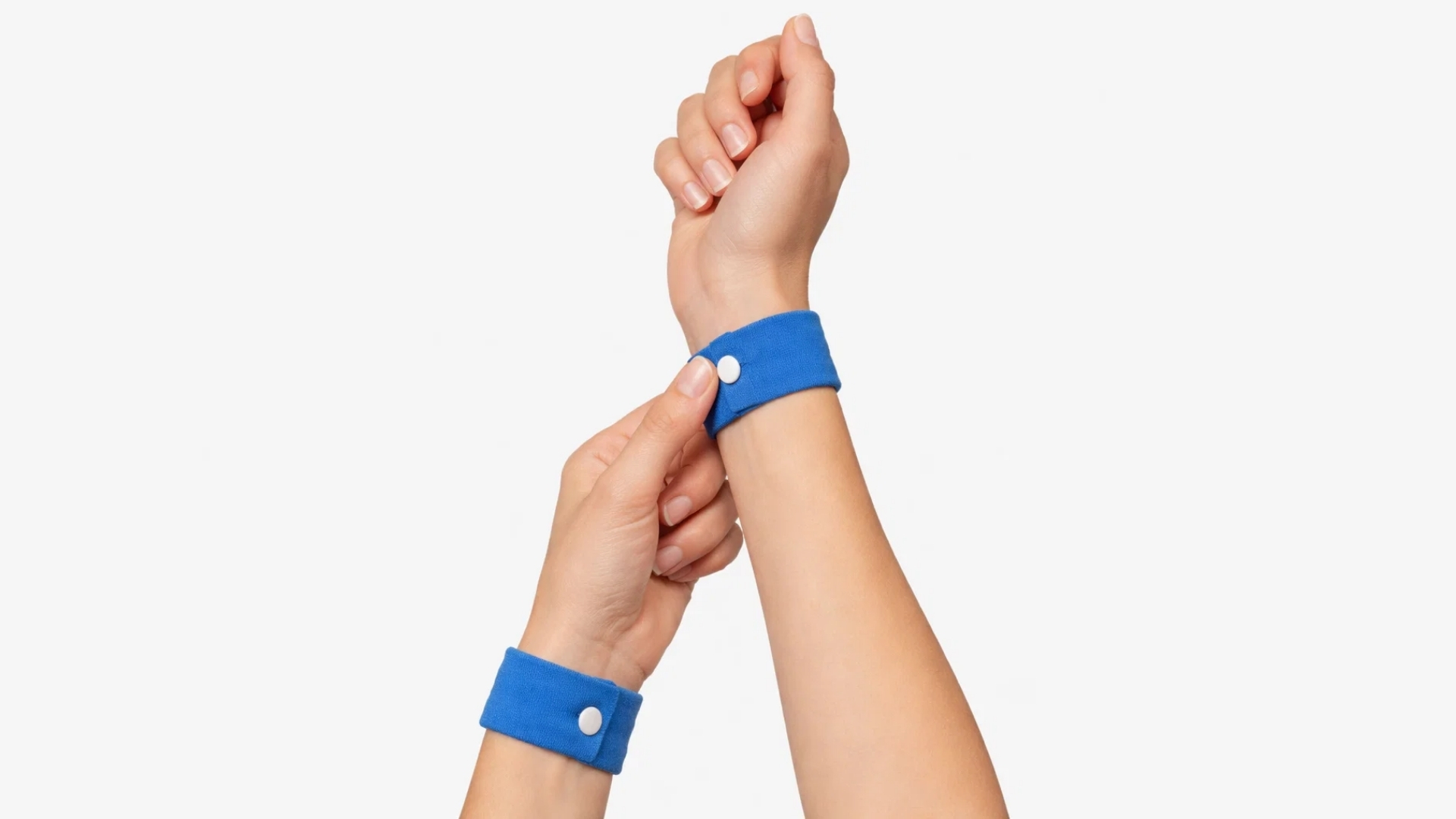
Nausea relief wristbands are soft bands worn around your wrist that use acupressure to help reduce feelings of nausea.
They apply gentle pressure to a point on your inner wrist called the P6 (Neiguan) point, which has long been used in traditional medicine to support digestion and calm nausea.
Many people use these bands for:
- Pregnancy-related nausea and morning sickness
- Motion sickness (car rides, flights, boats)
- Migraine-related nausea
- Post-surgery nausea
- Anxiety-related stomach discomfort
They’re drug-free, reusable, and easy to use, making them appealing for people who want a more natural option.
The Science Behind Anti-Nausea Wristbands
Anti-nausea wristbands may look simple, but they’re designed around how your body responds to gentle pressure. These bands work by applying steady pressure to a specific spot on the inside of your wrist, called the P6 point.
This point is linked to the body’s nausea response and the digestive system. When it’s gently stimulated, it may help calm the signals between your stomach and brain that contribute to feelings of nausea.
Here’s how the science breaks it down:
- Targets the P6 acupressure point: Located about three finger-widths below your palm crease on the inner wrist, this point is linked to nausea control.
- Helps regulate nerve signals: Gentle pressure may influence communication between your gut and brain, which plays a role in nausea.
- Supports digestive function: Stimulation of the P6 point can help reduce stomach discomfort and queasiness.
- Encourages natural relief without drugs: Because it relies on physical stimulation rather than medication, it avoids common side effects like drowsiness.
- Backed by growing research: Several studies suggest acupressure may help reduce nausea related to pregnancy, motion sickness, and post-surgical recovery.
While wristbands won’t eliminate nausea for everyone, many people find them to be a helpful, low-risk option worth trying, especially when medication isn’t ideal.
Suggested read: When Does Pregnancy Nausea Start and What Can Help
What Makes Anti-Nausea Wristbands Helpful
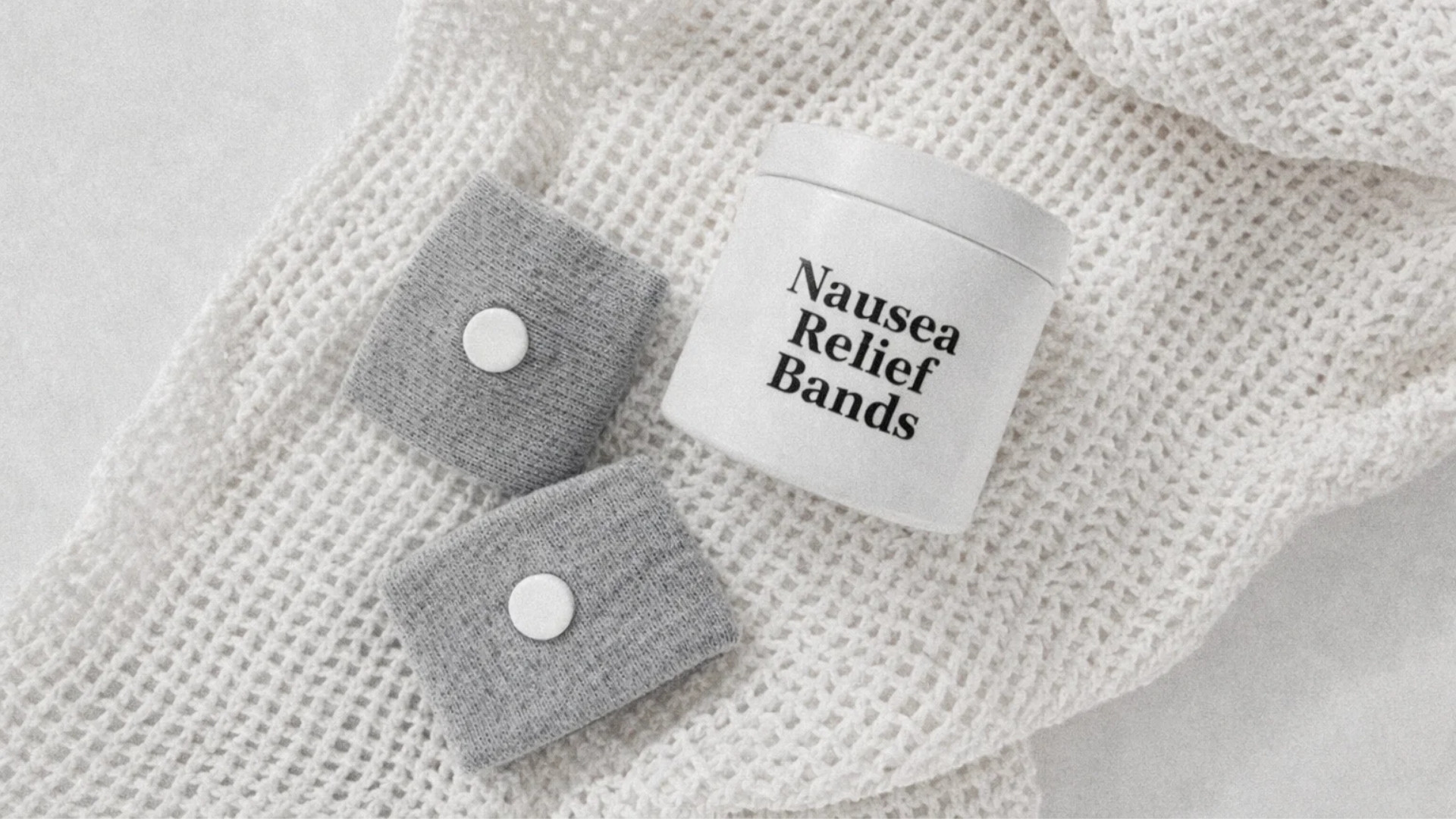
When nausea keeps interrupting your day, finding relief that feels safe and easy can make a meaningful difference. Anti-nausea wristbands offer a gentle option for managing discomfort without relying on medication or complicated routines.
Here are some of the key benefits:
- Drug-free relief: A natural option that avoids common medication side effects like drowsiness.
- Easy to use: Simply wear the band on your wrist; no timing, measuring, or preparation needed.
- Reusable and cost-effective: One pair can be used again and again, making them a budget-friendly option.
- Portable and discreet: Lightweight design makes them easy to wear at home, at work, or while traveling.
- Helpful for different types of nausea: Often used for morning sickness, motion sickness, migraines, and post-surgery nausea.
- Gentle and low-risk: Suitable for adults and children, with minimal risk when used correctly.
- Can be worn throughout the day: Comfortable enough for longer wear when symptoms come and go.
Types of Anti-Nausea Wristbands
Now that you understand how nausea relief wristbands work, it helps to know that not all bands are the same. Different types offer different levels of pressure, technology, and comfort, so you can choose the option that best fits your needs and lifestyle.
Below are the most common types of anti-nausea wristbands and how they differ.
1. Acupressure Wristbands
Acupressure wristbands are the most common and widely used type. They use a small, raised button or bead to apply gentle pressure to the P6 (Neiguan) point on your inner wrist, which is associated with relief from nausea.
These bands have been used for generations and are especially popular for motion sickness and pregnancy-related nausea.
Key features:
- Drug-free and non-invasive
- Adjustable elastic bands for comfort
- Soft, breathable materials for extended wear
- Reusable and affordable
- Easy to use without batteries or charging
Best for:
- Morning sickness during pregnancy
- Motion sickness (car, boat, plane)
- People who prefer natural, low-cost solutions
- Everyday, mild to moderate nausea
2. Electric Pulse Wristbands
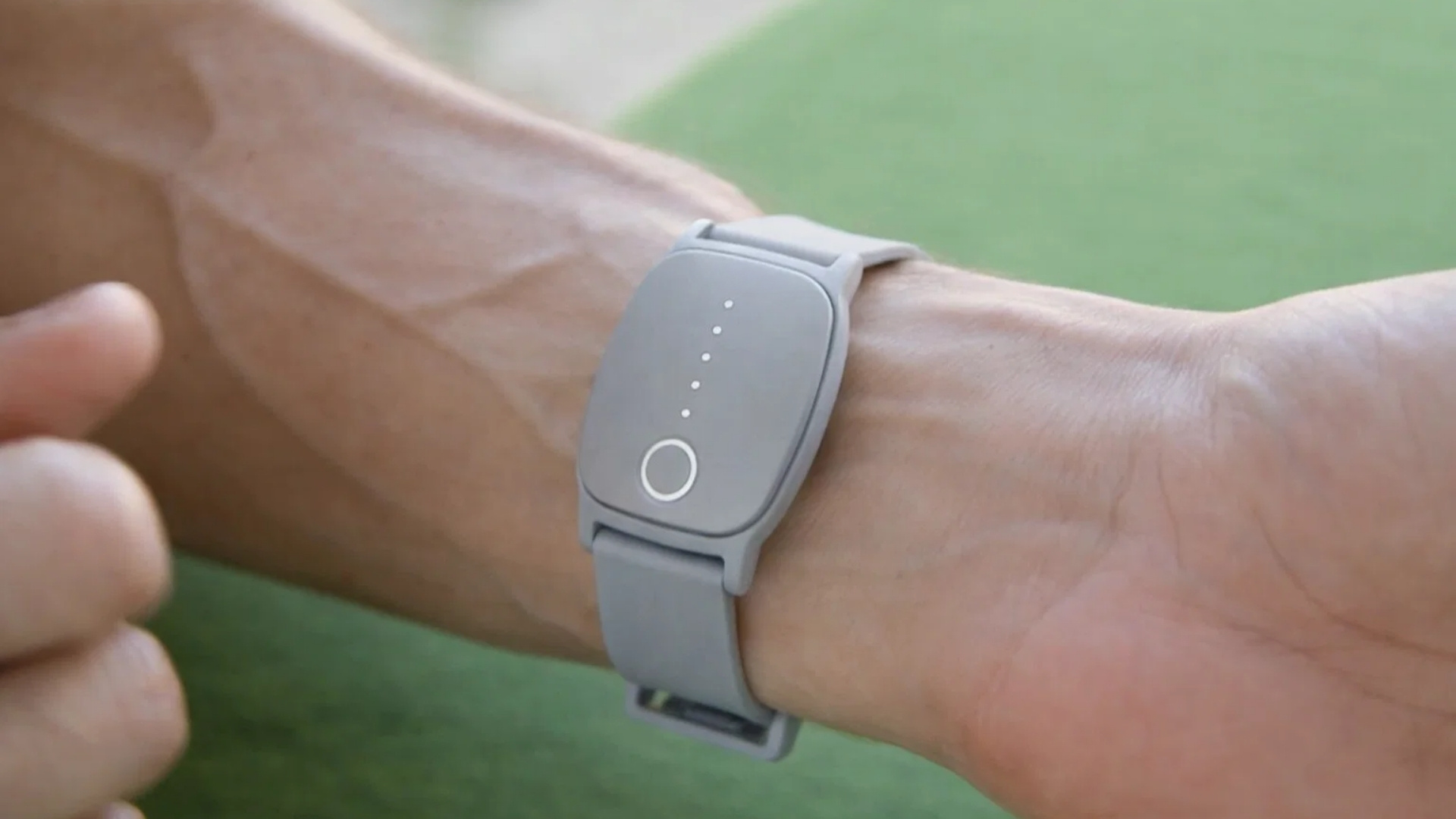
Electric pulse wristbands offer a more advanced option. Instead of pressure alone, they use gentle electrical pulses to stimulate the same P6 pressure point on the wrist.
These devices allow for adjustable intensity and often provide stronger stimulation than traditional bands.
Key features:
- Adjustable stimulation levels
- Rechargeable battery
- Some models include multiple modes for different types of nausea
- Drug-free but more targeted than basic bands
- Often designed with modern, sleek styles
Best for:
- Persistent or stronger nausea
- People who don’t get enough relief from acupressure bands
- Frequent travelers
- Those who want more control over intensity
3. Magnetic Wristbands
Magnetic wristbands use small built-in magnets positioned near the P6 point. Some users report relief, although scientific evidence around magnetic therapy for nausea is mixed.
They are still chosen by people who prefer alternative wellness approaches.
Key features:
- No batteries or charging required
- Lightweight and easy to wear
- Often made with hypoallergenic materials
- Can be worn all day comfortably
- Simple, low-maintenance design
Best for:
- People interested in holistic or alternative wellness tools
- Those with mild, occasional nausea
- Anyone who prefers non-electric options
Anti-nausea wristbands can be helpful for many people, but results vary. If nausea is severe, persistent, or affecting your ability to eat or stay hydrated, it’s always best to speak with a healthcare professional like ICBP.
Suggested read: Diarrhea During Pregnancy: Causes and Remedies
Top 5 Anti-Nausea Wristband Brands to Consider
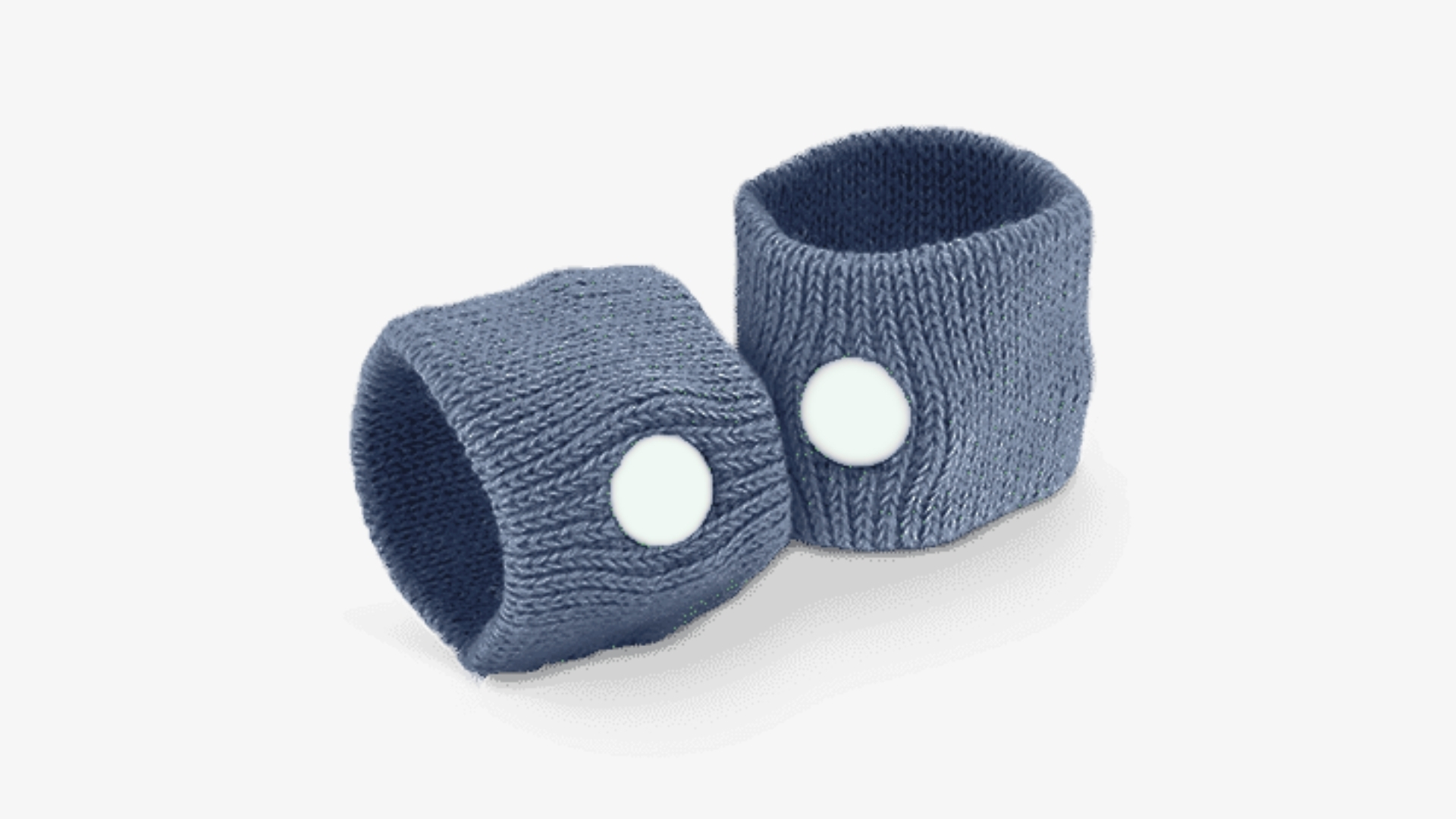
With so many options available, choosing the right brand can feel confusing. While no single product works for everyone, a few brands consistently stand out for comfort, design, and real-world user satisfaction.
Below are five popular options often recommended when people search for the best nausea relief band.
1. Sea-Band
Sea-Band is one of the most well-known names in acupressure wristbands. These classic elastic bands use a small plastic stud to apply pressure to the P6 point.
Key features:
- Drug-free, reusable design
- Comfortable elastic fit
- Affordable and widely available
- Suitable for adults and children
- No batteries or charging required
Best for:
- Motion sickness
- Pregnancy-related nausea
- First-time users
- Budget-friendly relief
2. Reliefband
Reliefband is a more advanced option that uses gentle electrical pulses instead of pressure alone. It’s often chosen by people with stronger or more persistent nausea.
Key features:
- Uses electrical neuromodulation (not just pressure)
- Adjustable intensity levels
- Rechargeable battery
- Clinically tested technology
- Sleek, wearable design
Best for:
- Severe motion sickness
- Cruise or air travel
- Migraine-related nausea
- People who want stronger relief
3. EmeTerm Wristband
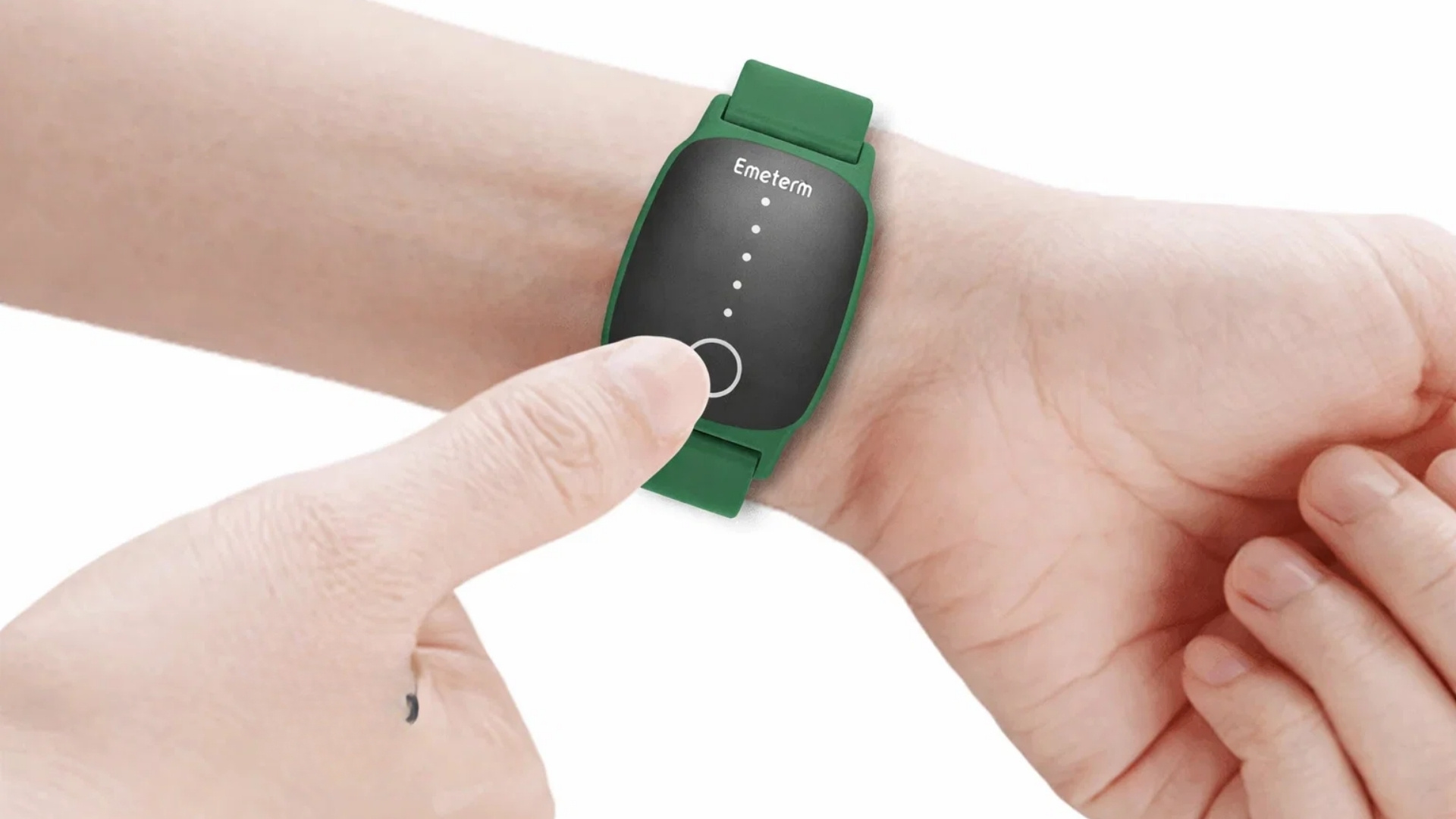
EmeTerm is a popular electronic nausea wristband that offers app-controlled customization in some models. It’s often marketed toward both pregnancy nausea and travel-related nausea.
Key features:
- Adjustable stimulation levels
- Rechargeable design
- Some models connect to a mobile app
- Comfortable silicone band
- Drug-free technology
Best for:
- Persistent daily nausea
- Tech-friendly users
- Pregnancy-related nausea
- People who want personalized settings
4. MQ Motion Sickness Bands
MQ bands are simple acupressure wristbands similar to Sea-Band but often come in multipacks and kid-friendly designs.
Key features:
- Basic acupressure design
- Lightweight and comfortable
- Often sold in value packs
- Good for both adults and children
- Easy to use and affordable
Best for:
- Families with children
- Occasional travel sickness
- Everyday mild nausea
- Budget-conscious buyers
5. Psi Bands
Psi Bands offer a slightly more premium version of traditional acupressure bands, with adjustable designs and different sizing options.
Key features:
- Adjustable strap instead of elastic
- More customizable pressure
- Available in adult and child sizes
- Reusable and drug-free
- Comfortable for longer wear
Best for:
- People who dislike tight elastic bands
- Long-term daily use
- Pregnancy nausea
- Those wanting adjustable comfort
The best nausea relief band is the one that feels comfortable on your wrist and fits your symptoms. Some people do well with simple acupressure, while others need the stronger stimulation of electronic bands.
Also Read: Breast Pumping Tips: Finding the Right Pump and Making It Work for You
How to Choose the Best Nausea Relief Band for You
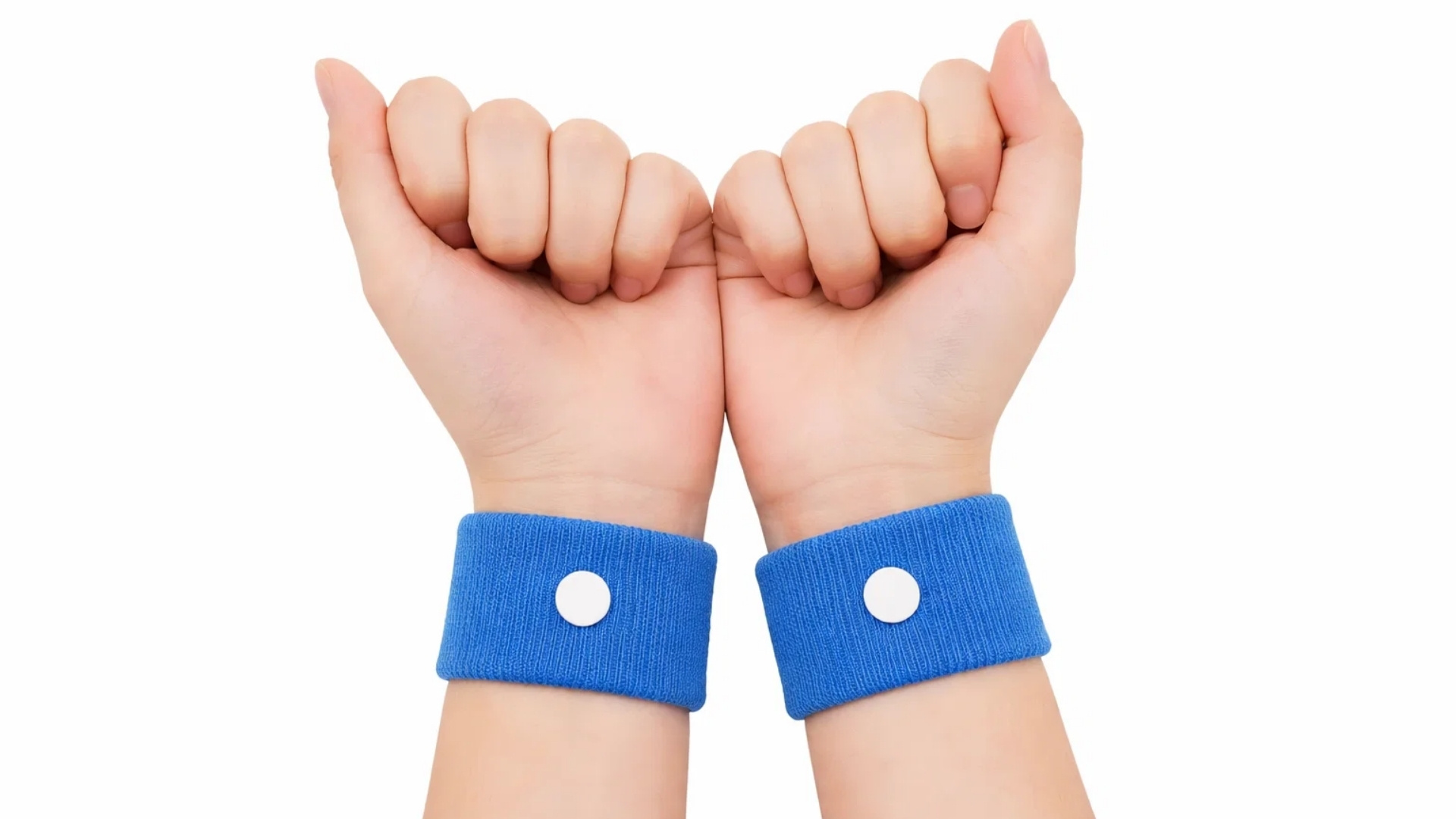
With so many options out there, finding the best nausea relief band can feel overwhelming. The right choice depends on how severe your symptoms are, when and where you need relief, and what feels comfortable on your body. Before deciding, it helps to think about your typical nausea triggers, your lifestyle, and how you want to wear the band.
Use the points below to guide your choice:
- Type of Nausea: Are your symptoms mild and occasional (like motion sickness), persistent (like pregnancy nausea), or intense (like migraine-related)? Simple acupressure bands may help with milder cases, while electronic bands could offer stronger relief.
- Comfort & Fit: Look for a band that feels comfortable for long periods, soft materials, and adjustable straps matter if you plan to wear it all day.
- Ease of Use: Do you prefer something you can pop on without charging or settings (like a basic acupressure band), or do you want adjustable intensity control (like an electric pulse band)?
- Travel & Portability: If you’ll use it on the go, trips, car rides, airplanes, choose bands that are lightweight and easy to pack.
- Technology Level: Traditional acupressure bands use physical pressure. Electronic bands add gentle pulses for stronger stimulation. Pick what matches your comfort level and symptom severity.
- Budget: Basic elastic bands are usually inexpensive and reusable. Electronic bands cost more but offer customizable stimulation and longer-term use.
- Allergies & Sensitivities: If you have sensitive skin, look for hypoallergenic materials or softer fabric straps.
- Feedback & Reviews: Real user experiences can help you see how a band performs for others with nausea similar to yours.
Thinking through these points will help you narrow your choices and pick a nausea relief band that works best with your body and your daily routine.
When Wristbands May Not Be Enough?
Nausea relief wristbands can be helpful for mild to moderate symptoms, but they aren’t a solution for every situation. Sometimes, ongoing or severe nausea needs more than acupressure support, and that’s okay.
Pay attention to your body and consider reaching out for medical guidance if you notice any of the following:
- Nausea that lasts all day or worsens over time
- Frequent vomiting that makes it hard to keep food or fluids down
- Signs of dehydration, such as dark urine, dizziness, or extreme fatigue
- Severe stomach pain or unexplained abdominal discomfort
- Unintentional weight loss due to poor appetite
- Nausea that interferes with daily activities, work, or sleep
- Nausea during pregnancy that feels unmanageable, especially if it feels more intense than typical morning sickness
Seeking extra support isn’t a failure; it’s a way to protect your health and get the care your body needs.
Conclusion
Managing nausea can be challenging, especially when you’re already navigating the physical changes of pregnancy or postpartum recovery. Nausea relief wristbands offer a simple, drug-free option that many people find easy to use alongside their daily routine.
At the same time, preparing for feeding after birth often means thinking ahead about essentials like a breast pump. Insurance Covered Breast Pumps (ICBP), helps simplify that part of the process by making it easier to access insurance-covered, medical-grade breast pumps, so one important decision feels more manageable.
Whether you’re exploring nausea relief options now or planning for pumping later, having reliable tools and clear support can make this phase feel a little easier to handle. Check your insurance eligibility today
FAQs
1. Do nausea relief wristbands actually work?
Many people find them helpful, especially for motion sickness and pregnancy-related nausea. Results vary from person to person, but consistent use and correct placement can improve effectiveness.
2. How long does it take for a nausea relief band to work?
Some people feel relief within a few minutes, while others may need to wear the band longer or use it consistently over several days.
3. Can I wear nausea wristbands all day?
Yes, most bands are designed for extended wear. As long as the band feels comfortable and isn’t irritating your skin, it’s safe to wear throughout the day.
4. Are nausea relief wristbands safe during pregnancy?
Generally, yes. Acupressure wristbands are drug-free and commonly used for morning sickness. If you have concerns or severe symptoms, it’s best to check with your healthcare provider.
5. Should I wear the band on one wrist or both?
For best results, most brands recommend wearing bands on both wrists to properly stimulate the P6 pressure points.
6. Can children use nausea relief wristbands?
Yes. Many brands offer child-sized versions, and they’re often used for car sickness and travel-related nausea in kids.
7. What if the wristband doesn’t help my nausea?
If your nausea is severe, persistent, or affecting your ability to eat or stay hydrated, it’s important to speak with a healthcare professional. Wristbands are a support tool, not a replacement for medical care.