










Can You Mix Formula and Breast Milk in the Same Bottle?
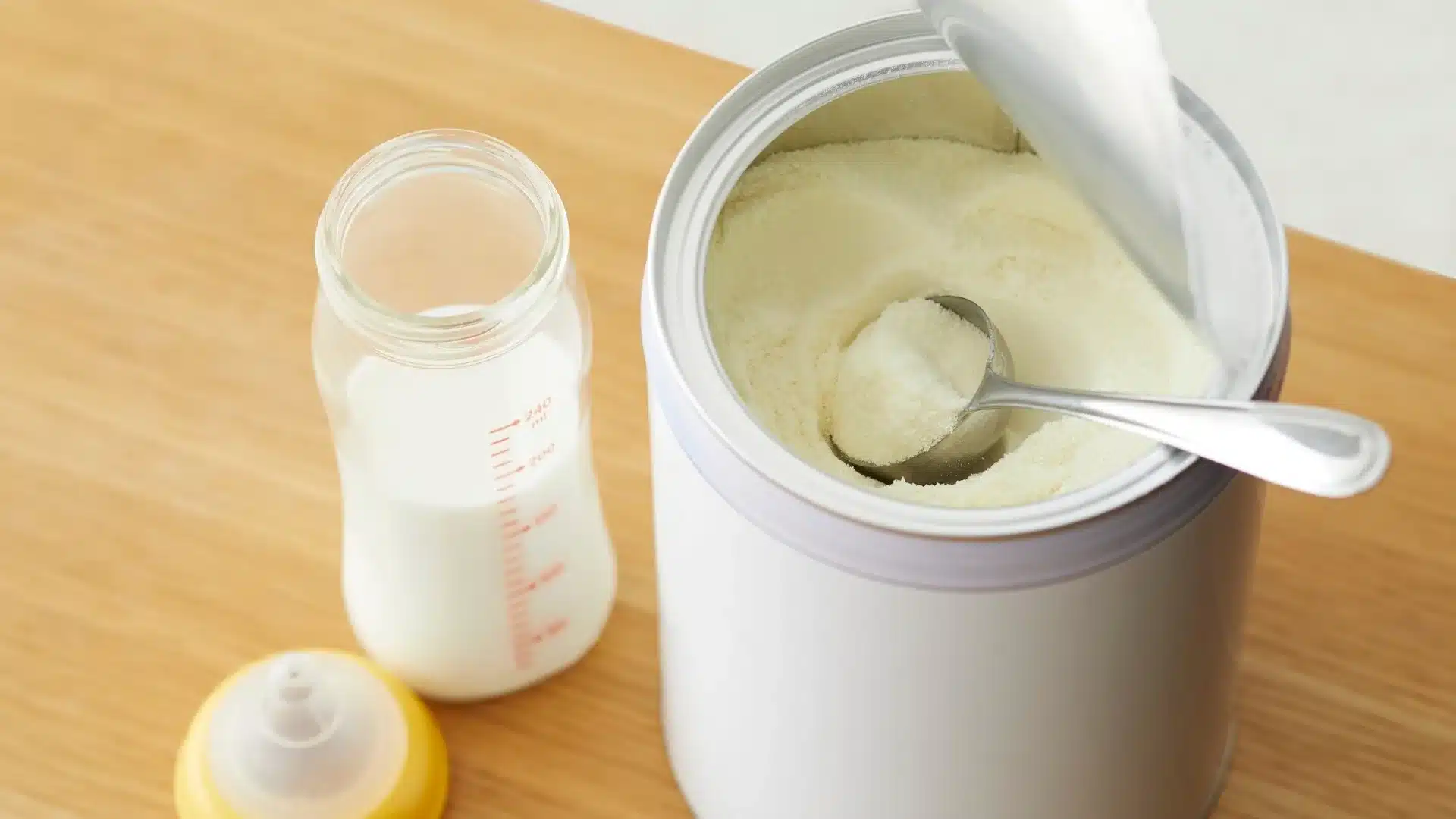
Feeding your baby doesn’t always look the same every day. Some days breast milk is plentiful, other days you may need to supplement with formula, and that can lead to a very common question: can you mix formula and breast milk in the same bottle?
The short answer is yes, you can, but there are important safety and preparation rules to follow. How you mix them, when you mix them, and how you store the bottle all matter for your baby’s health and for avoiding wasted milk.
This guide explains when it’s safe to mix formula and breast milk, how to do it correctly, and situations where keeping them separate may be the better option.
Quick Summary
- Formula should always be mixed with water first, then breast milk can be added after.
- Mixed bottles need to be used quickly, which means there’s a higher chance of wasting breast milk if your baby doesn’t finish.
- Mixing works best when feeds are predictable and your baby usually finishes bottles.
- If waste is a concern, offering breast milk first and formula after can be a gentler option.
- Combination feeding doesn’t undo breastfeeding, when used thoughtfully, it can support families through work, supply changes, or shared care.
- When you’re unsure what approach fits your baby or your supply, getting personalized guidance can make everything feel less stressful.
Is It Safe to Mix Formula and Breast Milk in One Bottle?
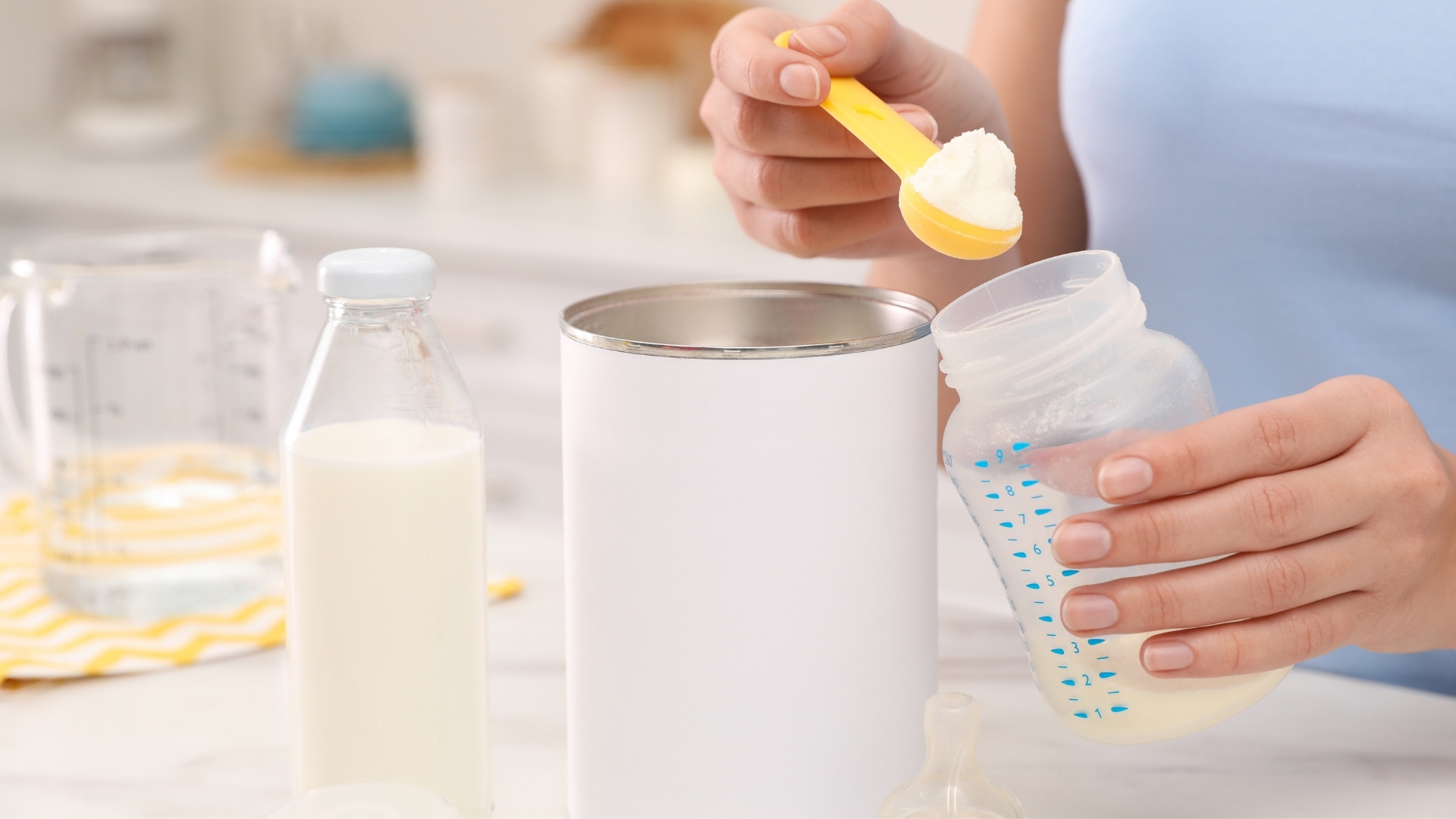
Mixing breast milk and formula in the same bottle, often called combination feeding, can be a practical option for many families, especially during transitions like returning to work, low milk supply, or shared caregiving. When prepared and handled correctly, it can safely support your baby’s nutritional needs.
In fact, one study found that early, limited use of formula alongside breastfeeding for newborns who were losing weight in the hospital had no negative impact on breastfeeding outcomes and was linked to lower hospital readmission rates.
This highlights that combination feeding, when used thoughtfully, can be a supportive tool rather than a setback.
- Always prepare formula first, exactly according to the manufacturer’s instructions, using the correct water-to-powder ratio
- Add breast milk only after the formula is fully mixed, never substitute breast milk for water when preparing formula
- Use the bottle within the recommended timeframe, following formula safety rules rather than breast milk storage rules
- Discard leftovers promptly if your baby does not finish the bottle
When these guidelines are followed, combining breast milk and formula does not pose additional health risks for healthy, full-term infants.
If your baby has specific medical needs, digestive sensitivities, or was born prematurely, it’s always best to confirm feeding methods with a pediatrician.
Benefits and Risks of Mixing Breast Milk and Formula
Mixing breast milk and formula in the same bottle can be a practical solution for many families, but it’s important to understand both the advantages and the trade-offs before deciding what works best for your feeding routine.
Benefits to Consider
- Greater flexibility with feeding: Combination feeding allows other caregivers to help with feeds, which can be especially helpful when returning to work or managing a busy schedule.
- Supports varied milk supply needs: Mixing can help stretch breast milk during times of lower supply or when feeding multiples.
- Simplifies bottle preparation: Using a single bottle instead of separate feeds can reduce prep time and the number of bottles to wash.
- Eases transitions: Some babies adjust more easily when breast milk and formula are combined rather than offered separately.
Risks to Be Aware Of
- Shorter safe-use timeframe: Freshly expressed breast milk can sit at room temperature for up to four hours, but once formula is added, the mixed bottle should be used within two hours, according to guidance from the Centers for Disease Control and Prevention (CDC).
- Increased chance of milk waste: If your baby doesn’t finish the bottle, any remaining milk, both formula and breast milk, must be discarded.
- Reduced storage flexibility: Mixed bottles cannot be frozen and must follow formula storage rules, which are more restrictive than breast milk alone.
Suggested read: Breastfeeding and Pumping Schedule for New Moms
How to Mix Breast Milk and Formula Together
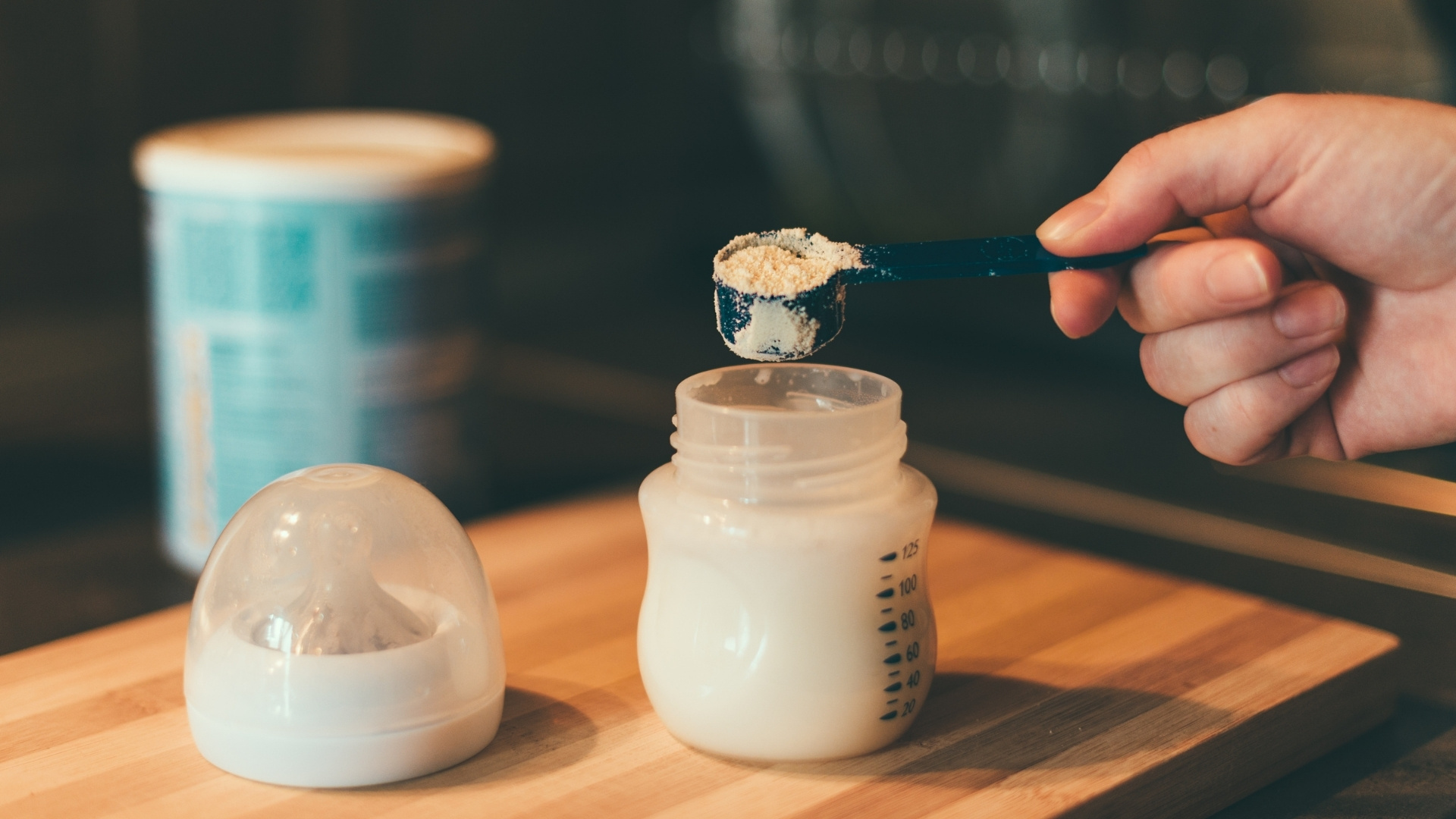
Mixing breast milk and formula involves more than simply combining them. The order of preparation, correct formula dilution, and storage rules all affect safety, nutrition, and potential breast milk waste. Understanding these small but important details helps parents manage combo feeding confidently and efficiently.
1. Wash your hands and prepare a clean bottle
Start by washing your hands thoroughly. Use a clean, sterilized bottle and nipple to reduce the risk of contamination.
2. Prepare the formula first
- Measure water exactly as instructed on the formula package
- Add the correct amount of formula powder
- Mix well until the formula is fully dissolved. Never replace water with breast milk when preparing formula.
3. Let the formula cool if needed
If you used warm water, allow the prepared formula to cool to room temperature or refrigerator temperature before adding breast milk. This helps preserve breast milk nutrients.
4. Add breast milk to the prepared formula
Once the formula is ready, gently pour in the desired amount of breast milk. Swirl the bottle to combine; avoid shaking, which can break down milk proteins.
5. Feed promptly
Offer the bottle to your baby as soon as possible after mixing, following safe feeding time guidelines.
6. Follow formula-based storage rules
When breast milk and formula are combined:
- The bottle is good for up to 2 hours at room temperature
- Once feeding begins, discard any leftovers after 1 hour
- Do not refrigerate or reuse a partially fed bottle
7. Discard unused milk safely
If your baby does not finish the bottle within the recommended time, throw it away to prevent bacterial growth.
Mixing breast milk and formula can work well for combination feeding when done thoughtfully. If minimizing breast milk waste is a concern, you may choose to offer breast milk first and follow with a small amount of prepared formula if your baby is still hungry.
Suggested read: How to Choose the Best Breast Pump for Exclusive Pumping
When Mixing Breast Milk and Formula Makes Sense (and When It Doesn’t)
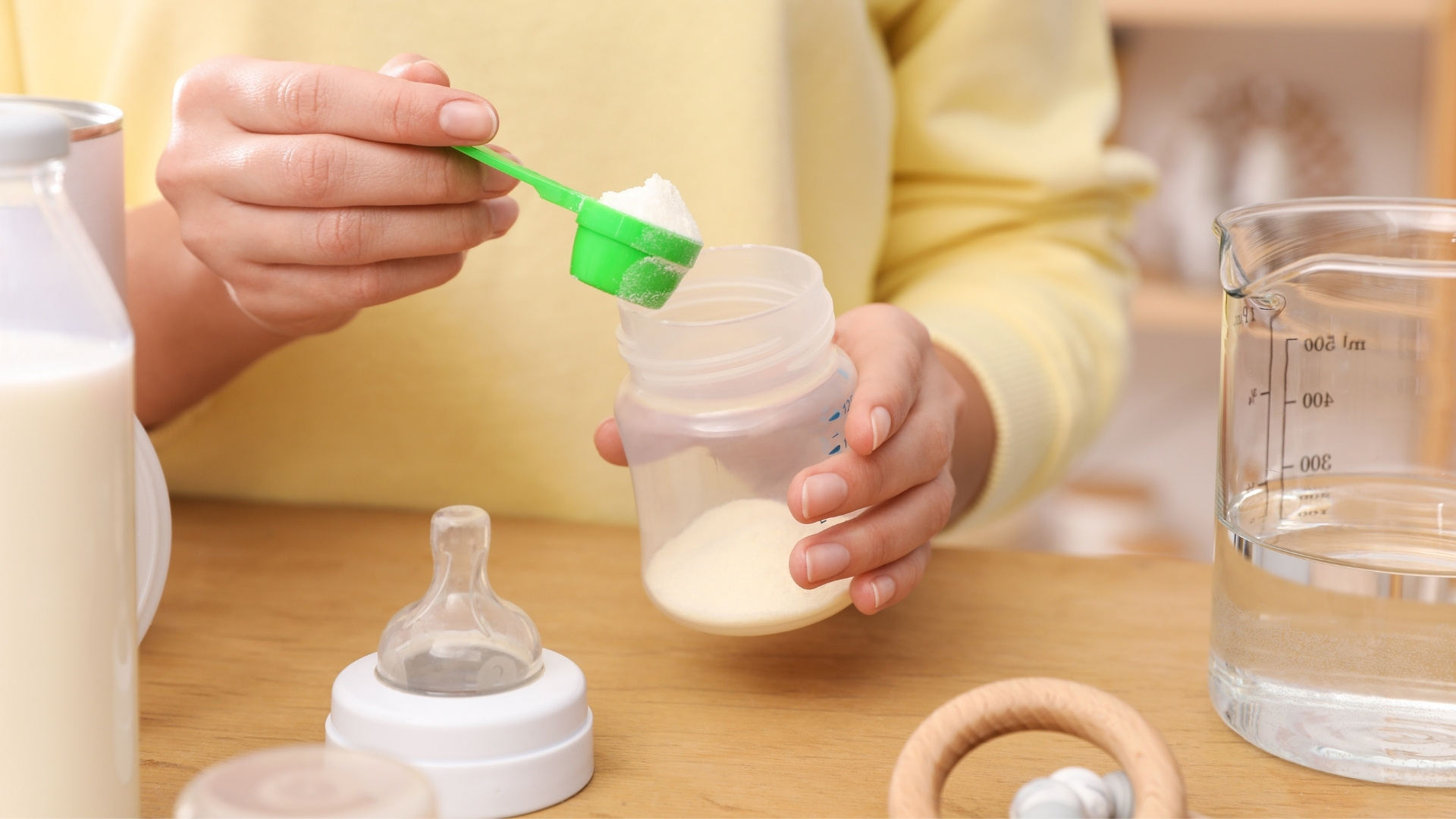
Mixing breast milk and formula in the same bottle isn’t an all-or-nothing rule; it’s a situational choice. In some moments, it can be practical and supportive. In others, it may lead to unnecessary waste or stress. Understanding when mixing works best can help you use this option more intentionally.
1. Situations Where Mixing Can Be Helpful
- When your baby consistently finishes full bottles
- During predictable feeds (for example, a daycare or bedtime bottle)
- If combination feeding is part of your long-term routine
- When caregivers prefer one prepared bottle instead of two
In these cases, combining feeds may simplify schedules and reduce prep time.
2. Situations Where Mixing May Not Be Ideal
- If your baby often leaves milk unfinished
- When using freshly pumped breast milk, you don’t want to waste
- During cluster feeding or unpredictable hunger periods
- When you’re still assessing how much your baby typically drinks
In these moments, offering breast milk first and formula separately can help protect your milk supply and reduce loss.
If you’re unsure whether mixing bottles is the best choice for your feeding goals, a lactation consultant can help you tailor an approach that fits your baby’s needs, your milk supply, and your daily routine, without pressure or judgment.
Also Read: Top Breastfeeding Essentials for New Moms: What to Buy and Why
Storage Guidelines When Mixing Formula and Breast Milk in the Same Bottle
When breast milk and formula are part of your feeding routine, storage rules matter just as much as preparation. Each type of milk follows different safety timelines, and once they’re combined, the stricter rule always applies.
Knowing these basics can help protect your baby’s health and prevent unnecessary waste.
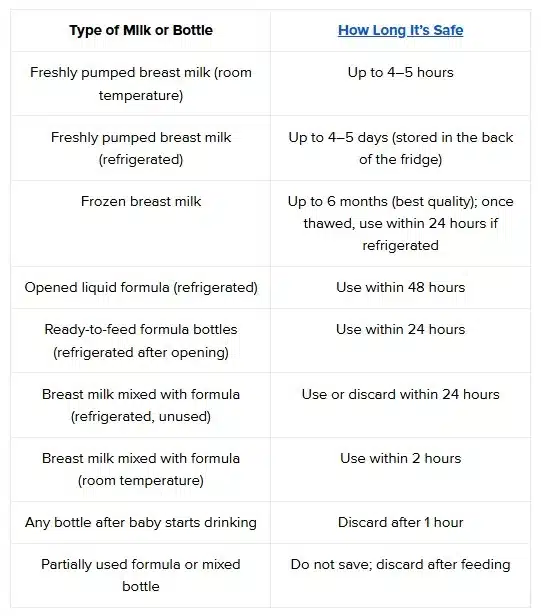
If you’re ever unsure which rule applies, follow the shortest and strictest timeframe. When breast milk and formula are combined, formula safety guidelines always take priority.
Suggested read: Electric Breast Pump Guide: Safe, Comfortable Pumping Made Simple
How Insurance Covered Breast Pumps (ICBP) Can Help Support Combination Feeding

When you’re managing combination feeding, pumping schedules, and bottle prep, having the right support in place can make everything feel more manageable. Access to a reliable breast pump and replacement supplies can reduce stress and help protect your breast milk supply, especially if pumping is part of your routine.
Insurance Covered Breast Pumps (ICBP) helps simplify this process by handling the insurance details for you. Instead of spending time on phone calls or paperwork, ICBP works behind the scenes so you can focus on feeding your baby in the way that works best for your family.
ICBP can help by:
- Checking your insurance eligibility for breast pumps and pumping supplies
- Coordinating with your OB-GYN or healthcare provider for required prescriptions
- Helping you access medical-grade breast pumps covered by your plan
- Ensuring approved equipment is delivered directly to your home
Our goal is to help you start pumping with confidence, the right equipment, and less stress.
Final Thoughts
Feeding your baby doesn’t have to follow a single path. Mixing breast milk and formula can be a flexible option during different seasons of parenthood, whether you’re handling work, supply changes, or shared caregiving.
What matters most is following safe preparation practices and choosing an approach that feels realistic and supportive for your family. Having the right support can also make a difference.
Insurance Covered Breast Pumps (ICBP) helps simplify access to medical-grade breast pumps covered by insurance, so you can pump and feed with confidence. Check your insurance eligibility today and get the support you need for your feeding journey.
FAQs
1. Can you mix breast milk and formula in the same bottle?
Yes. It’s safe to mix breast milk and prepared formula in the same bottle as long as the formula is made correctly first and storage guidelines are followed.
2. Should formula be prepared before adding breast milk?
Always prepare formula with water first according to the package instructions. Breast milk should never be used in place of water when mixing formula.
3. Does mixing formula and breast milk reduce nutritional value?
No. Mixing does not reduce the nutritional benefits of breast milk or formula, but storage rules become stricter once they’re combined.
4. How long is a mixed bottle good for?
A bottle containing both breast milk and formula should be used within 2 hours at room temperature. Once your baby starts drinking from it, discard any leftovers after 1 hour.
5. Can you store mixed breast milk and formula in the fridge?
It’s best to prepare mixed bottles right before feeding. If needed, refrigerated mixed milk should follow the shortest storage window based on formula safety guidelines.
6. Will mixing breast milk and formula affect breastfeeding?
Combination feeding works well for many families. If you’re concerned about supply or feeding patterns, a lactation professional can help guide you.
7. Is it better to offer breast milk first, then formula?
Many parents choose to offer breast milk first to avoid wasting it, then supplement with formula if their baby is still hungry.
8. Is combination feeding okay for newborns?
Yes. In certain situations, early limited formula use alongside breastfeeding has shown no negative impact on breastfeeding and may reduce hospital readmissions when babies are losing weight.