










Making Sense of Pumping Let Down and Supporting Your Milk Flow
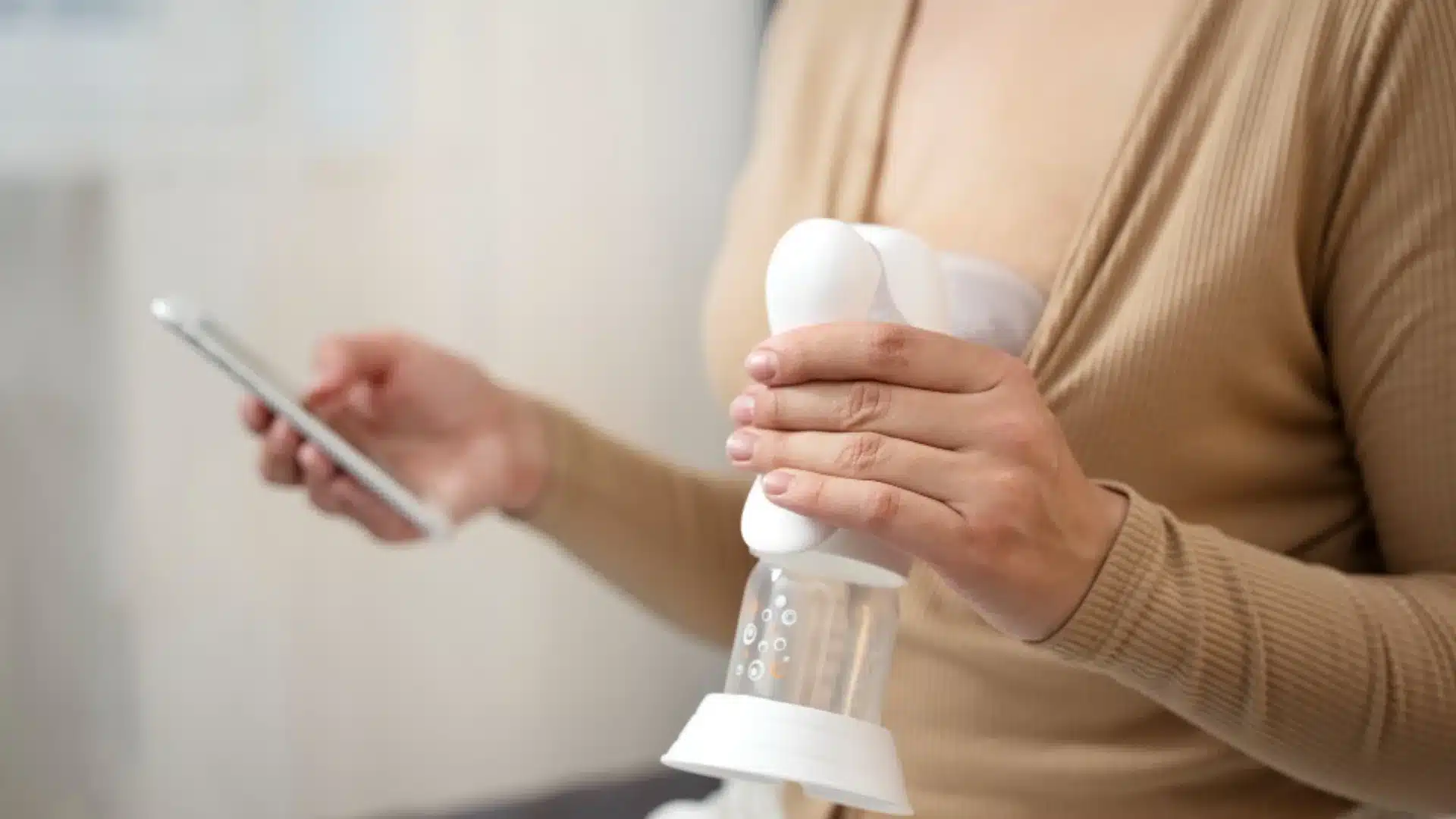
You sit down to pump, hoping for a good session, and… nothing seems to happen. If you’ve been searching for answers about pumping let down, you are not alone. Many moms feel confused or worried when milk does not start flowing right away, especially when time is limited and emotions are already running high.
The truth is, pumping let down can take practice, and trouble getting milk flow is very common in the early weeks. Small changes in comfort, routine, or equipment can make a big difference.
In this guide, you will learn what let-down is, why it sometimes does not happen, and simple ways to help your milk start flowing more easily.
Key Takeaways
- Milk only flows into your pump after the let-down reflex activates, even if your breasts feel full.
- Some moms feel tingling, warmth, or pressure during let-down, while others notice it only by seeing milk start to flow.
- Let-down usually begins within a couple of minutes, but stress, discomfort, or early postpartum hormone shifts can delay it.
- Milk releases in waves, so using warmth, breast compressions, or switching pump modes can help trigger additional let-downs.
- A well-fitting, strong, and adjustable pump can improve stimulation and make let-down easier and more consistent.
What Is Pumping Let Down?
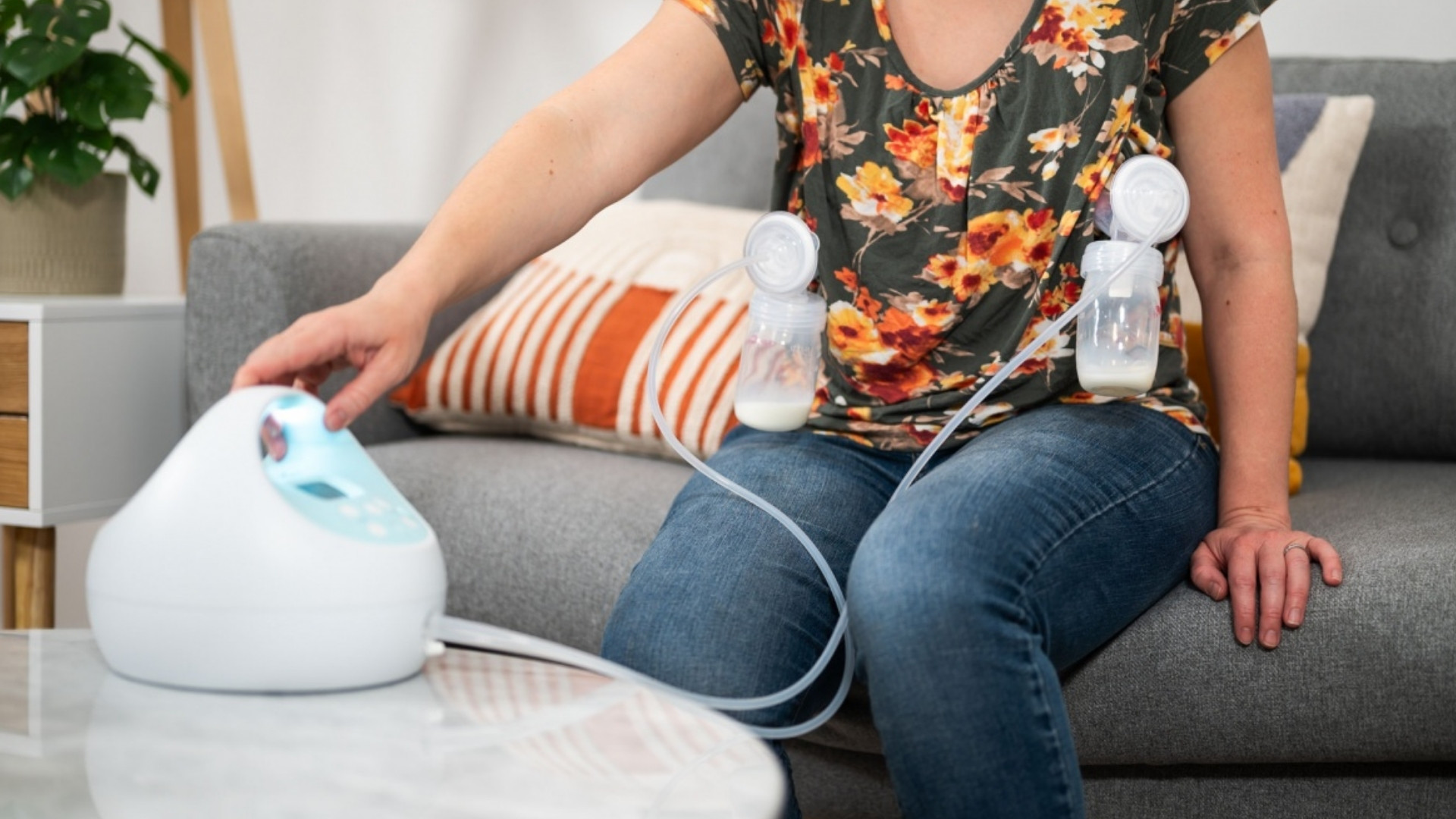
Pumping let down is the moment your body switches ‘milk flow’ on so your pump can actually collect milk. Your breasts may be full, but milk will not move until this reflex is triggered.
When let-down begins during pumping, a series of automatic changes start happening inside your body to move milk forward.
- Nipple Nerves Send the Signal: Pump suction stimulates sensitive nerves in your nipple that send a message up your spinal cord to your brain.
- Oxytocin Is Released Into Your Bloodstream: Your brain responds by releasing oxytocin, the hormone responsible for pushing milk out of the milk-making glands.
- Milk Glands Physically Squeeze: Tiny muscle-like cells wrapped around milk sacs (alveoli) contract, gently pressing milk forward into the ducts.
- Milk Ducts Open Wider: Oxytocin also helps widen the milk ducts, making it easier for milk to travel smoothly toward your nipple and into the pump.
- Milk Flow Begins in Waves: This reflex usually starts within 1-2 minutes of pumping and can happen more than once in the same session.
So if you ever wonder why milk does not start flowing right away, it is not because you are doing anything wrong. Your body simply needs this reflex to activate first, and that is completely normal.
What Does Let Down Feel Like When Pumping?

When pumping, let-down happens; some moms notice clear body signals, while others feel nothing at all and only see changes in milk flow. Both experiences are completely normal.
Many moms describe these sensations and body cues during a pumping let-down:
-
Pins-And-Needles Sensation
A brief tingling or prickly feeling spreads through one or both breasts as milk starts moving from deep gland tissue toward the ducts.
-
Sudden Breast Pressure
A quick build-up of fullness or internal pressure can happen as milk shifts forward, even if your breasts felt soft seconds earlier.
-
Warm Rush Feeling
Some moms notice warmth spreading across the breast surface, caused by increased blood flow and hormonal activity during milk release.
-
Thirst Surge Response
You might suddenly feel very thirsty. Oxytocin can trigger this reflex, especially in the early weeks postpartum.
-
Uterine Cramping Sensation
In the first few weeks after birth, oxytocin release can cause mild, period-like cramps as your uterus continues shrinking.
Not feeling any of these? That is still completely okay. Many moms only recognize letdown by seeing milk flow change in the pump.
How Long Should Let Down Take When Pumping?

Most pumping let-downs begin fairly quickly, but timing can vary from session to session. If milk does not start flowing right away, that does not mean anything is wrong.
This is what normal timing can look like while pumping:
- Typical Start Window: Many moms see milk begin flowing within 60 to 120 seconds after turning on the pump in stimulation or massage mode.
- Pause And Restart Pattern: Milk may flow for a few minutes, slow down, then start again if you keep pumping and re-trigger stimulation mode.
- Multiple Reflex Cycles: Many moms experience multiple let-downs in a single pumping session, especially after the early weeks, though the number and timing can vary widely.
- Early Weeks Variability: During the first two postpartum weeks, hormonal shifts can make let-down timing inconsistent from one session to the next.
- Delayed Let Down Triggers: Stress, nipple pain, cold temperature, or poorly fitting flanges can extend let-down timing beyond the usual two-minute window.
If your let-down takes longer sometimes, you are not failing. Your body often responds better to comfort, routine, and a little patience.
No Let Down When Pumping? Here’s Why
If milk is not flowing when you pump, it usually means your let-down reflex has not switched on yet. This reflex depends on oxytocin, and several specific physical and emotional factors can interrupt it.
These are some common reasons milk might not be released during pumping:
- Stress Hormone Interference: Anxiety and tension raise stress hormones that can temporarily slow your body’s ability to release milk.
- Weak Stimulation Pattern: If suction is too light or the cycle speed is not right, your body may not get a strong enough signal to respond.
- Pain Signal Suppression: Nipple pain from high suction or rubbing can cause your body to tense up, which can interrupt milk release.
- Cold-Induced Vasoconstriction: Feeling chilly can make breast tissue tighten, which may slow milk flow during pumping.
- Missing Sensory Cues: Pumping without your baby nearby can make it harder for your body to relax into milk release.
If this sounds familiar, you are not doing anything wrong. A few comfort adjustments can often help your body feel safe enough to let milk flow.
Trying to figure out when to nurse, when to pump, and how it all fits into your day? You will feel much more confident with a simple plan in Breastfeeding and Pumping Schedule for New Moms.
How to Get More Let Downs While Pumping

If your milk flow slows after the first release, you can often trigger additional let-downs in the same session. Small, intentional adjustments can help your body restart milk ejection.
These practical adjustments can support repeat let-downs while pumping:
- Re-Trigger Stimulation Mode: When milk slows to drips, switch back to fast, light suction for 60–90 seconds to stimulate another release.
- Breast Compression Cycles: Gently compress and release your breast in rhythm with suction to help move milk from deeper ducts toward the nipple.
- Warmth Mid-Session: Lay a warm compress over the flange area for two minutes to relax tissue and support another milk release.
- Flange Micro-Adjustment: Slightly rotate or reposition the flange to stimulate different milk ducts that may still contain milk.
- Hands-On Pumping Technique: Massage from the chest wall toward the nipple while pumping to encourage milk movement from deeper gland areas.
Multiple let-downs are normal and often needed for fuller drainage. With the right techniques, your body can release milk in waves throughout the session.
Heading back to work and wondering how you will manage pumping during the day? You are not alone, and a little planning can make it feel much more doable when you read Pumping at Work…From Someone Who’s Been There.
When to Ask for Help With Pumping Let Down
Sometimes, pumping challenges go beyond simple tweaks. If let-down continues to feel impossible or stressful, getting expert support can make a big difference for both your milk supply and your peace of mind.
Here are specific signs it is time to reach out for professional guidance:
- Repeated Dry Pumping Sessions: If multiple sessions produce only drops despite proper timing and full-feeling breasts, milk ejection may not be activating effectively.
- Ongoing Nipple Or Breast Pain: Sharp, burning, or pinching pain during pumping can signal flange trauma or nerve irritation that blocks oxytocin release.
- Milk Output Suddenly Drops: A noticeable decrease after previously normal output may point to hormonal, equipment, or breast tissue issues needing evaluation.
- Confusion About Pump Settings: If changing speeds, suction levels, or modes feels overwhelming, a lactation professional can help fine-tune your setup.
- Emotional Distress Around Pumping: Dread, anxiety, or tears before sessions can create a stress cycle that interferes with let-down and deserves supportive care.
You do not have to figure this out alone. A lactation consultant or breastfeeding specialist can assess your pump, technique, and comfort to help milk flow more easily.
Your Pump Matters More Than You Think

If let-down feels hard to trigger, your pump may be part of the reason. Different pumps create different suction patterns, and that directly affects how well your body responds.
Several pump-related features can affect comfort and milk release during sessions:
- Suction Cycle Speed: Faster stimulation cycles (around 60 cycles per minute) better mimic early baby sucking and help activate the milk ejection reflex.
- Vacuum Strength Range: Pumps with adjustable vacuum up to hospital-grade levels can create stronger nerve stimulation without causing pain when fitted correctly.
- Independent Motor Control: Dual-motor pumps allow each breast to respond separately, which can help trigger let-down even if one side is slower.
- Closed System Design: Backflow protection keeps suction consistent and prevents moisture buildup that can reduce pump efficiency over time.
- Reliable Power Source: Plug-in or high-capacity rechargeable motors maintain steady suction, while weak batteries can cause inconsistent stimulation that delays let-down.
Quick Breast Pump Comparison
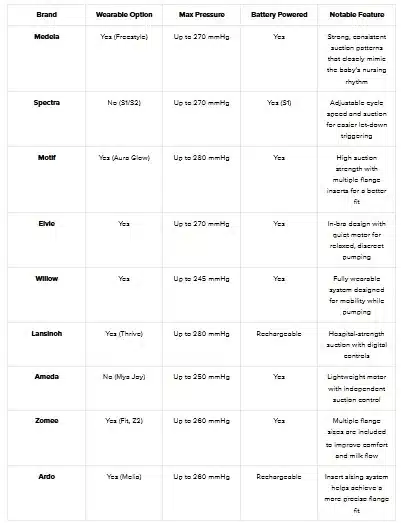
If pumping has been a struggle, it may not be your body. The right pump can make milk flow feel much easier and more predictable.
If you are wondering when to begin pumping and how to protect your milk supply along the way, this guide breaks it down clearly in Common Reasons To Start Breast Pumping and Keep Your Supply Up.
How to Get an Insurance-Covered Pump That Supports Better Let Down
The right pump can make it easier for your body to release milk, but figuring out insurance coverage on your own can feel overwhelming. The good news is, you do not have to handle the paperwork or phone calls yourself.
Here is how moms typically get a pump that supports better let-down through insurance:
- Check Your Insurance Eligibility: Enter your insurance details so benefits can be verified, including coverage timing, brand options, and any required prescriptions.
- Choose A High-Performance Pump: Select from trusted brands like Medela, Spectra, or Motif, known for effective stimulation patterns.
- Prescription Is Coordinated For You: If your plan requires a provider order, documentation is collected directly from your OB-GYN or healthcare provider.
- Claim Is Filed On Your Behalf: Insurance paperwork and billing are handled for you, reducing delays that could postpone getting your pump.
- Pump Ships Fast To Your Door: Once approved, your pump is shipped quickly so you are ready before baby arrives or when pumping begins.
You focus on feeding your baby. The insurance steps, approvals, and coordination can be taken care of for you. Get in touch with us!
Final Thoughts
If pumping has felt frustrating, it is worth remembering that your body is not a machine; it responds to comfort, rhythm, and support. Small shifts in your setup or routine can completely change how a session feels. Give yourself permission to experiment without pressure.
And if you suspect your pump is part of the challenge, you do not have to figure that out alone. Getting a pump that truly works with your body can make a meaningful difference in both output and confidence. The right support can turn pumping into something that feels manageable, not overwhelming.
If you are still figuring out your pumping setup, you can start by checking your insurance benefits to see which breast pumps are covered and available to you through insurance-covered breast pumps.
FAQs
1. Can you have milk but still have no let-down when pumping?
Yes. Your breasts can contain milk, but without the hormonal signal that triggers milk ejection, the milk will not move into the pump. This is why you might feel full but see little output.
2. Is pumping let-down different from breastfeeding let-down?
It can be. Babies stimulate more nerves and emotional responses than a pump does. That means let down when pumping may take longer or require more relaxation and stimulation techniques.
3. Why does milk stop flowing even though I am still pumping?
You likely finished one milk let-down pumping cycle. Milk releases in waves, not continuously. Staying on the pump often triggers another let-down during pumping a few minutes later.
4. Does not feeling a sensation mean I did not have a let-down?
Not at all. Many moms never feel their let-down breast pump reflex. The most reliable sign is seeing milk change from slow drips to a steady flow.
5. Can improving flange fit really help with let-down when pumping?
Yes. A better-fitting flange improves nipple stimulation and comfort, both of which support oxytocin release. That hormone is what drives let down pumping of breast milk in the first place.