












10 Best Lactation Smoothie Ideas to Help Support Milk Production
If you’re breastfeeding and feeling extra hungry, tired, or worried about output, you may have wondered whether a lactation smoothie could help. Smoothies are easy to prepare, simple to digest, and convenient to drink during feeding sessions, making them a practical option for busy new moms.
While no single food guarantees an increase in milk supply, certain ingredients are traditionally used to support lactation and overall postpartum nutrition. When combined thoughtfully, they can provide hydration, calories, protein, and nutrients that help support consistent milk production.
This guide shares nourishing lactation smoothie recipes, key ingredients to include, and how to use them realistically as part of your breastfeeding routine.
A Quick Summary
- A lactation smoothie can help you meet the extra calorie and hydration needs that come with breastfeeding.
- Milk supply depends primarily on frequent and effective milk removal. Smoothies support nutrition but do not replace nursing or pumping.
- Ingredients like oats, flaxseed, brewer’s yeast, nut butters, and leafy greens are commonly used for their nutrient density and traditional lactation support.
- Adding protein and healthy fats to your smoothie can help sustain energy and prevent skipped meals during busy days.
- Consistency matters more than perfection; regular nourishment, hydration, rest, and milk removal together support a healthy breastfeeding routine.
Can a Lactation Smoothie Really Boost Milk Supply?
Many breastfeeding mothers wonder whether adding a lactation smoothie to their routine can truly increase milk supply. While no single food guarantees a boost in production, overall nutrition and hydration do play a supporting role.
Research shows that milk production works primarily on a supply-and-demand basis, meaning frequent nursing or pumping is the most important factor in maintaining output. A lactation smoothie does not replace milk removal, but it can support your body by providing calories, protein, healthy fats, and fluids that help sustain consistent production.
Benefits of a Lactation Smoothie
A lactation smoothie can be a convenient way to support your nutrition during breastfeeding. While it doesn’t replace frequent nursing or pumping, it can help ensure you’re meeting the higher calorie, hydration, and nutrient needs that come with milk production.
Here are some key benefits:
- Supports increased calorie needs: Breastfeeding requires extra energy. Smoothies make it easier to add nutrient-dense calories without preparing full meals.
- Helps maintain hydration: Fluids are essential for overall well-being and milk production. Smoothies made with milk, coconut water, or fruit contribute to daily fluid intake.
- Provides balanced nutrition: Ingredients like oats, nut butters, yogurt, and seeds offer protein, healthy fats, and complex carbohydrates in one serving.
- Easy to digest: Blended ingredients are often gentler on digestion, especially during early postpartum recovery.
- Convenient during busy days: A smoothie can be prepared quickly and sipped during nursing or pumping sessions.
- May include traditional lactation-supporting foods: Oats, flaxseed, and brewer’s yeast are commonly used in lactation recipes for their nutrient content.
- Helps prevent skipped meals: When appetite fluctuates or time is limited, smoothies provide consistent nourishment.
A lactation smoothie works best as part of a balanced routine that includes regular milk removal and adequate rest.
Suggested read: Best Postpartum Meals for Healing, Energy, and Breastfeeding Recovery
Key Ingredients Often Used in a Lactation Smoothie
A well-balanced lactation smoothie typically includes ingredients that support hydration, calorie intake, and overall postpartum nutrition. While no single food guarantees an increase in milk supply, certain ingredients are traditionally used in lactation recipes because they provide iron, protein, healthy fats, fiber, and key micronutrients that help sustain breastfeeding moms.
Below is a breakdown of commonly used ingredients and why they’re included:
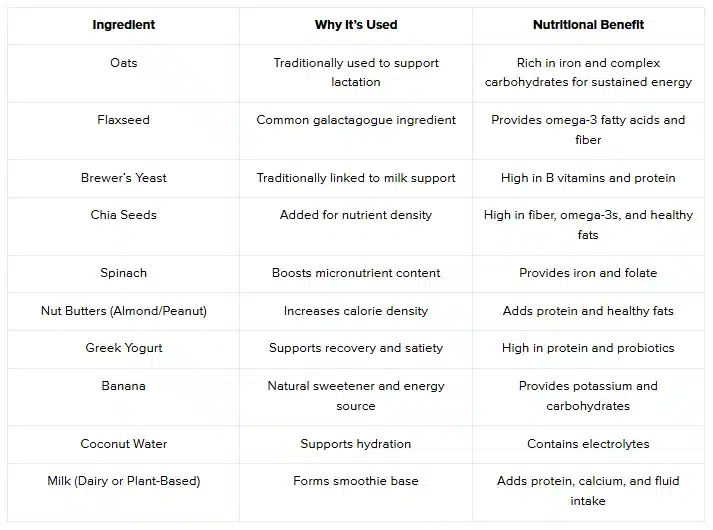
When combined thoughtfully, these ingredients create a smoothie that supports overall nourishment, which is an important part of maintaining consistent milk production alongside regular nursing or pumping.
Top 10 Lactation Smoothie Recipes
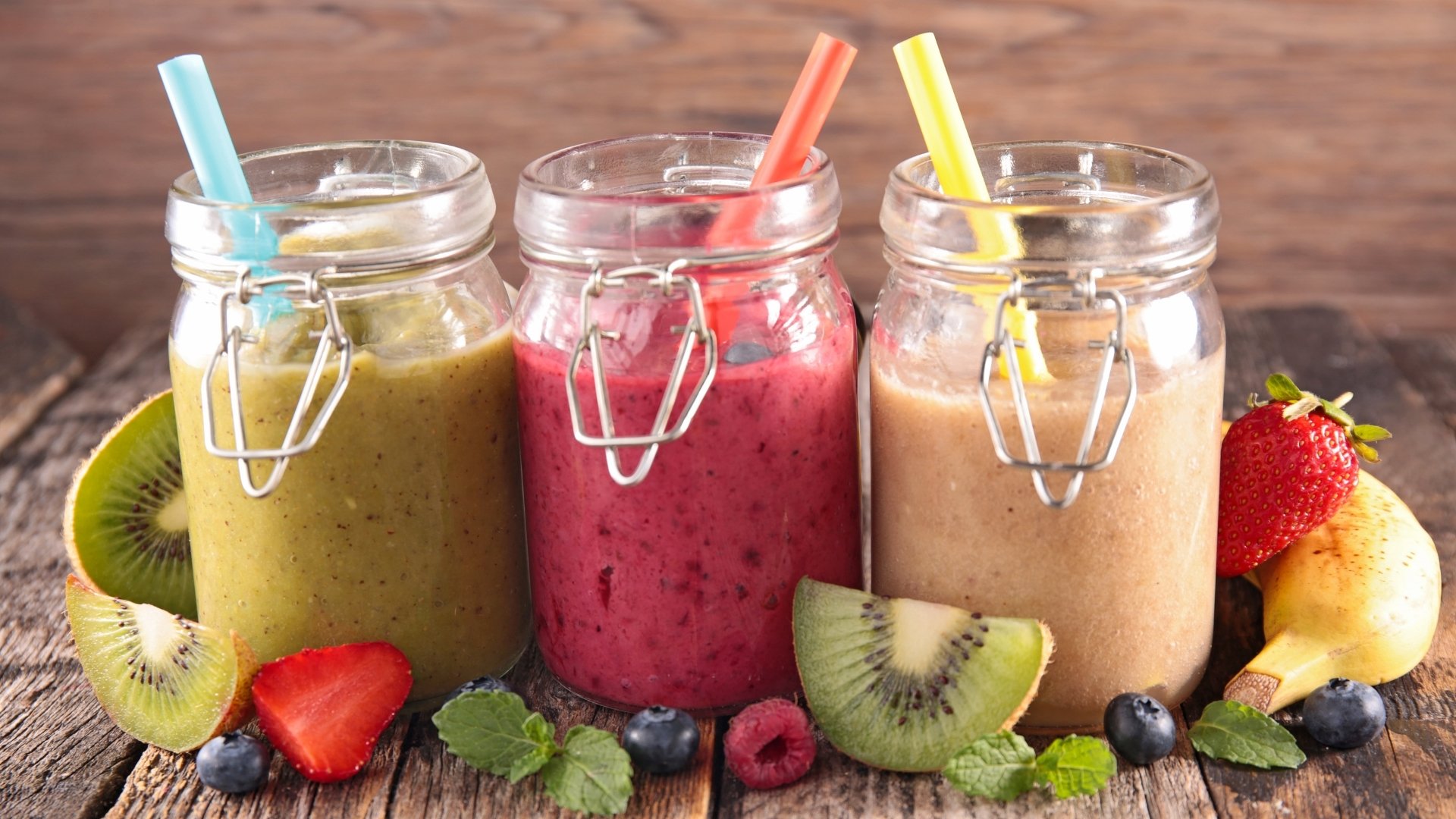
Smoothies alone don’t directly increase milk supply, but they can help you stay hydrated, meet higher calorie demands, and include ingredients traditionally associated with lactation support.
Below are ten balanced, nutrient-dense lactation smoothie recipes designed to provide protein, healthy fats, iron, and hydration, all important components of a sustainable breastfeeding routine.
1. PB&J Lactation Smoothie
Provides protein, healthy fats, and omega-3s to support sustained energy and overall breastfeeding nutrition.
Ingredients:
- 1 cup milk (dairy or plant-based)
- ½ cup frozen blueberries
- 2 tbsp peanut butter (If peanut allergies are a concern, substitute with almond butter, sunflower seed butter, or oat butter for a similar creamy texture and healthy fat content.)
- 1 tbsp ground flaxseed
How to make: Add one cup of milk to your blender first to help the blades move smoothly. Then add the frozen blueberries, peanut butter, and ground flaxseed. If using fresh fruit instead of frozen, add a handful of ice for thickness. Blend on high for 30–45 seconds until completely smooth and creamy. Pour into a glass and drink immediately, or refrigerate for up to 12 hours.
2. Banana Oatmeal Lactation Smoothie
Contains oats and iron-rich ingredients traditionally used to support milk production and steady energy levels.
Ingredients:
- 1–1¼ cups milk
- 1 ripe or frozen banana
- ¼ cup rolled oats
- 1 tbsp Brewer’s yeast
- 1–1½ tbsp honey (optional)
- Dash of cinnamon
How to make: Pour milk into the blender first. Add the banana, rolled oats, brewer’s yeast, honey (if using), and a dash of cinnamon. Blend for at least 45–60 seconds to fully break down the oats so the texture becomes smooth and not grainy. If the smoothie is too thick, add a splash of milk and blend again. Serve fresh for the best taste and texture.
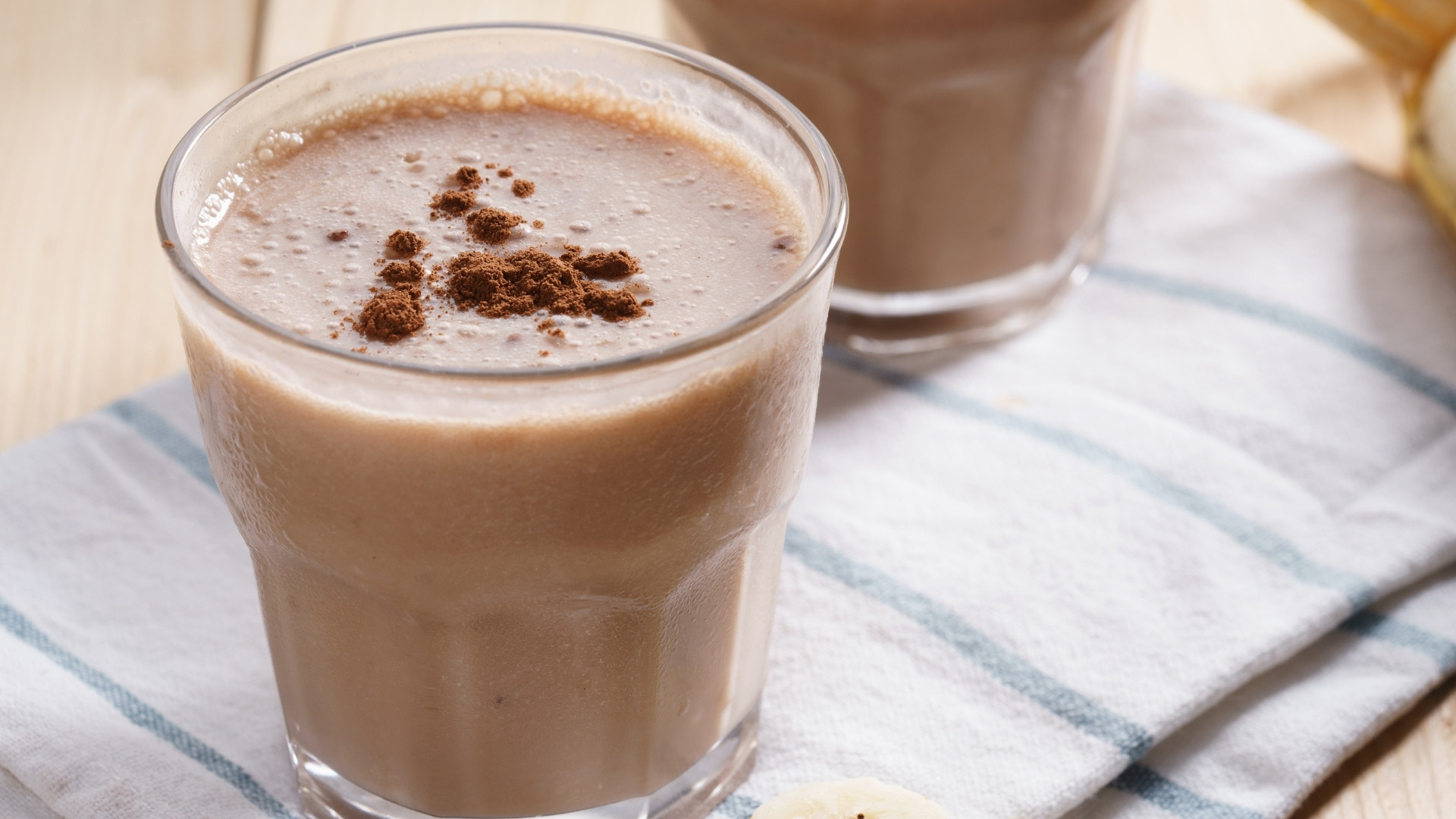
3. Chocolate Lactation Smoothie
Offers calorie-dense nourishment with cocoa antioxidants and traditional lactation-supporting ingredients.
Ingredients:
- ½ cup almond milk
- 1 frozen banana
- 1–2 Medjool dates
- 1 tbsp oats
- 2 tsp cocoa powder
- 1 tbsp Brewer’s yeast
How to make: Start by adding almond milk to the blender. Add the frozen banana, pitted dates, oats, cocoa powder, and brewer’s yeast. Blend on high speed until the mixture is fully smooth and creamy. Taste and adjust the sweetness if needed by adding another date. If you prefer a thicker consistency, add a few ice cubes and blend again.
4. Green Goodness Lactation Smoothie
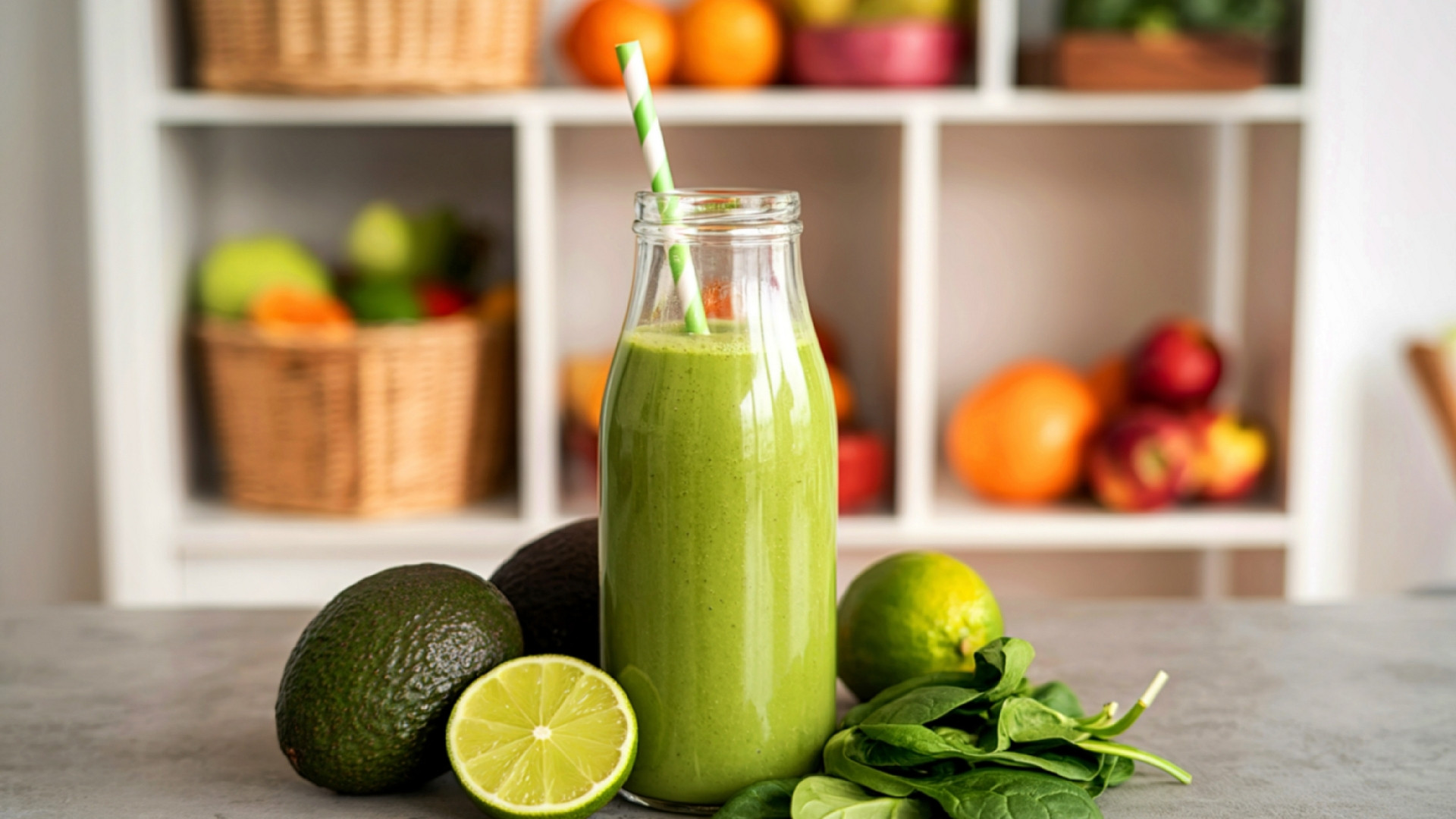
Packed with iron-rich greens, healthy fats, and protein to support postpartum recovery and milk production.
Ingredients:
- Handful of baby spinach
- ½–1 avocado
- ½ cup cucumber
- 1 tbsp Brewer’s yeast
- ½ cup Greek yogurt
- 1 cup milk or plant milk
- Honey to taste
How to make: Add milk or plant milk to the blender first, followed by spinach, avocado, cucumber, Greek yogurt, brewer’s yeast, and honey if desired. Blend thoroughly for 60 seconds to ensure the greens are fully incorporated and the texture is smooth. If needed, pause and scrape down the sides before blending again. Serve immediately to preserve freshness.
5. Mango Lassi Lactation Smoothie
Hydrating and protein-rich, helping support energy levels during breastfeeding.
Ingredients:
- ½ cup frozen mango
- ¼–½ cup Greek yogurt
- 1 tbsp hemp seeds
- 1 cup nut milk
- Dash of cardamom or cinnamon
How to make: Add nut milk to the blender first, then frozen mango, Greek yogurt, hemp seeds, and a dash of cardamom or cinnamon. Blend until creamy and smooth, about 45 seconds. If the texture is too thick, add a little more milk. Pour into a glass and enjoy immediately.
6. Berry Boost Lactation Smoothie
Provides antioxidants, fiber, and omega-3s to support hormonal balance and digestive health.
Ingredients:
- 1 cup milk (dairy or plant)
- ½ cup blueberries
- 3–4 strawberries
- 3 tbsp oats
- 2 tbsp chia seeds
- Optional pinch of ginger
How to make: Pour milk into the blender, then add blueberries, strawberries, oats, chia seeds, and ginger if using. Blend for at least one minute to ensure oats and seeds are fully broken down. If you prefer a colder smoothie, add ice and blend again briefly. Serve fresh.
7. Coco Loco Lactation Smoothie
Tropical and calorie-dense, supporting hydration and sustained energy for breastfeeding moms.
Ingredients:
- 1 cup milk of choice
- ½ cup papaya
- ½ cup shredded or frozen coconut
- ⅓ cup frozen mango
- 1–2 tsp coconut or MCT oil
- 1 tsp honey or maple syrup
How to make: Add milk of choice to the blender first. Then add papaya, shredded or frozen coconut, frozen mango, coconut or MCT oil, and sweetener. Blend until smooth and creamy. If needed, add ice to thicken. Blend again until the consistency is even and velvety.
8. Nutty Mama Lactation Smoothie
High in protein and healthy fats for satiety, energy, and traditional lactation support.
Ingredients:
- 3.5–6 ml fenugreek seed extract
- 5–6 walnuts
- 3 tbsp rolled oats
- ⅓ cup vanilla Greek yogurt
- 2 dates or 1 tsp honey
- 1 tbsp almond butter
- ½ banana
- 1 cup milk
- 1 tsp cacao nibs
How to make: Pour milk into the blender first. Add walnuts, oats, Greek yogurt, dates or honey, almond butter, banana, cacao nibs, and fenugreek extract (if using). Blend on high speed until completely smooth and thick. Because nuts can create texture, blend longer if necessary. Taste before serving.
Note: If using fenugreek, consult a healthcare provider or lactation consultant beforehand, as herbal supplements may not be suitable for everyone and can interact with certain medical conditions or medications.
9. Pumpkin Spice Lactation Smoothie
Rich in fiber and iron-containing ingredients traditionally used to support milk supply.
Ingredients:
- ½ cup rolled oats
- 1 cup milk
- ½ cup pumpkin puree
- 1 tsp pumpkin pie spice
- ½ cup Greek yogurt
- 1 frozen banana
- 1 tbsp Brewer’s yeast
- 1–2 tbsp maple syrup
How to make: Add milk to the blender followed by oats, pumpkin puree, pumpkin pie spice, Greek yogurt, frozen banana, brewer’s yeast, and maple syrup. Blend for 60 seconds or until the oats are fully incorporated and the smoothie is creamy. If a thicker texture is preferred, add ice and blend again.
10. Avo-Kiwi Lactation Smoothie
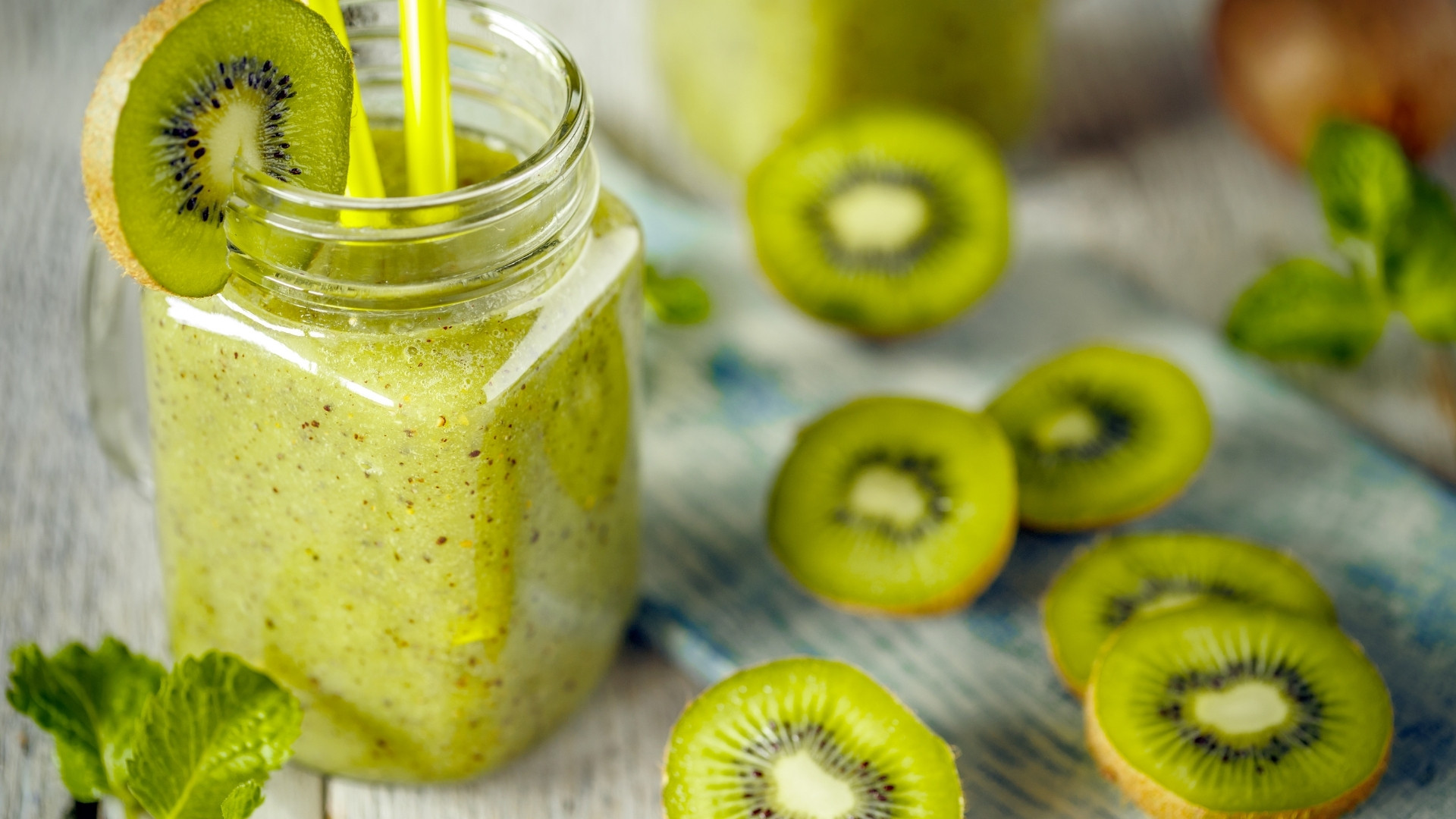
Provides healthy fats, vitamin C, and hydration to support postpartum nutrition.
Ingredients:
- ½ ripe avocado
- 2 kiwis, peeled
- 1 cup sweetened coconut milk
- 2 tsp lime juice
- 2 tsp honey
How to make: Add coconut milk to the blender first. Then add avocado, peeled kiwi, lime juice, and honey. Blend until smooth and creamy. If the smoothie feels too thick, add a splash of milk and blend again briefly. Serve immediately for the best flavor.
If you’re adding a lactation smoothie to support your routine but still feel unsure about output, your equipment may also play a role. Check your eligibility for an Insurance Covered Breast Pump (ICBP) to access high-quality pumps that support efficient and comfortable milk removal.
3 Ways to Boost Your Lactation Smoothie
If you want to make your lactation smoothie more nutrient-dense or supportive for breastfeeding, small additions can enhance both calorie content and overall nourishment. These boosts don’t replace frequent nursing or pumping, but they can help ensure your body is well-fueled.
Here are three simple ways to upgrade your smoothie:
1. Add Extra Healthy Fats
Healthy fats help increase calorie density and support sustained energy, especially important if you’re breastfeeding.
You can add:
- 1 tablespoon almond or peanut butter
- 1 teaspoon coconut oil or MCT oil
- ½ avocado
- 1 tablespoon chia or flaxseed
This makes your smoothie more filling and helps prevent energy crashes between feeds.
2. Increase Protein Content
Protein supports tissue repair and helps maintain satiety during long days.
You can boost protein by adding:
- ½ cup Greek yogurt
- 1 scoop unflavored or lactation-safe protein powder
- 2 tablespoons hemp seeds
- ½ cup cottage cheese
Higher protein smoothies are especially helpful if you’re replacing a snack or light meal.
3. Focus on Hydration
Milk production relies heavily on adequate fluid intake. While hydration alone doesn’t automatically increase supply, staying well hydrated supports overall breastfeeding function.
Try using:
- Coconut water
- Oat milk
- Almond milk
- Adding ice for additional fluid volume
Pair your smoothie with a glass of water to further support hydration.
Small adjustments can turn a basic smoothie into a more complete, balanced option that supports recovery, energy, and consistent milk production.
Suggested read: Breastfeeding and Pumping Schedule for New Moms
Final Words
A lactation smoothie can be a simple, nourishing addition to your breastfeeding routine. While no single recipe guarantees an increase in milk supply, consistent nutrition, hydration, and regular milk removal together create the strongest foundation for production. Smoothies make it easier to meet your calorie and nutrient needs, especially during busy, sleep-deprived days when full meals feel unrealistic.
If you’re concerned about supply, remember that feeding frequency and effective milk removal matter most. Nutrition supports the process, but it doesn’t replace it. When paired with consistent nursing or pumping, a well-balanced lactation smoothie can help you feel more energized, supported, and confident.
If you’re looking for more breastfeeding support, explore resources on pumping, milk supply, and recovery. You can also check your eligibility for an Insurance Covered Breast Pump (ICBP) to ensure you’re using equipment that supports efficient and comfortable milk removal.
Supporting your body is part of supporting your baby, and small, consistent steps can make a meaningful difference.
FAQs
1. Do lactation smoothies really increase milk supply?
Lactation smoothies can support overall nutrition and hydration, but frequent nursing or pumping is the primary driver of milk production.
2. How often should I drink a lactation smoothie?
Most moms find one smoothie per day helpful as a snack or light meal replacement, especially during busy or low-energy days.
3. What ingredients are best in a lactation smoothie?
Common ingredients include oats, flaxseed, brewer’s yeast, nut butters, Greek yogurt, leafy greens, and fruit for balanced nutrition.
4. Can I drink a lactation smoothie while exclusively pumping?
Yes. Smoothies can help meet calorie and hydration needs while maintaining a consistent pumping schedule.
5. Are lactation smoothies safe for all breastfeeding moms?
Most recipes use common, safe ingredients. However, if you have food allergies, medical conditions, or concerns about specific herbs like fenugreek, consult your healthcare provider.
6. Can I prepare lactation smoothies in advance?
Yes. You can pre-portion smoothie ingredients into freezer bags and blend when needed, or refrigerate blended smoothies for up to 24 hours.