









Florida Breast Pumping Rights at Work: What Every Mom Should Know
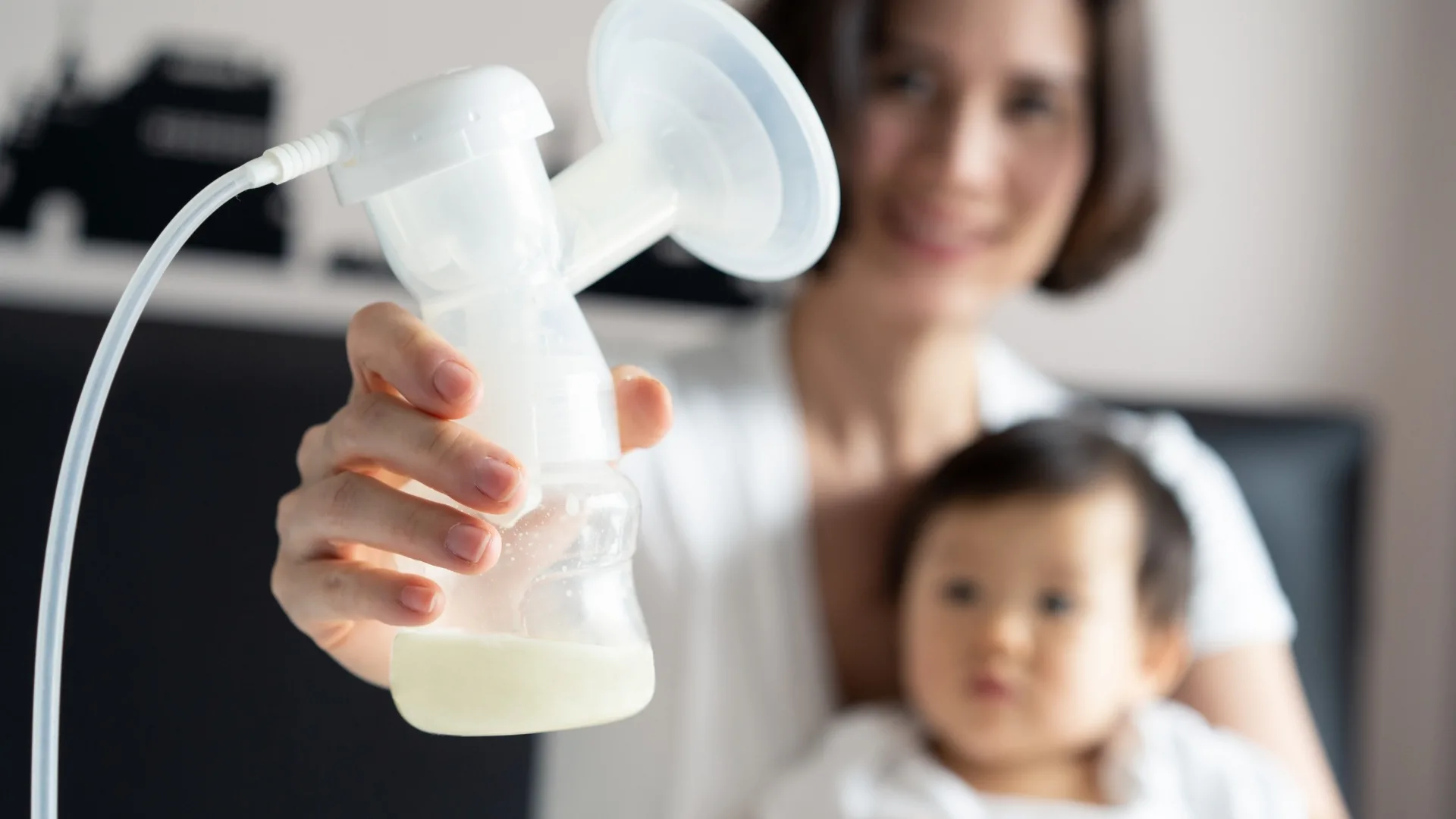
Breastfeeding and pumping milk for your baby is a personal and loving experience. But for many Florida moms, returning to work can bring new challenges, especially finding the time and privacy to pump comfortably during the day.
Most new moms in the U.S. use a breast pump in the first few months after birth to maintain their milk supply and routine. In Florida, while state laws are limited, federal protections ensure you have the time, space, and support you need to express milk at work.
This guide will walk you through your rights and help you feel confident and supported as you continue your breastfeeding journey.
A quick summary
- Florida follows federal PUMP Act standards protecting your right to pump at work.
- You are entitled to break time and a private space (not a bathroom) for pumping.
- Florida law allows breastfeeding anywhere you’re legally present.
- Insurance typically covers breast pumps and lactation support at no cost.
- If you face challenges, you can reach out to the U.S. Department of Labor for help.
What Florida Breast Pumping Laws Really Mean
When you hear about breast pumping laws in Florida, it might sound complicated. But these laws exist to make one thing clear: you deserve time and space to nourish your baby with dignity and support.
Federal law, through the PUMP for Nursing Mothers Act (an expansion of the Fair Labor Standards Act), ensures that nearly all employees have the right to pump at work. These rights apply whether you work in an office, a school, a hospital, or even in retail or hospitality.
It’s about creating a work environment that recognizes your needs as both an employee and a mother, and reminding you that you don’t have to choose between your job and your baby’s well-being.
Also Read: Breast Pumping Laws and Rights in Ohio
Your Right to Pump at Work in Florida
Florida follows federal standards for pumping at work. Under the PUMP Act, employers must:
- Provide reasonable break time each time you need to express milk during the workday, for up to one year after your baby’s birth.
- Offer a private, safe space that is not a bathroom, shielded from view, and free from intrusion by coworkers or the public.
- Ensure that the space is functional for pumping; it should include a chair, a flat surface, and ideally an electrical outlet.
- Allow flexible break times that match your individual pumping needs.
Note: Smaller employers (with fewer than 50 employees) may claim an exemption if compliance causes “undue hardship,” but this is rare and must be justified.
Important Clarification
The law does not require paid pumping breaks, unless you are pumping during a period that would otherwise be paid (like a regular rest break) or you’re performing work tasks while pumping. Knowing this can help you plan your schedule and communicate your needs clearly to your employer.
What a Supportive Pumping Space Should Look Like

Your pumping space should feel like a small pocket of calm, a safe and private place to care for yourself and your baby, even while at work.
Federal guidelines recommend that this space should:
- Have a locking door or signage to indicate when it’s in use.
- Be private and quiet, free from interruptions.
- Contain a chair, a table or counter, and an electrical outlet.
- Ideally, provide access to a sink and refrigerator, though not legally required.
- Never be located inside a bathroom or storage closet.
Some Florida workplaces are going above and beyond by adding small comforts like hand sanitizer, tissues, and a calming décor to make pumping more comfortable and less stressful.
If your workplace doesn’t have a designated lactation room, you can still request a temporary private area, such as a conference room or unused office. The key is that it must offer privacy and a clean environment for expressing milk.
How to Talk to Your Employer About Pumping Needs
Discussing your pumping schedule with your employer might feel awkward at first, but most workplaces are becoming more supportive and understanding. A clear, confident conversation can set you up for a positive experience.
Here’s how to approach it:
- Plan ahead. Before returning to work, note how often you’ll need to pump and roughly how long each session takes.
- Request in writing. Politely outline your needs, break time, a private space, and refrigeration options if available.
- Be specific but flexible. For example: “I’ll need to pump two to three times during my shift, ideally every three hours.”
- Keep communication open. Let your manager or HR know that your schedule may adjust slightly as your baby grows.
- Know your rights. You don’t need to justify why you pump; the law protects your right to do so.
If your employer doesn’t understand or denies your request, remind them of their obligation under the PUMP Act and provide resources such as the U.S. Department of Labor’s guidance on pumping rights.
Your Right to Breastfeed in Public

Florida is one of the many states that affirm your right to breastfeed anywhere you are legally allowed to be. Whether it’s a park, restaurant, store, or even a courthouse, you are protected under Florida Statute § 383.015.
This law ensures you can feed your baby without fear of being asked to move or cover up. It’s an empowering reminder that nourishing your child is a natural act, and in Florida, it’s your legal right.
If someone questions your right to breastfeed or pump in public, you can calmly state that Florida law protects you from discrimination for doing so.
Also Read: Breastfeeding and Pumping Schedule for New Moms
What Employers Aren’t Required to Do
While your right to pump at work is protected under federal law, there are a few things employers in Florida aren’t required to do:
- Employers don’t have to pay you for the time you spend pumping, unless your break time overlaps with regular paid breaks.
- Very small employers (with fewer than 50 employees) may be exempt if providing a private pumping space would cause significant hardship.
Even so, many Florida employers go above and beyond to support nursing moms, and that makes a real difference.
Encouraging a Breastfeeding-Friendly Workplace
Florida’s Department of Health and the U.S. Department of Labor both encourage employers to create supportive, family-friendly environments for working mothers. That includes:
- Making lactation support part of employee wellness and HR programs.
- Posting clear information about breastfeeding rights and available lactation spaces.
- Promoting a workplace culture where expressing milk is respected and free from judgment.
Every mom deserves understanding, respect, and space to care for her baby while at work. These small steps help make that possible.
Why These Laws Matter
For many moms, unsupportive workplace policies or lack of private spaces are major reasons they stop breastfeeding sooner than planned. Florida’s and federal pumping laws exist to change that, by ensuring you have the time, space, and protection you need to continue if it feels right for you and your baby.
By knowing your rights, you’re not just advocating for yourself; you’re helping create a workplace culture where every mom feels supported to nourish her baby confidently.
Insurance Coverage for Breast Pumps in Florida

One of the biggest supports available to moms today is insurance coverage for breast pumps. Under the Affordable Care Act (ACA), most health insurance plans must cover the cost of a breast pump and related lactation support.
Here’s what this means for Florida moms:
- No cost to you: Most plans fully cover the cost of your breast pump, whether it’s a personal-use or rental model.
- Wide selection: You can often choose from trusted brands like Spectra, Medela, Momcozy, Elvie, or Lansinoh through Durable Medical Equipment (DME) providers.
- Additional benefits: Many plans also cover consultations with lactation consultants, helping you get expert advice when needed.
How to Get Your Pump
- Contact your insurance provider to ask which pumps are covered.
- Check if a doctor’s prescription is required.
- Order your pump easily through a trusted partner like Insurance Covered Breast Pumps, which delivers directly to your home.
Having your pump covered through insurance makes your transition back to work or daily routines smoother and more affordable.
Also Read: Top Breastfeeding Essentials for New Moms: What to Buy and Why
Tips for Breast Pumping at Work in Florida
Getting into a comfortable pumping rhythm at work takes a little planning. Here are some helpful tips:
- Find your spot early: Identify where you’ll pump before returning to work.
- Stick to a schedule: Pump around the times your baby usually eats to maintain supply.
- Label and store your milk: Use a cooler or shared refrigerator, and always label bottles with your name and date.
- Bring extras: Keep spare pump parts, breast pads, and sanitizing wipes in your bag.
- Stay hydrated: Pumping can be dehydrating; keep a water bottle nearby.
- Use a hands-free bra: It can make multitasking easier and more comfortable.
- Be kind to yourself: It’s normal to take time to find your rhythm; progress matters more than perfection.
Remember, these breaks aren’t a luxury. They’re a legal right and a way to care for both your baby and yourself.
Conclusion
Balancing motherhood and work can feel overwhelming at times, but knowing your rights helps you move forward with confidence. In Florida, both federal and state protections support your journey to continue breastfeeding and pumping while working.
You deserve respect, privacy, and care as you nourish your baby, whether you’re at home, at work, or out in the world. With planning, communication, and the right support, your breastfeeding journey can stay strong and supported.
Need help getting your coverage ready, pump? Check out Insurance Covered Breast Pumps to explore insurance-covered options delivered straight to your doorstep, making your breastfeeding journey just a little easier.
Frequently Asked Questions
Q1. Does Florida have its own breast pumping law?
Florida doesn’t have a specific statewide workplace pumping law, but all Florida employers must follow the federal PUMP for Nursing Mothers Act, which provides strong protections for nursing moms.
Q2. Can I pump beyond one year postpartum?
The PUMP Act guarantees rights up to one year postpartum. However, many employers choose to continue offering accommodations if needed. Just ask your HR or supervisor for continued access.
Q3. What if my workplace is very small?
Employers with fewer than 50 employees can request an exemption if compliance causes significant hardship, but this is uncommon. Most small workplaces still find ways to support nursing employees.
Q4. What if I’m denied a space or break to pump?
Start by discussing it respectfully with HR or your supervisor. If that doesn’t resolve the issue, you can contact the U.S. Department of Labor, Wage and Hour Division, which handles PUMP Act violations.
Q5. Do Florida laws protect me from breastfeeding discrimination?
Yes. Under Florida Statute § 383.015, it’s illegal for anyone to prohibit or restrict you from breastfeeding in any public or private place where you’re lawfully present.