










Why Moms Love Electric Breast Pumps and How to Get One
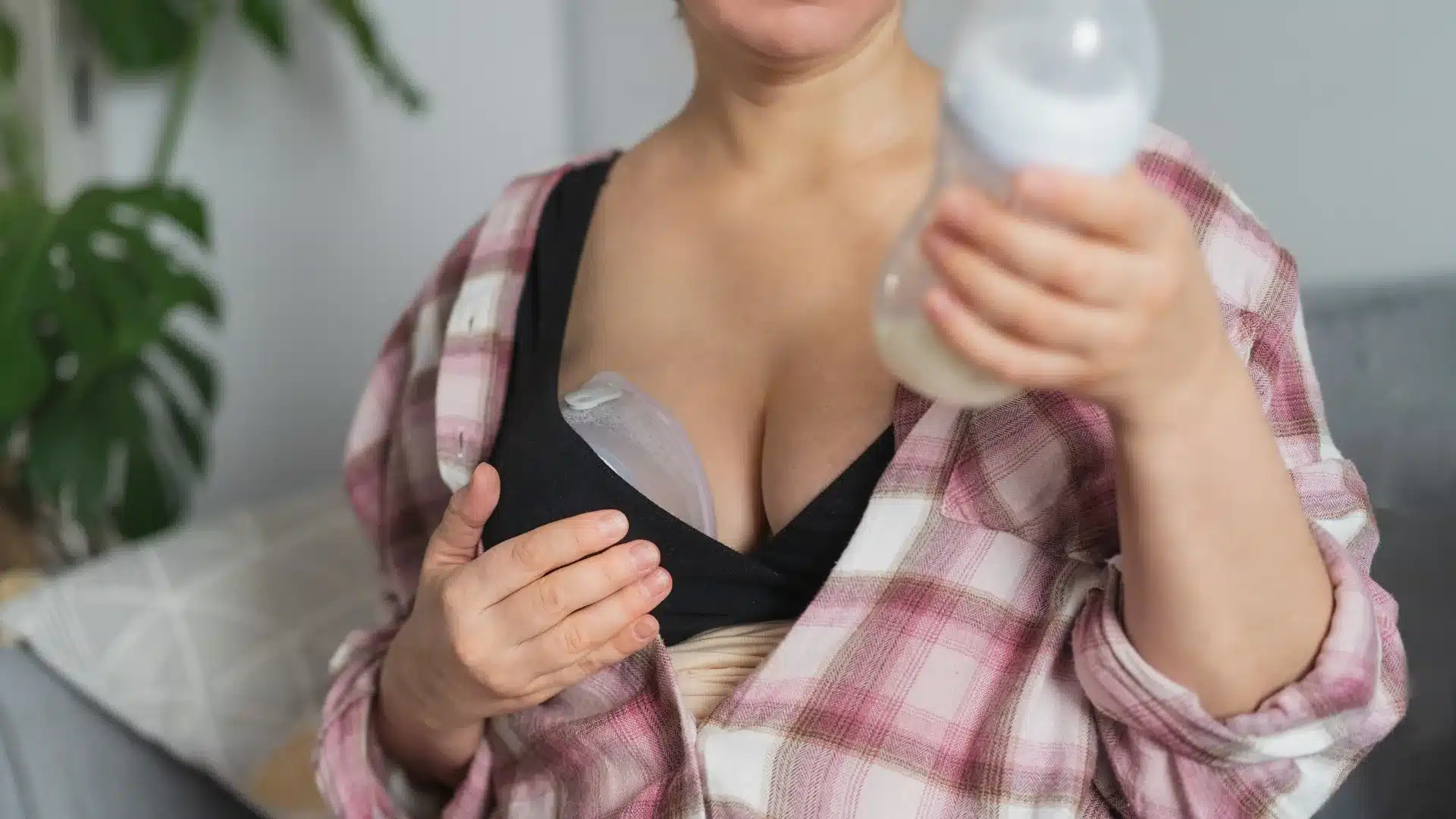
You are caring for your baby, recovering, and trying to find moments of rest. Between feeding sessions, doctor visits, and daily routines, it can feel like there is little time left for yourself. That is when many new mothers start to wonder if an electric breast pump could help.
An electric breast pump can make expressing milk faster, easier, and more comfortable. It allows you to store milk for later, share feeding duties, or maintain your supply when you are away from your baby.
In this guide, we will walk through the main benefits, some minor drawbacks, and how to get the most out of your pump. You will also learn how to access an insurance-covered pump through trusted providers like Insurance Covered Breast Pumps (ICBP).
Key Takeaways: Advantages of Using an Electric Breast Pump

Why Many Moms Choose Electric Breast Pumps
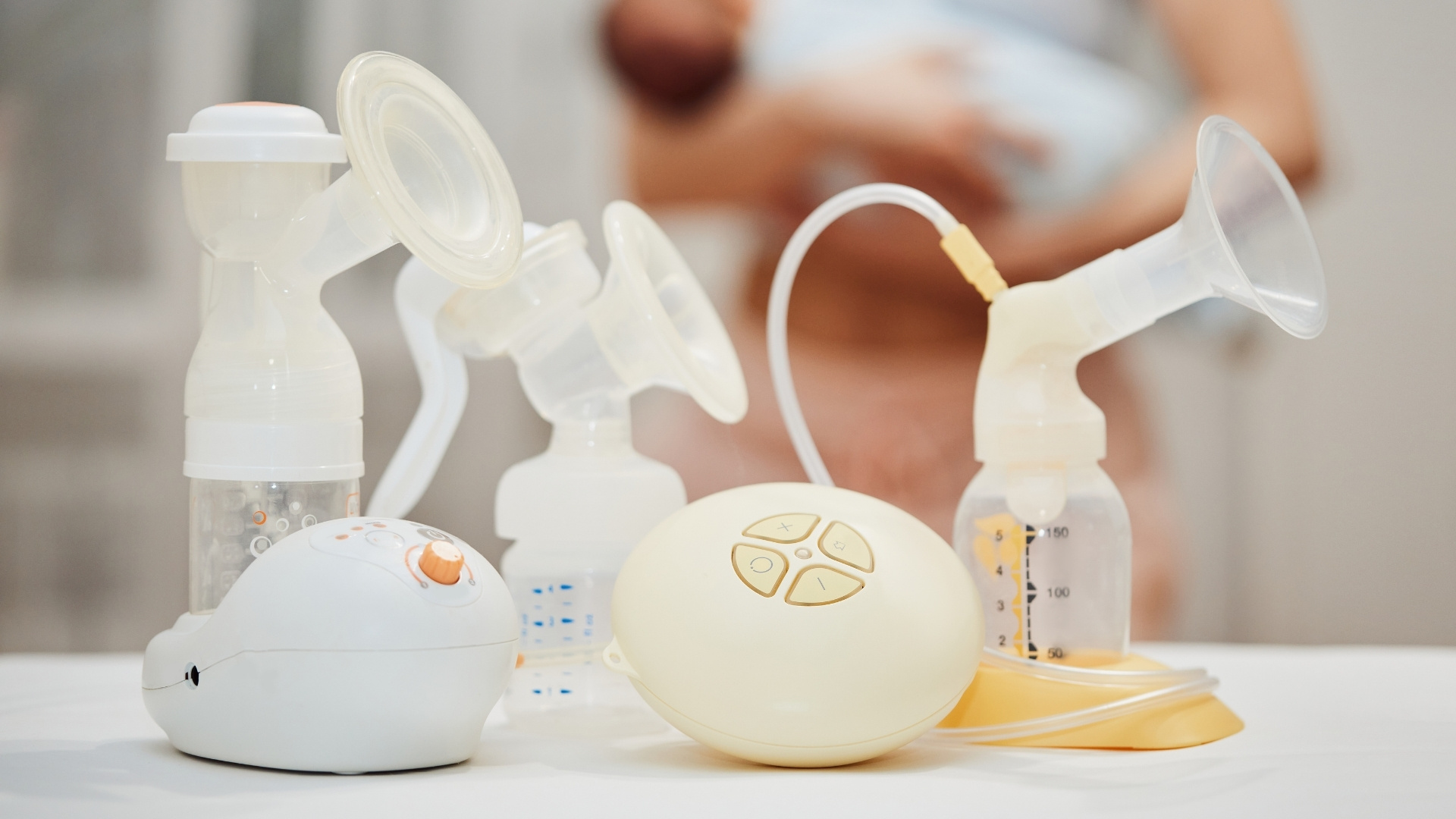
Finding the right feeding rhythm takes time and patience. For many moms, an electric breast pump becomes a helpful companion that supports flexibility, comfort, and peace of mind.
1. Faster and More Efficient
Electric pumps use consistent power and suction to express milk quickly.
- Dual-pump models express milk from both breasts at once.
- Most sessions finish in about 15 minutes instead of 30.
This helps moms who are returning to work or managing a busy schedule fit pumping into their day more easily.
2. Comfortable and Adjustable
Everybody is different. Electric pumps include multiple suction and speed settings so you can choose what feels best.
- Gentle “stimulation” modes help start milk flow.
- Adjustable options reduce discomfort and fatigue.
Feeling relaxed supports better milk flow and a more positive pumping experience.
3. Hands-Free Convenience
Portable or wearable models make it possible to pump while moving, caring for your baby, or getting light chores done.
- Battery-powered options work well for travel or work.
- You are not tied to a wall outlet or a single spot.
This freedom often helps moms feel more in control of their time.
4. Consistent Milk Supply
Regular pumping helps your body maintain its natural milk rhythm, especially if your baby misses a feeding or you are away for a few hours.
- Steady suction encourages supply.
- Consistency helps prevent engorgement and clogged ducts.
Electric pumps make it easier to stick to a routine that supports your goals.
5. Emotional Relief and Flexibility
Knowing you can pump whenever needed brings peace of mind. You can store milk for later feedings and share feeding duties with your partner or caregiver.
It is not just about convenience; it is about feeling supported and confident as you care for your baby.
What You Get: Top Advantages of Electric Breast Pumps

Finding the right breast pump means choosing one that supports your daily rhythm, comfort, and confidence. Electric breast pumps are designed to make expressing milk smoother and less stressful, especially when time and energy are limited.
Here are some of the most meaningful advantages for new and expectant mothers.
1. Faster Pumping Sessions
Electric pumps use consistent power to create steady suction. This allows you to express milk more quickly than with a manual pump.
- Double-pump models can express milk from both breasts at once.
- Typical sessions may take about 15 minutes instead of 30.
For moms balancing work, rest, and childcare, saving even a few minutes makes a difference.
2. More Milk in Less Time
The continuous rhythm of an electric pump helps stimulate milk flow efficiently.
- You can often express more milk in a single session.
- It helps maintain or build a freezer supply for future feedings.
This is especially helpful if you are away from your baby or returning to work.
3. Comfortable and Customizable
Every mom’s comfort level is different, and electric pumps adapt easily.
- Adjustable speed and suction levels help you find the right rhythm.
- Some pumps start with a gentle stimulation phase before switching to expression mode.
A comfortable pumping experience supports relaxation, which can help milk flow more easily.
4. Easy to Use and Consistent
Electric pumps do the steady work for you. Once set up, they maintain suction and speed automatically, helping your body learn what to expect each session.
- Less physical effort is required.
- Consistent use may support long-term milk production.
This predictability helps many moms feel more confident in their routine.
5. Helps Maintain Milk Supply
Regular pumping keeps your body’s natural milk pattern active, even if your baby skips a feeding or you are separated for a few hours.
- Encourages your body to keep producing milk.
- Reduces the risk of engorgement or clogged ducts.
Consistency is key, and electric pumps make it easier to stay on schedule.
6. Supports Shared Feeding
Having expressed milk ready to go allows partners or caregivers to take turns feeding the baby.
- You get short breaks to rest, shower, or sleep.
- The baby continues to receive breast milk while you recharge.
Many mothers find that this balance helps them recover emotionally and physically during the postpartum period.
7. Ideal for Working Mothers
Returning to work can feel emotional and logistically challenging. Electric breast pumps make this transition easier.
- Scheduled pumping breaks help maintain supply during work hours.
- Compact and portable pumps fit easily into bags or desk drawers.
Many workplaces now provide lactation rooms, making it simple to pump comfortably during the day.
8. Covered or Low-Cost Options
One of the biggest advantages of an electric breast pump through Insurance Covered Breast Pumps (ICBP) is affordability.
- Under the Affordable Care Act, most insurance plans cover breast pumps at little or no cost.
- ICBP verifies your benefits, coordinates the prescription, and manages the paperwork.
You receive a high-quality, insurance-covered pump shipped directly to your door, without the stress of navigating insurance forms yourself.
Electric breast pumps bring together speed, comfort, and flexibility. They help mothers save time, maintain milk supply, and share feeding responsibilities while enjoying more freedom in their daily routine.
With Insurance Covered Breast Pumps, the process becomes even easier and more affordable, so you can focus on what matters most: caring for your baby and yourself.
Considering the Tradeoffs — Advantages and Disadvantages of Electric Breast Pumps
Every mom’s breastfeeding journey looks a little different. Electric breast pumps offer clear benefits, but like any tool, they come with small tradeoffs. Understanding both sides helps you make the best choice for your needs and lifestyle.
Below are some common advantages and disadvantages of electric breast pumps, along with simple ways to minimize any challenges.
Advantages at a Glance
- Faster milk expression compared to manual pumps.
- Adjustable suction and speed settings for comfort.
- Consistent, reliable pumping sessions.
- Ability to multitask with wearable or portable models.
- Helps maintain or increase milk supply.
These are the same qualities that make electric pumps so popular among mothers who return to work or have busy schedules.
Common Disadvantages
1. Need for Power or Batteries
Electric pumps rely on power. If you are away from home, you might need a battery pack or portable charger.
Simple fix: Choose a model with rechargeable batteries or a USB charging option.
2. Cost and Replacement Parts
Some electric pumps cost more upfront or may need replacement tubing or membranes over time.
Simple fix: Many insurance plans cover these items. You can also reorder supplies through Insurance Covered Breast Pumps (ICBP), often at no extra cost.
3. Size and Portability
Electric pumps can be bulkier than manual options.
Simple fix: Compact or wearable models offer a balance of performance and convenience for moms on the move.
4. Cleaning and Maintenance
More parts mean more cleaning.
Simple fix: Rinse parts right after use and keep a small drying station ready at home. Some parts are dishwasher-safe; always check your manufacturer’s guide.
5. Noise
Some electric pumps make a low hum during use.
Simple fix: Many newer models are designed for quieter operation. If noise is a concern, look for “silent” or “discreet” in the product description.
Balancing the Pros and Cons
Electric breast pumps bring speed and comfort but require a little planning for power and cleaning. Once you find your rhythm, these small tasks become part of a simple routine.
Many moms agree that the benefits, time saved, comfort gained, and supply maintained, far outweigh the few minor drawbacks. Knowing what to expect helps you feel prepared and confident as you start pumping.
How to Get the Most Out of an Electric Pump

Once you have chosen your pump, a few small habits can make your sessions more effective and comfortable. Here are some ways to make the most of your pumping routine.
1. Start with Gentle Settings
Begin with the lowest suction and speed. Gradually increase once milk starts to flow. This helps your body adjust without discomfort and prevents soreness.
2. Find the Right Flange Fit
The flange is the part that fits over your breast.
- A good fit prevents pain and improves milk flow.
- Too small or too large can cause discomfort or reduced output.
If you are unsure, check the size guide from your pump brand or ask a lactation consultant for help.
3. Stay Relaxed During Sessions
Stress can affect milk flow. Create a calm environment while you pump.
Try:
- Sitting in a comfortable chair.
- Listening to soft music.
- Looking at a photo or video of your baby to encourage let-down.
Relaxation makes pumping more productive and pleasant.
4. Keep Spare Supplies Handy
Extra membranes, valves, or tubing help you avoid last-minute interruptions.
You can easily reorder replacement supplies through ICBP, often covered by insurance.
5. Store Milk Safely
Follow safe storage guidelines for expressed milk:
- Room temperature: up to 4 hours.
- Refrigerator: up to 4 days.
- Freezer: up to 6 months.
Label each container with the date and time for easy tracking.
For detailed guidance, visit the CDC’s Breast Milk Storage Guidelines (external link).
6. Maintain a Consistent Schedule
Regular pumping keeps your supply stable.
- Try to pump around the same time each day.
- Avoid long gaps, especially in the early weeks.
A predictable routine helps your body respond naturally, similar to your baby’s feeding rhythm.
7. Clean and Dry Thoroughly
After each session:
- Rinse all parts that contact milk.
- Wash with warm, soapy water.
- Let air-dry on a clean surface.
Clean parts help protect both you and your baby from bacteria and residue buildup.
8. Stay Hydrated and Nourished
Pumping can be physically demanding. Drink plenty of water and eat balanced meals to support your milk supply and energy levels.
9. Ask for Support When Needed
If pumping ever feels overwhelming, reach out for help. Lactation consultants, peer groups, and healthcare providers can offer practical advice and reassurance.
ICBP partners with The Lactation Network, which connects mothers to certified lactation consultants through in-person or virtual visits, often covered by insurance.
10. Celebrate Small Wins
Every ounce pumped and every session completed counts. Remember, you are doing something incredible for your baby’s growth and health. Give yourself credit for each effort.
Why Getting an Insurance-Covered Electric Pump Matters

For many new moms, cost and convenience can shape how long and how comfortably they breastfeed. The good news is that electric breast pumps are often covered through health insurance, removing one more barrier to care.
With the right support, you can get a high-quality pump delivered to your home, often at no cost to you. That is where Insurance Covered Breast Pumps (ICBP) come in.
1. Coverage Under the Affordable Care Act (ACA)
The Affordable Care Act (ACA) requires most insurance plans to cover breast pumps and breastfeeding support.
This means that eligible mothers can receive:
- A standard double electric breast pump.
- Prescription coordination through their OB-GYN.
- Direct shipping to their home.
You do not have to manage the paperwork or call multiple providers. ICBP handles everything for you.
2. Seamless Support from Start to Finish
ICBP’s team verifies your insurance benefits, works with your physician for the required prescription, and completes claim submissions.
Their goal is to make the process simple and stress-free, so you can focus on your baby, not the paperwork.
Moms often describe the experience as “a relief.” They receive their pump quickly, with clear guidance on what is covered and what upgrades are available.
3. Access to Trusted Brands
ICBP partners with leading breast pump manufacturers such as:
- Medela
- Spectra
- Elvie
- Lansinoh
- Ameda
- Willow
Each of these brands offers reliable, high-quality electric pumps that meet different needs, from standard to wearable, portable, or hospital-grade models.
4. Continued Support for Replacement Supplies
Many insurance plans also cover replacement parts and accessories, such as:
- Tubing, membranes, and valves.
- Milk storage bags and bottles.
- Power adapters or flanges.
ICBP can help moms reorder these items easily when eligible, keeping your equipment safe and effective without extra cost.
5. Access to Lactation Support
ICBP’s partnership with The Lactation Network ensures moms can access board-certified lactation consultants through:
- In-home visits.
- In-office sessions.
- Virtual appointments.
These services are often covered by insurance, giving you professional guidance on breastfeeding techniques, comfort, and milk supply management.
6. Why It Matters
Breastfeeding and pumping are personal, emotional, and often unpredictable experiences. Knowing that your breast pump and supplies are covered makes the process lighter and more accessible.
It is one less thing to worry about during a time when your focus should be on bonding and recovery.
Conclusion: Making Pumping Easier, One Step at a Time
Electric breast pumps give mothers freedom, flexibility, and comfort when they need it most. They help maintain milk supply, share feeding responsibilities, and support breastfeeding goals in real life, where schedules change and days can be unpredictable.
When your pump is covered through insurance, it becomes more than just a convenience. It becomes a bridge between your commitment to breastfeeding and the support system that makes it possible.
If you are ready to explore your options, Insurance Covered Breast Pumps (ICBP) can verify your coverage, help you choose the right model, and deliver your pump directly to your home. Their process is quick, compassionate, and built around your needs as a new mother.
You deserve care that fits your journey, accessible, supportive, and made simple.
FAQs
1. Does insurance cover all types of electric breast pumps?
Most insurance plans cover a standard double electric pump at no cost. Wearable or hospital-grade pumps may require a small upgrade fee depending on your plan.
2. How long does it take to receive a breast pump through insurance?
Once ICBP verifies your coverage and coordinates your prescription, most pumps ship within a few business days.
3. Can I replace pump parts through insurance?
Yes. Many plans cover replacement tubing, valves, or membranes every few months. ICBP can check your eligibility and send covered supplies when you qualify.
4. What if I already purchased a pump?
Some insurers reimburse purchases made within a specific time frame. ICBP can confirm if your plan allows retroactive coverage.
5. Do I need a prescription to get a breast pump through insurance?
Yes. Most insurance providers require one. ICBP can coordinate directly with your OB-GYN or midwife to make this step easy.