










How Compression Socks Help Postpartum Swelling
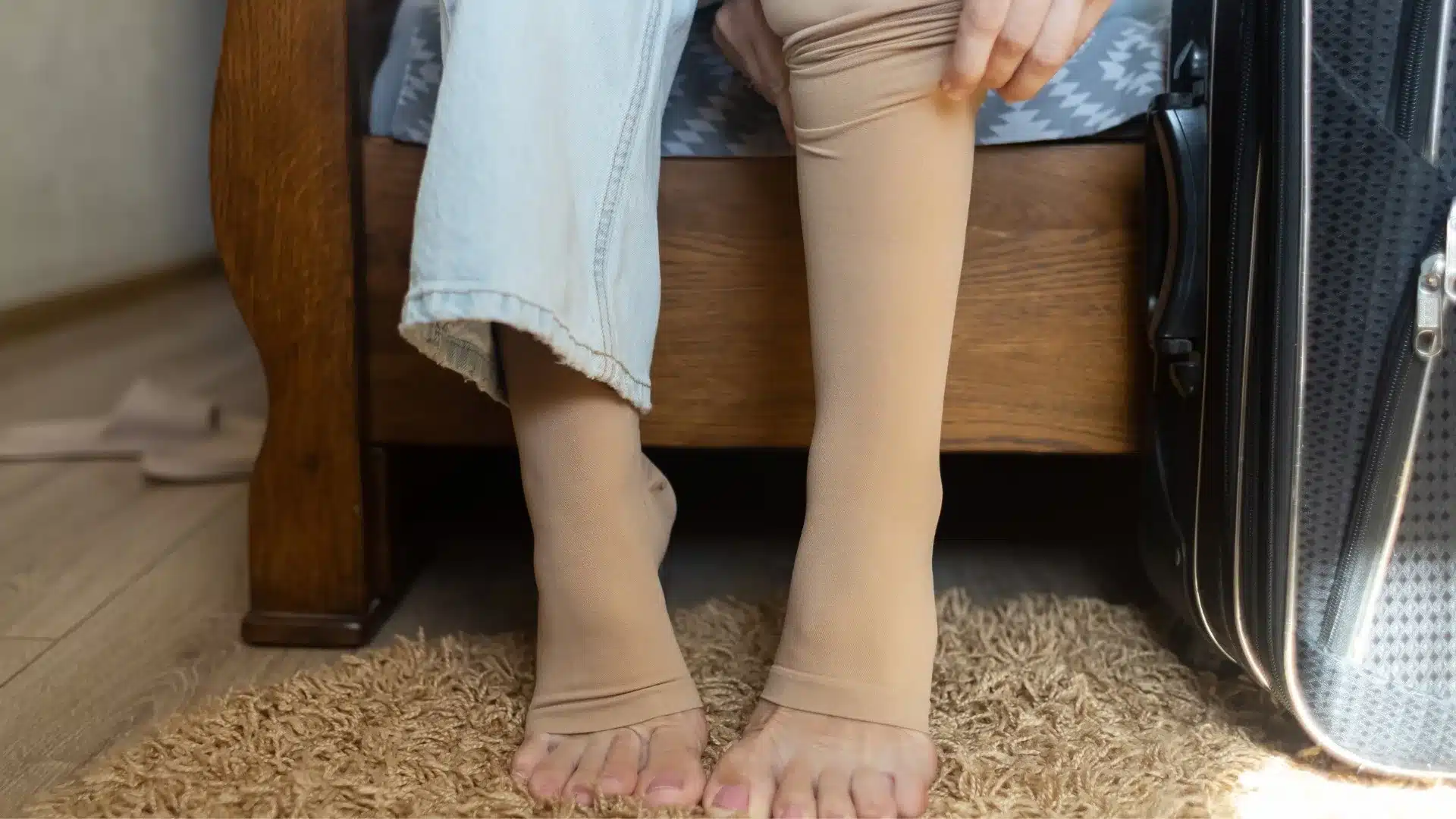
Swelling after you bring your baby into the world can feel physically uncomfortable and emotionally challenging. Your body just did something incredible, yet the build‑up of fluid in your feet and legs can leave you achy, uncomfortable, and exhausted by the end of the day.
A study found that blood flow in swollen legs increased from about 5.36 cm/s to 7.69 cm/s when wearing compression stockings. This helps reduce the fluid buildup that causes heaviness and discomfort in your feet and ankles.
When circulation improves, you’re less likely to feel the heaviness and tightness that make your legs feel throbbing and hard to rest. In this blog, we’ll discuss what compression socks do, how to choose the right level and fit, and practical tips for using them safely in your postpartum recovery.
Key Takeaways
- Postpartum swelling in the legs and feet is common as your body releases retained fluid after delivery.
- Compression socks help improve circulation and reduce swelling, heaviness, and daily discomfort.
- Most postpartum moms do well with moderate compression (15–20 mmHg), unless advised otherwise by a provider.
- Choosing the right fit and medical-grade quality improves comfort and effectiveness.
- Insurance may cover compression socks as a postpartum DME (Durable Medical Equipment) item, depending on your plan and medical documentation.
Understanding Postpartum Swelling: Why Your Legs and Feet Puff Up
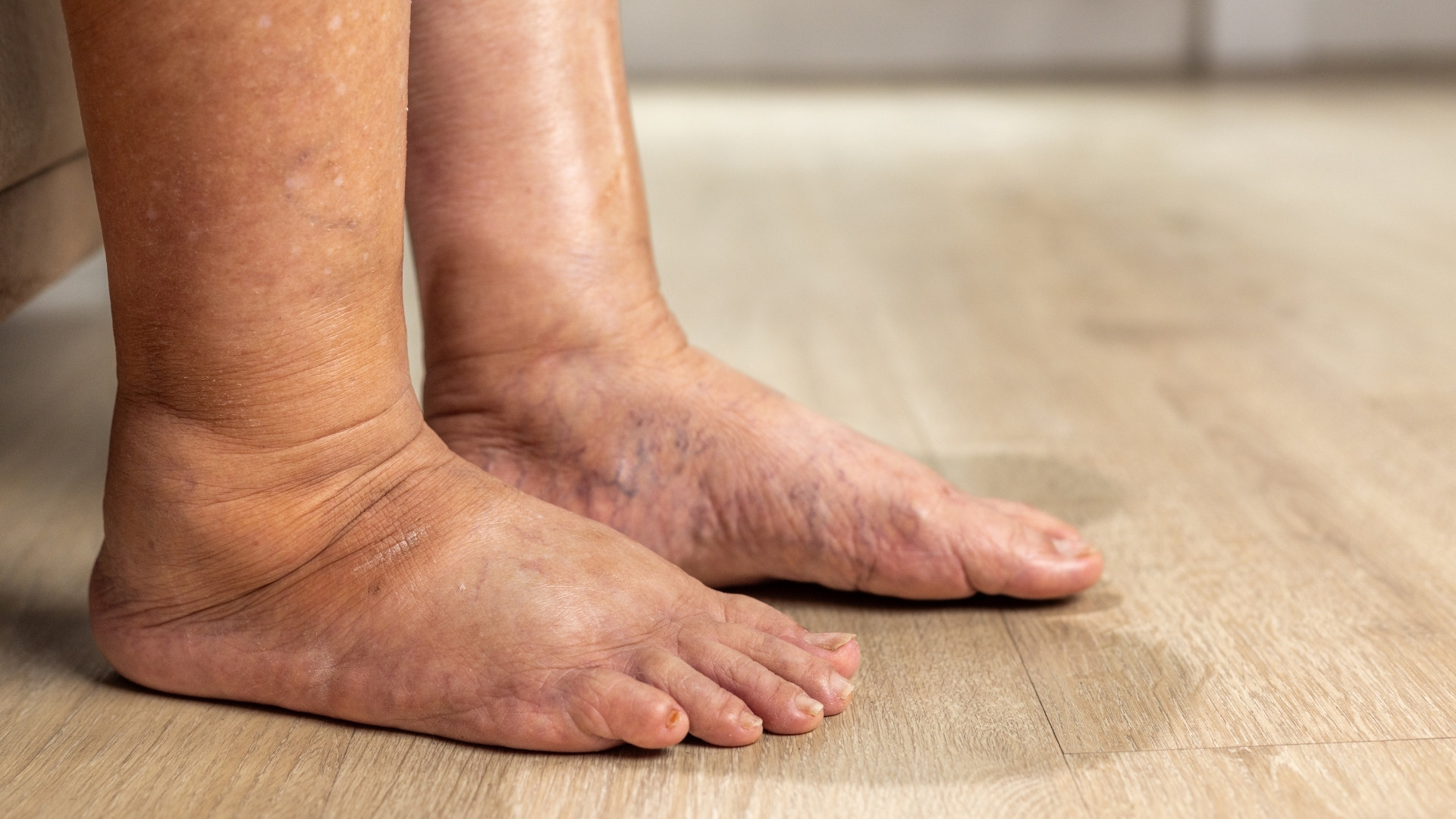
Think of postpartum swelling as your body saying, “Give me a little time to rebalance.” During pregnancy and childbirth, your body retains extra fluid. After delivery, that fluid doesn’t disappear overnight; it has to go somewhere, and gravity usually sends it to your legs, ankles, and feet.
Here’s what’s happening behind the scenes:
- IV fluids during labor: Helpful in the hospital, but they don’t magically leave your body once you’re home.
- Hormonal shifts: Pregnancy hormones drop quickly, and fluid regulation takes time to normalize.
- Less movement at first: Resting and healing slow circulation.
- Gravity is doing its thing: Fluid naturally settles in the lowest parts of your body.
Common postpartum swelling usually looks like:
- Both feet or legs are feeling puffy
- Tight shoes or socks
- Swelling that improves when you elevate your legs
Swelling that needs a provider’s attention may look like:
- One leg is more swollen than the other
- Redness, warmth, or sharp pain
- Sudden swelling that feels different than before
If something feels off, trust that instinct. Most swelling is part of recovery, but knowing the difference helps you feel safer and more in control.
Also read: Breast Pumping Laws Michigan: What Moms Should Know
Many new moms find that compression socks for postpartum swelling help reduce discomfort and support circulation as their legs recover.
How Compression Socks for Postpartum Swelling Help?
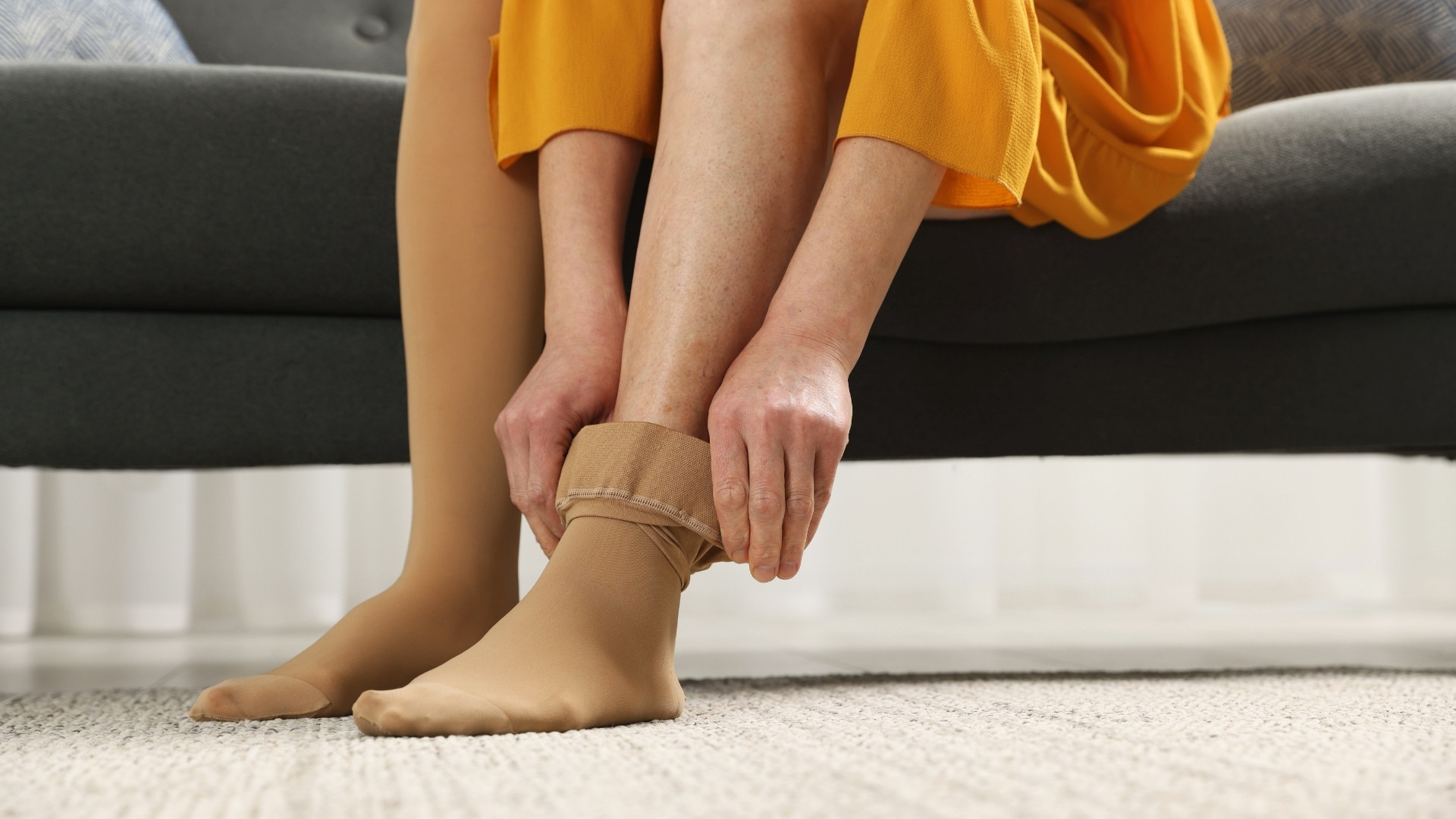
When your legs feel heavy, tight, or uncomfortable after birth, your body is asking for support, not pressure, not restriction, just gentle help. That’s where compression socks come in.
They’re designed to work with your recovering body. By applying carefully graduated pressure, they help guide fluid and blood back toward your heart, easing swelling and making everyday movement feel more manageable as you heal.
Below is how compression socks help with postpartum swelling.
They Improve Circulation
Compression socks boost circulation by gently squeezing your legs, encouraging blood and fluid to flow upward. This reduces postpartum swelling, eases heaviness, supports recovery, and makes movement more comfortable.
Here’s how they help your blood keep moving:
- The pressure is strongest at your ankle and gradually eases as it moves up your leg.
- This gentle gradient gives blood a clear direction to travel, instead of lingering in one spot.
- Faster, smoother flow means less pooling and less of that tight, heavy sensation by the end of the day.
When blood moves the way it’s supposed to, your legs feel lighter, more supported, and far less uncomfortable. It’s a small change that can make everyday postpartum movement feel noticeably easier.
They Reduce Fluid Buildup In Legs And Feet
That stubborn puffiness in your feet isn’t just “extra weight”; it’s fluid that needs a little nudge to move along. Compression socks act like a gentle guide, helping your body clear what it no longer needs.
What’s happening under the surface:
- Your lymphatic system drains excess fluid, but after birth, it can slow down.
- Light, consistent pressure gives that system a boost, encouraging fluid to move rather than settle.
- Every step you take creates a subtle push-and-release effect, helping fluid travel upward naturally.
The result? Ankles feel less tight, and shoes fit more comfortably.
Are you looking for extra support as your body heals? ICBP can help you access medical-grade postpartum recovery garments that improve comfort and mobility during those first weeks at home.
They Lower The Risk Of Blood Clots (When Appropriate)
Most postpartum moms won’t develop blood clots; the risk is low, but it’s still something doctors take seriously, especially when movement is limited after birth or surgery.
Why compression matters in certain situations:
- When you’re less mobile (after a C-section or long labor), blood can slow down in the legs.
- Slower flow increases the risk of deep vein thrombosis (DVT). DVT is a blood clot in a deep vein, usually in the leg, that can be dangerous if it moves.
- Compression socks help keep blood moving steadily, which lowers the risk for some people.
That said, compression socks aren’t a one-size-fits-all solution. If you have a history of clotting issues, severe leg pain, or uneven swelling, it’s important to check with your healthcare provider first. Used appropriately, compression is a supportive tool, not a replacement for medical advice.
They Improve Comfort For Daily Tasks
Postpartum life doesn’t pause, even when your body feels tired. Feeding your baby at odd hours, walking back and forth down the hallway, and standing at the changing table, all add up faster than you expect.
Compression socks for postpartum swelling help in quiet, practical ways:
- Legs feel less achy when you’re on your feet longer than planned.
- Swelling staying under control means shoes and slippers fit better, so moving around feels easier.
- Reduced heaviness helps you feel steadier and supported, especially during those long days and nights.
When your legs feel better, everything feels a little more doable, and that extra comfort can make daily caregiving feel less exhausting.
Also read: Prenatal Vitamins Explained: Finding the Best Formula with Folic Acid
Understanding how compression socks help postpartum swelling makes it easier to know when and how often to wear them for the best results.
When and How Often to Wear Compression Socks for Maximum Relief

Timing matters, not because there’s one “right” moment, but because your recovery looks different from someone else’s.
In The First Few Days
- Many moms start wearing compression socks in the hospital, especially if swelling shows up quickly.
- They’re often most helpful when you’re resting more and moving less.
In The Weeks After Coming Home
- Wearing them during the day can support circulation as your body continues to release excess fluid.
- They’re especially useful if swelling lingers or worsens by evening.
Vaginal Birth vs C-Section
- After a vaginal delivery, compression socks are commonly used for comfort and swelling control.
- After a C-section, they’re often recommended sooner due to reduced mobility, but it’s always best to follow your OB’s guidance.
Overnight Use
- Most medical guidance advises not wearing compression socks while sleeping unless your provider specifically tells you to.
- If you’re unsure, a quick check-in with your OB or midwife keeps things safe and stress-free.
Knowing when to wear compression socks after birth helps you choose the right pair for effective postpartum recovery.
How to Choose the Right Compression Socks for Your Postpartum Needs
Not all compression socks are created equal, and choosing the right pair can make a big difference in how comfortable and supported you feel during recovery. The goal isn’t maximum pressure, it’s the right amount of support for your body right now. A few key factors help you narrow it down without overthinking it.
Let’s walk through what actually matters.
Pick the Right Compression Level
Those numbers on compression socks for postpartum swelling can look intimidating, but they’re really just a way to describe how much support your legs are getting, nothing more.
Here’s an easy way to think about it:
- 8–15 mmHg (Mild): Light support. Feels gentle but often not enough to reduce noticeable postpartum swelling.
- 15–20 mmHg (Moderate): The sweet spot for most postpartum moms. Supportive without feeling restrictive.
- 20–30 mmHg (Firm): Medical-grade compression, usually recommended only when prescribed.
For typical postpartum swelling, many healthcare providers suggest starting with 15–20 mmHg unless your OB or midwife advises otherwise. This level is commonly recommended in clinical guidance and product testing for managing leg swelling while maintaining comfort and safety.
Choose the Right Fit, Length, and Fabric for Daily Wear
The right compression sock should feel supportive, not like a workout to put on. Comfort and fit matter just as much as compression level, especially when your body is still healing.
Length options, what works postpartum:
- Knee-high: Most popular for postpartum use. Easy to wear, effective for ankle and calf swelling, and less restrictive.
- Thigh-high: Helpful if swelling extends above the knee, but can slip or feel cumbersome for daily wear.
- Pantyhose-style: Full-leg support, often used when recommended by a provider, but less convenient during frequent bathroom trips.
Getting the fit right:
- Measure around your ankle and the widest part of your calf, ideally in the morning when swelling is lowest.
- A proper fit prevents rolling, pinching, or uneven pressure.
Fabric features that make life easier:
- Breathable, moisture-wicking material
- Wide, non-digging cuff
- Stretch panels or easy pull-on designs for limited mobility
When socks fit well, you’re more likely to wear them, and that’s what makes the difference. Need extra postpartum supplies? ICBP helps you get replacement parts and accessories, ensuring your recovery gear stays ready when you need it.
Why Medical-Grade Compression Socks Make a Difference
At first glance, all compression socks can look similar, but what’s inside them makes a real difference, especially postpartum.
Every day, compression socks are often designed for travel or light daily wear. They can feel nice, but the pressure may be uneven, inconsistent, or fade quickly after washing.
Medical-grade compression socks, often classified as DME, are different:
- They provide precise, graduated compression that stays consistent over time.
- They’re tested to meet clinical standards, which matters when your body is recovering.
- Because they’re considered medical equipment, they’re more likely to qualify for insurance coverage when medically appropriate.
For postpartum recovery, consistency and reliability matter, especially if swelling lasts longer than expected. Once you’ve chosen the right compression socks for postpartum recovery, simple tips can help you wear them comfortably and effectively every day.
4 Practical Tips for Wearing Compression Socks Comfortably Every Day
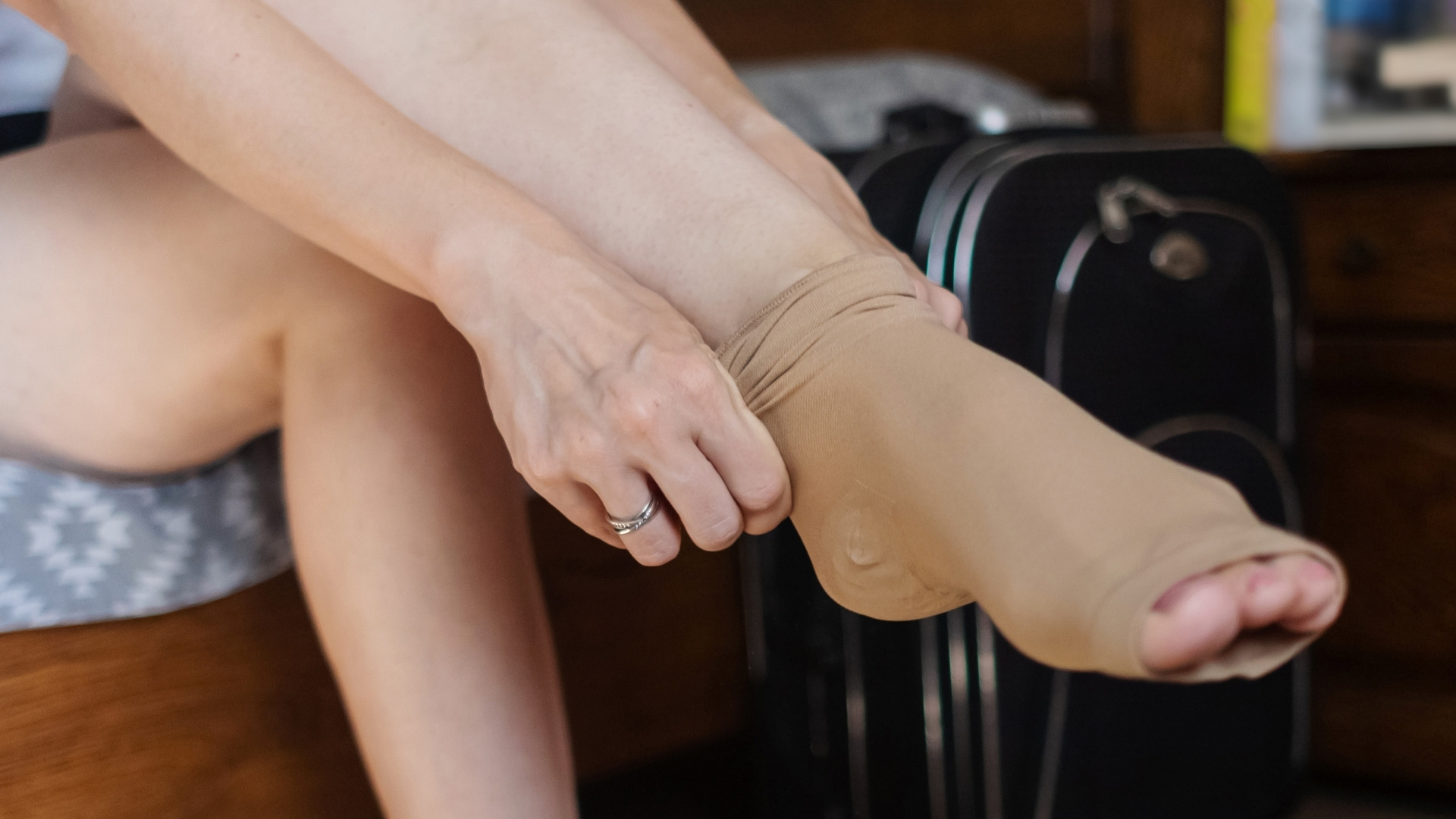
Small habits can make compression socks feel less like a task and more like quiet support during your day.
- Start early: Slip them on in the morning, before swelling builds up. It’s easier and more effective.
- Make it gentler on your body: If you’re dealing with incision discomfort or limited movement, donning gloves or a sock aid can help you get them on without strain.
- Care keeps them working: Wash gently, air-dry when possible, and plan to replace them every 3–6 months, or sooner if they lose elasticity, based on manufacturer guidance.
- Listen to your body: Mild pressure is normal. Tingling, numbness, or sharp discomfort isn’t; take them off and check in with your healthcare provider if that happens.
When worn correctly, compression socks should feel supportive, not restrictive. While practical tips make wearing compression socks easier, it’s also important to know when swelling could signal a medical concern.
When Swelling May Need Medical Attention
Most postpartum swelling is part of normal recovery, but your body is also good at signaling when something needs a closer look. This isn’t about panic. It’s about knowing when to pause and check in.
Reach out to a healthcare provider promptly if you notice:
- Sudden swelling in one leg only, especially if it’s paired with calf pain, redness, or warmth
- Swelling that feels painful rather than just tight or heavy
- Skin that looks unusually red or hot to the touch
Seek urgent care if swelling comes with:
- Shortness of breath
- Chest discomfort
- Fever along with leg swelling
These symptoms can be associated with conditions like deep vein thrombosis (DVT), which needs medical evaluation.
How ICBP Can Help With Postpartum Compression Socks
Handling insurance during postpartum recovery can feel overwhelming, especially when you’re already focused on healing and caring for your baby. This is where Insurance Covered Breast Pumps (ICBP) steps in as a behind-the-scenes support system. Their role is to simplify access to medically appropriate postpartum products while reducing confusion about insurance and eligibility.
Here’s How ICBP Supports You:
- Insurance Benefit Verification: Reviews your health plan to confirm whether postpartum compression garments qualify under DME benefits and explains coverage details in clear, everyday language.
- Prescription Coordination: Works directly with your OB/GYN or healthcare provider to obtain required documentation when compression socks are medically recommended.
- Claims and Documentation Management: Handles insurer paperwork and claim submission for eligible commercial plans and Medicaid programs, where applicable.
- Medical-Grade Product Fulfillment: Arranges delivery of qualifying compression socks and ongoing replacement supplies when covered by insurance.
Coverage varies by insurance plan and state guidelines, and in some cases, you may require medical documentation or a prescription to determine eligibility.
Read Next: Pregnancy-Safe Sunscreens for 2025: Gentle Protection for You and Your Baby
With ICBP guiding access to the right postpartum compression socks, you can focus on recovery and comfort as you guide the final steps of postpartum care.
Conclusion
Postpartum swelling can catch you off guard, but understanding what’s happening in your body gives you back a sense of control. Supportive tools like compression socks for postpartum swelling aren’t about rushing recovery; they’re about making daily life feel more manageable while your body naturally recalibrates after pregnancy and birth.
Insurance Covered Breast Pumps (ICBP) supports postpartum recovery beyond breast pumps by helping moms access medically appropriate products, including compression garments, through insurance. By handling insurance verification, documentation, and coordination, ICBP removes administrative stress so you can focus on healing and caring for your baby.
Check your insurance eligibility to see whether postpartum compression socks or other recovery products are covered under your plan.
FAQs
1. How long does postpartum swelling usually last?
Postpartum swelling typically peaks within the first few days after delivery and gradually improves over one to two weeks. For some moms, mild swelling can last longer, especially with limited movement or extended standing. Elevation, hydration, and gentle support can help your body rebalance.
2. Can compression socks help with postpartum foot pain?
Yes, compression socks can help reduce discomfort caused by fluid buildup and pressure in the feet. By supporting circulation and minimizing swelling, they may ease soreness, tightness, and fatigue, especially during long days of standing, walking, or pacing while caring for your baby.
3. Is postpartum swelling worse after a C-section than a vaginal delivery?
Swelling can be more noticeable after a C-section due to reduced mobility, surgical stress, and IV fluids used during the procedure. That said, everybody responds differently. Both delivery types can experience swelling, and the recovery pace varies based on activity level and overall health.
4. Can wearing compression socks affect milk supply or breastfeeding?
Compression socks do not interfere with milk production or breastfeeding. They work locally on the legs and circulation, with no effect on hormones involved in lactation. Many breastfeeding moms wear them comfortably while nursing, pumping, or attending postpartum appointments, without affecting supply.
5. Do compression socks help with postpartum varicose veins?
Compression socks can help reduce discomfort, heaviness, and pressure associated with postpartum varicose veins. While they won’t remove existing veins, they can support circulation and prevent symptoms from worsening during recovery, especially when worn consistently during daily activities.