










Cabbage Leaves for Breast Pain During Mastitis and Engorgement

If you’re dealing with breast pain, swelling, or fullness, especially while breastfeeding, you may have heard people mention using cabbage leaves for mastitis or engorgement relief. It might sound surprising, but this simple home remedy has been used for generations and is still commonly recommended for short-term comfort.
Breast discomfort can feel overwhelming, particularly when you’re already navigating feeding schedules, recovery, and exhaustion. While cabbage leaves aren’t a cure for mastitis, many people find they help ease pain, reduce swelling, and provide temporary relief when breasts feel overly full or tender.
This guide explains how cabbage leaves work, when they may help, how to use them safely, and when it’s important to seek medical care.
Quick Summary
- Cabbage leaves are commonly used for short-term relief of breast pain, swelling, and engorgement during breastfeeding.
- They do not treat mastitis, but may help ease discomfort between feedings.
- Overuse can reduce milk supply, so they should be used sparingly (15–20 minutes, up to twice a day).
- Mild engorgement often improves with regular breastfeeding or pumping alone.
- Severe symptoms, such as fever, flu-like symptoms, spreading redness, or worsening pain, require medical care.
- Cabbage leaves work best as a comfort measure alongside ongoing milk removal, not as a replacement for treatment.
What Are Cabbage Leaves Used for in Breastfeeding?
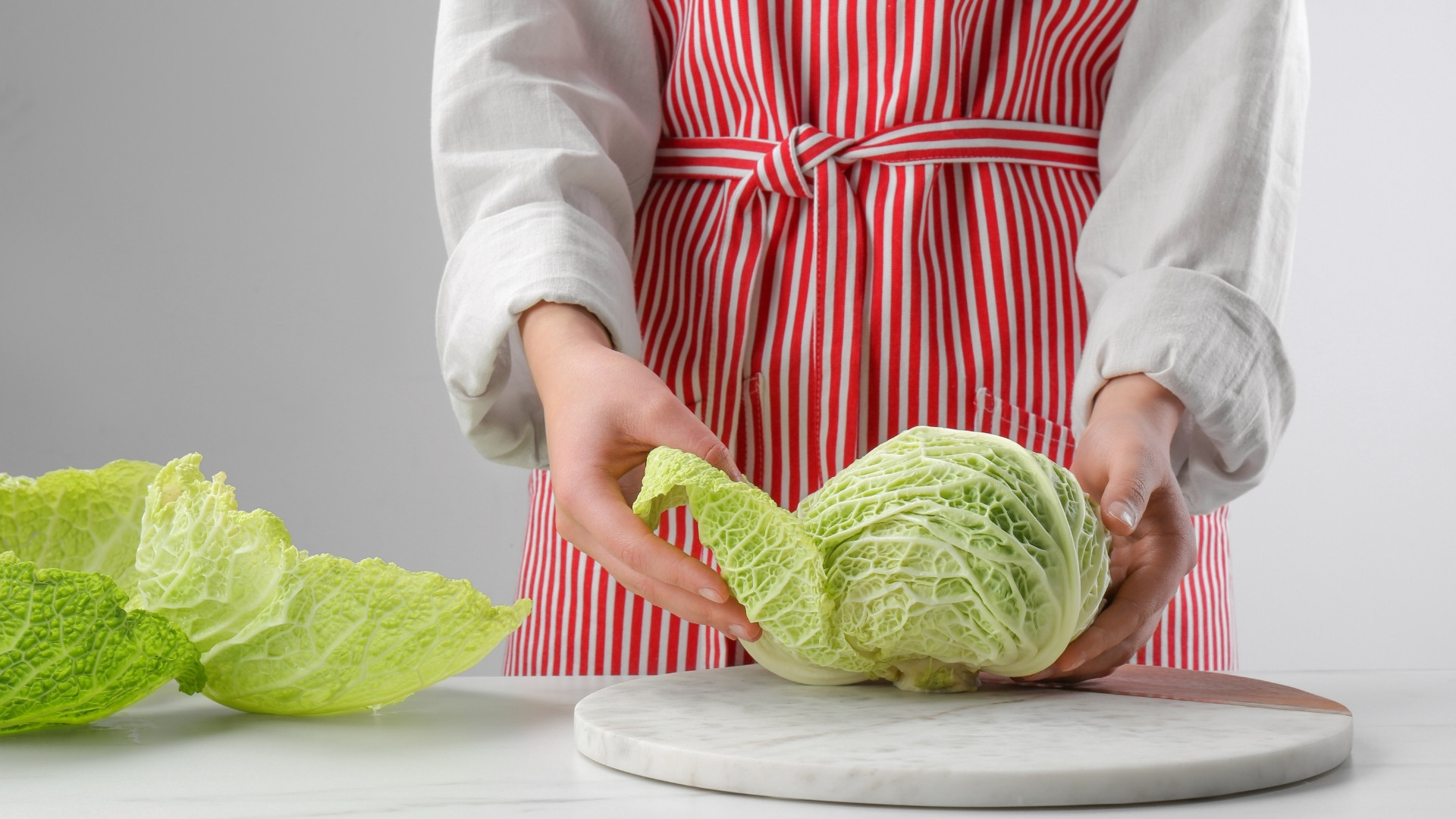
Cabbage leaves are commonly used as a simple, at-home comfort measure during breastfeeding, especially when breasts feel overly full, tender, or swollen. They’ve been used for generations to help ease discomfort related to breast engorgement and inflammation.
While cabbage leaves don’t treat underlying conditions like mastitis, many breastfeeding parents use them to help reduce pain and swelling and to feel more comfortable between feedings.
Potential Drawbacks of Using Cabbage Leaves for Mastitis
While cabbage leaves are commonly used for comfort and short-term relief, they aren’t risk-free. Understanding potential downsides can help you use this remedy safely and know when to stop.
Here are some risks to keep in mind:
- May reduce milk supply if overused: Cabbage leaves are sometimes used intentionally during weaning. Frequent or prolonged use may signal your body to produce less milk.
- Does not treat infection: Cabbage leaves can ease pain and swelling, but they do not treat bacterial mastitis or replace antibiotics when needed.
- Skin irritation or allergic reaction: Some people may experience redness, itching, or irritation, especially if skin is sensitive or broken.
- Risk of contamination if not cleaned properly: Using unwashed leaves may introduce bacteria to already sensitive skin.
- May delay medical treatment: Relying solely on home remedies can postpone proper care if symptoms worsen or include fever or flu-like symptoms.
Cabbage leaves are best used as a short-term comfort measure, not a primary treatment. If symptoms persist beyond 24–48 hours or worsen, it’s important to contact a healthcare provider.
Breast Engorgement vs. Mastitis: Key Symptom Differences
Before trying home remedies like cabbage leaves, it’s helpful to understand what your symptoms may be signalling.
Mild breast engorgement happens when your breasts become overly full with milk. It often improves on its own with regular breastfeeding or pumping. Mild engorgement may feel like:
- A dull ache
- Heaviness or tightness
- General fullness
While uncomfortable, mild engorgement typically isn’t severely painful and usually resolves as milk is removed consistently.
If symptoms are mild, it’s often best to avoid interventions that could affect milk supply. Keeping milk flowing through frequent nursing or pumping is usually enough to relieve mild engorgement without additional treatment.
However, engorgement can sometimes worsen and lead to inflammation of the breast tissue, a condition known as mastitis. Severe engorgement or mastitis tends to cause more intense symptoms and often requires active management.
Common symptoms of severe engorgement or mastitis include:
- Significant breast pain or tenderness
- Redness and warmth in part of the breast
- Swelling or a firm lump
- Unusual nipple discharge
- Decreased milk output from the affected breast
- Fever, chills, or flu-like symptoms
Mastitis can be very painful and may interfere with breastfeeding or pumping if not addressed promptly. While cabbage leaves won’t treat the underlying cause, some people use them to help relieve pain and swelling while continuing appropriate care.
The Benefits of Cabbage for Mastitis
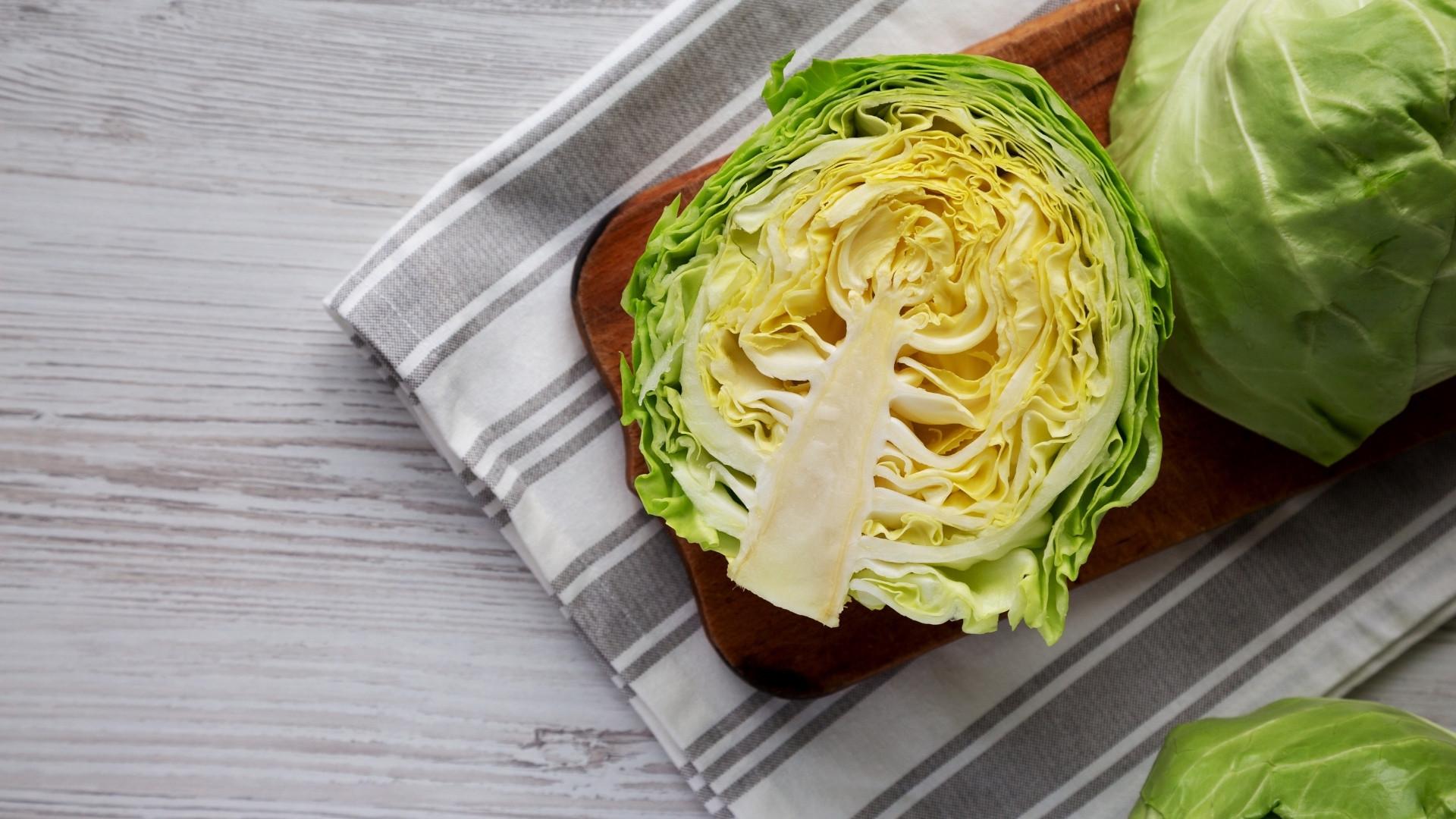
Cabbage leaves are often used as a supportive comfort measure when dealing with breast pain, swelling, or inflammation related to mastitis or severe engorgement. While they don’t treat the underlying infection, many breastfeeding parents find cabbage leaves helpful for temporary symptom relief, especially between feedings.
Here are the potential benefits:
- May help reduce swelling: Cabbage leaves are thought to have anti-inflammatory properties that can help ease breast swelling and tightness.
- Provides a natural cooling effect: Chilled cabbage leaves can feel soothing against inflamed breast tissue, similar to a cold compress.
- May ease breast pain and tenderness: The cooling and gentle pressure can help reduce discomfort when breasts feel sore or overly full.
- Easy and inexpensive to use: Cabbage is widely available, affordable, and doesn’t require special preparation or equipment.
- Non-medicated option for short-term relief: For those looking to avoid medications, cabbage leaves offer a drug-free way to manage discomfort.
- Can be used alongside regular feeding or pumping: When used appropriately and not overused, cabbage leaves can complement ongoing milk removal.
If symptoms include fever, flu-like symptoms, or worsening pain, medical treatment is necessary. Cabbage leaves are best used as short-term comfort support, not a replacement for professional care.
When breastfeeding or pumping, the right breast pump can make a noticeable difference. Insurance Covered Breast Pumps (ICBP) simplifies access to insurance-covered options, helping reduce one more thing to worry about.
How to Use Cabbage Leaves for Mastitis
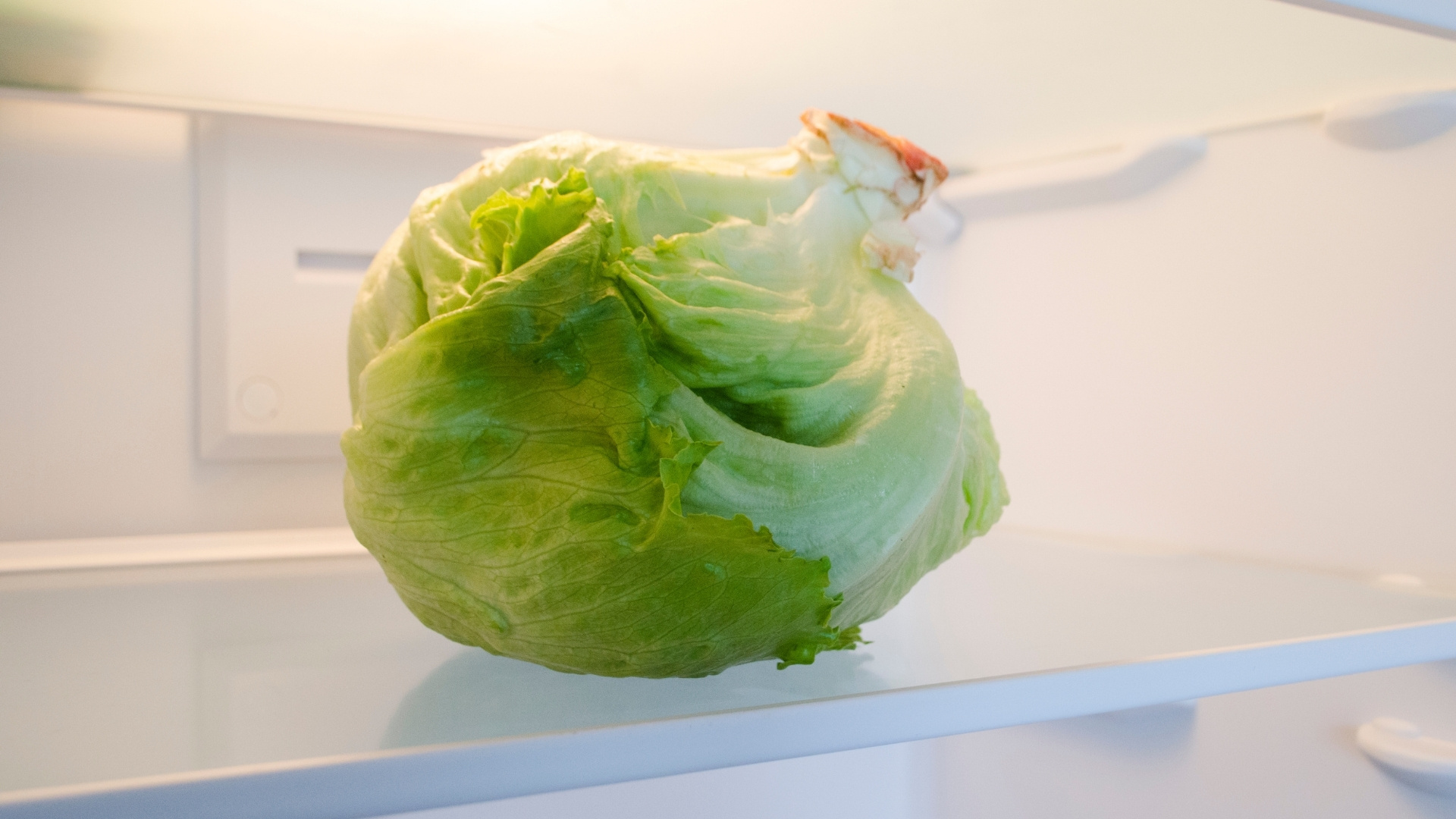
If you’re experiencing breast pain from severe engorgement or mastitis-related inflammation, cabbage leaves may help provide temporary relief. Follow these steps to use them safely and effectively:
- Choose a fresh green cabbage: Select cabbage that’s crisp and not wilted. Chilled leaves can feel soothing, but room-temperature cabbage works just as well.
- Wash the leaves thoroughly: Rinse the cabbage under clean water to remove dirt and bacteria. Pat the leaves dry with a clean towel or paper towel.
- Prepare the leaves for comfort: Remove the thick center vein so the leaf can better contour to your breast. If helpful, cut a small slit or hole so the nipple remains uncovered.
- Adjust the size if needed: If whole leaves don’t fit well, you can gently crush them or finely chop them so they better cover the affected area.
- Apply to the breast: Place the cabbage leaves directly over the affected breast tissue, covering the swollen or tender areas. Keep the nipple uncovered if possible.
- Leave on for about 20 minutes: A loose-fitting bra can help hold the leaves in place while you rest.
- Repeat twice daily: Use fresh cabbage leaves each time and repeat up to two times a day until engorgement or discomfort eases.
Many people notice soothing relief within 20–30 minutes of application. Be sure to continue regular breastfeeding or pumping to keep milk flowing, which helps reduce inflammation and supports ongoing milk supply.
Important Safety Tips When Using Cabbage Leaves
Cabbage leaves can offer temporary comfort for breast pain and swelling, but using them carefully is important, especially if you’re breastfeeding and working to maintain milk supply. Keeping a few safety tips in mind can help reduce unintended effects.
- Use only for short periods: Limit sessions to about 15–20 minutes and avoid frequent applications to reduce the chance of affecting milk production.
- Use chilled, not frozen leaves: Cold leaves help soothe swelling, but frozen cabbage can irritate the skin and cause discomfort.
- Avoid continuous daily use: Repeated use over many days may contribute to reduced milk supply. Cabbage leaves work best as an occasional comfort measure.
- Stop if milk supply decreases: If you notice a drop in milk production, discontinue use and focus on regular nursing or pumping.
- Always wash leaves before use: Clean cabbage thoroughly to remove dirt and bacteria before applying it to the skin.
- Avoid placing leaves on broken or irritated skin: Direct contact with cracked or damaged skin may increase the risk of infection or irritation.
- Watch for skin sensitivity: Discontinue use if redness, itching, or irritation develops.
- Avoid tight wrapping or compression: Leaves should rest gently inside the bra. Excess pressure can worsen discomfort or blocked ducts.
- Continue regular milk removal: Breastfeeding or pumping should remain the priority to relieve engorgement and prevent worsening symptoms.
- Do not rely on cabbage leaves as a long-term solution: Persistent pain, engorgement, or blocked ducts often signal an underlying feeding issue.
- Use alongside proper breastfeeding support: Recurrent discomfort may indicate latch, positioning, or pump fit challenges.
- Monitor for signs of infection: Fever, spreading redness, increasing pain, or flu-like symptoms require medical attention.
Cabbage leaves can be helpful for comfort, but they should never replace proper breastfeeding support or medical care when symptoms are severe or persistent.
Also read: Breastfeeding Hygiene Tips For New Mothers
Alternatives to Cabbage Leaves for Breast Pain Relief

If cabbage leaves don’t feel like the right fit, there are other ways to support breast comfort while your body recovers. These options focus on reducing strain, supporting healing, and easing discomfort without relying on topical remedies.
Here are some alternatives to consider:
- Targeted rest and positioning: Limiting pressure on the affected breast and adjusting how you rest or sleep can help reduce tenderness and irritation.
- Anti-inflammatory support (as advised by a provider): In some cases, healthcare providers may recommend pain-relief or anti-inflammatory options that are safe during breastfeeding.
- Breast support adjustments: Switching to a softer, non-compressive bra or going braless for short periods can reduce pressure-related pain.
- Gradual pressure relief between feeds: Light hand expression just to relieve pressure (not fully emptying) may help reduce discomfort without overstimulation.
- Monitoring feeding patterns: Noting whether discomfort worsens at certain times can help you identify patterns and make gentle adjustments.
- Medical evaluation when needed: Persistent pain, redness, or systemic symptoms may require assessment and treatment beyond home comfort measures.
Sometimes, combining a few of these approaches works better than relying on a single method. If pain persists or symptoms worsen, it’s important to reach out to a healthcare provider for guidance.
Suggested read: Common Breastfeeding Pain Questions and Solutions
Conclusion
Managing breast pain or mastitis during breastfeeding isn’t about doing everything at once, it’s about choosing what genuinely supports your comfort, healing, and milk flow. When relief strategies feel simple, safe, and manageable, it becomes easier to stay consistent with breastfeeding or pumping during an already demanding time.
Alongside comfort measures like cabbage leaves, having the right pumping support can make a meaningful difference. Insurance Covered Breast Pumps (ICBP) helps remove the stress of managing insurance by making it easier to access medical-grade breast pumps and eligible replacement supplies when you need them, supporting comfort, hygiene, and ongoing milk removal.
Check your insurance eligibility today and see how ICBP can help simplify one important part of your breastfeeding journey.
FAQs
1. Do cabbage leaves actually help with mastitis?
Cabbage leaves may help relieve pain and swelling associated with mastitis or severe engorgement, but they do not treat the underlying infection. Medical treatment may still be necessary.
2. How often can you use cabbage leaves on your breasts?
Most people use cabbage leaves for about 15–20 minutes at a time, up to two times a day. Using them too frequently may affect milk supply.
3. Can cabbage leaves reduce milk supply?
Yes, overuse may reduce milk production. Cabbage leaves are sometimes used intentionally during weaning, so it’s best to use them sparingly if you want to maintain supply.
4. Should cabbage leaves be cold or room temperature?
Cold cabbage leaves are often preferred for their soothing effect, but room-temperature leaves can also provide relief.
5. Can you breastfeed or pump while using cabbage leaves?
Yes. Continue regular breastfeeding or pumping to keep milk flowing. Remove the cabbage leaves before feeding or pumping.
6. When should you stop using cabbage leaves?
Stop if you notice a decrease in milk supply, skin irritation, or if symptoms worsen or don’t improve within 24–48 hours.
7. When should you see a doctor for mastitis?
Contact a healthcare provider if you experience fever, flu-like symptoms, spreading redness, severe pain, or symptoms that persist beyond 1–2 days.