









Finding the Right Flange Size: The Key to Comfortable, Effective Pumping.
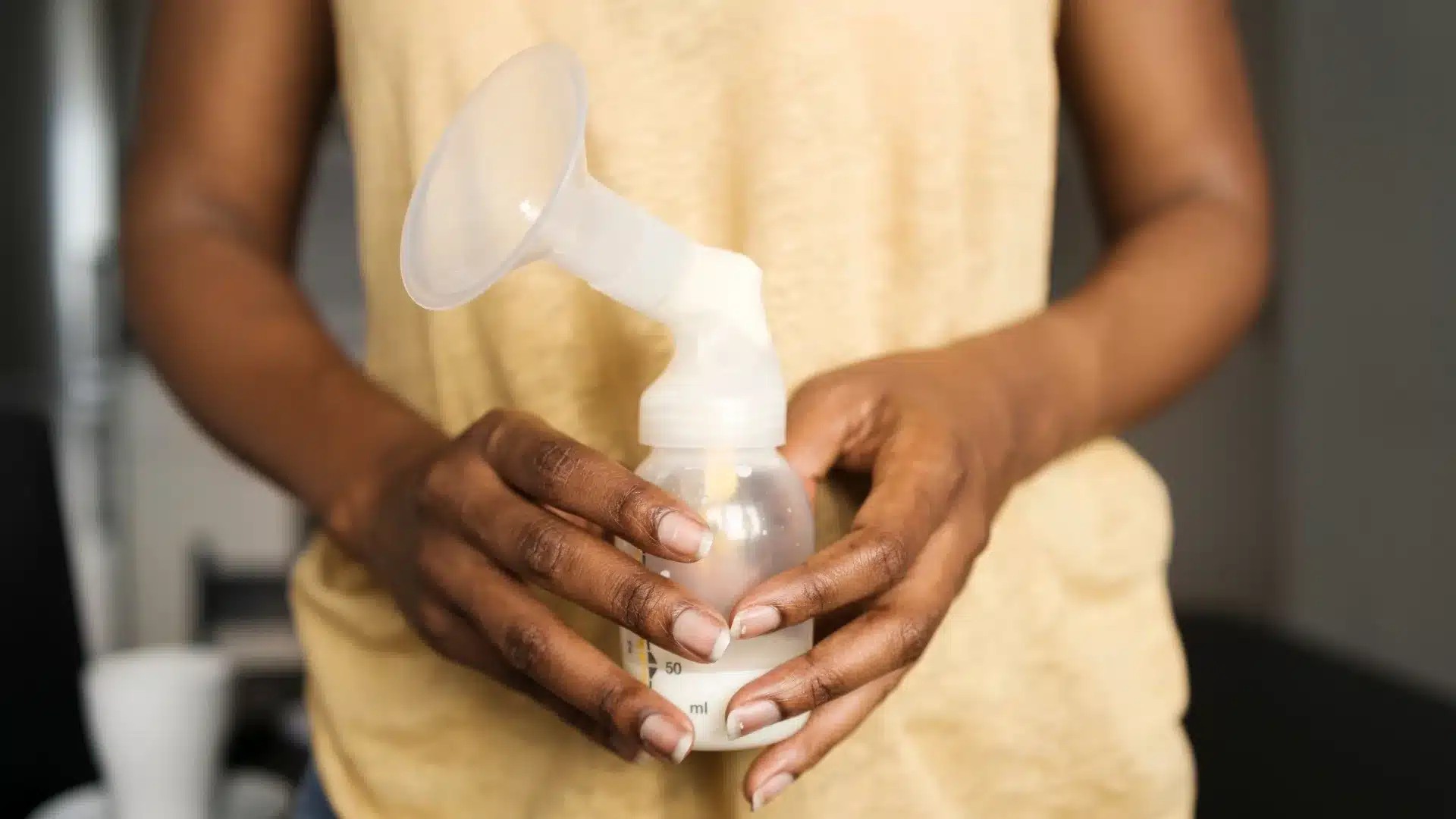
It’s surprising how something as small as a few millimeters can completely change your pumping experience. The size of your flange, the part that fits over your nipple, can make the difference between a comfortable, efficient session and one filled with discomfort or frustration.
This flange size guide walks you through how to measure your nipple accurately, recognize when a flange isn’t fitting right, and choose the size that helps you pump comfortably and confidently.
Need to Know:
- Flange size matters: The right fit improves milk flow, reduces discomfort, and protects nipple health.
- Measure accurately: Use a soft ruler or nipple ruler in millimeters and add 2–4 mm to your nipple diameter for the best fit.
- Check your comfort: Pain, rubbing, or poor milk output are signs your flange may be the wrong size.
- Re-evaluate over time: Nipple size can change during breastfeeding, so it’s okay to adjust your flange size as needed.
- Seek expert help: If you’re unsure or still uncomfortable, a certified lactation consultant can guide you toward a better fit.
What Is a Breast Pump Flange?
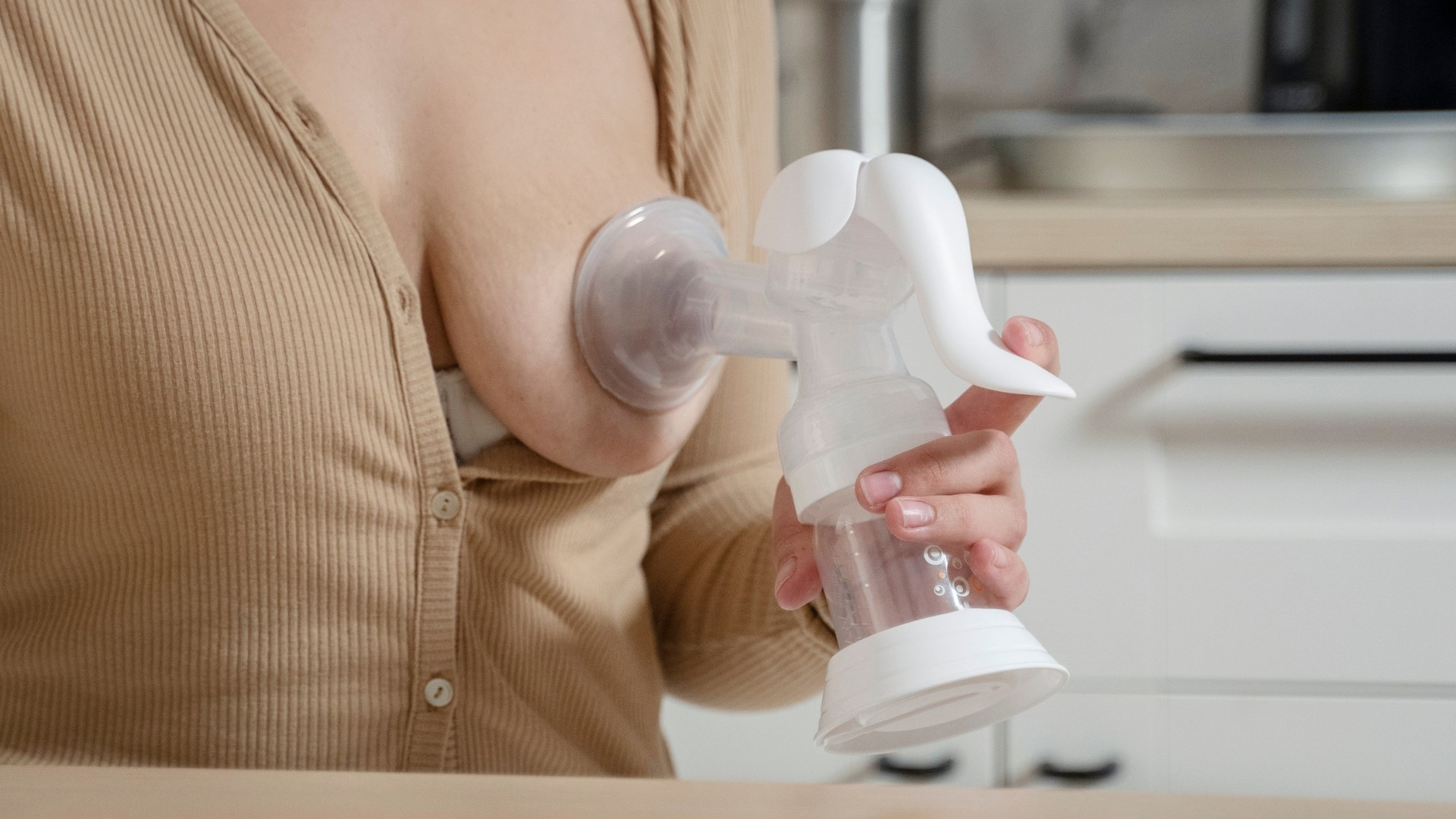
A breast pump flange is the part of the pump that rests against your breast and nipple, creating a gentle seal over the areola. It’s shaped like a small funnel, guiding your nipple into the tunnel of the pump where suction helps express milk.
Flanges are usually made from plastic or soft silicone and come in various sizes to fit different nipple diameters. The right size helps ensure a comfortable seal and efficient milk flow without pain or irritation.
Many breast pumps now include multiple flange sizes or offer silicone inserts that make the tunnel opening smaller for a more personalized fit. These options are especially helpful for moms whose nipple size changes over time or who find standard flanges too large or uncomfortable.
Also Read: Caring for Sore Nipples in Breastfeeding
Signs Your Flange Doesn’t Fit Properly
Many moms start pumping without realizing how much the wrong flange size can affect their comfort and milk flow. A poor fit can make pumping feel painful, frustrating, and far less effective. Let’s understand this better with some clear signs your flange might not be the right size.
1. When the Flange Is Too Small
- The nipple rubs against the tunnel sides during pumping.
- You feel pain, redness, or friction afterward.
- Milk flow is slow, or output decreases.
- The nipple looks white, pinched, or compressed after pumping.
- The breast moves too little or too much during suction.
2. When the Flange Is Too Large
- Too much of the areola is pulled into the tunnel.
- Suction feels weak or uneven, even on higher settings.
- You notice puffiness or swelling around the nipple.
- Milk expression feels incomplete or inconsistent.
3. When the Fit Is Correct
- The nipple moves freely in the tunnel without rubbing.
- Most of the areola stays outside the flange.
- Suction feels smooth and natural.
- Milk flows steadily with no lingering discomfort.
The Importance of Measuring Flange Size
Measuring your flange size might seem like a small detail, but it can make a big difference in both your comfort and milk output. Every mom’s body is unique, and using the wrong flange size can lead to soreness, frustration, and even reduced milk expression over time.
In fact, a 2025 comparative pilot study found that moms using incorrectly sized, standard-fit flanges produced 15 grams less milk per session and reported noticeably lower comfort levels compared to those using smaller, individually fitted flanges.
A correctly measured flange:
- Ensures your nipple moves freely without rubbing against the tunnel.
- Supports better suction and efficient milk flow.
- Helps prevent soreness, swelling, or cracked skin.
- Protects your milk supply by promoting consistent emptying.
On the other hand, an ill-fitting flange can cause discomfort, poor suction, and even clogged ducts over time. That’s why taking a few minutes to measure your nipple size before choosing a flange can save you a lot of frustration later, helping you pump comfortably and confidently every time.
How to Measure Your Nipple Size (Step-by-Step Guide)
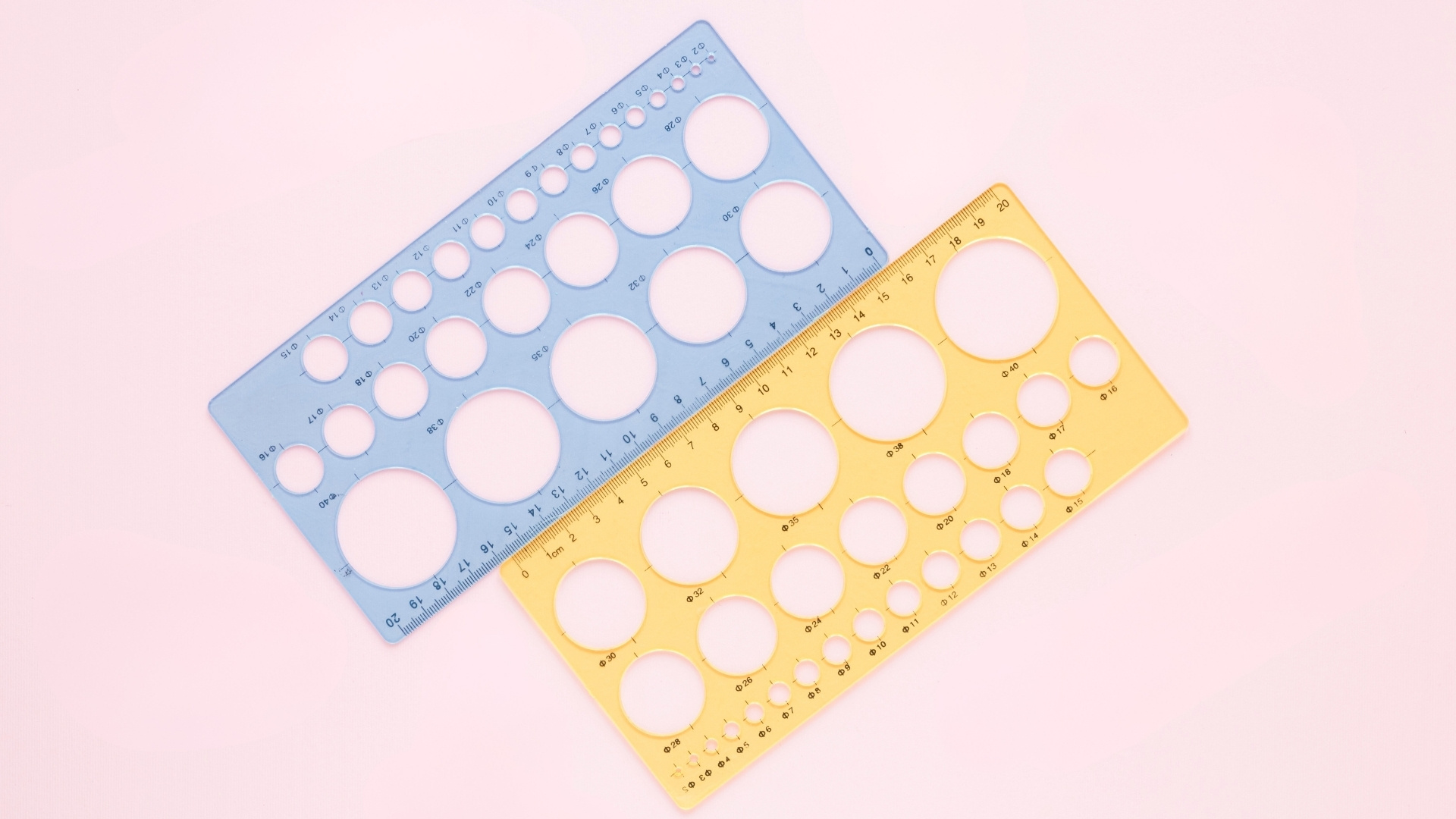
Measuring your nipple size might seem simple, but it’s the foundation of a comfortable and efficient pumping experience. Taking a few minutes to measure accurately can help you avoid pain, improve milk flow, and make pumping a smoother part of your routine.
Step 1: Find a Comfortable Moment
Measure when your breasts feel relaxed, not overly full or engorged. Gently stimulate your nipple if needed so it’s in its natural shape before measuring.
Step 2: Measure the Nipple Base
Use a flexible ruler, measuring tape, or nipple ruler in millimeters (mm). Measure the diameter of your nipple at the base, where it meets the areola. Avoid including the areola itself, only the nipple should be measured.
Step 3: Add 2–4 mm for Comfort
Since nipples expand slightly during pumping, add 2–4 mm to your measured size to find your best flange fit. For instance, if your nipple measures 18 mm, your ideal flange size would likely be around 20–22 mm.
Step 4: Measure Both Sides
It’s common for each nipple to be slightly different in size. Measure both and select the correct flange size for each breast if needed.
Step 5: Recheck Over Time
Your body can change during your breastfeeding journey. If pumping becomes uncomfortable or output decreases, remeasure to ensure your flange still fits properly.
Example Flange Size Chart
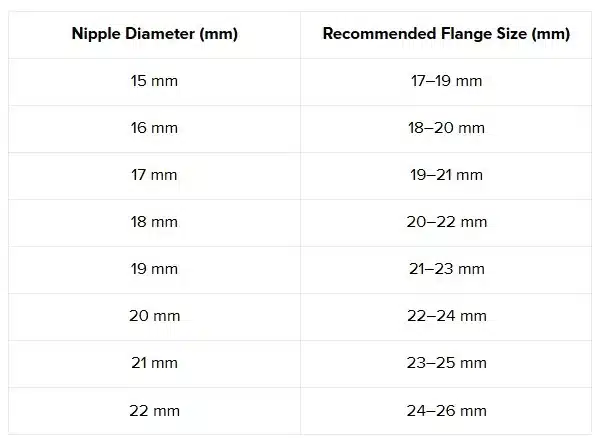
Tip: If you feel friction, pinching, or your nipple doesn’t move freely inside the tunnel, try adjusting up or down by 1–2 mm to find your most comfortable size.
Also Read: Top Breastfeeding Essentials for New Moms: What to Buy and Why
Making Sure Your Flange Fits Right After Measuring
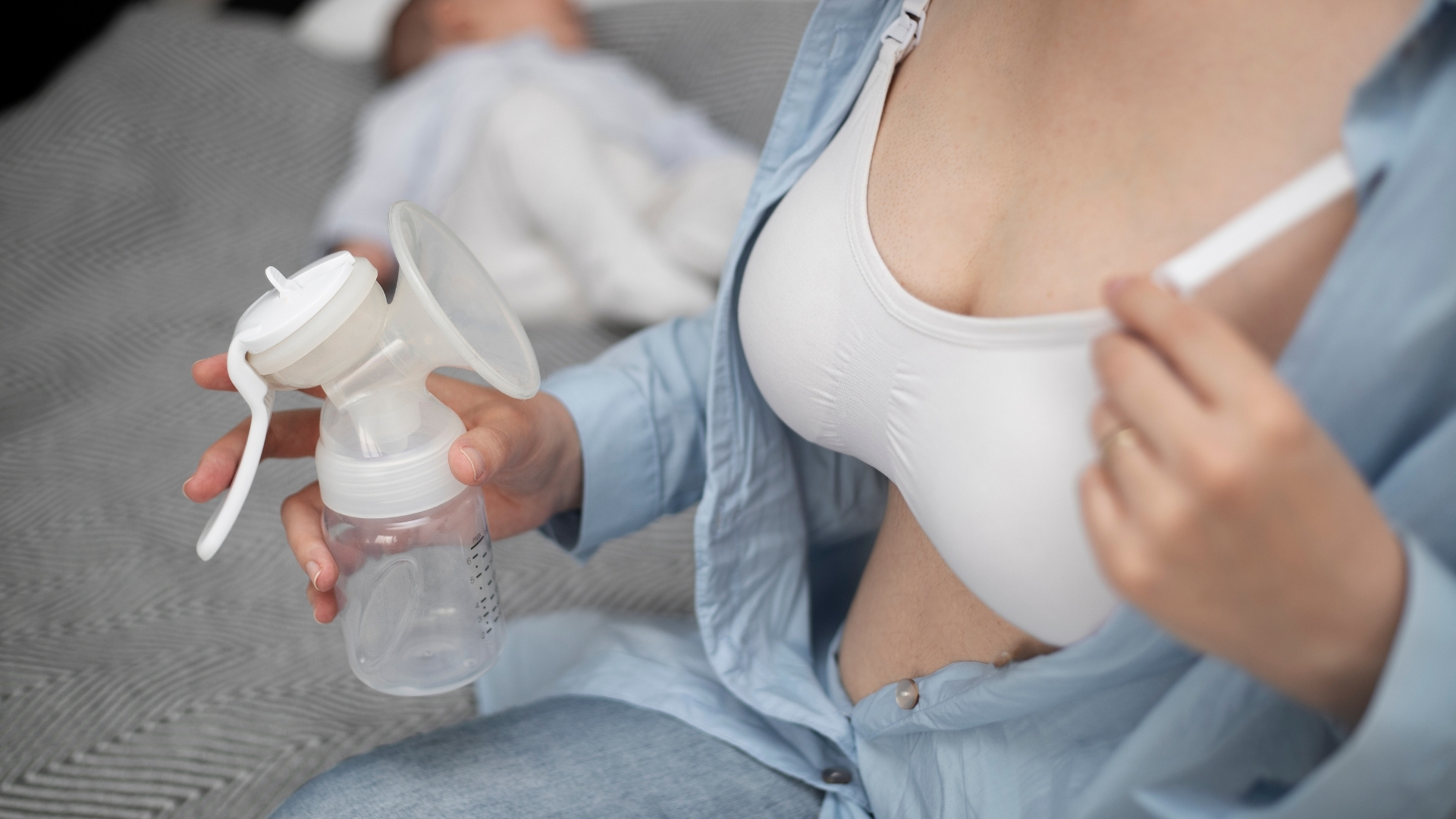
Once you’ve chosen your flanges, it’s important to test how they feel during pumping. Every mom’s body responds differently, and even a correctly measured size might need a little adjustment once you start using your pump.
Here are a few ways to check whether your flange size feels right:
- Breast movement: Your breast should move gently with each suction, not too forcefully, and not too still. The motion should feel natural and comfortable.
- Nipple rubbing: If your nipple frequently rubs the sides of the tunnel and causes discomfort, your flange may be too small.
- Discoloration: Redness or whiteness on your nipple or areola after pumping can indicate an improper fit, typically one that’s too tight.
- Fullness after pumping: Once your supply is established (around one week postpartum), your breasts should feel softer and lighter after a session. If they still feel heavy or full, your flange may not be expressing milk efficiently.
A Note on Nipple Elasticity: Some moms notice their nipples stretch deeply into the tunnel while pumping, a sign of elastic nipples. This can cause discomfort or reduced milk flow. If this happens, try using a slightly smaller flange, lower suction, or a silicone insert to limit pulling. A gentle, steady rhythm usually helps keep pumping comfortable and effective.
Also read: Best Nipple Care Creams for Breastfeeding Moms
When to Seek Support from a Lactation Expert
If you’re unsure about your flange size or still feeling discomfort while pumping, reaching out to a lactation consultant can make a big difference. Certified experts (IBCLCs or breastfeeding counselors) can guide you through measuring, fitting, and adjusting your pump setup for better comfort and milk flow.
You may benefit from professional help if you’re:
- Having trouble measuring your nipples accurately
- Unsure whether you need inserts or a different flange size
- Experiencing pain or reduced milk output even after adjusting your fit
Getting your flange fit right is just the beginning. The next step is finding a pump that supports your comfort, routine, and budget. With Insurance Covered Breast Pumps, you can check your coverage in minutes and discover options that make your pumping experience smoother and more affordable.
Final Words
A well-fitting flange can make pumping more comfortable, efficient, and stress-free. Pay attention to how your body feels, make small adjustments when needed, and don’t hesitate to get help if pumping becomes painful or unproductive. Every bit of comfort supports your confidence and consistency.
Many insurance plans cover breast pumps at no cost, making it easier to get the support and equipment you need for a smoother breastfeeding experience. Check your eligibility with Insurance Covered Breast Pumps to explore trusted, mom-approved options that fit both your body and your lifestyle.
FAQs
Q1: How do I know if I’m using the right flange size?
A proper flange fit allows your nipple to move freely within the tunnel without rubbing or pulling in too much of the areola. Pumping should feel comfortable and gentle, not painful or tight.
Q2: How often should I remeasure my nipple size?
It’s a good idea to remeasure every few months or if you notice changes in comfort or milk output. Nipple size can shift throughout your breastfeeding journey due to hormonal or supply changes.
Q3: Can I use different flange sizes on each breast?
Yes. It’s completely normal for one nipple to be slightly larger or smaller than the other. Use the flange size that fits best for each side to ensure balanced, comfortable pumping.
Q4: What happens if my flange is too big or too small?
A flange that’s too small can cause pain and friction, while one that’s too large may pull in too much tissue, leading to swelling or poor milk removal. The right size should feel snug but never tight.
Q5: Are flange inserts a good option for a better fit?
Yes, inserts can help fine-tune your fit, especially if your nipples fall between two standard sizes. Choose soft silicone inserts compatible with your pump for the best comfort and seal.