










When Does Breast Milk Come In During Pregnancy?

If you’re noticing breast tenderness, fullness, or slight leaking during pregnancy, you may be wondering when milk production starts in pregnancy. These changes can feel unexpected, but they’re actually part of what your body is designed to do.
Research shows that your breasts begin producing early breast milk (called colostrum) well before your baby arrives. This process, known as Stage I lactogenesis, typically starts around 16 weeks of pregnancy and continues through late pregnancy, preparing your body for feeding after birth.
Understanding when breast milk begins forming can help you feel more confident and prepared, and gives you time to plan ahead for breastfeeding support, including securing an insurance-covered breast pump before delivery.
Quick Summary
- Colostrum is the first form of breast milk, thick, nutrient-rich, and produced in small amounts before birth.
- Mature breast milk typically comes in 2–5 days after delivery, once pregnancy hormones drop.
- Milk production happens in three stages: early preparation during pregnancy, milk “coming in” after birth, and ongoing supply regulation.
- Milk supply varies and is influenced by factors like feeding or pumping frequency, comfort, hormones, and overall recovery.
- Breastfeeding challenges are common and manageable, especially with the right support.
- Many parents choose to secure an insurance-covered breast pump during pregnancy so it’s ready when milk volume increases after birth.
When Breast Milk Production Begins?

Breast milk production doesn’t start all at once after birth. Instead, it happens in stages, beginning during pregnancy and continuing after delivery. Your body gradually prepares for feeding by building milk-producing tissue, creating early milk, and then increasing volume once your baby is born.
Understanding these stages can help you feel reassured about what’s normal and better prepared for breastfeeding, especially during those early postpartum days when your body is adjusting quickly.
Stage 1: Early Preparation During Pregnancy (Lactogenesis I)
Breast milk production begins during pregnancy, usually around the second trimester, even though you won’t produce full milk yet. This stage is called Lactogenesis I.
During this phase, your body:
- Develops milk-producing glands
- Begins producing colostrum, the first form of breast milk
- Responds to pregnancy hormones like estrogen and progesterone
Colostrum is thick, concentrated, and rich in antibodies. You may not notice it at all, or you might see small drops leaking later in pregnancy. Both experiences are completely normal.
Even though colostrum is being made, pregnancy hormones prevent large volumes of milk from flowing yet. This ensures your body is ready, but waits until after birth to fully activate milk production.
Stage 2: Milk “Coming In” After Birth (Lactogenesis II)
This is the stage most people think of when they ask when breast milk comes in. Lactogenesis II typically begins 2–5 days after delivery.
Once the placenta is delivered:
- Pregnancy hormone levels drop
- Prolactin levels rise
- Milk volume increases rapidly
During this stage, you may notice:
- Fuller, heavier breasts
- Warmth or firmness
- A clear shift from thick colostrum to more fluid breast milk
This is when having the right breastfeeding support and tools, like a properly fitted breast pump, can be especially helpful, as your body adjusts to increased milk production.
Stage 3: Ongoing Milk Production and Regulation (Lactogenesis III)
The final stage focuses on supply and demand. At this point, milk production becomes regulated by how often and how effectively milk is removed from the breasts.
Your body adjusts based on:
- How frequently your baby feeds
- Pumping consistency
- How completely is milk removed
This stage can last for as long as you continue breastfeeding or pumping. Consistent milk removal helps maintain supply, while missed or infrequent sessions may signal your body to produce less.
Having the right pump in place can make milk expression feel more manageable. ICBP helps you secure an insurance-covered, medical-grade pump and have it delivered to your home.
What Generally Affects Breast Milk Supply?

Milk supply is influenced by a combination of hormonal changes, milk removal, and everyday factors like comfort and support. While your body is naturally designed to produce milk, how much milk you make can vary from person to person, and even from day to day.
Understanding what affects milk supply can help you recognize what’s within your control and where extra support or adjustments may be helpful.
Common Factors That Influence Milk Supply:
- Frequency of milk removal: The more often milk is removed through feeding or pumping, the more signals your body receives to continue producing milk.
- How effectively milk is removed: Proper latch, correct flange size, and good suction help ensure milk is fully emptied, which supports ongoing supply.
- Hormonal changes: Hormones like prolactin and oxytocin play a key role in milk production, especially in the early postpartum period.
- Timing after birth: Milk supply naturally increases in the days following delivery as your body transitions from colostrum to mature milk.
- Comfort and stress levels: Pain, discomfort, or high stress can interfere with letdown, making milk removal less effective.
- Breast and nipple anatomy: Natural differences in breast tissue, nipple shape, and sensitivity can affect how easily milk is expressed.
- Pumping or feeding routine: Irregular or skipped sessions may signal your body to produce less milk over time.
- Equipment fit and function: Worn pump parts, weak suction, or an incorrect flange size can reduce milk removal and impact supply.
- Overall health and recovery: Fatigue, dehydration, and postpartum recovery can all influence how your body responds during feeding or pumping.
Milk supply is not a reflection of effort or ability. With the right information, tools, and support in place, many challenges can be addressed gradually and effectively.
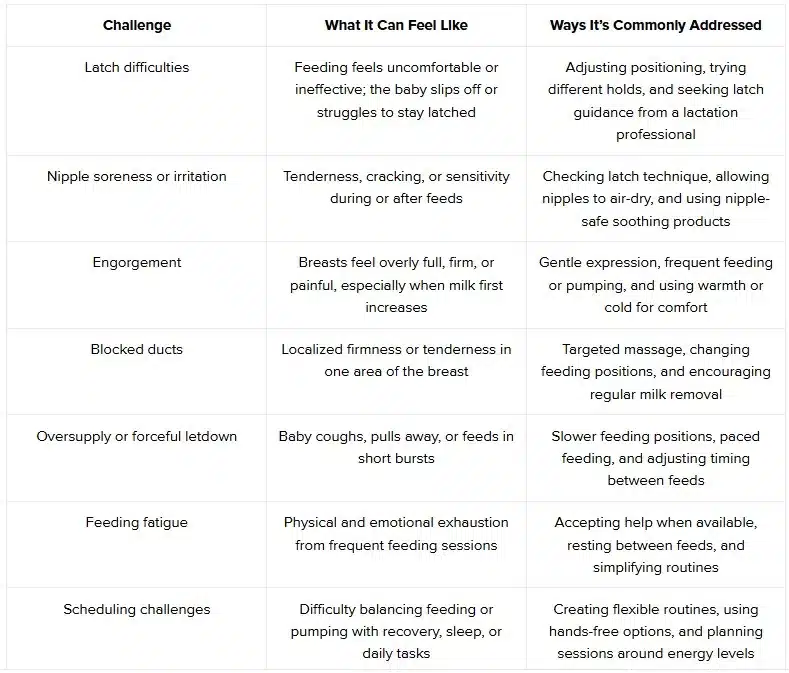
Common Breastfeeding Concerns and Solutions
Breastfeeding can come with a learning curve, especially in the early weeks. Even when milk production is progressing normally, physical, practical, or situational challenges can make feeding feel harder than expected. Many of these issues are common and manageable with the right guidance and support.
Read Next: Why Does My Breast Milk Smell When Pumping? Understanding High Lipase Activity!
Simple Ways to Support More Milk Production

If you’re concerned about milk supply, small, consistent adjustments can often make a meaningful difference. Supporting milk production isn’t about doing everything at once. It’s about helping your body receive clear signals to keep producing milk.
Gentle Ways to Support Milk Supply
- Feed or pump more frequently: Regular milk removal helps reinforce your body’s natural supply-and-demand process.
- Ensure comfortable, effective milk removal: A good latch or properly fitted pump parts can help milk drain more completely.
- Use breast stimulation before feeding or pumping: Gentle massage or warmth can help encourage letdown and improve milk flow.
- Allow time for cluster feeding: Frequent feeding periods are common and often help increase supply naturally.
- Prioritize rest and hydration: Recovery, sleep, and adequate fluid intake support your body during milk production.
- Create a calm feeding or pumping environment: Comfort and relaxation can make letdown easier and more consistent.
- Consider brief pumping sessions after feeds: Extra stimulation can help signal your body to increase production over time.
If you still feel confused or unsure, a personalized lactation consultant through the ICBP) can help identify subtle issues and offer guidance tailored to your needs.
How Insurance Covered Breast Pumps (ICBP) Can Support You
Breastfeeding and pumping can feel overwhelming, especially when you’re trying to navigate insurance, equipment choices, and recovery all at once. Insurance Covered Breast Pumps (ICBP) helps simplify that process so you can focus on feeding, not paperwork.
ICBP helps by:
- Verifying your insurance coverage
- Coordinating paperwork with your OB/GYN
- Offering trusted, medical-grade breast pumps
- Delivering approved pumps directly to your home
If you’re still feeling unsure, checking your insurance eligibility through ICBP can be a simple first step.
Final Thoughts
Milk production begins earlier than many people expect, and it’s normal for breastfeeding to come with questions along the way. Understanding what’s happening in your body and knowing where to find support can make this stage feel more manageable and less overwhelming.
If you’re preparing to breastfeed or pump, having the right tools in place can make a meaningful difference.
Check your insurance eligibility today to see if you qualify for an insurance-covered breast pump through ICBP, and take one simple step toward feeling more prepared.
FAQs
1. When does milk production start in pregnancy?
Milk production typically begins during the second trimester, around 16–22 weeks of pregnancy, when your body starts producing colostrum, the first form of breast milk.
2. Is it normal to leak milk during pregnancy?
Yes. Some people notice small amounts of colostrum leaking during pregnancy, especially in the third trimester. Others don’t leak at all, and both are completely normal.
3. Does milk supply increase before the baby is born?
Your body prepares for milk production during pregnancy, but milk volume increases significantly after birth, usually within 2–5 days once pregnancy hormones drop.
4. Can you pump during pregnancy to increase milk supply?
Pumping during pregnancy is not usually recommended unless advised by your healthcare provider. Milk production naturally increases after delivery.
5. What is colostrum, and why is it important?
Colostrum is thick, early breast milk rich in antibodies and nutrients. Even small amounts help support a newborn’s immune system in the first days after birth.
6. What can affect how quickly milk comes in after delivery?
Factors may include delivery type, hormonal changes, frequency of feeding or pumping, and overall recovery after birth.