











What Is the Best Breast Pump for First-Time Moms in 2026?

You’re searching for what is the best breast pump for first-time moms, but every list looks different, every review says something else, and nothing tells you what will actually work for your body. When you are already preparing for birth, this decision can feel heavier than it should.
It is completely normal to feel unsure here. Most first-time moms are choosing a pump without knowing how often they will use it, how their milk supply will respond, or what their daily routine will look like.
In this guide, we’ll walk through what actually works for first-time moms, so you can choose a breast pump that fits your routine without second-guessing yourself.
Key Takeaways
- Choose electric, wearable, or manual based on how often you will pump daily to avoid inefficiency and early frustration.
- Look for adjustable suction between 200–300 mmHg with consistent cycle patterns to support effective milk removal instead of relying on unclear marketing terms.
- If you expect multiple sessions per day, select a pump designed for repeated use to maintain output consistency and reduce physical fatigue.
- Regularly replace valves and membranes since worn components can weaken suction and reduce milk transfer without obvious signs.
- Confirm what your plan covers and any upgrade costs early so you can avoid delays and unexpected out-of-pocket expenses.
Why Choosing the Right Breast Pump Feels So Confusing at First
For many first-time moms, choosing a breast pump feels overwhelming because you are making a deeply personal, high-cost decision with limited, clear guidance. Between technical terms, conflicting advice, and changing postpartum needs, it becomes hard to know which option will truly work for your body and routine.
To understand where this confusion comes from, it helps to break down the specific challenges moms face early on:
- Too Many Pump Types And Configurations: Electric, wearable, and manual pumps differ in suction patterns, milk removal efficiency, and intended use, making it difficult to match one to your daily feeding plan.
- Unclear Medical And Marketing Terms: Labels like “hospital-grade” or “closed system” are often misunderstood, and not all are regulated, which makes it hard to compare real performance and safety.
- High Cost With Limited Flexibility: Most pumps cannot be returned once opened, so choosing the wrong one can feel stressful, especially when prices range from basic manual to premium wearable models.
- Your Needs Change After Birth: Pumping requirements shift based on recovery, milk supply, and baby feeding patterns, so what seems right during pregnancy may not suit your routine later.
- Multiple Technical Factors To Evaluate: You are balancing suction strength, flange sizing, comfort, noise level, and portability, all of which directly affect milk output and your overall experience.
Feeling unsure at this stage is completely normal. Once you understand what drives the confusion, choosing the right pump becomes much more manageable and far less stressful.
Best Breast Pumps for First-Time Moms (2026 Picks)
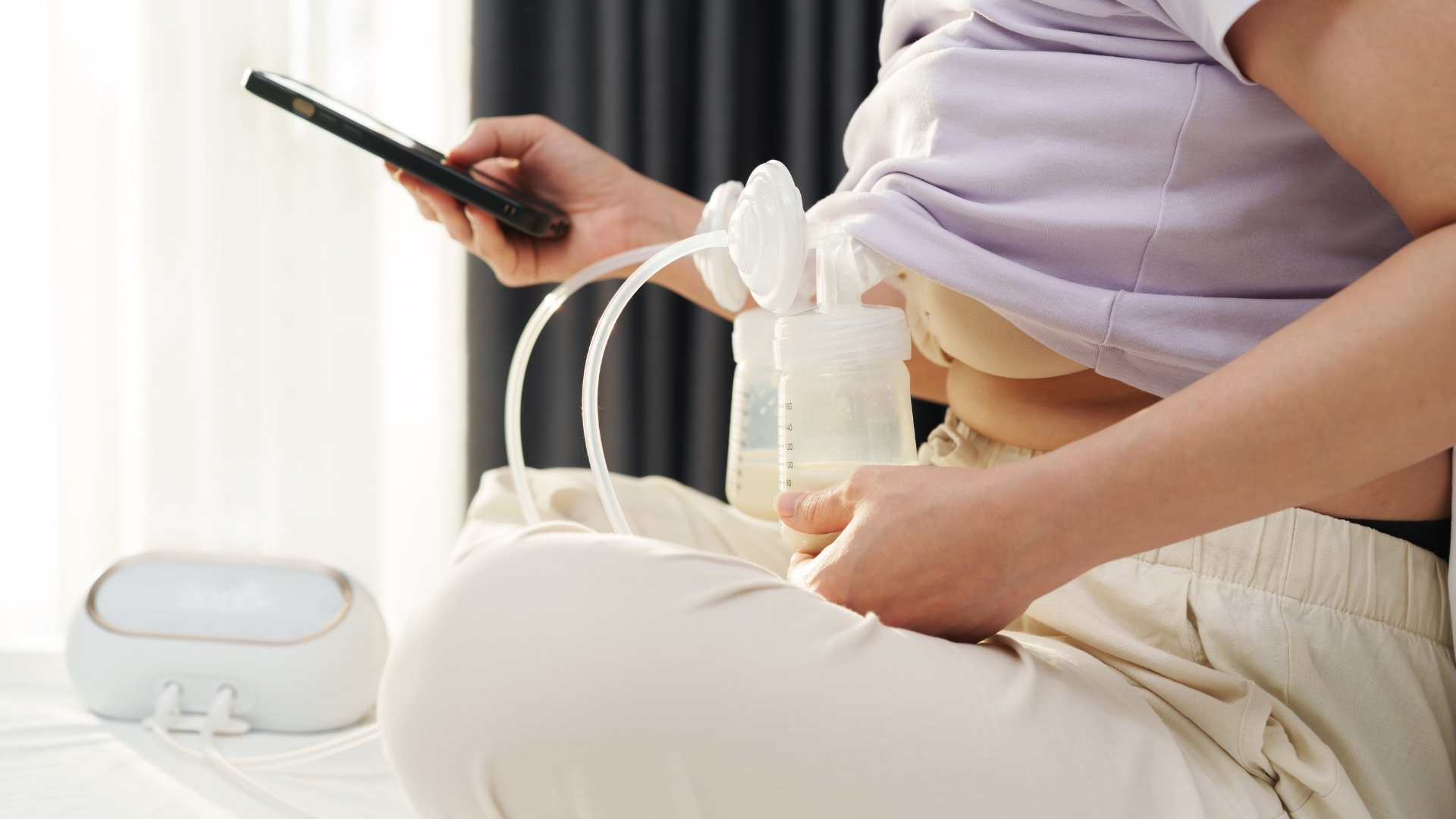
Choosing your first breast pump can feel like a big decision, especially when your routine, milk supply, and recovery are still evolving. The best options in 2026 combine consistent suction performance, comfort-focused design, and practical usability so you can pump without second-guessing every session.
Quick Comparison: Best Breast Pumps for First-Time Moms
A quick glance at how each pump differs can help you narrow down your choice without overthinking every detail.
| Pump | Type | Best Use Case | Price Range |
| Spectra S1 Plus | Double Electric | Daily pumping, primary pump | $200–$230 |
| Medela Pump In Style | Double Electric | Boosting supply early postpartum | $180–$250 |
| Elvie Pump | Wearable | Work, multitasking, mobility | $400–$550 |
| Momcozy S12 Pro | Wearable | Budget-friendly wearable use | $130–$160 |
| Lansinoh Manual | Manual | Occasional or backup pumping | $25–$35 |
-
Spectra S1 Plus
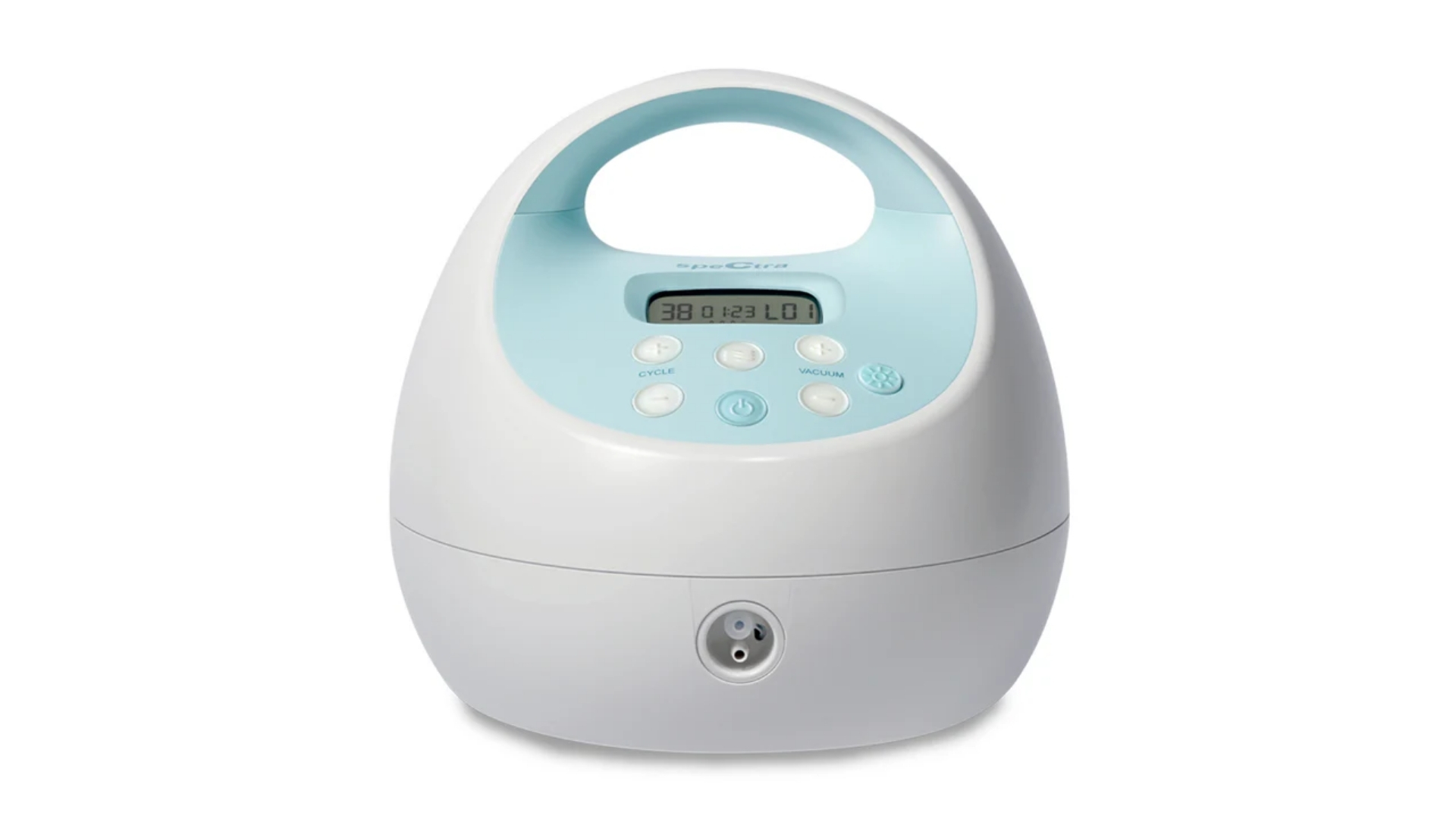
This is often recommended as a primary pump because it balances strong suction, consistent output, and portability. It works well for moms who expect to pump regularly in the first few months.
Key performance features that make this pump reliable for daily use:
- Hospital-Strength Suction Control: Adjustable vacuum levels up to 270 mmHg support effective milk removal while allowing you to fine-tune comfort during both stimulation and expression phases.
- Closed System Hygiene Design: Backflow protection prevents milk from entering the tubing or motor, reducing contamination risk and maintaining long-term suction performance consistency.
- Rechargeable Battery Portability: Built-in battery supports multiple sessions without plugging in, making it easier to move between rooms or pump during nighttime feeds without disruption.
Best For: Moms who plan to pump daily, build a milk stash, or need a dependable primary pump during early postpartum weeks.
Pricing: Typically ranges between $200 to $230, often fully covered or partially covered by insurance plans.
Is The Installation Complicated? Setup involves assembling tubing, valves, and flanges correctly, but once learned, daily assembly becomes quick and predictable without technical difficulty.
-
Medela Pump In Style with MaxFlow
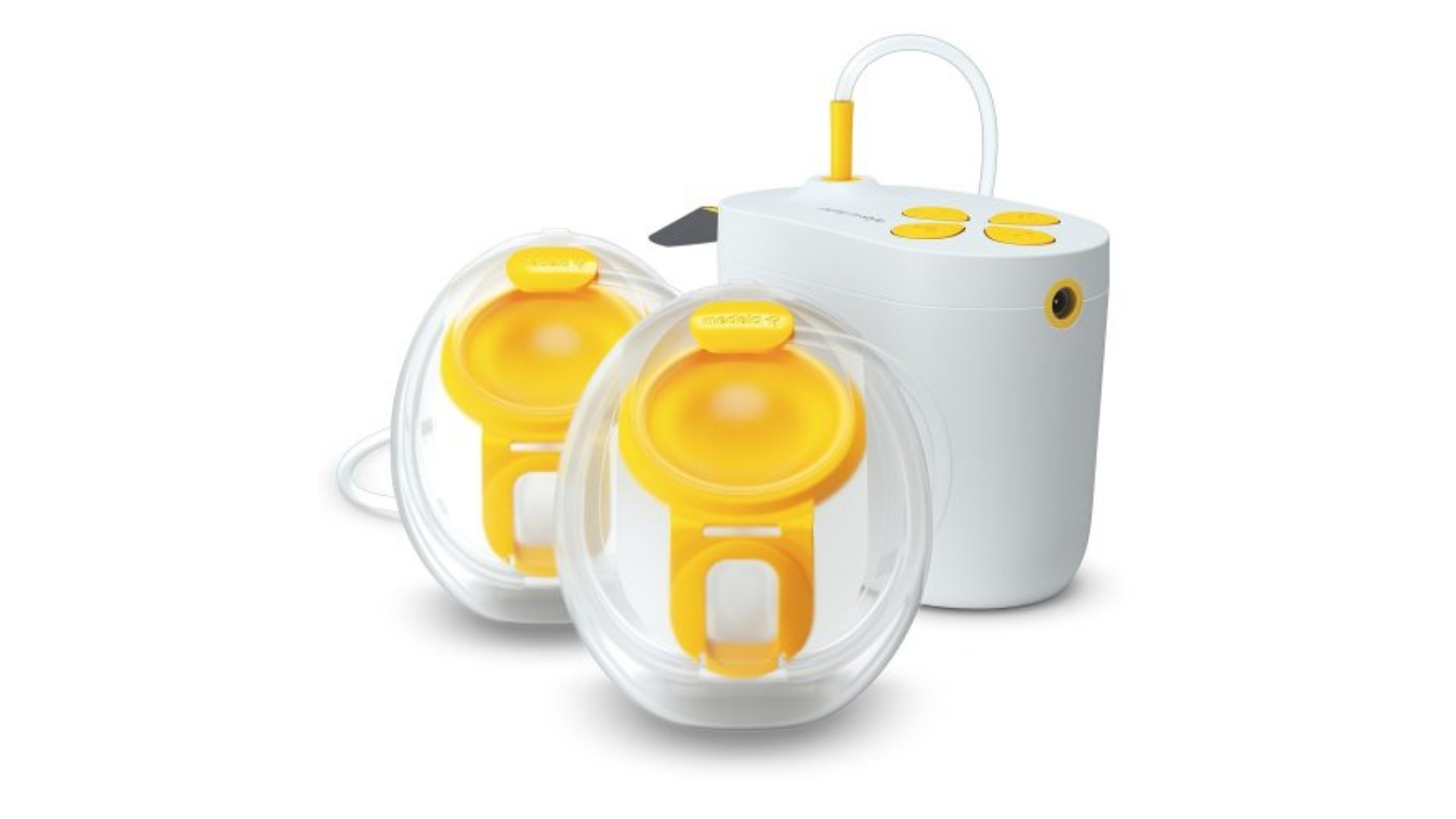
Designed to support efficient milk expression, this pump focuses on suction rhythm and consistency, which can help when establishing supply in the early weeks.
Core functional features that influence milk output and efficiency:
- 2-Phase Expression Technology: Automatically shifts from immediate stimulation to slower expression cycles, closely matching infant feeding patterns to support let-down and sustained milk flow.
- MaxFlow Micro-Vibration Motor: Generates consistent vacuum pressure with micro-vibrations that improve milk removal efficiency compared to traditional motor patterns during shorter pumping sessions.
- Closed System With Minimal Parts: Fewer components reduce assembly errors and help maintain consistent suction performance across sessions without frequent troubleshooting or adjustments.
Best For: Moms working on increasing milk supply or establishing consistent output during the first 4–6 weeks postpartum.
Pricing: Typically ranges between $180 to $250, with many insurance plans offering full coverage or low upgrade costs.
Is The Installation Complicated? Assembly is straightforward with fewer parts than most pumps, making it easier for first-time moms to set up correctly without confusion.
-
Elvie Pump
This wearable pump is designed for moms who need mobility during pumping sessions, especially when balancing work, household tasks, or caring for a newborn.
Important design and usability features that support hands-free pumping:
- In-Bra, Tube-Free Design: Fully self-contained system eliminates external tubing, allowing discreet pumping inside a nursing bra without restricting movement or positioning.
- SmartRhythm Suction Modes: Multiple suction patterns adjust automatically to support let-down and expression while maintaining comfort for sensitive nipples during longer sessions.
- Real-Time App Monitoring: Tracks milk volume and session duration through a mobile app, helping you monitor output trends without interrupting pumping.
Best For: Moms who need to pump while working, multitasking, or moving around throughout the day.
Pricing: Typically ranges between $400 to $550, with insurance covering part of the cost or requiring an upgrade fee.
Is The Installation Complicated? Initial setup requires correct alignment and sealing inside the bra, which may take a few tries before achieving consistent suction.
-
Momcozy S12 Pro
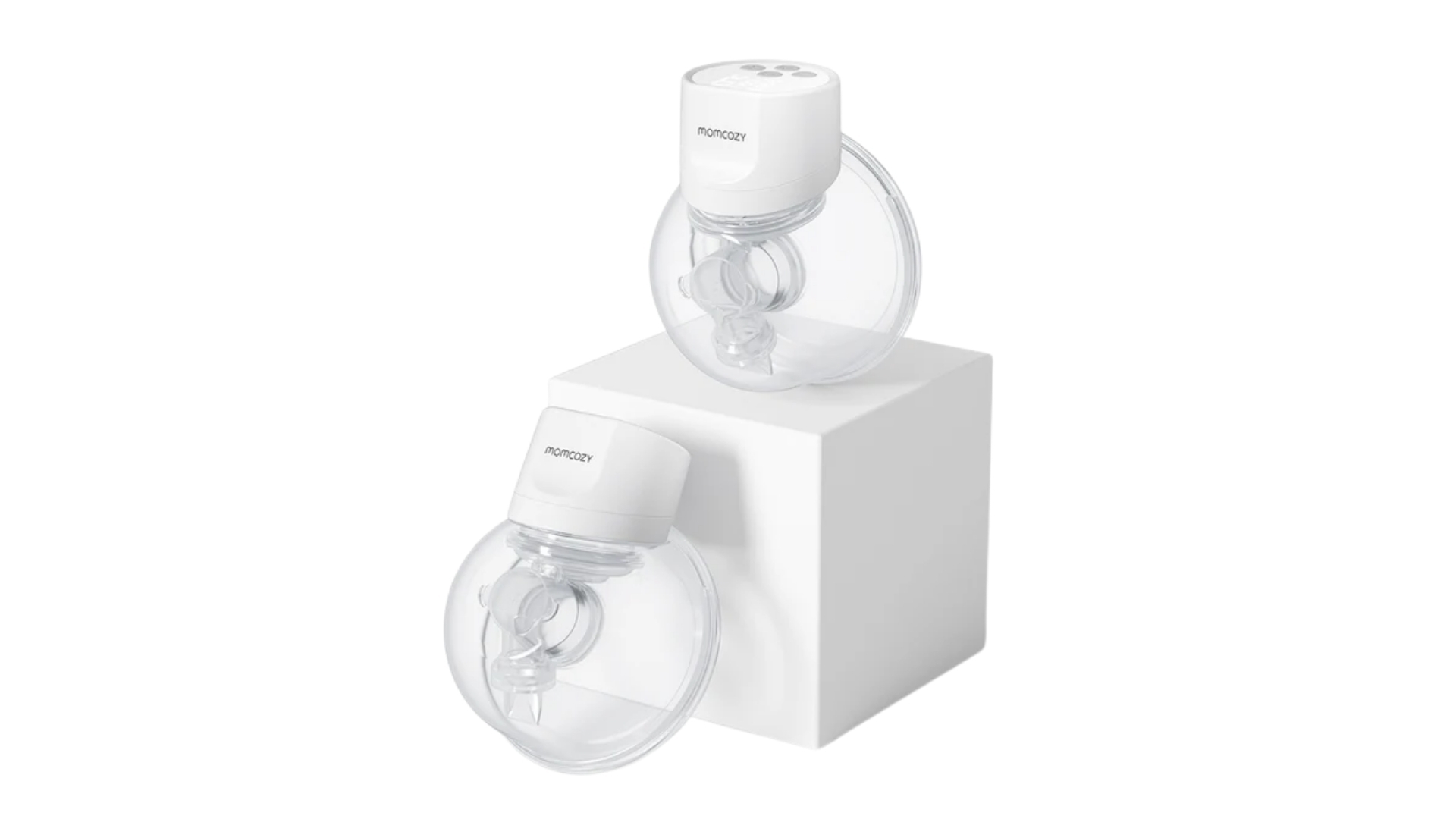
This is a practical option if you want wearable convenience without investing in higher-priced premium models.
Functional features that balance cost and usability:
- High Suction Range Up to 300 mmHg: Offers strong vacuum levels comparable to larger pumps, supporting effective milk expression despite its compact wearable design.
- Double-Sealed Flange System: Improves fit and reduces leakage risk by creating a tighter seal against the breast during movement or longer sessions.
- Extended Battery Performance: Provides up to 7–8 sessions per charge, reducing the need for frequent recharging during busy days.
Best For: Moms looking for a more affordable wearable pump for occasional use or supplementary pumping sessions.
Pricing: Typically ranges between $130 to $160, rarely fully covered by insurance but sometimes eligible for reimbursement.
Is The Installation Complicated? Requires careful alignment of multiple components, but once assembled correctly, daily use becomes simple and repeatable.
-
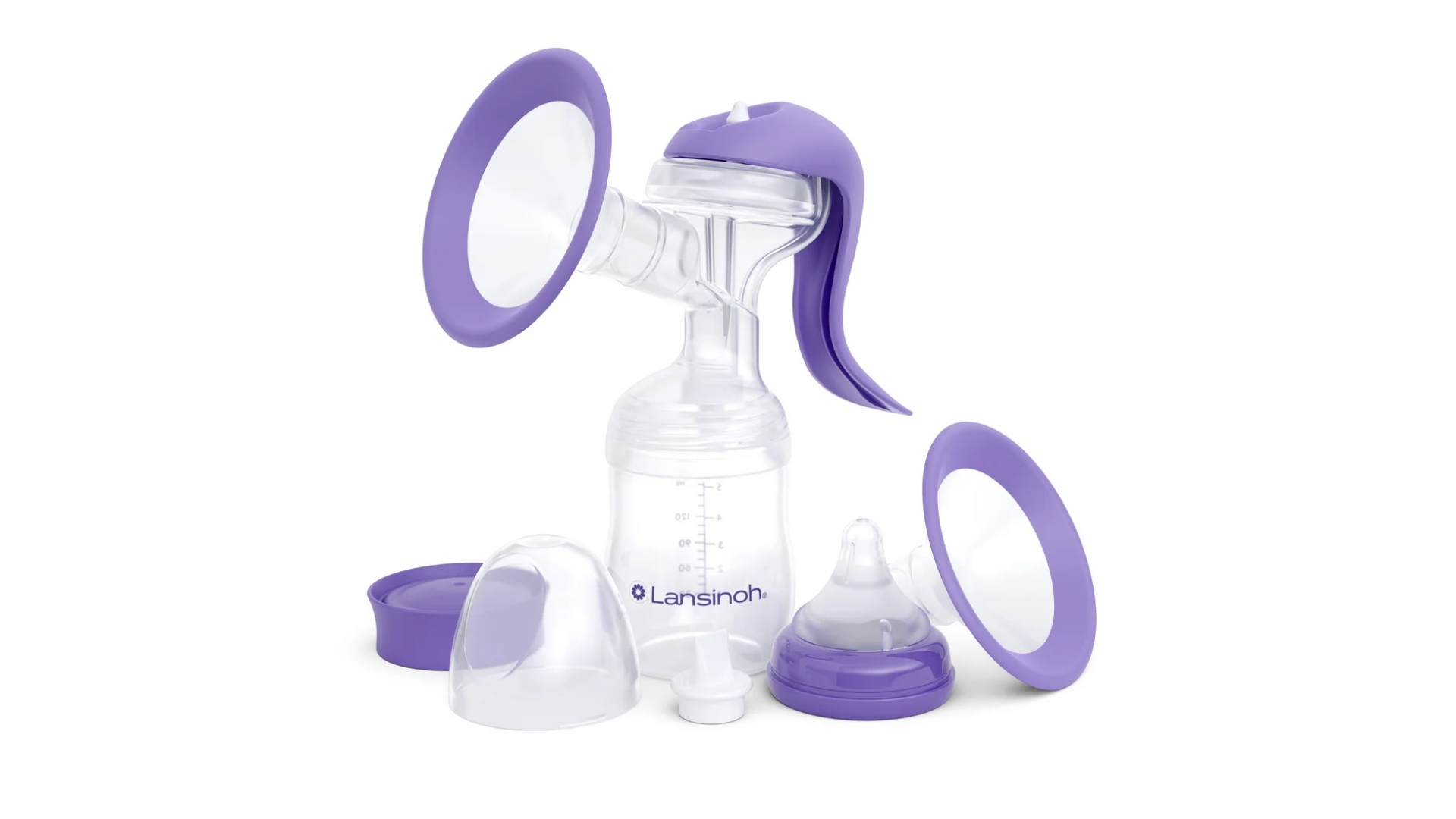
Lansinoh Manual Breast Pump
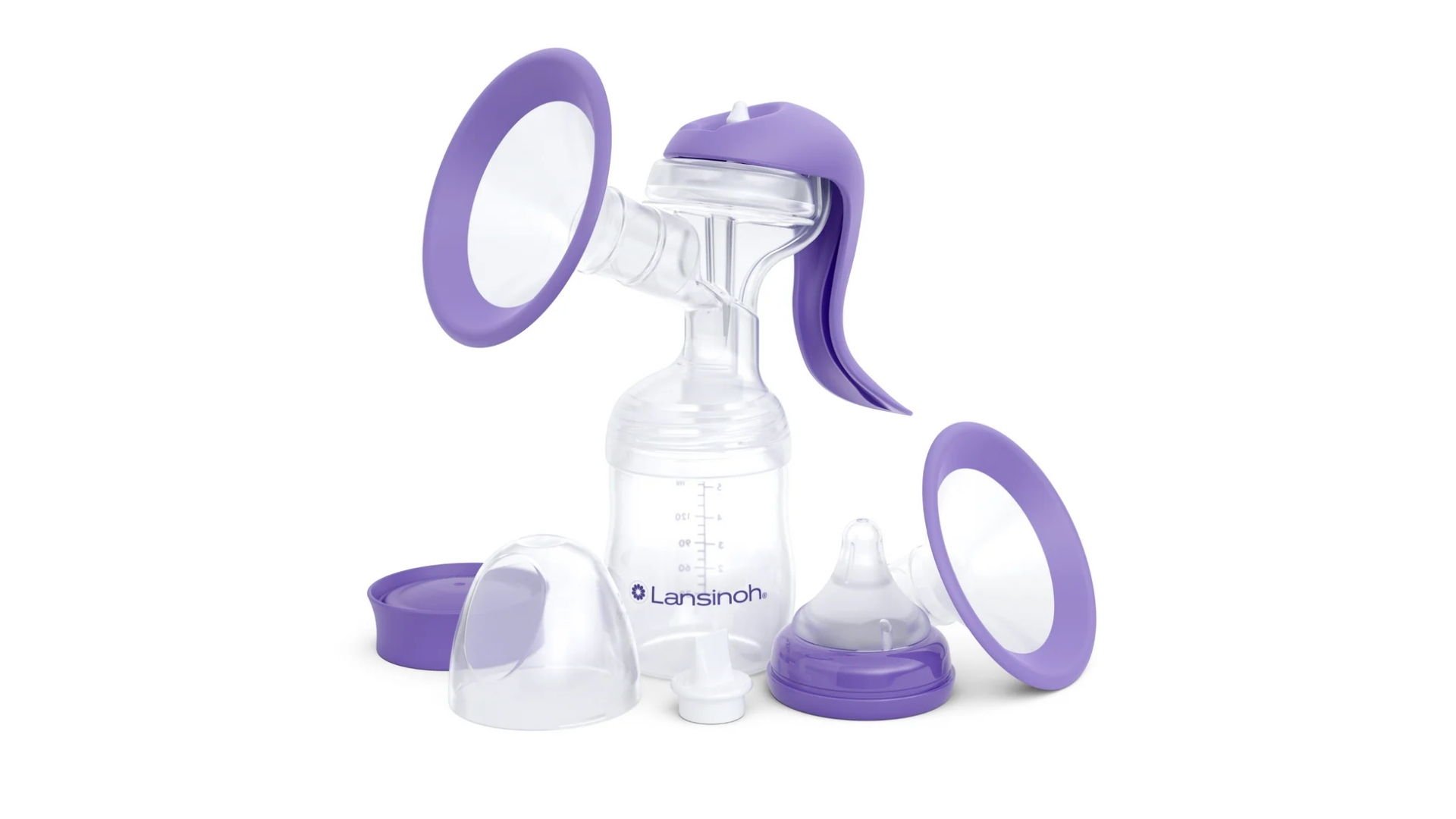
A manual pump works well when you do not need to pump frequently but still want a reliable option for short sessions or backup use.
Simple yet effective features that support occasional pumping:
- Two-Mode Expression System: Allows switching between stimulation and expression manually, helping initiate let-down before maintaining steady milk flow.
- ComfortFit Flange Options: Includes multiple flange sizes to improve comfort and reduce nipple strain during hand-powered pumping sessions.
- Compact, No-Power Design: Requires no electricity or battery, making it easy to carry in a bag for travel or emergency use.
Best For: Moms who pump occasionally, need a backup option, or want a lightweight solution for short separations from their baby.
Pricing: Typically ranges between $25 to $35, often not covered by insurance but affordable out-of-pocket.
Is The Installation Complicated? Minimal assembly with very few parts, making it easy to set up and clean without any technical learning curve.
Choosing the right pump at the start can make your feeding routine feel much smoother. The goal is not perfection, but finding a pump that fits your body, your schedule, and your comfort.
If you are building your feeding routine step by step, having the right support tools can make those early days feel much more manageable. Explore Top Breastfeeding Essentials for New Moms: What to Buy and Why
Types of Breast Pumps Explained
Breast pumps are grouped based on how they generate suction, how often they are meant to be used, and how effectively they remove milk. For first-time moms, knowing these categories helps you match a pump to your routine, your body, and how much you will rely on pumping.
Understanding the main pump categories will help you make a confident, practical choice:
- Double Electric Pumps For Daily Use: Designed for frequent pumping with simultaneous milk removal from both breasts, helping your body respond better and reducing session time compared to single-sided pumping.
- Hospital-Strength Electric Pumps For High Dependency: Built with stronger motors and consistent vacuum cycles, suitable when the pump replaces feeding, especially in early postpartum or medically complex feeding situations.
- Wearable And Battery-Powered Pumps For Mobility: Compact, cordless systems that sit inside your bra, allowing movement during sessions, though suction consistency may vary compared to plug-in electric pumps.
- Manual Pumps For Short, Controlled Sessions: Hand-operated devices that rely on manual compression, useful for occasional pumping, relieving engorgement, or when you need precise control over suction intensity.
- Closed System Vs Open System Design: Closed systems include a backflow barrier to prevent milk from entering tubing, improving hygiene, while open systems require more careful cleaning to avoid moisture buildup.
Choosing the right type is less about what is popular and more about what fits your daily rhythm. Once you match the type to your needs, everything else becomes much easier.
As you settle into postpartum life, a few thoughtful additions can make a real difference in your comfort and recovery. Discover Best Postpartum Gifts for Mom to Ease the Journey Into Motherhood
How Your Lifestyle Changes Which Pump You Need

Your daily routine plays a direct role in how effective your breast pump will be. The number of hours you are away from your baby, how often you pump, and where you pump all influence suction needs, portability, and durability requirements.
Your lifestyle patterns shape which pump features actually matter in day-to-day use:
- Primary Feeding Routine and Separation Time: If you are away from your baby for extended hours, consistent and efficient milk removal becomes critical to maintain supply and avoid skipped stimulation cycles.
- Work Environment and Pumping Conditions: Office settings require quiet operation and predictable session timing, especially when pumping during scheduled breaks without access to private or fully equipped lactation spaces.
- Mobility and Physical Activity Level: Moving frequently during the day requires a pump that maintains seal integrity during position changes, preventing suction loss when walking, bending, or multitasking.
- Access to Power and Charging Frequency: If you pump outside the home, battery capacity and recharge cycles matter, especially when sessions are spaced closely and charging opportunities are limited.
- Time Available For Cleaning And Setup: A busy routine limits how much time you can spend assembling and sanitizing parts, which affects how consistently you can maintain proper hygiene between sessions.
Your pump should fit into your day without adding stress. When your routine and your pump work together, pumping starts to feel manageable rather than overwhelming.
If your baby’s feeding patterns feel unpredictable or overwhelming, understanding what is happening can bring a lot of reassurance. Learn more in A New Parent’s Guide To Cluster Feeding
How to Choose the Right Pump Without Second-Guessing Yourself
Choosing a breast pump becomes much easier when you focus on how your body produces milk and how your day is structured, instead of relying on marketing claims. A clear, step-by-step approach helps you pick a pump that supports milk flow, comfort, and long-term consistency.
A practical decision framework helps you move forward with clarity and confidence:
- Define Pump Dependency Level First: Identify whether pumping replaces feeding or supplements it, since milk removal frequency directly impacts prolactin response and long-term supply stability.
- Align Pump With Lactation Stage Needs: Early postpartum requires immediate stimulation patterns to trigger milk production, while later stages benefit from consistent vacuum strength to maintain daily output levels.
- Evaluate True Suction Performance Metrics: Look at adjustable vacuum range between 200–300 mmHg and cycle control options, which influence how effectively the pump initiates let-down and sustains milk flow.
- Confirm Flange Fit And Breast Shield Options: Correct flange diameter ensures proper nipple movement within the tunnel, preventing friction, improving milk transfer, and reducing risk of tissue damage during repeated sessions.
- Verify Insurance Coverage and Upgrade Costs: Many insurance plans cover standard electric pumps, while advanced wearable models may require additional payment, so checking eligibility early prevents unexpected expenses.
Once your choice is grounded in how your body and routine actually work, you can feel confident moving forward without overthinking every option.
If you are planning ahead for delivery and wondering what support you will receive at the hospital, it helps to know what is included. Find out in Does the Hospital Give You a Breast Pump? What to Expect After Delivery
Common Mistakes First-Time Moms Make When Choosing a Pump
It is completely normal to feel unsure when choosing your first breast pump. Many moms rely on quick recommendations or trends, which can lead to choices that do not match their body or routine. Small mismatches in pump selection can affect comfort, milk removal, and long-term consistency.
The table below highlights common mistakes, why they happen, and what they can lead to:
| Mistake | Why It Happens | What It Leads To |
| Hospital-Grade Label Confusion | Marketing terms are mistaken for regulated performance standards without checking suction metrics or motor consistency. | You may choose a pump that lacks stable vacuum cycles, affecting milk removal consistency across repeated sessions. |
| Wearable As Primary Pump Early | Convenience is prioritized before milk supply is fully established in early postpartum weeks. | Incomplete breast emptying reduces stimulation signals, which can gradually lower milk production over time. |
| Mismatch With Pumping Frequency | The pump is chosen for occasional use despite needing multiple daily sessions for milk expression. | Longer sessions, reduced efficiency, and increased fatigue during repeated pumping cycles throughout the day. |
| Incorrect Flange Size Usage | Default flange sizes are used without measuring nipple diameter or checking alignment during suction. | Poor seal formation leads to discomfort, friction, and lower milk transfer efficiency during each session. |
| No Long-Term Planning | Focus stays only on early postpartum needs without considering return-to-work or routine changes later. | You may need to switch pumps mid-journey, disrupting consistency and increasing overall cost. |
You are not expected to get everything perfect the first time. Avoiding these common mistakes can make your pumping experience smoother and much more comfortable from the start.
Breast Pump Parts You Actually Need to Understand
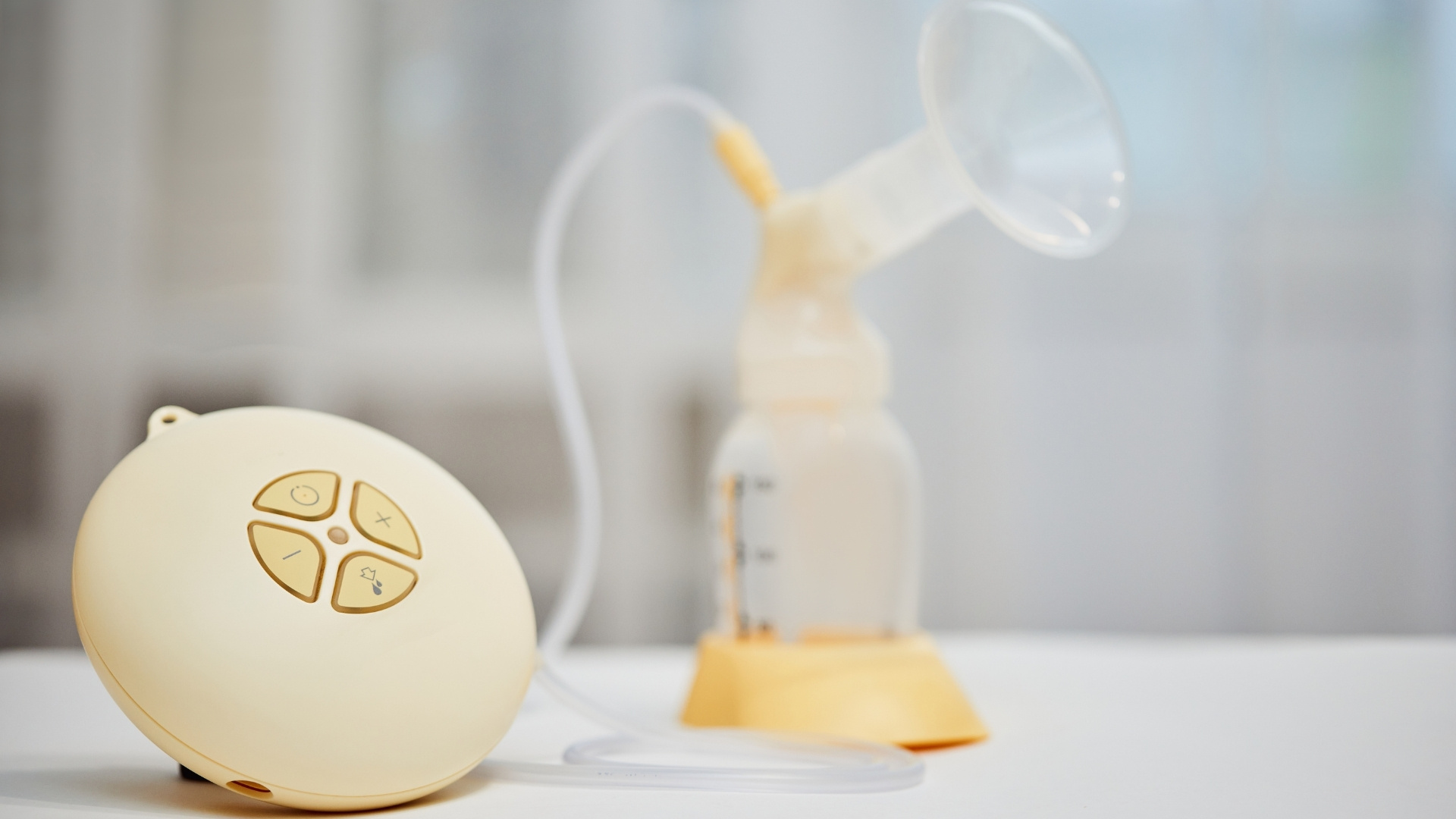
Understanding your breast pump parts helps you get better output, stay comfortable, and avoid small issues that can affect milk flow. Each component plays a specific role in creating suction, maintaining hygiene, and ensuring consistent performance across daily pumping sessions.
Knowing how each part functions makes it easier to troubleshoot and use your pump effectively:
- Flange (Breast Shield) Fit and Seal: The flange creates a vacuum around your nipple, and correct sizing ensures proper nipple movement within the tunnel without friction or compression during suction cycles.
- Motor And Suction Control System: The motor controls suction strength and rhythm, which directly affect how comfortably and efficiently milk is expressed.
- Valves and Membranes for Suction Stability: These small silicone components regulate airflow and maintain vacuum pressure, and even slight wear can reduce suction efficiency and overall milk removal performance.
- Tubing and Connectors for Vacuum Transfer: Tubing carries air pressure from the motor to the flange, and maintaining dryness is important to prevent pressure loss and internal contamination risks.
- Milk Collection System (Bottles or Cups): Collection containers store expressed milk during sessions, and their design affects capacity, spill prevention, and how easily milk can be transferred or stored afterward.
When you understand how each part works together, pumping feels much more predictable. Small adjustments can make a noticeable difference in comfort and output.
Cleaning and Maintaining Your Breast Pump (Simple Routine)
Keeping your breast pump clean is not only about hygiene; it directly affects suction performance and milk safety. A simple, repeatable routine helps prevent residue buildup, protects pump parts from wear, and keeps every session efficient and comfortable.
A clear routine makes daily cleaning manageable, even on busy days:
- Clean Milk-Contact Parts After Every Session: Disassemble flanges, valves, and bottles immediately after pumping, then wash with warm soapy water to remove milk residue before it dries and affects hygiene.
- Air Dry Completely Before Reassembly: Place parts on a clean, dry surface and allow full air drying to prevent moisture buildup, which can affect suction and promote bacterial growth.
- Keep Tubing Dry And Check For Moisture: Tubing should remain completely dry in closed systems, so check for condensation regularly and replace tubing if any moisture or cloudiness appears.
- Sanitize Parts At Least Once Daily: Use boiling water, steam bags, or sterilizers to disinfect pump components, especially during early postpartum when your baby’s immune system is still developing.
- Replace Wearable Parts On A Schedule: Valves and membranes lose elasticity over time, so replacing them every few weeks or months helps maintain consistent suction and prevents sudden drops in performance.
A simple routine goes a long way. Once cleaning becomes part of your rhythm, your pump stays reliable, and your sessions feel much smoother.
Insurance Covered Breast Pumps: What First-Time Moms Should Know
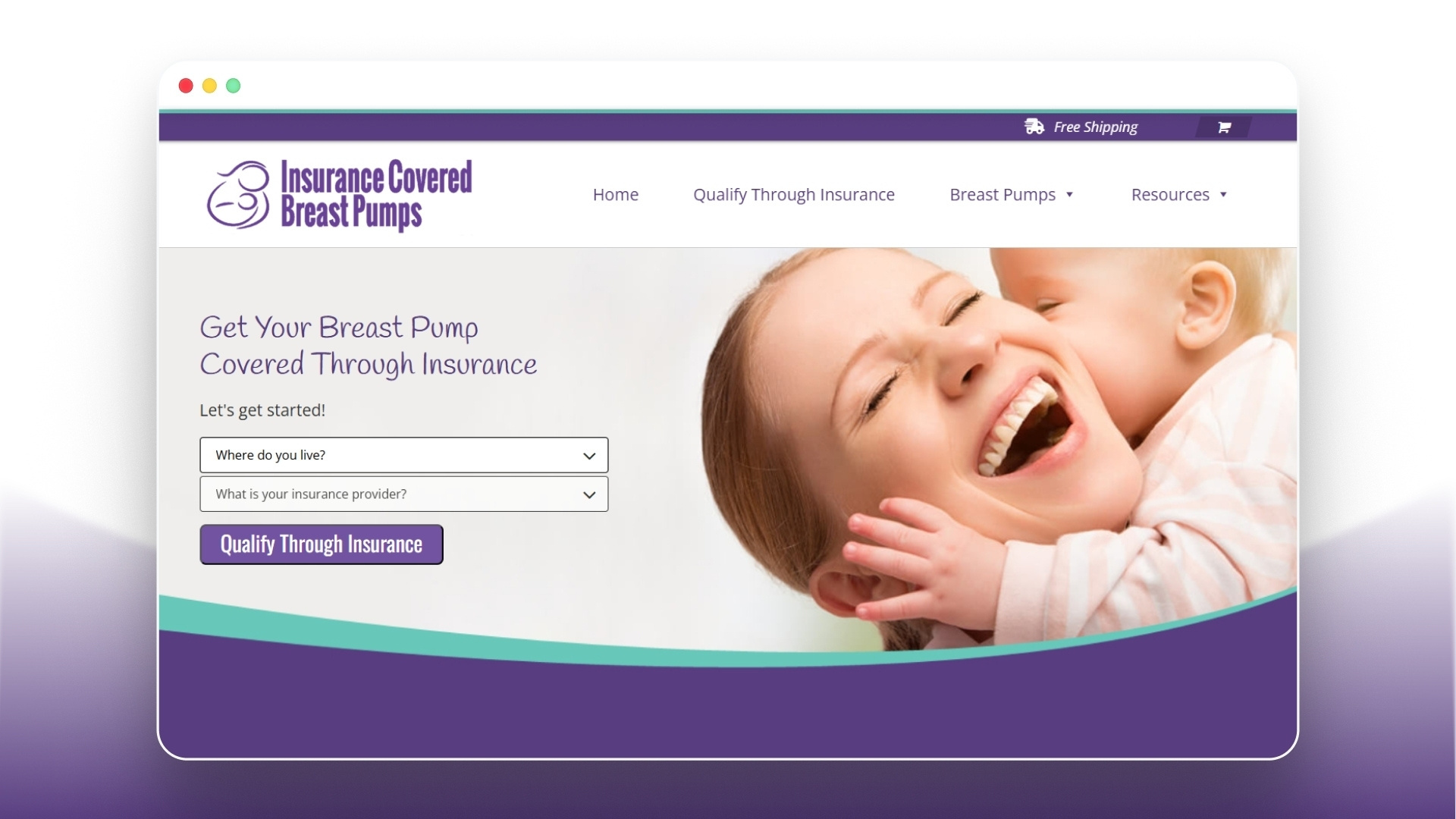
Getting a breast pump through insurance can feel confusing at first, but most U.S. health plans do cover one under the Affordable Care Act. The key is understanding what is fully covered, what requires an upgrade fee, and how to time your order so you are ready before your baby arrives.
Knowing how insurance coverage works helps you avoid delays, unexpected costs, and last-minute stress:
- Most Plans Cover A Standard Electric Pump: Insurance typically includes double-electric pumps with consistent suction performance, which are suitable for regular use during early postpartum and daily pumping routines.
- Premium Features Often Require Upgrade Fees: Wearable pumps, rechargeable batteries, or compact designs may involve out-of-pocket costs because insurance usually covers only the base pump category, not advanced features.
- Medical Supply Providers Handle The Process: Approved suppliers verify your insurance, confirm eligibility, and ship your pump directly, reducing paperwork and helping you select models available under your specific plan.
- Doctor Prescription May Be Required: Some insurance plans need a prescription from your healthcare provider, which is usually a simple approval confirming your need for a breast pump.
- Timing Your Order Matters: Many plans allow ordering in the third trimester, while others approve after delivery, so checking early ensures you receive your pump before you need it.
Once you understand your coverage, the process becomes much simpler. It is one step that can save both time and money while setting you up for a smoother start.
Final Thoughts
You’ve come a long way in figuring out what is the best breast pump for first-time moms, and that clarity matters more than picking a “perfect” product. Every mom’s pumping experience looks different, and the right choice is the one that supports your body, your routine, and your comfort.
Now that you understand how to evaluate your options, you can move forward without second-guessing. If you still feel unsure, speaking with a lactation consultant can help you fine-tune your decision based on your specific needs and eligibility through insurance.
As you take the next step, keep your focus on what will make pumping feel manageable in your daily life. That is what truly defines what works best for you and your baby.
FAQs
- What is the best breast pump for first-time moms if my milk supply is still low?
If your supply is still developing, a pump with consistent suction cycles and adjustable vacuum levels helps stimulate milk production more effectively during early postpartum sessions.
- How does suction strength affect a first-time mom’s breast pump choice?
Suction strength, measured in mmHg, determines how efficiently milk is removed. Higher adjustable ranges allow better control, especially when your body is still adapting to pumping.
- Is the strongest breast pump suction always better for milk output?
Not always. Very high suction without proper comfort settings can reduce the let-down reflex. Controlled, rhythmic suction patterns are more effective than maximum intensity alone.
- What is the best breast pump for first-time moms if I plan to switch between breastfeeding and pumping?
You need a pump with flexible suction modes that mimic natural feeding patterns, helping your body transition smoothly between direct feeding and pumping sessions.
- Can a first-time mom’s breast pump impact long-term milk production?
Yes, consistent and effective milk removal signals your body to maintain supply. An inefficient pump or poor suction pattern can gradually affect overall production levels.