












Struggling With Postpartum Back Pain? Causes and Recovery Time
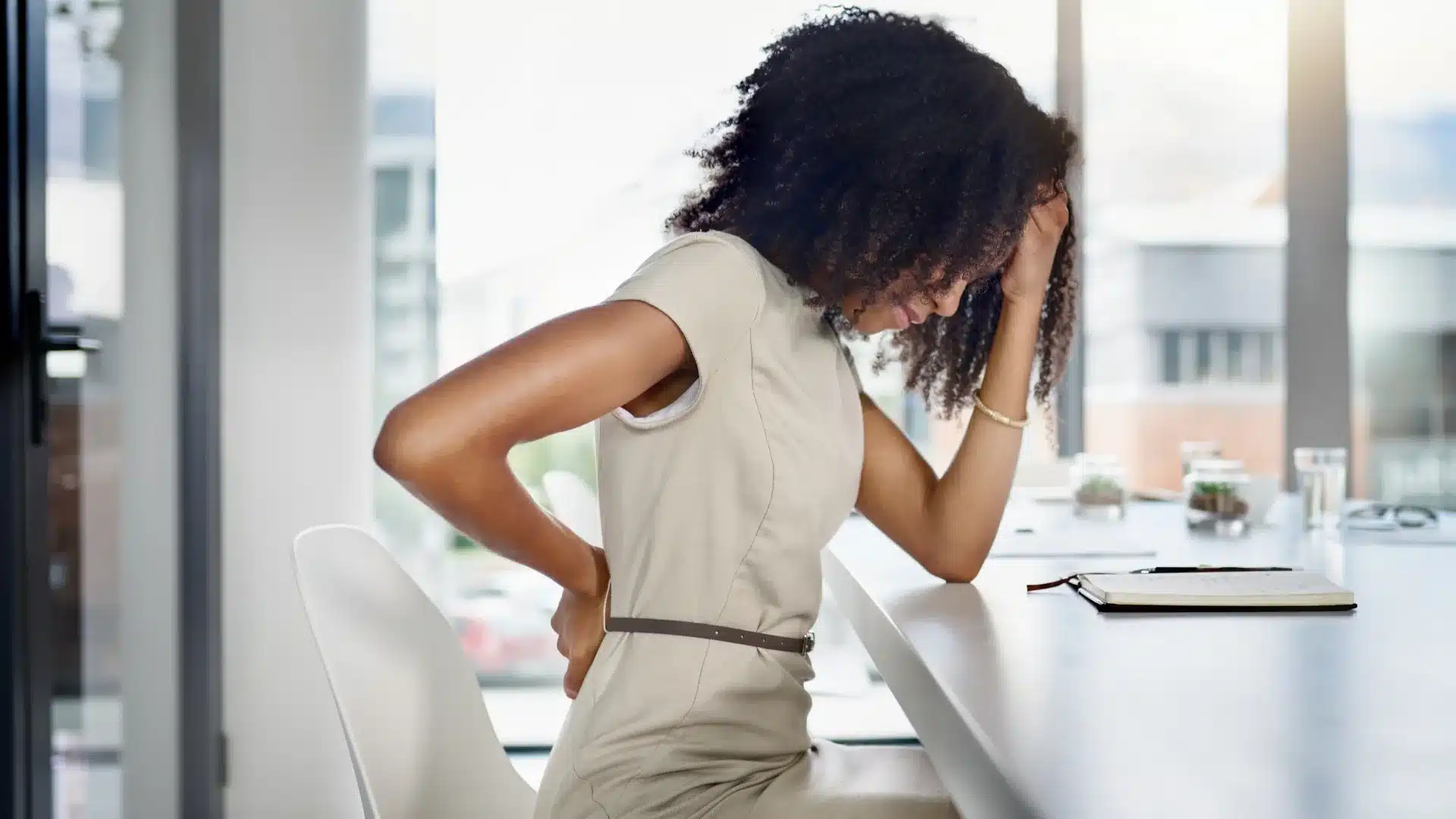
Postpartum back pain can make even simple moments with your baby feel harder than they should, whether it is sitting through a feeding or getting up after finally resting. If your body feels sore or strained, it can be frustrating, especially when you expected to feel better after delivery.
This kind of discomfort often comes from your body healing as it adapts to the physical demands of caring for your baby throughout the day.
In this guide, you will learn what is really behind postpartum back pain and the small, practical changes that can help you feel more comfortable, supported, and a little more like yourself again.
Key Takeaways
- Postpartum Back Pain Is Driven By Recovery And Daily Strain: It develops as your body heals while adapting to repeated movements like feeding, lifting, and holding your baby throughout the day.
- Small Daily Habits Have The Biggest Impact On Pain Levels: How you sit, lift, and position your body during routine tasks directly affects how much strain your back experiences over time.
- Recovery Timelines Vary Based On Body Strength And Routines: Most moms improve within months, but ongoing strain or weak core support can extend discomfort beyond the typical recovery window.
- Targeted Movement Helps Restore Support And Reduce Pain: Gentle exercises that activate your core and improve spinal control can reduce pressure on your back and support long-term recovery.
- Posture During Feeding And Pumping Plays A Major Role: Long sessions in unsupported or repeated positions can create ongoing strain, making positioning adjustments critical for daily comfort.
What Is Postpartum Back Pain?
Postpartum back pain is discomfort that starts or continues after childbirth, affecting how you sit, lift, or care for your baby. It can last weeks or months, often linked to physical recovery and daily strain. Many moms notice it during feeding, lifting, or long periods of holding their baby.
To help you recognize what this pain can look and feel like in daily life, here are the defining patterns most moms experience:
- Pain Location Varies: Most pain centers in the lower back, but some moms feel it between the shoulders or at the tailbone, especially during sitting or feeding sessions.
- Activity-Linked Discomfort: Pain often increases when lifting your baby, bending over a crib, or carrying a car seat, due to repeated strain on healing muscles.
- Different Pain Sensations: Some moms feel a constant dull ache, while others notice sharp or stabbing pain during movement, especially when changing positions or standing up.
- Recovery Timeline Differs: Many cases improve within a few months, but pain can last longer if your body is still regaining strength and stability after delivery.
- Multiple Pain Types Exist: This can include lower back pain, pelvic girdle pain (pain around your hips and lower spine), or tailbone pain that makes sitting uncomfortable.
Postpartum back pain can feel frustrating, especially when you are already adjusting to life with a newborn, but knowing what is normal can help you take the right next steps.
Why Does Postpartum Back Pain Happen?
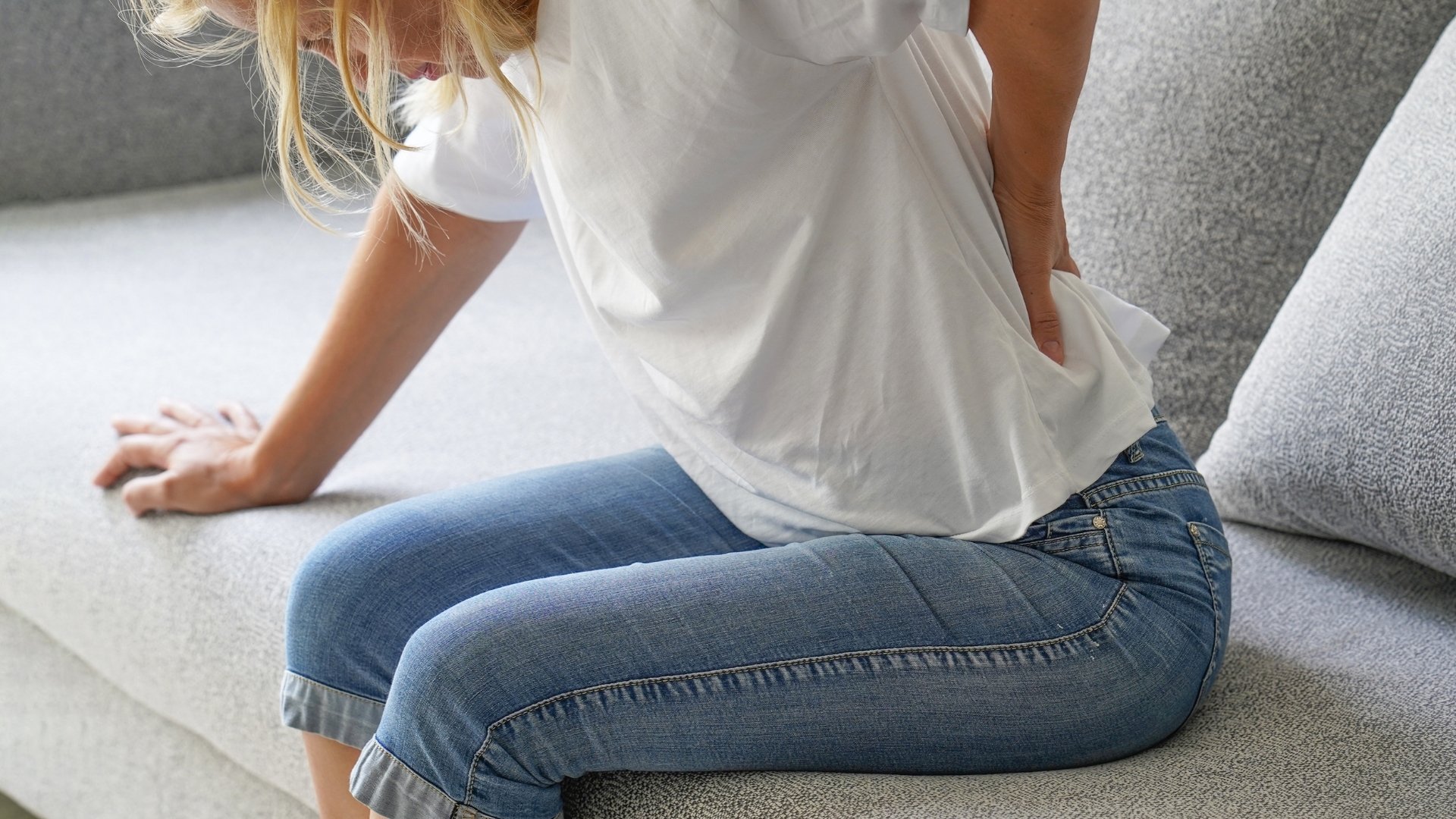
Postpartum back pain develops from overlapping changes that affect your joints, muscles, and daily movement patterns after delivery. Your body is still stabilizing after pregnancy, while new physical tasks like feeding and lifting add repeated strain. This combination creates ongoing stress on your spine during recovery.
The main physiological and lifestyle drivers behind postpartum back pain include:
- Joint Instability After Hormone Shifts: Pregnancy hormones like relaxin (which loosens joints for birth) remain active briefly after delivery, leaving your spine and hips less supported and easier to strain.
- Reduced Core Support From Abdominal Separation: Diastasis recti, a gap between abdominal muscles, reduces spinal support, forcing back muscles to compensate during movements like sitting, standing, or lifting.
- Pelvic Imbalance Affecting Spinal Alignment: The pelvis, which supports your spine, can remain misaligned after delivery, creating uneven weight distribution that increases pressure on the lower back during daily activities.
- Microstrain From Repetitive Baby Care Movements: Frequent actions like leaning into cribs or lifting from low positions create repeated small stresses on spinal joints, which build into persistent pain over time.
- Delayed Muscle Recovery Due to Limited Rest: Ongoing fatigue and interrupted sleep slow muscle repair, making it harder for your back muscles to recover from daily strain and maintain proper support.
Your body is still healing while handling new physical demands, which is why this type of back pain can feel persistent even after pregnancy has ended.
How to Relieve Postpartum Back Pain (Daily Life Fixes That Actually Work)
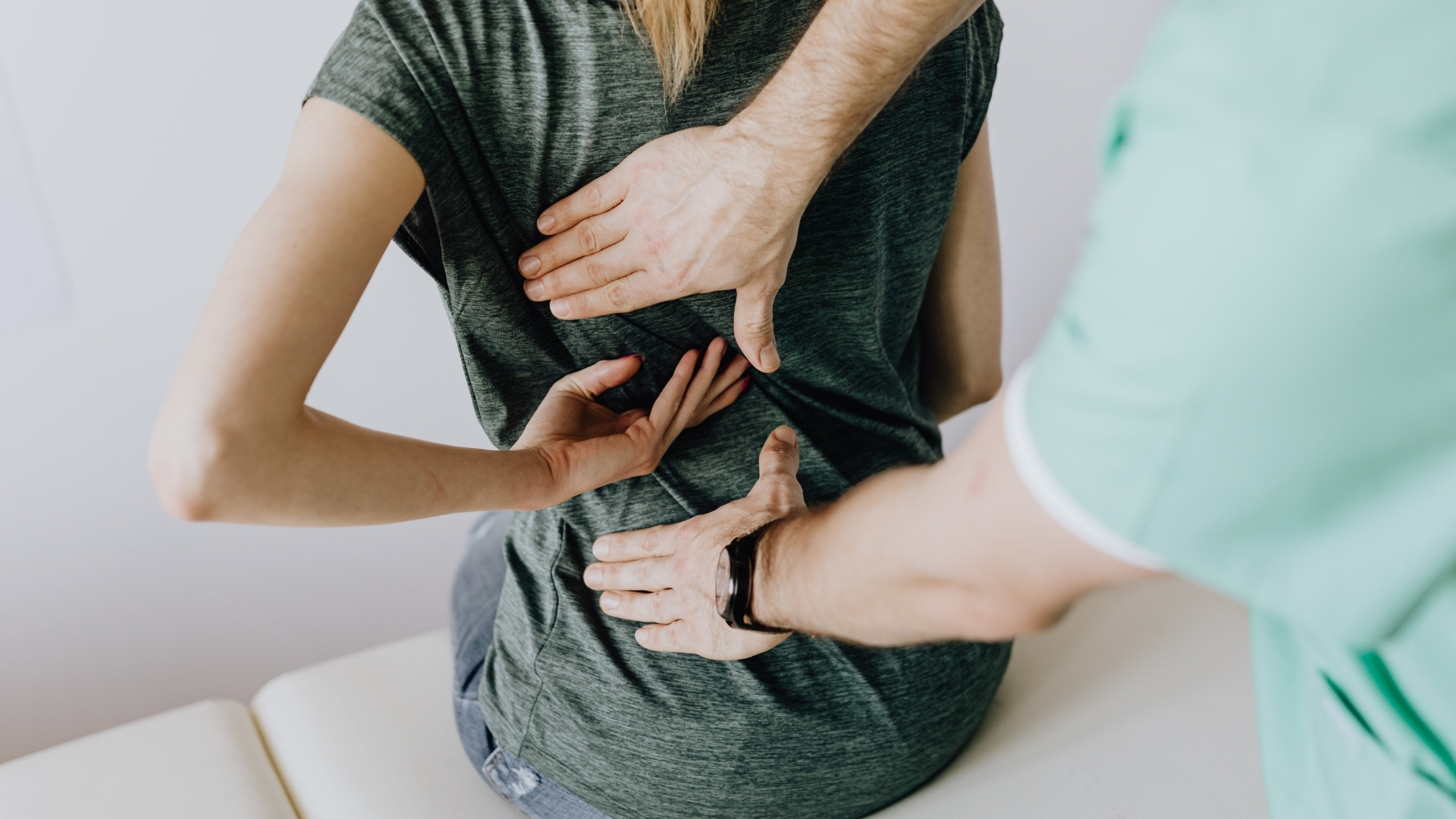
Postpartum back pain improves faster when daily movements support healing instead of stressing your spine. Small, consistent adjustments in how you sit, lift, feed, and rest can reduce strain on recovering muscles and joints, helping your body regain stability without overexertion.
-
Adjust How You Lift and Move
Safe lifting and movement patterns reduce pressure on healing joints and prevent repeated strain during everyday tasks like picking up your baby or household items.
Key lifting and movement adjustments that protect your back include:
- Bend your knees and keep your chest upright so your legs, not your back, handle the lifting load.
- Hold your baby close to your chest to reduce strain on your lower back and improve balance.
- Gently tighten your abdomen before lifting to stabilize your spine and reduce pressure on your back.
-
Improve Feeding and Pumping Position
Feeding positions often create repeated strain, especially when sessions are long. Small posture corrections can prevent upper and mid-back tension from building throughout the day.
Positioning techniques that reduce strain during feeding or pumping include:
- Use pillows or adjust height to avoid leaning forward during feeding or pumping sessions.
- Rest your arms on pillows or armrests to reduce shoulder and upper back tension.
- Sit upright with back support to prevent rounding your shoulders and straining your spine.
-
Set Up a Back-Friendly Baby Care Space
Your environment plays a major role in how much strain your back experiences throughout the day, especially during repetitive tasks like diaper changes and bathing.
Simple setup changes that reduce daily strain include:
- Use a higher surface to avoid repeated bending during diaper changes.
- Bathe your baby at counter height to prevent prolonged forward bending.
- Arrange items nearby to avoid twisting or overreaching during care tasks.
-
Add Gentle Movement to Your Routine
Controlled, low-impact movement helps restore muscle function and prevents stiffness without overloading your recovering body.
Movement habits that support recovery without causing strain include:
- Walk daily to improve circulation and gently activate support muscles.
- Shift positions often to prevent stiffness and pressure buildup.
- Start gentle exercises after clearance to rebuild strength safely.
-
Use Targeted Relief Methods at Home
Pain relief strategies can ease muscle tension and help your body recover between daily activities.
Supportive self-care methods that provide relief include:
- Use warmth to relax muscles and reduce stiffness after activity.
- Apply cold to reduce inflammation after sudden or sharp discomfort.
- Use pillows to keep your spine aligned and reduce overnight strain.
Small changes in how you move and care for your baby can make a noticeable difference in how your back feels each day. Consistency matters more than intensity during recovery.
How Long Does Postpartum Back Pain Last?
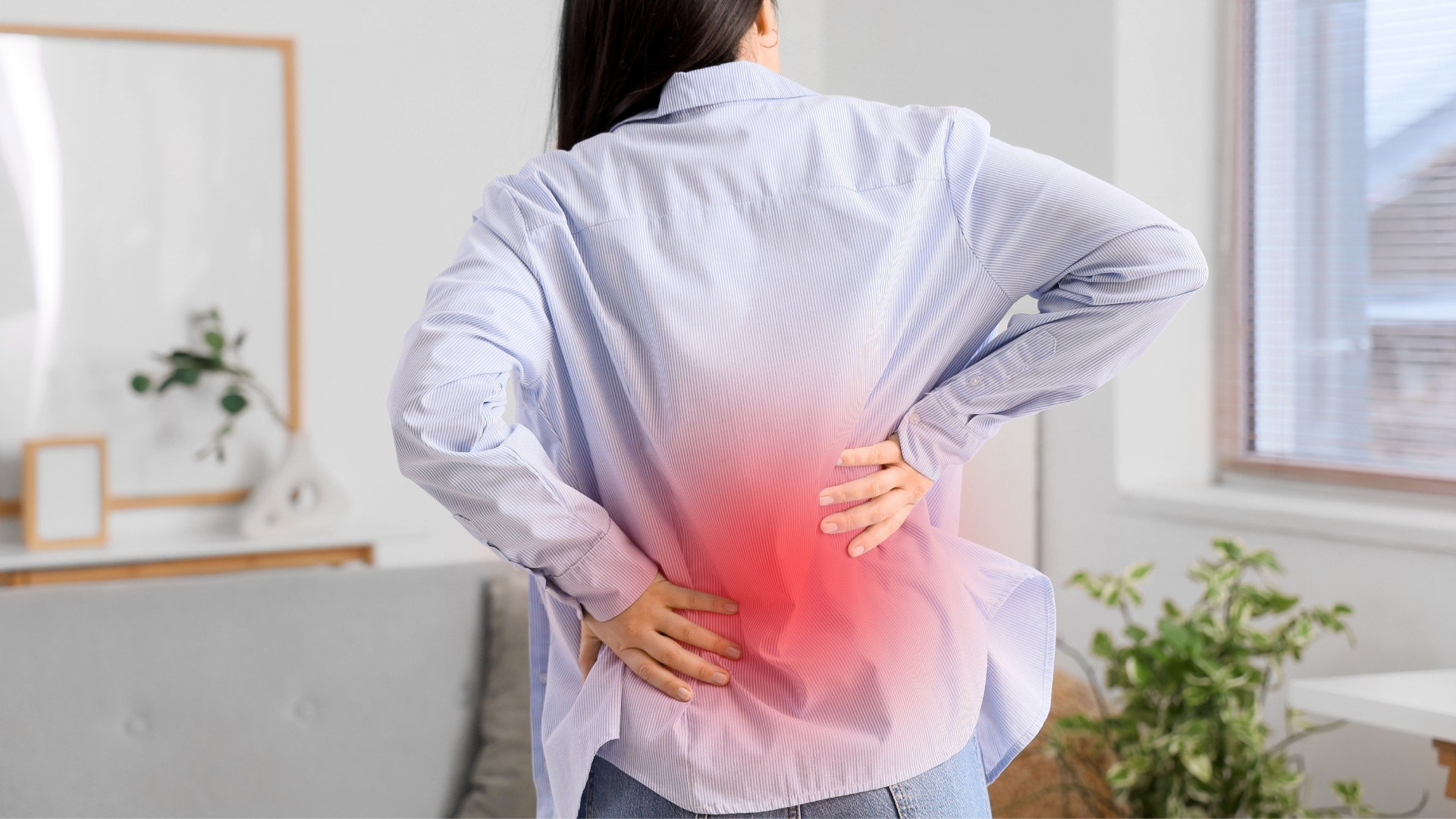
Postpartum back pain usually improves as your body regains strength and stability, but the timeline can vary widely. Many moms feel relief within a few months, while others notice lingering discomfort depending on recovery, activity levels, and prior back health.
Recovery timelines depend on how your body heals and adapts after delivery:
- Early Recovery Phase (0–8 Weeks): During this period, joints and supporting tissues are still stabilizing after pregnancy, which can make your back feel weak or easily strained during daily movements.
- Common Recovery Window (3–6 Months): Many moms notice gradual improvement as core strength returns and daily movements become easier, especially with consistent posture support and gentle activity.
- Tailbone-Specific Recovery Timeline: Tailbone pain, often caused by pressure during delivery, typically improves within weeks to a few months as the area heals and inflammation reduces.
- Extended Recovery In Some Cases: Pain can continue beyond six months if the spine is still under strain from unresolved muscle weakness or ongoing physical demands.
- Long-Term Persistence Risk Factors: Pain is more likely to last longer if you had back pain before pregnancy, higher body weight, or physically demanding routines during recovery.
If your pain feels like it is not improving or starts affecting your daily routine, it is always okay to check in with your healthcare provider for guidance.
Taking care of your body also means nourishing it well, which is why many moms find it helpful to focus on foods that support recovery in Best Postpartum Meals for Healing, Energy, and Breastfeeding Recovery
Best Exercises for Postpartum Back Pain
The most effective exercises after childbirth focus on rebuilding deep core support, improving spinal control, and reducing muscle tightness without overloading healing tissues. Starting with controlled, low-impact movements helps your body regain strength safely while protecting joints that are still stabilizing.
The following exercises are commonly recommended because they directly support spinal recovery and reduce strain during daily movements:
- Pelvic Tilts For Core Reactivation: Gently engage deep abdominal muscles to support your spine and improve stability without straining healing tissues.
- Diaphragmatic Breathing For Core Connection: Use slow belly breathing to coordinate core muscles and reduce tension affecting your lower back.
- Cat-Cow For Spinal Mobility: Move your spine through gentle flex and extend motions to reduce stiffness from prolonged sitting or feeding.
- Glute Bridges For Pelvic Support: Strengthen hip muscles to improve pelvic alignment and reduce pressure on your lower back during movement.
- Kegels For Pelvic Floor Strength: Activate pelvic floor muscles to improve core support and reduce strain on your lower back.
Start slowly and only begin exercises after your provider clears you, especially if you had a C-section or complications during delivery.
If your pain feels overwhelming or is affecting how you respond emotionally during recovery, it can help to understand what you might be experiencing in Postpartum Rage What It Is, Why It Happens, and How to Cope
How to Prevent Postpartum Back Pain From Getting Worse
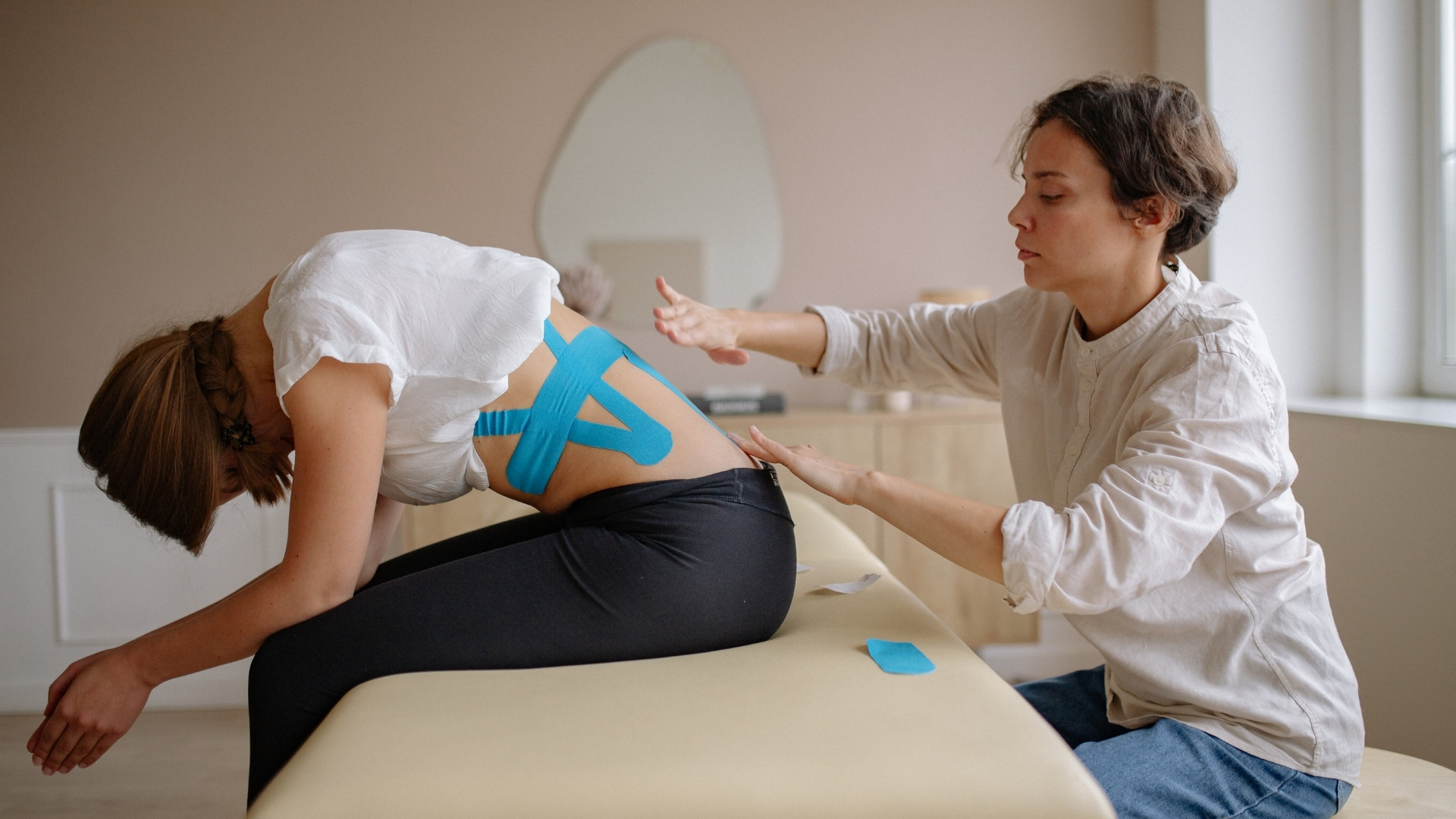
Preventing postpartum back pain from worsening depends on protecting your spine during everyday tasks while your body is still stabilizing. Small, consistent habits can reduce repeated strain, support healing tissues, and stop minor discomfort from developing into long-term pain.
Preventive strategies that reduce cumulative strain on your back during recovery include:
- Limit Uneven Weight Distribution: Avoid carrying your baby on one side to prevent muscle imbalance and uneven spinal pressure that can lead to ongoing lower back strain.
- Control Movement Transitions Carefully: Move slowly when standing, sitting, or turning with your baby to avoid sudden strain on joints that are still regaining stability.
- Avoid Prolonged Unsupported Sitting: Sit with proper back support during feeding to reduce pressure on spinal discs and prevent worsening discomfort over time.
- Reduce Repetitive Forward Bending Cycles: Minimize frequent bending by adjusting your setup to protect your spine from repeated strain during daily tasks.
- Monitor Early Warning Signs Closely: Pay attention to recurring stiffness or soreness and adjust activities early to prevent pain from becoming persistent or more intense.
Protecting your back during this phase is not about doing less, but about doing everyday tasks in ways that support healing and reduce strain.
Since physical recovery after birth can show up in different ways, it’s important to also understand what is expected and what is not in Postpartum Bleeding: What’s Normal and When to Seek Help
Real-Life Triggers Most Moms Don’t Notice
Postpartum back pain is often worsened by small, repeated habits that feel harmless in the moment. These everyday patterns place continuous strain on healing muscles and joints, especially during feeding, lifting, and rest, making discomfort last longer than expected.
Subtle daily triggers that quietly increase back strain during postpartum recovery include:
- Forward Head Posture During Phone Use: Looking down at your phone while feeding shifts weight onto your upper spine, increasing neck and mid-back tension over time.
- Holding Your Baby During Burping Without Support: Without arm support, your upper back muscles stay engaged, leading to fatigue and soreness after repeated burping sessions.
- Twisting While Seated During Care Tasks: Reaching sideways while seated places rotational stress on spinal joints that are still stabilizing after childbirth.
- Standing With Locked Knees While Soothing: Keeping your knees straight reduces shock absorption, sending more pressure directly into your lower back during prolonged standing.
- Sleeping In A Curled Or Unsupported Position: Poor sleep posture keeps muscles shortened, preventing recovery and causing stiffness and discomfort when you wake up.
Noticing these small patterns can help you make simple adjustments that protect your back without adding extra effort to your day.
Making your recovery easier often comes down to having the right support around you, which is why thoughtful items can make a difference in Best Postpartum Gifts for Mom to Ease the Journey Into Motherhood
When Should You See a Doctor?

Postpartum back pain is often part of recovery, but certain symptoms can signal something more serious that needs medical attention. Knowing when pain is outside the normal healing range can help you protect your health and recover safely without delays.
Signs that indicate your back pain needs medical evaluation include:
- Numbness Or Tingling In Lower Body: Loss of sensation in your legs, groin, or buttocks can signal nerve pressure affecting movement and feeling, requiring prompt medical evaluation.
- Changes in Bladder or Bowel Control: Difficulty urinating or loss of control can indicate nerve compression affecting pelvic function and needs immediate medical attention.
- Persistent Pain That Does Not Improve: Pain lasting weeks despite rest may point to joint or muscle issues that require targeted treatment.
- Pain With Fever Or Sudden Onset: Back pain with fever or sudden unexplained onset may indicate infection or inflammation needing urgent care.
- Weakness Or Instability While Walking: Feeling unsteady or weak can signal nerve or muscle dysfunction that requires professional assessment.
If something feels off or different from what you expected, trusting your instincts and speaking to a provider can help you get the right support early.
How Breastfeeding and Pumping Can Affect Your Back
Feeding your baby multiple times a day places repeated load on your spine, especially when posture and setup are not supportive. Breastfeeding and pumping often involve long, static positions that can strain specific muscle groups and joints, leading to ongoing back discomfort if not adjusted early.
Common ways feeding routines directly impact your back include:
- Sustained Spinal Flexion During Latch Focus: Leaning forward keeps your spine rounded, increasing pressure on discs that cushion your spinal bones and contributing to upper and lower back strain.
- Static Muscle Loading From Long Sessions: Sitting in one position keeps back muscles engaged, reducing blood flow and causing stiffness and muscle fatigue over time.
- Shoulder Elevation From Unsupported Arm Positioning: Holding your baby or pump without support keeps your shoulders raised, creating tension that builds in your upper and mid-back.
- Pelvic Tilt From Improper Seating Setup: Poor hip support tilts your pelvis backward, flattening your spine’s natural curve and increasing strain on surrounding muscles.
- Repetitive Positioning Patterns Without Variation: Repeating the same feeding or pumping position stresses specific muscles, preventing recovery and leading to soreness or imbalance.
Small adjustments in how you position yourself during feeding can significantly reduce this strain and make daily sessions more comfortable for your back.
Along with reducing physical strain, supporting milk production through the right nutrition can also play a role in how you feel each day in Breastfeeding Supply Foods for Your Postpartum Days
It’s Not Just Physical: The Emotional Side of Pain
Postpartum back pain can affect how you feel emotionally, not only physically. Ongoing discomfort, combined with sleep disruption and new responsibilities, can increase stress levels and make recovery feel slower. Your mind and body stay closely connected during this phase, influencing how pain is experienced.
Emotional and psychological factors that can influence how your body feels pain include:
- Stress-Driven Muscle Tightening: Emotional stress can cause involuntary muscle contraction, especially in the back and shoulders, increasing stiffness and making existing pain feel more intense throughout the day.
- Lower Pain Tolerance From Sleep Disruption: Interrupted sleep affects how your brain processes pain signals, making discomfort feel sharper and more difficult to manage, even if the physical cause remains the same.
- Mental Fatigue Reduces Body Awareness: Feeling mentally drained can make it harder to notice posture or movement habits, allowing small strain patterns to continue without correction during daily routines.
- Emotional Overload Amplifying Physical Discomfort: Feeling overwhelmed can heighten your nervous system’s sensitivity, which can make normal recovery aches feel more persistent or difficult to cope with.
- Frustration Impacting Recovery Consistency: When pain limits daily activities, it can lead to discouragement, making it harder to stay consistent with small habits that support physical healing.
Taking care of how you feel emotionally is just as important as physical recovery, and both work together to help your body heal more comfortably.
Final Thoughts
You now have a clearer sense of what your body is going through and how to respond to postpartum back pain without second-guessing every movement. Healing is not about pushing through discomfort but about making small, supportive choices that work with your recovery, not against it.
As you settle into feeding and pumping routines, the way you sit, position your body, and support yourself can make a real difference in how your back feels. Small adjustments in your setup can reduce strain and make daily care more comfortable.
If you are planning to pump, checking your insurance eligibility for a breast pump can help you choose a setup that supports both your feeding routine and your comfort during recovery.
Postpartum back pain does not have to define your recovery. With the right awareness and support, you can ease postpartum back pain and feel more comfortable as you care for yourself and your baby.
FAQs
- Is postpartum back pain normal weeks after delivery?
Yes, postpartum back pain can continue for weeks as your body recovers from pregnancy and delivery. Muscles, joints, and posture take time to return to normal, especially if you are lifting, feeding, or carrying your baby frequently during the day.
- Can breastfeeding positions cause postpartum back pain?
Yes, poor feeding posture can strain your lower back and shoulders. Sitting without proper support or leaning forward for long periods can increase discomfort, especially during frequent feeding or pumping sessions.
- Why does postpartum back pain feel worse at night?
Postpartum back pain can feel worse at night due to muscle fatigue built up throughout the day. Repeated lifting, bending, and holding your baby can increase strain, which becomes more noticeable when your body is at rest.
- How long does postpartum back pain usually last?
Postpartum back pain can last a few weeks to several months, depending on muscle recovery, posture, and daily strain. Gradual improvement is common as your body regains strength and stability after delivery.
- When should I be concerned about postpartum back pain?
You should seek medical advice if postpartum back pain is severe, persistent, or includes symptoms like numbness, tingling, or sharp pain, as these may indicate nerve involvement or other underlying issues.