












Postpartum Insomnia: A New Mom’s Guide to Better Rest

The weeks after bringing your baby home are filled with tiny milestones, middle-of-the-night feeds, and learning a completely new rhythm of life. Sleep, however, often becomes one of the biggest challenges during this time.
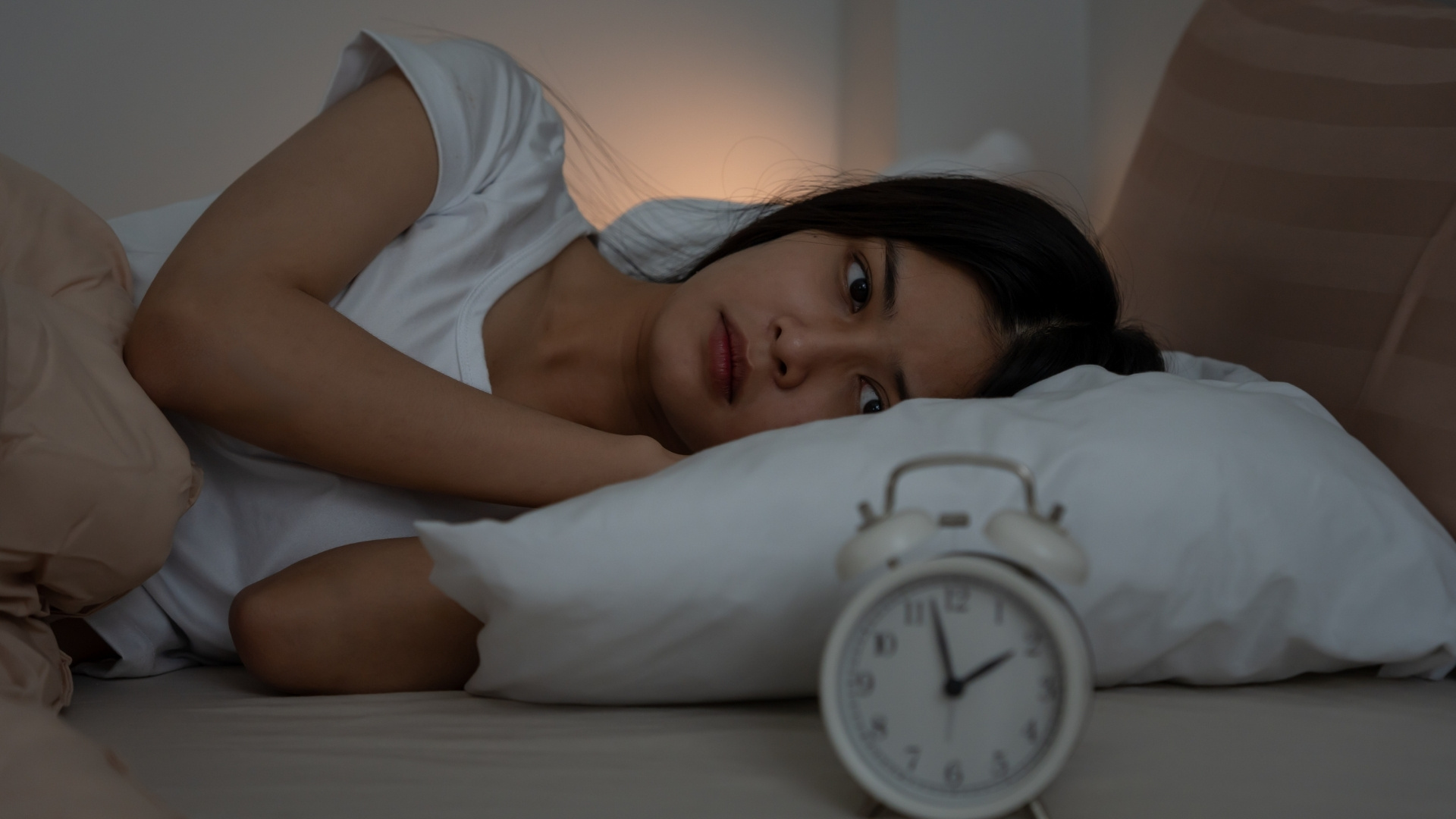
Many mothers expect to wake frequently because their baby needs care. But postpartum insomnia is a little different. It happens when you feel exhausted yet still struggle to fall asleep, stay asleep, or return to sleep, even when your baby is resting.
Sleep disturbances are extremely common after childbirth. Research suggests that more than two-thirds of mothers experience poor sleep quality during the first six months postpartum, and about one in five mothers develop insomnia symptoms during this period.
In this blog, we’ll explain what postpartum insomnia is, why it happens after childbirth, the common symptoms to watch for, treatment options that may help, and practical sleep tips that can support new moms during recovery.
Key Takeaways
- Postpartum insomnia is a sleep condition where new mothers struggle to fall asleep or stay asleep even when they have the chance to rest.
- Hormonal changes, nighttime baby care, emotional adjustment, and physical recovery after childbirth can all contribute to sleep difficulties during the postpartum period.
- Common symptoms include difficulty falling asleep, waking frequently during the night, feeling mentally alert at bedtime, and experiencing daytime fatigue or irritability.
- For many mothers, postpartum insomnia improves gradually as the body heals and the baby begins to develop more predictable sleep patterns.
- If insomnia lasts several weeks or begins to affect mood, energy, or daily functioning, speaking with a healthcare provider can help identify supportive treatment options.
What Is Postpartum Insomnia?
After having a baby, it’s completely normal for sleep to change. Newborns wake frequently, feeding schedules can be unpredictable, and your body is still recovering from pregnancy and childbirth. But sometimes the sleep struggle goes beyond these normal interruptions.
Postpartum insomnia refers to ongoing difficulty falling asleep, staying asleep, or returning to sleep after waking, even when your baby is resting and you have the opportunity to sleep. In other words, you may feel physically exhausted but still find your mind awake and alert when it’s time to rest.
In most cases, postpartum insomnia improves gradually as your body heals and your baby begins to develop more predictable sleep patterns. Understanding the causes can help you take small steps toward better rest.
What Causes Postpartum Insomnia?

Postpartum insomnia usually develops because several physical, emotional, and lifestyle changes happen all at once after childbirth. Your body is adjusting hormonally, your routine has shifted dramatically, and caring for a newborn requires constant attention.
Some of the most common contributors include:
- Hormonal changes: After delivery, levels of pregnancy hormones such as estrogen and progesterone drop quickly. These hormones influence sleep regulation, and their sudden shift can temporarily disrupt normal sleep patterns.
- Nighttime infant care: Frequent nighttime feedings, diaper changes, and soothing your baby naturally interrupt sleep cycles. Even after returning to bed, your body may stay alert in anticipation of the next wake-up.
- Mental and emotional adjustment: Many mothers experience a busy or restless mind at night while adjusting to new responsibilities. Worries about the baby, feeding schedules, or simply the excitement of motherhood can make it harder for the brain to relax.
- Physical recovery from childbirth: Postpartum healing can involve discomfort from stitches, cesarean incisions, breast engorgement, or hormonal night sweats. These physical changes can make comfortable sleep more difficult.
- Stress or mood changes: The postpartum period can bring emotional highs and lows. Anxiety, mood shifts, or postpartum depression may also contribute to sleep difficulties.
Also read: Postpartum Rage What It Is, Why It Happens, and How to Cope
Recognizing what postpartum insomnia looks like is the first step toward finding ways to improve rest and support recovery during this important stage of motherhood.
What Are the Symptoms of Postpartum Insomnia?
Postpartum insomnia can look different for every mother. Some women notice it right away in the first few weeks after childbirth, while others experience it later as their baby’s sleep patterns begin to change. What makes postpartum insomnia different from normal newborn sleep disruption is that the difficulty sleeping continues even when you have the chance to rest.
You might feel physically exhausted but still find your mind active when it’s time to sleep. For many mothers, this can become frustrating because the body clearly needs rest, yet sleep doesn’t come easily.
Some common symptoms of postpartum insomnia include:
- Difficulty falling asleep even when your baby is sleeping
- Waking frequently during the night and struggling to fall back asleep
- Feeling mentally alert, anxious, or restless at bedtime
- Waking earlier than expected and being unable to return to sleep
- Feeling tired, irritable, or unfocused during the day due to poor sleep
- A sense of not feeling refreshed even after getting some sleep
In some cases, insomnia can also affect mood and concentration. When sleep becomes limited over several nights or weeks, it may leave mothers feeling overwhelmed or emotionally drained.
How Long Does Postpartum Insomnia Typically Last?
For many mothers, postpartum insomnia is temporary. Sleep patterns often begin to improve as the body recovers from childbirth and as the baby starts developing more predictable sleep routines.
Mild sleep disturbances may last a few weeks to a few months, especially during the early postpartum period when feeding schedules are frequent. As babies grow and begin sleeping for longer stretches, mothers often find it easier to rest as well.
However, if insomnia continues for several weeks or months, or begins to affect your mood, energy levels, or daily functioning, it can be linked to postpartum anxiety or depression, which are treatable with the right support.
The encouraging news is that with time, healthy sleep habits, and the right guidance, most mothers gradually regain more restful sleep during the postpartum period.
How Is Postpartum Insomnia Diagnosed?
If sleep has been difficult for several weeks after childbirth, a healthcare provider can help determine whether what you’re experiencing is postpartum insomnia or simply the normal sleep disruptions that come with caring for a newborn.
Diagnosis usually begins with a conversation about your sleep patterns and overall postpartum recovery. Your provider may ask questions about:
- How long it takes you to fall asleep
- Whether you wake frequently during the night
- If you have trouble returning to sleep after waking
- How rested you feel during the day
- Whether sleep problems are affecting your mood, focus, or daily functioning
They may also review factors that commonly influence sleep during the postpartum period, such as:
- Your baby’s feeding and sleep schedule
- Hormonal changes after childbirth
- Physical recovery from vaginal birth or cesarean delivery
- Emotional well-being, including anxiety or mood changes
In some cases, your provider may ask you to track your sleep habits for a short period using a sleep diary. This can help identify patterns such as frequent night awakenings or difficulty falling asleep.
Postpartum insomnia is typically diagnosed based on these reported symptoms and patterns rather than through medical tests. However, if other sleep disorders are suspected, additional evaluation may be recommended.
When Should You Seek Medical Advice?
You may want to speak with a healthcare professional if:
- Insomnia lasts longer than a few weeks
- Sleep loss affects your mood or ability to function
- You feel persistent anxiety or sadness
- You struggle to sleep even when your baby is sleeping
Early support can make a significant difference in improving both sleep and overall postpartum recovery.
What Are the Treatment Options for Postpartum Insomnia?

Treatment for postpartum insomnia usually focuses on improving sleep habits, addressing underlying causes, and supporting emotional well-being during recovery.
Depending on your situation, your healthcare provider may recommend one or more of the following approaches.
Behavioral Sleep Strategies
Behavioral approaches are often the first step in managing insomnia. One common method is Cognitive Behavioral Therapy for Insomnia (CBT-I), which helps identify thoughts and habits that interfere with sleep and replace them with healthier routines.
This therapy has been shown to improve sleep quality for many people experiencing insomnia.
Improving Sleep Opportunities
Because newborn care naturally disrupts sleep, creating opportunities for rest can be helpful.
Some strategies include:
- Sharing nighttime responsibilities with a partner or caregiver
- Taking short naps when the baby sleeps
- Creating a calm bedtime routine that signals the body it is time to rest
These changes can help restore a more regular sleep rhythm.
Addressing Physical Discomfort
If postpartum recovery symptoms are interfering with sleep, treating the underlying discomfort may help improve rest. This might involve managing:
- Pain from stitches or cesarean incisions
- Breast engorgement or feeding discomfort
- Night sweats related to hormonal changes
A healthcare provider can recommend safe treatments and diet plans that support healing while improving sleep comfort.
Also read: Best Postpartum Meals for Healing, Energy, and Breastfeeding Recovery
Mental Health Support
If insomnia is connected to postpartum anxiety or depression, counseling or mental health support may be recommended. Treating these underlying conditions can significantly improve sleep quality and overall well-being.
Medication (When Necessary)
In certain situations, a healthcare provider may prescribe short-term sleep medication. These decisions are made carefully, especially for mothers who are breastfeeding, to ensure safety for both parent and baby.
And if sleep continues to feel difficult, reaching out to a healthcare provider can bring reassurance and practical support.
Final Words
The early weeks of motherhood ask a lot from your body and mind. Between healing, caring for your baby, and adjusting to new routines, it’s completely understandable that sleep may feel different for a while.
You’re learning, recovering, and caring for a tiny human all at once. That’s no small thing. Be gentle with yourself, take things one night at a time, and trust that better rest will come as this new chapter unfolds.
FAQs
1. Can postpartum insomnia start weeks or months after childbirth?
Yes, postpartum insomnia does not always begin immediately after delivery. Some mothers may notice sleep difficulties later as routines change, babies go through sleep regressions, or stress levels increase during the adjustment to motherhood.
2. Does breastfeeding affect postpartum sleep patterns?
Breastfeeding can influence sleep schedules because of nighttime feedings, but some studies suggest that breastfeeding mothers may fall back asleep faster after night wakings compared to mothers who bottle-feed.
3. Can daytime naps make postpartum insomnia worse?
Short naps can help restore energy during the postpartum period, but very long or late-day naps may make it harder to fall asleep at night for some people.
4. Does screen use before bedtime affect postpartum sleep?
Yes. Exposure to bright screens from phones, tablets, or televisions can interfere with the body’s natural sleep hormone (melatonin), making it harder to fall asleep after nighttime feeds or before bedtime.
5. Can postpartum insomnia affect bonding with your baby?
Severe sleep deprivation can sometimes affect mood, patience, and emotional energy. Getting support for sleep difficulties can help mothers feel more rested and emotionally present during the early months of parenting.