












The Complete Guide to Healthy Postpartum Snacks for New Moms
The days after bringing your baby home can feel like a blur. Feedings run into each other, sleep comes in short stretches, and somehow hours pass before you realize you haven’t eaten. During this time, having simple, nourishing postpartum snacks within reach can make a real difference.
Your body is recovering from birth, adjusting hormonally, and possibly producing breast milk, all of which require steady fuel. Instead of relying on whatever is quickest or skipping meals altogether, keeping easy, balanced snacks nearby can help support energy, healing, and emotional stability.
This guide shares practical postpartum snack ideas that are easy to prepare, gentle on digestion, and designed to support both recovery and daily stamina during those early weeks.
A Quick Summary
- Postpartum recovery increases your body’s need for steady, nutrient-dense fuel, especially if you’re breastfeeding.
- Snacking every 2–3 hours can help stabilize energy, support healing, and prevent extreme hunger.
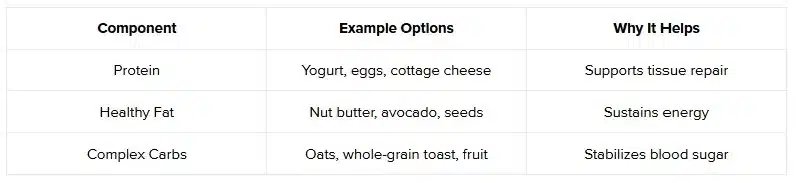
- Balanced postpartum snacks should include protein, healthy fats, and complex carbohydrates for sustained energy.
- Iron, fiber, calcium, and hydration play an important role in recovery and overall well-being.
- Keeping snacks prepped, visible, and accessible makes consistent nourishment more realistic during busy newborn care.
- There’s no perfect postpartum diet; steady, practical nourishment matters more than strict food rules.
Why Nutritious Snacks Are Essential During Postpartum Recovery
After delivery, your body is in recovery mode. Whether you had a vaginal birth or a cesarean section, your system is healing, hormones are shifting, and your energy demands are higher than usual, especially if you’re breastfeeding.
In fact, breastfeeding mothers may require an additional 330–400 calories per day to support milk production, according to the CDC. Instead of focusing on strict meal schedules, many new moms benefit from smaller, balanced snacks throughout the day.
Here are a few important things to keep in mind:
- Your calorie needs may be higher, particularly if you’re breastfeeding. Extra energy supports milk production and recovery.
- Protein supports healing. Include sources like eggs, yogurt, nuts, seeds, or legumes to aid tissue repair.
- Healthy fats provide lasting energy. Avocado, nut butters, and seeds help keep you full longer.
- Iron-rich foods may be important, especially if you experienced blood loss during delivery.
- Fiber supports digestion. Gentle sources like oats, fruits, and cooked vegetables can help ease postpartum constipation.
- Hydration matters just as much as food. Keep water nearby, especially during feeding sessions.
- Convenience is key. Easy, ready-to-eat options prevent skipped meals during busy newborn care.
- Sustain breastfeeding demands. Lactation increases calorie and fluid needs, making consistent nourishment essential.
- Stabilize blood sugar. Balanced snacks prevent energy crashes that can worsen fatigue and irritability.
- Listen to your hunger cues. Postpartum hunger can be stronger than expected; that’s normal.
- Protect overall energy levels. Consistent fuel helps you manage long nights and frequent feedings.
Snacking during the postpartum period isn’t about perfection. It’s about giving your body consistent support while you focus on caring for your baby and yourself.
Suggested Read: Prenatal Vitamins Explained: Finding the Best Formula with Folic Acid
12 Nourishing and Easy Postpartum Snack Ideas
During the postpartum period, your body is recovering from childbirth while adjusting to hormonal shifts, sleep deprivation, and possibly breastfeeding. Eating consistently helps stabilize blood sugar, support tissue repair, replenish iron stores, and maintain steady energy.
Below are nourishing postpartum snacks explained in detail, including why they help and how to prepare them.
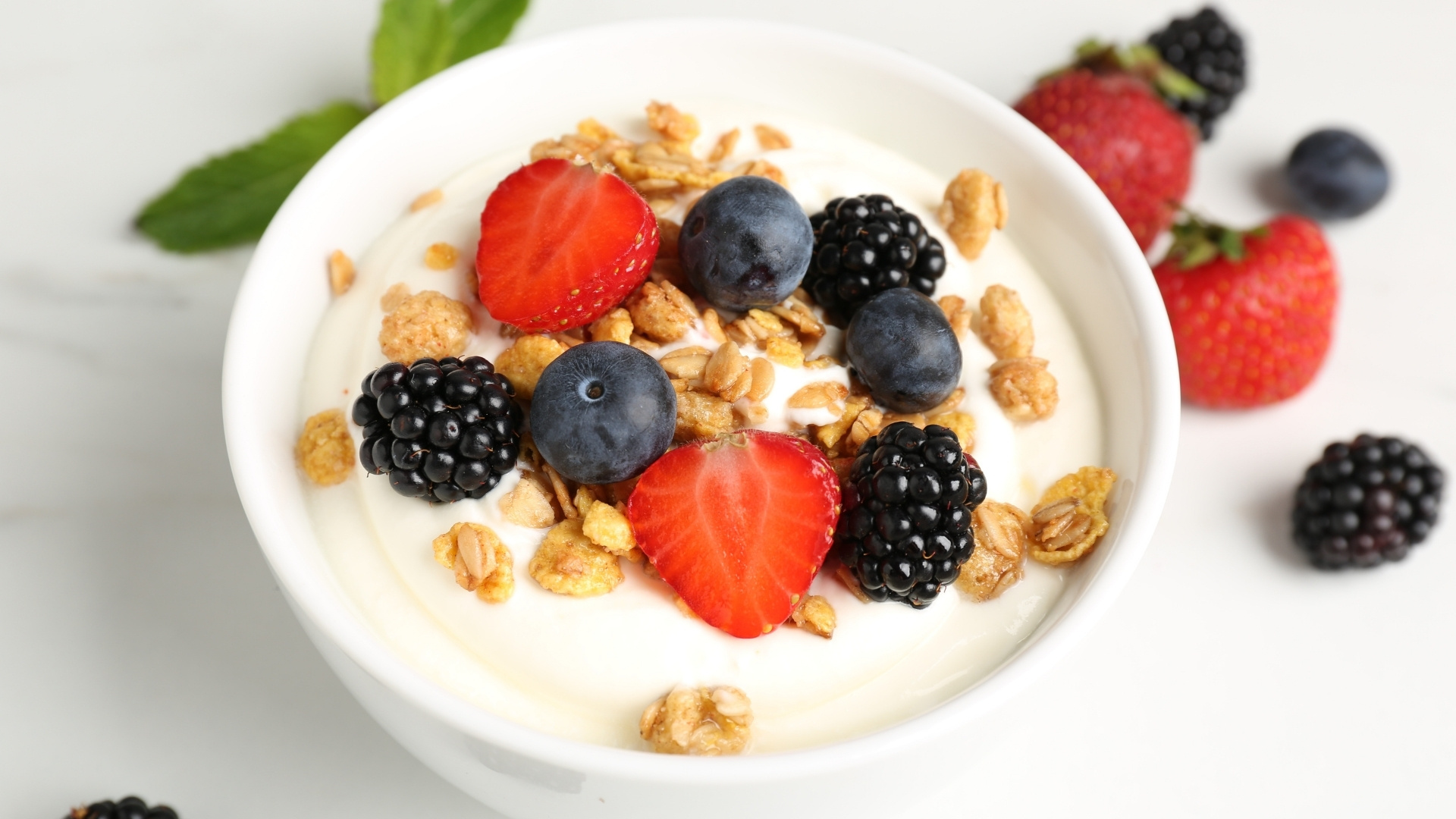
1. Greek Yogurt with Berries and Seeds
Greek yogurt is rich in protein, which supports tissue repair and muscle recovery after delivery. It also contains probiotics that promote gut health, helpful if digestion feels off postpartum.
Adding berries provides antioxidants that support immune function, while chia or flax seeds contribute fiber and omega-3 fatty acids.
How to prepare: Scoop one cup of plain Greek yogurt into a bowl. Add a handful of fresh or frozen berries. Sprinkle one tablespoon of chia or flax seeds and a few nuts for healthy fats.
This snack is filling, easy to assemble, and gentle on digestion.
2. Oatmeal Energy Bites
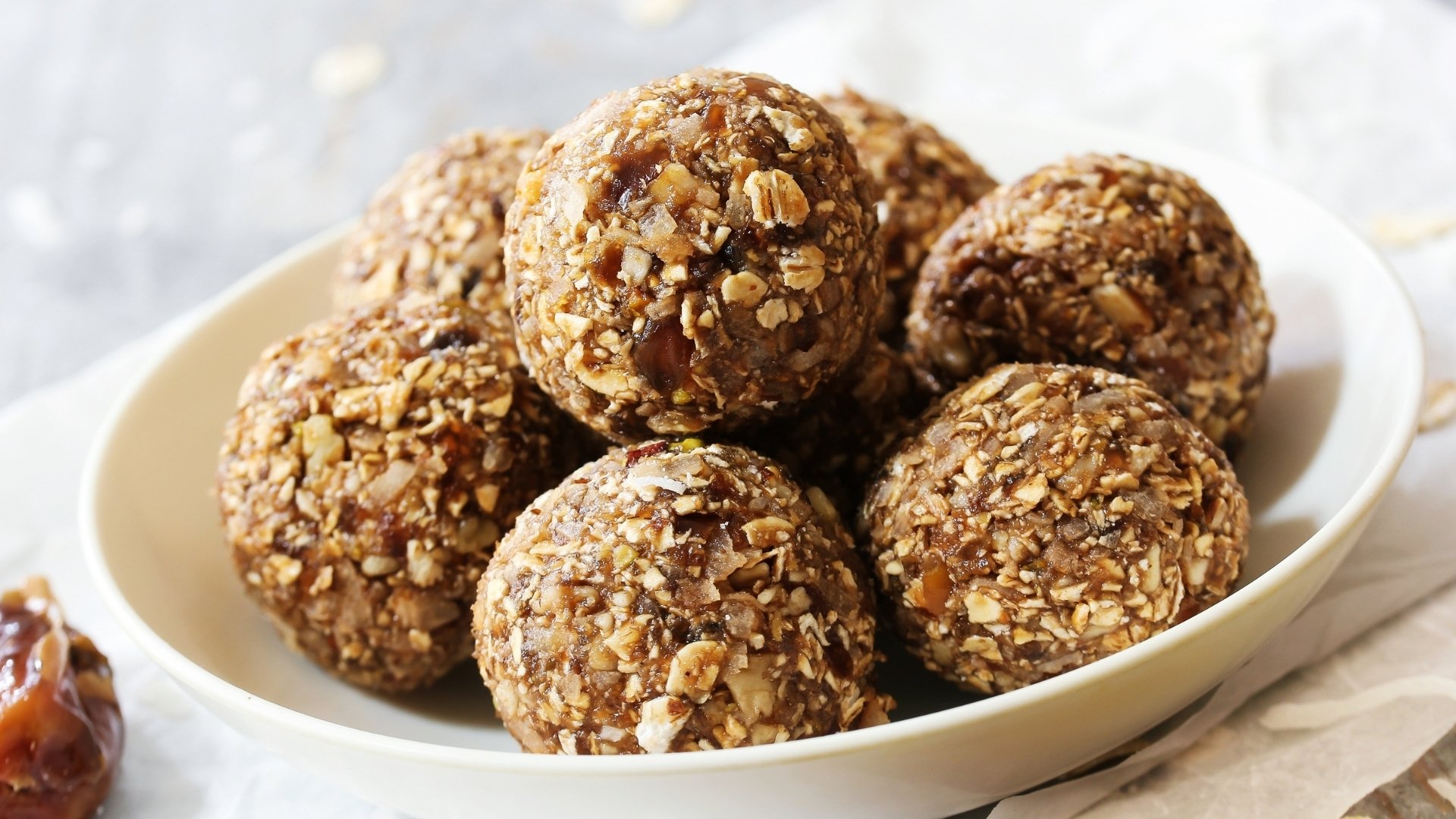
Oats are a practical postpartum staple. They provide complex carbohydrates for steady energy and contain iron, which may help replenish levels after delivery. Nut butter adds protein and healthy fats to keep you satisfied longer.
These are ideal to keep near your nursing chair because they can be eaten with one hand.
How to prepare: Mix rolled oats, peanut or almond butter, honey, and seeds in a bowl. Roll into small balls and refrigerate. Store in an airtight container for up to one week.
They are calorie-dense without feeling heavy, helpful if breastfeeding increases hunger.
3. Hard-Boiled Eggs with Whole-Grain Crackers
Eggs are a complete protein source, meaning they contain all essential amino acids needed for healing. They are also rich in choline, a nutrient important for brain health.
Pairing eggs with whole-grain crackers adds fiber and complex carbohydrates to stabilize blood sugar.
How to Prepare: Boil a batch of eggs at the beginning of the week and store them in the refrigerator for quick access.
4. Postpartum Recovery Smoothie
Smoothies are useful when appetite is low or time is limited. Blending fruit, greens, nut butter, and milk creates a nutrient-dense snack that supports hydration, energy, and digestion.
Spinach provides iron and folate. Bananas offer potassium for muscle support. Nut butter adds healthy fats and protein.
How to Prepare: Blend banana, berries, spinach, almond butter, and milk until smooth. Drink during a feeding session for convenience.
5. Apple Slices with Almond Butter
This simple snack offers a balanced combination of fiber, natural carbohydrates, protein, and healthy fats, making it especially helpful during the postpartum period when energy levels can fluctuate quickly.
Apples provide fiber, which supports digestion and may help ease postpartum constipation. They also contain natural sugars that offer a gentle energy boost without causing a rapid spike and crash. This snack is easy to prepare, requires no cooking, and can be eaten with one hand, ideal during feeding sessions or short breaks.
How to prepare: Slice one apple and serve with 1–2 tablespoons of almond butter for dipping or spreading. For added nutrition, sprinkle a small amount of ground flaxseed or cinnamon on top.
It’s a practical, nourishing option that supports steady energy and digestive comfort during recovery.
6. Chia Seed Pudding
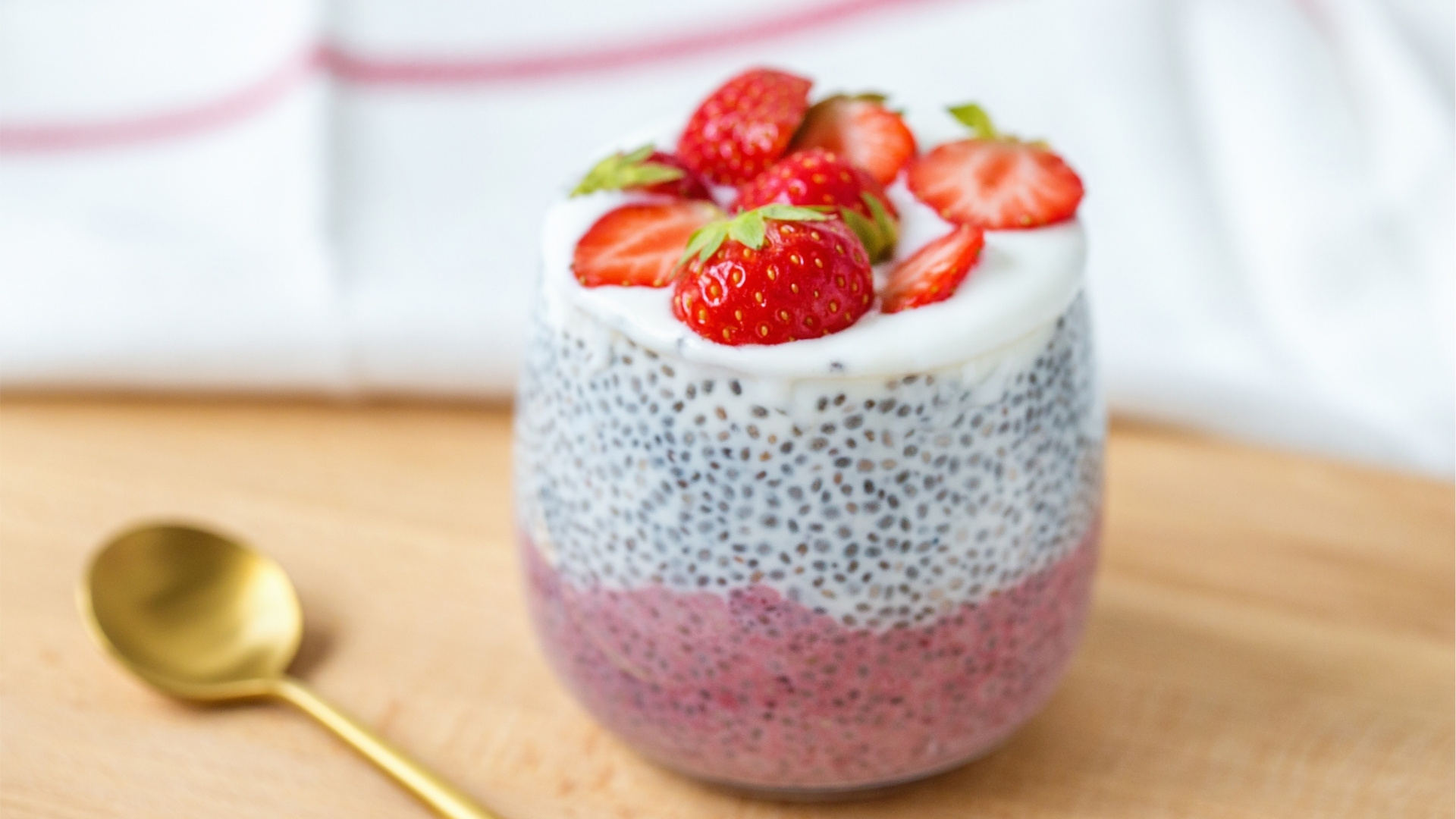
Chia seeds are a small but nutrient-dense ingredient that can be especially helpful during postpartum recovery. They are rich in fiber, which supports digestive regularity, something many women struggle with after childbirth due to hormonal shifts, iron supplements, or reduced movement.
How to prepare: Mix 2 tablespoons of chia seeds with ½ to 1 cup of milk (dairy or plant-based). Add a small drizzle of honey or maple syrup if desired. Stir well and refrigerate overnight. In the morning, the mixture will thicken into a pudding consistency. Top with berries, sliced banana, or chopped nuts before eating.
7. Roasted Sweet Potato Cubes
Sweet potatoes are rich in complex carbohydrates, which provide steady energy rather than a quick spike and crash. They also contain vitamin A, an important nutrient for immune health and tissue repair. After delivery, your body is healing internally and externally, and steady nourishment supports that process.
Sweet potatoes are naturally soft and gentle on digestion, making them suitable if your appetite feels sensitive in the early weeks.
How to prepare: Peel and cube two sweet potatoes. Toss lightly with olive oil and roast at 400°F (200°C) for 25–30 minutes until tender. Store in the refrigerator and reheat small portions as needed. They can be eaten warm or at room temperature.
Suggested read: Cold Medicine While Breastfeeding What’s Safe and What to Avoid
8. Cottage Cheese with Fruit
Cottage cheese is a concentrated source of protein and calcium, both important during postpartum recovery. Protein supports muscle and tissue repair, while calcium helps maintain bone health, particularly important if you are breastfeeding, as calcium demands increase.
Pairing cottage cheese with fruit adds natural sweetness along with vitamin C and fiber. This combination makes it more balanced and easier to eat regularly.
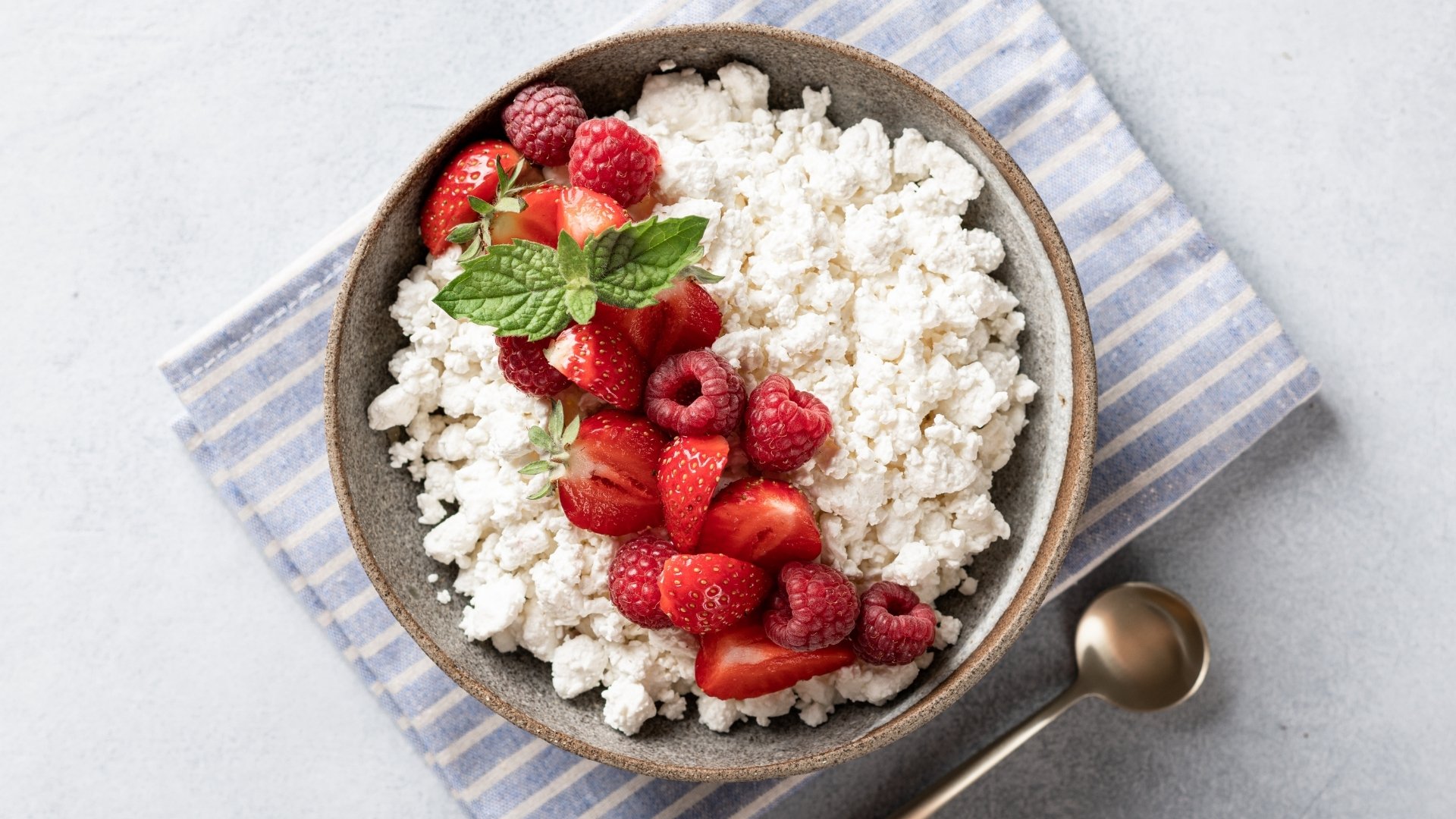
How to prepare: Scoop one cup of cottage cheese into a bowl. Add fresh pineapple, berries, or sliced peaches. Sprinkle a few seeds or nuts for added texture if desired.
9. Trail Mix
Trail mix is a practical, calorie-dense snack that provides a combination of protein, healthy fats, iron, and quick carbohydrates. Nuts such as almonds and walnuts support sustained energy, while seeds like pumpkin seeds provide iron, helpful after blood loss during delivery.
Because it requires no preparation once assembled, trail mix is ideal for keeping in small jars near your bed, nursing chair, or diaper bag.
How to prepare: Combine almonds, walnuts, pumpkin seeds, sunflower seeds, and a small portion of dried fruit. Store in portioned containers to prevent overeating while ensuring easy access.
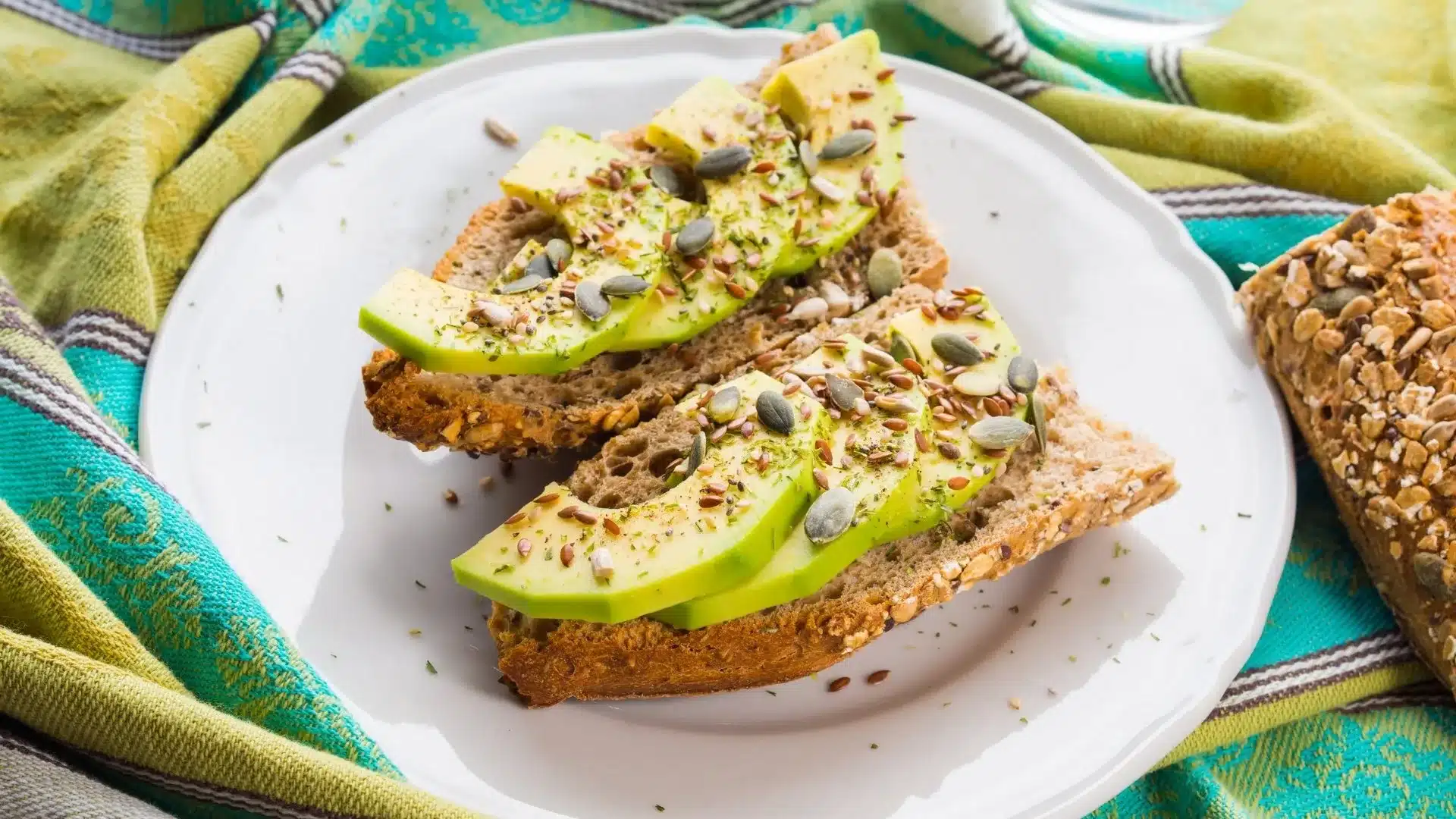
10. Avocado on Whole-Grain Toast
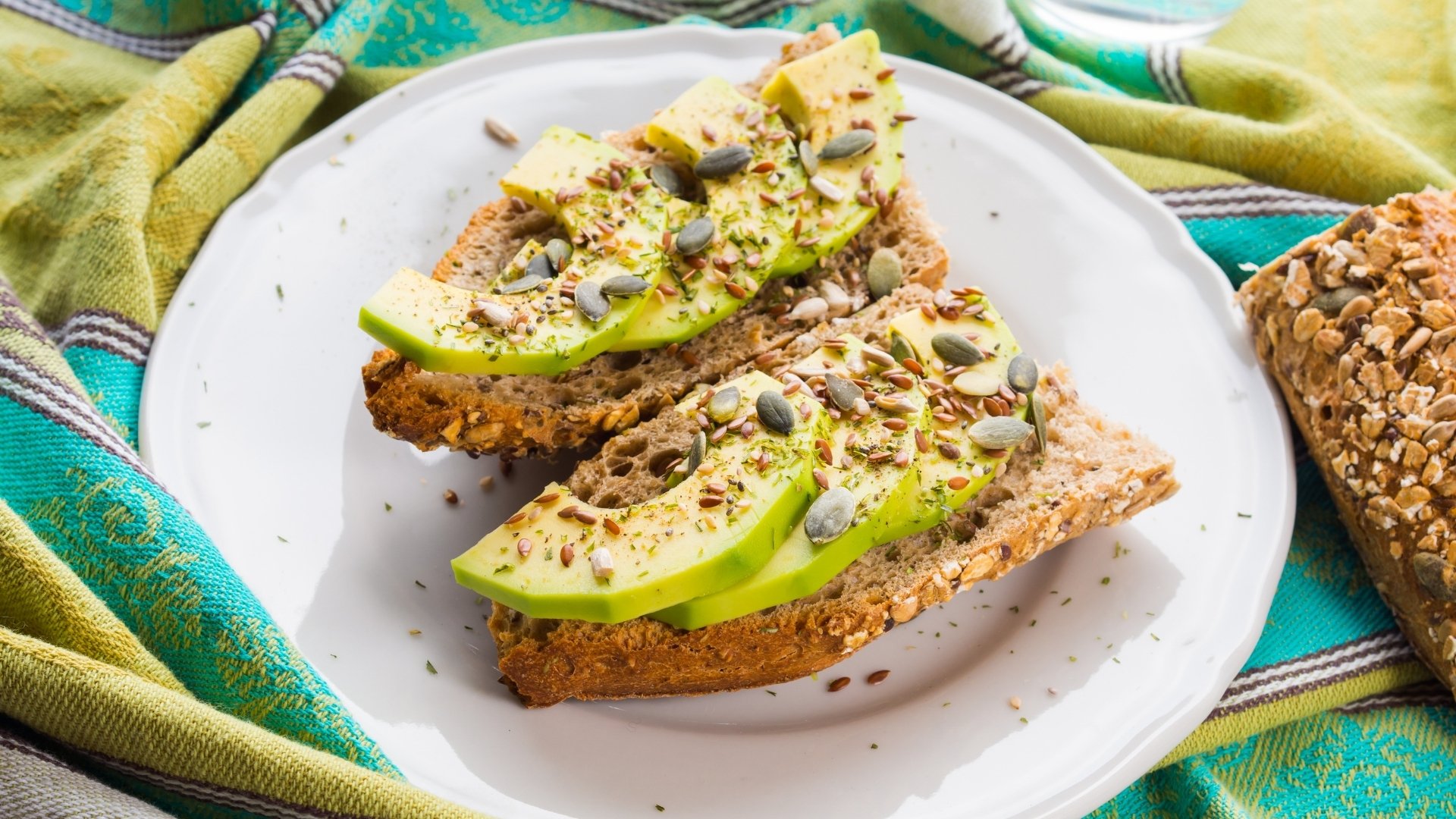
Avocado provides monounsaturated fats that support satiety and hormone balance. Healthy fats are particularly important postpartum because they help stabilize energy levels and reduce feelings of extreme hunger.
Whole-grain bread adds fiber and complex carbohydrates, creating a snack that feels more substantial when appetite increases, which is common while breastfeeding.
How to prepare: Toast one slice of whole-grain bread. Mash half an avocado onto the toast and sprinkle lightly with salt or seeds. Add a boiled or poached egg if you need additional protein.
11. Hummus with Whole-Grain Pita or Veggie Sticks
Hummus is made from chickpeas, which provide plant-based protein, fiber, and iron, nutrients that support postpartum recovery and stable energy. The fiber in chickpeas can also help ease common digestive concerns such as constipation.
Pairing hummus with whole-grain pita adds complex carbohydrates for sustained energy, while vegetables like carrots or cucumbers contribute hydration and additional fiber.
How to prepare: Spoon hummus into a small bowl. Serve with sliced whole-grain pita, carrot sticks, cucumber slices, or bell pepper strips. Store pre-cut vegetables in the fridge for easier access during busy days.
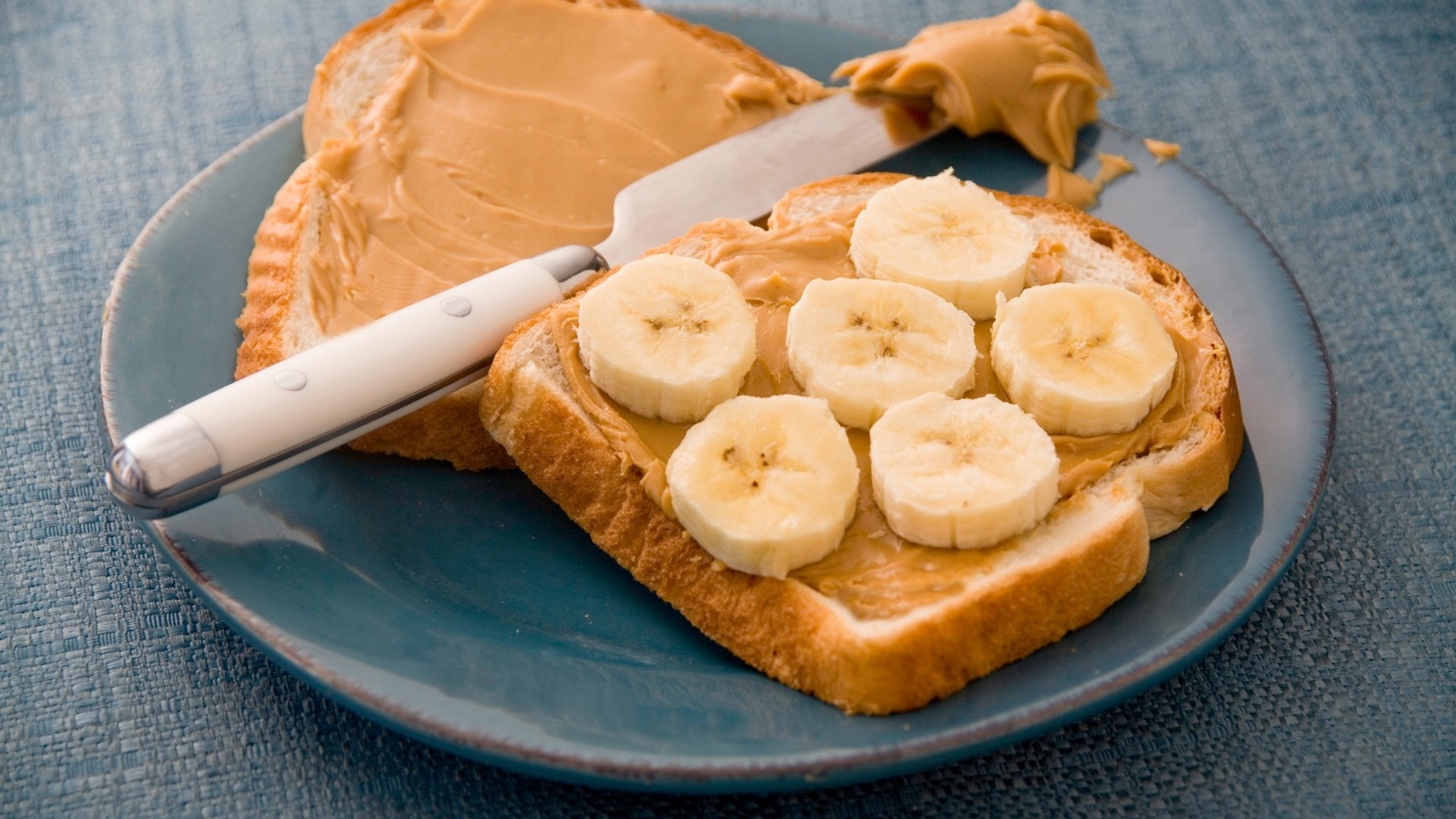
12. Banana with Peanut Butter and Flaxseed
Bananas are easy to digest and rich in potassium, which supports muscle function and hydration, especially important if you’re feeling fatigued or breastfeeding. Peanut butter adds protein and healthy fats, helping keep you full longer and preventing energy crashes.
Ground flaxseed provides fiber and omega-3 fatty acids, contributing additional nutritional support without extra preparation.
Note: If there’s a peanut or tree nut allergy, peanut butter can be replaced with alternatives like sunflower seed butter.
How to prepare: Slice one banana lengthwise or into rounds. Spread 1–2 tablespoons of peanut butter over the slices. Sprinkle lightly with ground flaxseed. Eat immediately.
These additional postpartum snacks continue the focus on convenience, balanced nutrition, and digestive support, helping you nourish your body consistently during recovery.
Suggested read: Best Postpartum Meals for Healing, Energy, and Breastfeeding Recovery
Building a Simple Postpartum Snacking Routine
In the early weeks after birth, hunger often feels unpredictable. Instead of waiting until you’re exhausted or overly hungry, creating a loose snacking rhythm can help maintain steady energy throughout the day.
You don’t need a strict meal plan, just a gentle structure that works alongside your baby’s routine.
1. Pair Snacks With Baby’s Feeding Schedule
One of the easiest ways to stay consistent is to eat when your baby eats. This removes the need to create a separate schedule.
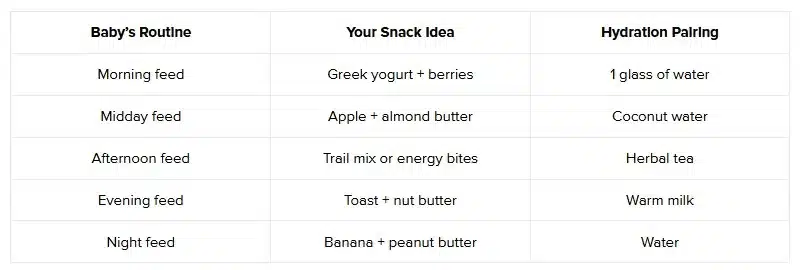
This approach builds nourishment into what you’re already doing.
2. Aim to Eat Every 2–3 Hours
Long gaps without food can increase fatigue and irritability. Small, balanced snacks can help stabilize blood sugar.
3. Set Up Snack Stations
Keeping snacks visible reduces the likelihood of skipping meals.
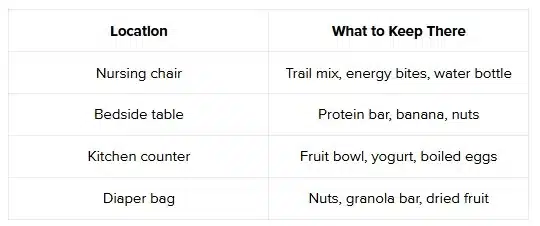
Even simple adjustments like eating during feeds and keeping snacks nearby can make postpartum nutrition more manageable.
Also read: Top Breastfeeding Essentials for New Moms: What to Buy and Why
Tips for Healthy Postpartum Snacking
In the weeks after having a baby, eating well can feel harder than it sounds. Sleep is limited, routines are unpredictable, and hunger often shows up suddenly, especially if you’re breastfeeding. Healthy postpartum snacking isn’t about perfection; it’s about making nourishment practical and consistent.
A few simple strategies can help you stay fueled without adding extra stress to your day.
Here are helpful tips to keep in mind:
- Pair protein with carbohydrates. Combining foods like yogurt with fruit or toast with nut butter helps stabilize blood sugar and sustain energy longer than carbs alone.
- Prep snacks in advance. Boil eggs, wash fruit, roast vegetables, or make energy bites in batches so food is ready when you need it.
- Keep snacks visible and accessible. Store options near your nursing chair, bedside table, or kitchen counter to reduce skipped meals.
- Choose nutrient-dense over empty calories. Focus on snacks that provide protein, fiber, iron, and healthy fats rather than highly processed, sugary options.
- Stay hydrated alongside snacks. Keep a water bottle nearby and sip regularly, especially during feeding sessions.
- Listen to your hunger cues. Postpartum hunger can feel stronger than usual. Eating when hungry supports recovery and milk production.
- Avoid long gaps without food. Small, frequent snacks may feel more manageable than waiting for full meals.
- Accept help with food prep. If friends or family offer support, ask for nourishing snacks or easy meal ingredients.
Healthy postpartum snacking is less about rigid plans and more about steady nourishment. Consistent, balanced fuel helps support healing, energy, and overall well-being during this demanding and important phase.
Final Words
The postpartum period asks a lot from your body, physically, emotionally, and mentally. Between healing, adjusting to new routines, and possibly breastfeeding, consistent nourishment becomes more than a health goal; it becomes a form of support. Small, balanced postpartum snacks throughout the day can help stabilize energy, support recovery, and make long stretches of caregiving feel more manageable.
There’s no perfect snack plan and no need for rigid rules. What matters most is steady fuel, hydration, and giving yourself permission to prioritize your own nourishment while caring for your baby.
Looking for more postpartum support? Explore practical breastfeeding resources, recovery guidance, and check your eligibility for an Insurance Covered Breast Pump (ICBP) to make feeding simpler and more comfortable.
Caring for your baby starts with caring for yourself, and consistent nourishment is a powerful place to begin.
FAQs
1. How often should I eat postpartum?
Most new moms benefit from eating every 2–3 hours. Small, balanced snacks between meals help maintain steady energy, especially if you’re breastfeeding or recovering from delivery.
2. Do breastfeeding moms need extra calories?
Yes. Breastfeeding mothers typically require additional calories to support milk production, often around 330–400 extra calories per day. These calories should come from nutrient-dense foods rather than processed snacks.
3. What are the best postpartum snacks for energy?
Snacks that combine protein, healthy fats, and complex carbohydrates, such as yogurt with fruit, nut butter on toast, or trail mix, help prevent energy crashes and keep you full longer.
4. Are there specific nutrients I should focus on after delivery?
Yes. Protein supports tissue repair, iron helps replenish blood stores, fiber supports digestion, and healthy fats contribute to hormone balance and sustained energy.
5. What snacks help with postpartum constipation?
Fiber-rich options such as oats, chia seeds, fruits, vegetables, and whole grains may help support digestion. Staying hydrated also plays an important role.
6. Can I diet or restrict calories postpartum?
The early postpartum period is focused on healing and recovery. Restrictive dieting is generally not recommended, especially if breastfeeding. Prioritizing balanced nutrition supports recovery and energy.
7. What snacks are good for night feeds?
Shelf-stable and easy-to-eat options like trail mix, bananas, energy bites, protein bars, or nut butter with crackers work well during nighttime feeding sessions.