











Missouri Breast Pumping Law: Know Your Workplace Rights in 2026
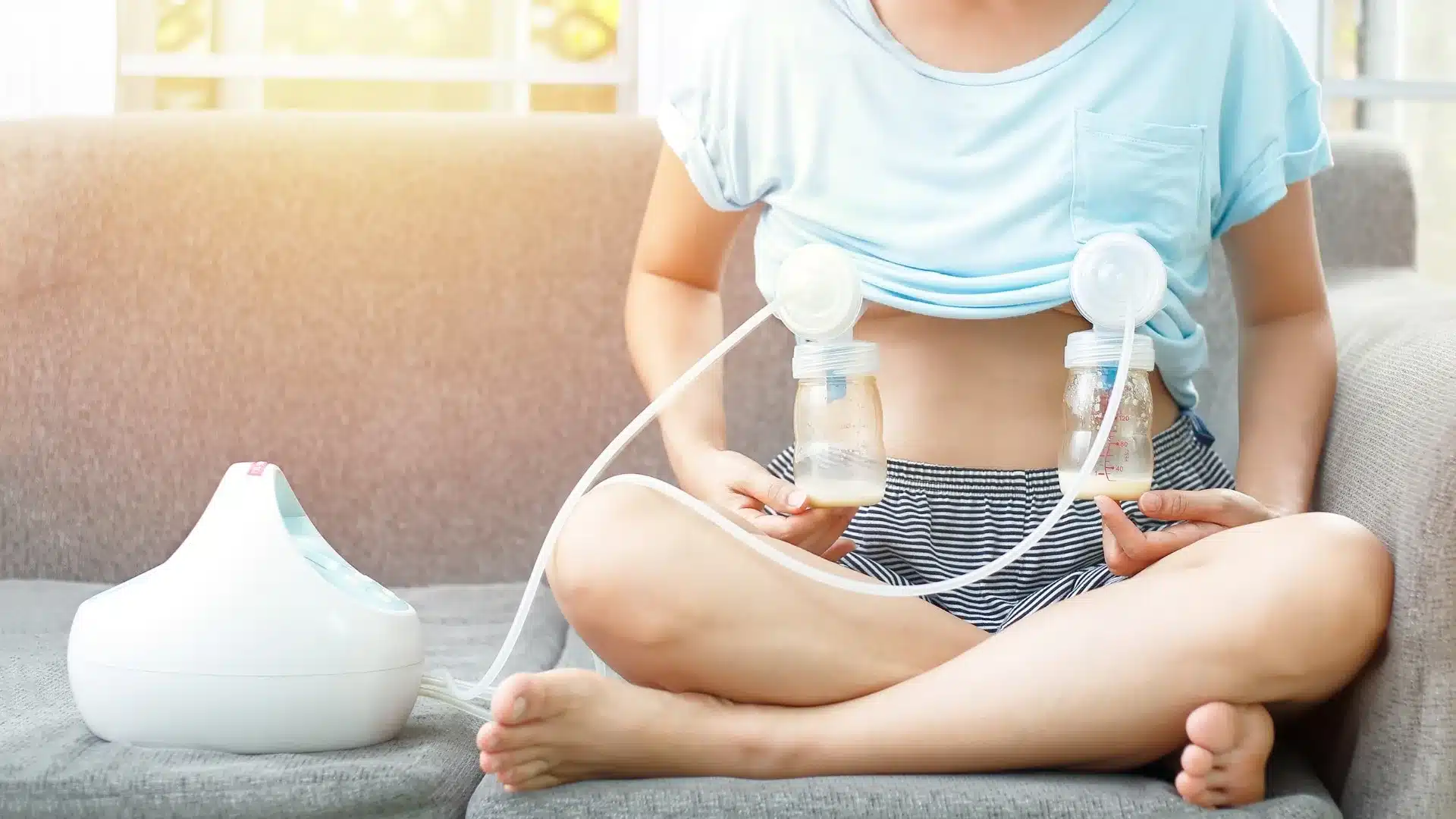
You just returned from maternity leave, your baby is a few weeks old, and you’re trying to figure out how to fit pumping into your workday. You’re not sure if your employer has to give you a space. You’re not sure if you’re protected. And you’re definitely not sure who to ask.
You’re not alone. According to the CDC, more than 85.7% of U.S. mothers start out breastfeeding, yet many stop earlier than they planned, often because of challenges at work. Lack of time and private space to pump are among the most commonly cited reasons.
The good news? You have real, enforceable rights. Whether you work in an office in St. Louis, a school in Kansas City, or a clinic in Springfield, federal law protects your right to pump at work. And Missouri adds an extra layer of protection in certain settings.
This guide breaks it all down clearly, so you can go back to work with confidence.
Key Takeaways
- The Missouri breast pumping law relies mainly on federal protections, with clear workplace rights that apply across most industries and job types.
- Employers must provide reasonable break time and a private, non-bathroom space for pumping during the first year after childbirth.
- Missouri public schools have specific lactation accommodation requirements for employees and students, supported by written district policies.
- Nursing parents are legally protected when pumping or breastfeeding at work and in public spaces throughout Missouri.
- Access to an insurance-covered breast pump can simplify the transition back to work and reduce stress for new mothers.
Missouri Breast Pumping Law: Key Workplace Rights

Missouri does not have a standalone workplace breast pumping law that differs significantly from federal requirements. For most employees, breast pumping rights in Missouri are governed by federal law, with limited state-specific rules that apply in public school settings.
Understanding this structure helps clarify where protections come from and how they apply in practice.
Federal Law: The PUMP for Nursing Mothers Act
The Providing Urgent Maternal Protections (PUMP) for Nursing Mothers Act, enacted in December 2022, amended the Fair Labor Standards Act (FLSA) to strengthen workplace lactation protections. This federal law serves as the primary source of breast pumping rights for working parents in Missouri.
Under the PUMP Act, employers are required to:
- Provide reasonable break time each time an employee needs to express breast milk, for up to one year after the child’s birth.
- Make available a private space for pumping that:
- Is not a bathroom.
- Iis shielded from view.
- Is free from intrusion by coworkers or the public.
- Extend these protections to both hourly and salaried employees.
Break time provided for pumping may be unpaid, unless the employee is fully relieved from work duties during the break.
The PUMP Act expanded coverage to millions of workers nationwide, including employees who were not previously covered under earlier federal lactation rules.
Missouri State Law: Lactation Accommodations in Public Schools
Missouri law requires public school districts to support lactating employees and students through formal accommodation policies. Under Missouri Statute 160.995, every public school district must adopt a written lactation accommodation policy.
These policies must provide:
- At least three opportunities during each school day to express breast milk, scheduled as agreed upon by the individual and the school.
- A designated private space for lactation that includes:
- A lockable door
- A chair and a work surface
- Electrical outlets
- Proper ventilation
- Access to running water nearby.
- Accommodations for teachers, staff, and enrolled students.
- Guidance based on a model policy issued by the Missouri Department of Elementary and Secondary Education (DESE).
These requirements apply for one year following childbirth.
Right to Breastfeed or Pump in Public
Missouri law protects the right to breastfeed or express breast milk in public. Nursing parents may breastfeed or pump in any public or private location where they are otherwise permitted.
Individuals may not be asked to leave, relocate, or cover up while nursing. Breastfeeding is exempt from Missouri’s indecent exposure laws, and nursing mothers may request an exemption from jury duty.
Also Read: Elvie vs Medela: Comparing Top Breast Pump Choices
How Do These Pumping Rights Apply in Everyday Work Situations?
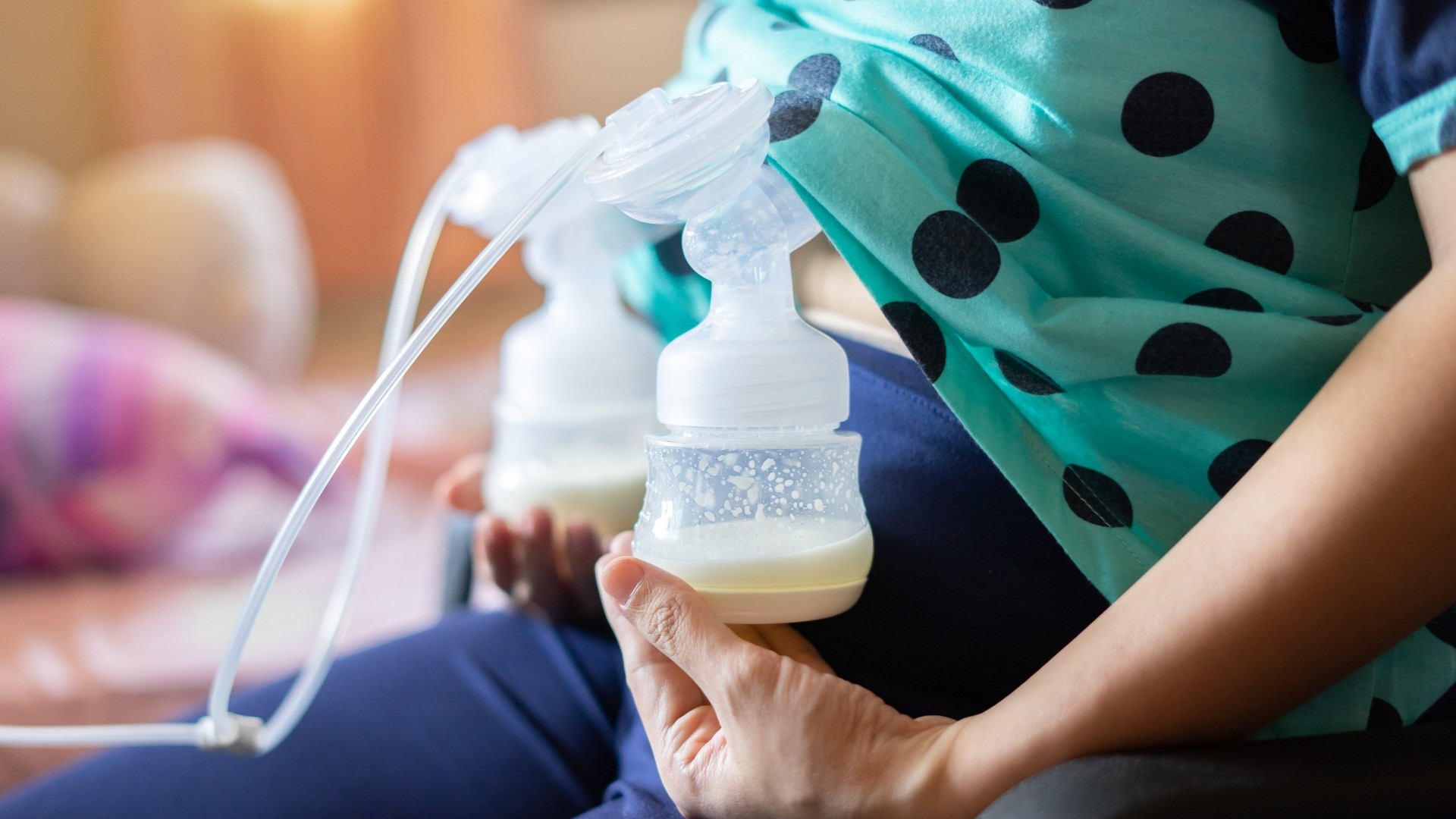
Laws on paper are one thing. What you actually experience on a Tuesday afternoon at work is another. Here is how these protections translate into real-life scenarios you might encounter.
If You Work in an Office or Corporate Setting
Your employer must give you break time whenever you need to pump and provide a private, non-bathroom space. If your company has a wellness room, a spare conference room, or even an empty office that can be locked, that qualifies. You do not need to pump in a bathroom stall.
Break time for pumping may be unpaid unless your employer already provides paid rest breaks and you use that time to pump. If you are expected to continue working while pumping, that time must be compensated.
If You Work in Retail, Hospitality, or Healthcare
The PUMP Act covers you regardless of your industry. Retail stores, restaurants, hospitals, and other shift-based workplaces are all required to comply. You might be wondering what a private space looks like in a fast-paced environment. It can be a back office, a manager’s room, or any space that offers privacy and is free from interruption.
If You Work in a Missouri Public School
You have the strongest protections of any Missouri employee. Your school district is legally required to have a written policy, provide at least three pumping breaks per school day, and offer a room with running water, a lockable door, electrical outlets, and a work surface.
If your district has not adopted a policy by July 1, 2022 (as required by law), you can work with your union representative or contact the Missouri Department of Elementary and Secondary Education for guidance.
What About Small Employers?
Employers with fewer than 50 employees can request an exemption from the PUMP Act only if providing the required accommodations would cause an undue hardship. This exemption is genuinely rare and requires the employer to demonstrate significant difficulty or expense relative to their size and resources.
In practice, most small businesses can find a workable solution, and the vast majority of employers, small or large, are expected to comply.
Also Read: How to Choose the Best Breast Pump for Exclusive Pumping
How to Use Your Rights: Step-by-Step
Knowing your rights is one thing. Using them confidently is another. Here is a straightforward process to help you set yourself up for success before you return to work.
1. Plan ahead: Before your return date, estimate how often you will need to pump and roughly how long each session takes. Most pumping sessions are 15 to 20 minutes.
2. Notify HR or your manager in writing: Let your employer know before your return date that you will need to pump. Ask about the available private space and how breaks will be scheduled.
3. Be specific but flexible: For example, ‘I will need to pump two to three times during my shift, ideally every three hours. Sessions typically take about 15 to 20 minutes each.’
4. Ask about milk storage: Request access to a shared refrigerator for milk storage. If one is not available, plan to bring an insulated bag with ice packs.
5. Keep communication open: Your schedule may shift slightly as your baby grows. Let your supervisor know you may need to adjust pumping times, and maintain a polite but direct line of communication.
You do not need to justify why you pump or provide a detailed medical explanation. The law protects your right, and your employer is required to respect it.
What a Good Pumping Space Should Include

You might be wondering what to look for in a compliant pumping space. Here is a clear reference:
| Feature | Required by Law? |
| Private, lockable space (not a bathroom) | Yes |
| Shielded from view / free from intrusion | Yes |
| Chair and flat surface/table | Yes (federal guidance) |
| Electrical outlet | Yes (Missouri public schools); recommended for all workplaces |
| Running water nearby | Yes (Missouri public schools); recommended for all workplaces |
| Refrigerator for milk storage | Not federally required; recommended |
| Signage indicating space is in use | Not federally required; strongly recommended |
If your workplace does not have a dedicated lactation room, you can request a temporary private area, such as a conference room or unused office. The key requirement is that it must be private, clean, and free from interruption.
Ready to get your insurance-covered pump before you head back to work? Visit Insurance Covered Breast Pumps to check your coverage and have your pump shipped directly to your door at no cost.
Practical Tips for Pumping at Work
With the logistics sorted, the day-to-day rhythm of pumping at work comes down to preparation and self-care. Here are some tips many moms find helpful.
Before You Head Back
• Tour your pumping space beforehand so you know exactly where to go on your first day back.
• Practice assembling and using your pump at home so it feels second nature at work.
• Pack a pumping bag with spare parts, breast pads, sanitizing wipes, a hands-free pumping bra, and a labeled storage bag for milk.
• Bring a small cooler with ice packs if refrigerator access is uncertain.
During Your Workday
• Stick to a pumping schedule that aligns with when your baby usually feeds. Consistency helps maintain your milk supply.
• Stay hydrated. Keep a water bottle at your desk or in your pumping bag. Pumping can be dehydrating.
• Use a hands-free pumping bra if you need to review notes, read, or simply relax during sessions.
• Label your milk clearly with your name and the date before placing it in a shared refrigerator.
Take Care of Yourself, Too
It is completely normal to feel like it takes a few weeks to find your rhythm. Some moms feel confident right away; others need more time to adjust. Either experience is valid.
If your supply changes when you return to work, consider speaking with a lactation consultant. Under the Affordable Care Act, most insurance plans cover lactation consultant visits at no cost to you.
Also Read: Making Sense of Pumping Let Down and Supporting Your Milk Flow
What to Do If Your Pumping Rights Are Denied

Most employers in Missouri are supportive, but if you face pushback, you have real options. Here is how to handle it.
1. Start with a Direct Conversation
If a break is denied or your space is inadequate, speak directly with your HR department or manager. Sometimes the issue comes down to a lack of awareness rather than intentional disregard. Provide a copy of the PUMP Act requirements and request a written response.
2. Give Your Employer 10 Days to Comply
Under the PUMP Act, before filing a formal complaint about a space violation, you are required to notify your employer of the non-compliance. Your employer then has 10 days to fix the issue. For break time violations, you can take action right away without waiting.
3. File a Complaint with the U.S. Department of Labor
If the issue is not resolved, you can file a complaint with the U.S. Department of Labor’s Wage and Hour Division (WHD):
• Call: 1-866-487-9243
• Visit: dol.gov/whd
It is illegal for your employer to retaliate against you for filing a complaint. Legal remedies may include reinstatement, back pay, and damages compensation.
4. Free Legal Support Resources
You do not need to navigate this alone. The following free resources offer confidential guidance:
• Center for WorkLife Law: Free helpline for nursing mothers facing workplace issues.
• A Better Balance: Legal support in English, Spanish, and other languages on request.
• Missouri Breastfeeding Coalition: A state-level resource to promote and protect breastfeeding rights.
Also Read: Best Breast Pump for Large Breasts 2026: Comfort, Fit, and Support
Insurance Coverage for Breast Pumps in Missouri
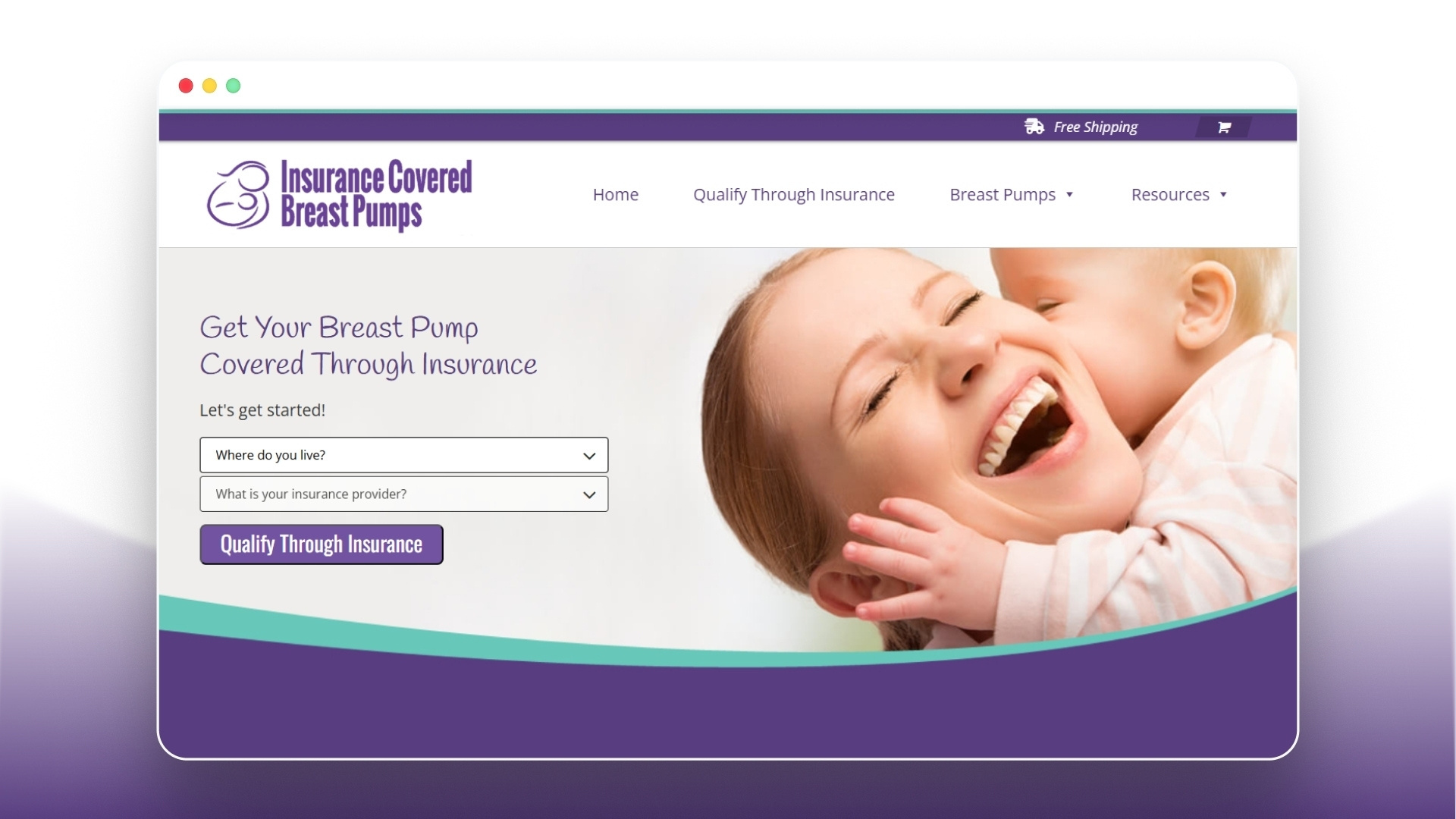
One of the most valuable, and often overlooked, benefits available to Missouri moms is insurance coverage for breast pumps. Under the Affordable Care Act (ACA), most health insurance plans are required to cover the cost of a breast pump and related lactation support at no cost to you.
What Your Insurance Typically Covers
• A breast pump (electric double-pump models are typically covered).
• Replacement parts and accessories in some plans.
• Consultations with a certified lactation consultant.
Many plans also allow you to choose from trusted brands like Spectra, Medela, Momcozy, Elvie, or Lansinoh through Durable Medical Equipment (DME) providers.
How to Get Your Pump Through Insurance
- Contact your insurance provider to confirm which pumps are covered under your plan.
- Check whether a prescription is required. Some plans require a doctor’s order; others do not.
- Order through a trusted DME provider, like Insurance Covered Breast Pumps, verify your insurance on your behalf, and ship directly to your home.
- Order early. You can often get your pump during your third trimester, so it is ready before your baby arrives.
By checking your insurance benefits early, you can secure a covered breast pump and have it ready when you need it most.
Conclusion
Returning to work while continuing to pump is not always easy. The Missouri breast pumping law exists to help working parents protect their feeding goals and plan their workdays with greater confidence.
Understanding your rights is an important first step. Having the right equipment in place before you return to work can make a meaningful difference in how smoothly that transition goes.
A reliable breast pump, delivered on time, removes one of the biggest sources of stress for new moms. That is where Insurance Covered Breast Pumps can help. They work directly with insurance providers to verify coverage, coordinate prescriptions, and ship approved breast pumps to your home, often at little or no cost.
If you want to simplify the process and avoid insurance paperwork, you can check your eligibility in just a few minutes. Get your insurance-covered breast pump here.
FAQs
1. Can my employer require a doctor’s note to pump at work in Missouri?
No. Employers cannot require medical documentation or a doctor’s note to request pumping breaks. The right to express breast milk is protected without additional justification.
2. What happens if my baby turns one but I still need to pump at work?
Federal law guarantees protection for one year postpartum. After that, accommodations depend on employer policy, state guidance, or negotiated workplace arrangements.
3. Can I pump while traveling or working off-site for my job?
Yes. Employers must make reasonable efforts to provide a private, non-bathroom space when employees work off-site, attend training, or travel for job duties.
4. Is my employer responsible for cleaning or maintaining the pumping space?
Employers must ensure the space is private and functional. However, employees are typically responsible for cleaning personal pump equipment and supplies.