












What Does a Lactation Consultant Do? Breastfeeding Support Explained

Breastfeeding can feel natural for some families, but for many parents, it comes with questions, learning curves, and moments of uncertainty. From latching difficulties to concerns about milk supply, the early weeks of feeding often involve adjustments and support.
This is where a lactation consultant can play an important role. If you’ve ever wondered what a lactation consultant does, their work focuses on helping families navigate breastfeeding challenges with practical guidance, education, and reassurance.
Lactation consultants support parents at different stages of their feeding journey, from preparing for breastfeeding before birth to addressing concerns that may arise in the early postpartum weeks.
A Quick Summary
- A lactation consultant helps parents with breastfeeding, pumping, latch concerns, milk supply questions, and feeding routines.
- Support from a lactation consultant can be helpful during pregnancy, after birth, or anytime feeding feels uncomfortable or difficult to manage.
- They can identify common feeding challenges and offer practical guidance to improve comfort and milk transfer.
- Lactation consultants also support pumping parents with pump use, flange fit, schedules, and milk storage.
- Understanding the different types of lactation professionals can help families choose the level of support that best fits their needs.
What Does a Lactation Consultant Do?
A lactation consultant is a trained professional who specializes in breastfeeding education and support. Their goal is to help parents and babies develop effective feeding routines while addressing common breastfeeding challenges.
In fact, a March 2025 review of 40 randomized clinical trials by JAMA Pediatrics
Opens a new window showed that lactation consultants lowered the risk of stopping breastfeeding and exclusive breastfeeding by 8% and 4%, respectively. They also tended to extend breastfeeding for any length of time by 3.6 weeks.
They work closely with families to observe feeding patterns, provide practical suggestions, and offer guidance that supports both the parents’ comfort and the baby’s nutrition.
Some of the ways a lactation consultant may support families include:
- Helping babies achieve a proper latch
- Addressing nipple pain or breastfeeding discomfort
- Evaluating milk supply concerns
- Supporting parents who are pumping or combination feeding
- Helping establish feeding schedules and routines
- Providing guidance for premature or medically complex infants
By offering personalized advice, lactation consultants help parents feel more confident as they learn how breastfeeding works for their unique situation.
What Kind of Training Does a Lactation Consultant Have?

Lactation consultants can have different levels of training and certification, which means the type of support they provide may vary. Some professionals complete advanced clinical training and certification, while others focus mainly on breastfeeding education and guidance.
Common types of lactation professionals include:
- IBCLC (International Board Certified Lactation Consultant): These consultants complete advanced education and clinical training and pass a certification exam through the International Board of Lactation Consultant Examiners (IBLCE). They are qualified to assess breastfeeding challenges, provide clinical support, and help manage more complex feeding issues.
- Lactation Educators or Counselors: These professionals typically receive more limited training and focus on providing breastfeeding education, basic guidance, and emotional support. If more complex medical concerns arise, they may refer families to a certified lactation specialist such as an IBCLC.
When Should You See a Lactation Consultant?
Breastfeeding can look different for every family, and it’s common to have questions or concerns along the way. A lactation consultant can provide helpful guidance at various stages of the feeding journey, whether you are preparing for breastfeeding before birth or working through challenges after your baby arrives.
Reaching out for support early can often make feeding more comfortable and help address small concerns before they become more difficult to manage.
You may consider seeing a lactation consultant if:
- Your baby is having trouble latching: If your baby struggles to latch onto the breast or frequently slips off during feeding, a lactation consultant can observe a feeding session and suggest adjustments to improve positioning and latch.
- Breastfeeding is painful or uncomfortable: While some initial sensitivity can be common, ongoing pain, cracked nipples, or discomfort during feeds may indicate issues with latch or positioning that can be corrected with guidance.
- You’re concerned about milk supply: If you feel your milk supply is low or your baby seems unsatisfied after feeding, a lactation consultant can help evaluate feeding patterns and offer suggestions to support milk production.
- Your baby is not gaining weight as expected: Feeding challenges can sometimes affect weight gain. A lactation consultant may work alongside your pediatrician to assess feeding effectiveness and suggest improvements.
- You plan to pump or return to work soon: If pumping will be part of your routine, a lactation consultant can help you choose the right pump, adjust flange size, and create a pumping schedule.
- Your baby was born premature or has special feeding needs: Babies born early or with medical conditions may need extra support when learning to breastfeed, and a lactation consultant can guide families through these situations.
Seeking support at the right time can help make the breastfeeding experience smoother and more reassuring for both parents and babies.
Suggested read: Best Postpartum Meals for Healing, Energy, and Breastfeeding Recovery
What Should You Expect During an Appointment With a Lactation Consultant?

Meeting with a lactation consultant is usually a supportive and educational experience designed to help you feel more confident about feeding your baby. During the appointment, the consultant will typically take time to understand your concerns, observe a feeding session if possible, and offer personalized guidance based on your baby’s needs and your feeding goals.
The goal of the consultation is to provide practical suggestions that can make breastfeeding or pumping more comfortable and effective.
During an appointment, a lactation consultant may:
- Discuss your feeding history and concerns: The consultant will often begin by asking questions about your pregnancy, your baby’s birth, feeding patterns, and any challenges you’ve experienced so far.
- Observe a breastfeeding or pumping session: Watching a feeding session allows the consultant to evaluate your baby’s latch, positioning, and milk transfer.
- Assess your baby’s feeding behavior: The consultant may check how your baby sucks, swallows, and stays engaged during feeding.
- Offer guidance on positioning and latch: Small adjustments in how your baby is positioned or how they latch can often improve comfort and feeding effectiveness.
- Provide suggestions for managing common challenges: If you’re dealing with issues such as nipple pain, low milk supply concerns, or pumping questions, the consultant may recommend strategies to help address them.
- Answer your breastfeeding and pumping questions: Many parents use consultations as an opportunity to ask questions about milk supply, feeding frequency, pumping routines, and milk storage.
- Create a feeding plan if needed: In some situations, the consultant may help you develop a feeding or pumping plan that supports your baby’s growth and your feeding goals.
After the appointment, many lactation consultants also provide follow-up support or additional resources to help families continue their feeding journey with confidence.
Suggested read: Breastfeeding and Pumping Schedule for New Moms
How Lactation Consultants Support Pumping Parents
Pumping can become an important part of the feeding routine for many families. Some parents pump to maintain milk supply, prepare for returning to work, or support babies who may have difficulty nursing directly. Lactation consultants can provide guidance to help make pumping more effective and comfortable.
Lactation consultants may help pumping parents by:
- Helping choose the right breast pump: They can explain the differences between manual, electric, and wearable pumps and help parents select one that suits their needs.
- Ensuring the correct flange size: Proper flange sizing can improve milk flow and prevent discomfort during pumping.
- Adjusting pump settings for comfort and efficiency: Lactation consultants can guide parents on suction levels and cycle settings to help optimize milk expression.
- Creating a pumping schedule: They may suggest a routine that supports milk supply, especially for parents who pump frequently or exclusively.
- Teaching safe milk storage practices: Parents can learn how to store, label, and handle expressed breast milk safely.
With the right guidance and support, pumping can become a manageable and effective part of your feeding journey.
If pumping feels unpredictable or less productive, the equipment you use can make a real difference. Check your eligibility for Insurance Covered Breast Pumps (ICBP) and explore high-quality pump options designed to support consistent milk removal and comfort.
Common Breastfeeding Challenges Lactation Consultants Help With

Many breastfeeding concerns are common and manageable with the right support. Lactation consultants often help parents work through these challenges by identifying the underlying cause and suggesting practical solutions.
1. Latch Difficulties
A shallow or ineffective latch can make breastfeeding uncomfortable and prevent the baby from getting enough milk.
2. Low Milk Supply Concerns
Parents sometimes worry about milk production. A consultant may help evaluate feeding patterns and suggest ways to support milk supply.
3. Nipple Pain or Damage
Pain during feeding is often linked to positioning or latch issues that can usually be adjusted.
4. Pumping and Milk Storage
Lactation consultants also help parents learn how to use breast pumps effectively and store breast milk safely.
5. Feeding Schedules
Understanding feeding cues and frequency can help create more comfortable routines for both parent and baby.
Addressing these challenges early can help make breastfeeding more comfortable and support a smoother feeding experience for both parent and baby.
Suggested Read: Comfortable Breastfeeding Positions You Can Try
How Insurance Covered Breast Pumps (ICBP) Can Support Your Pumping Journey
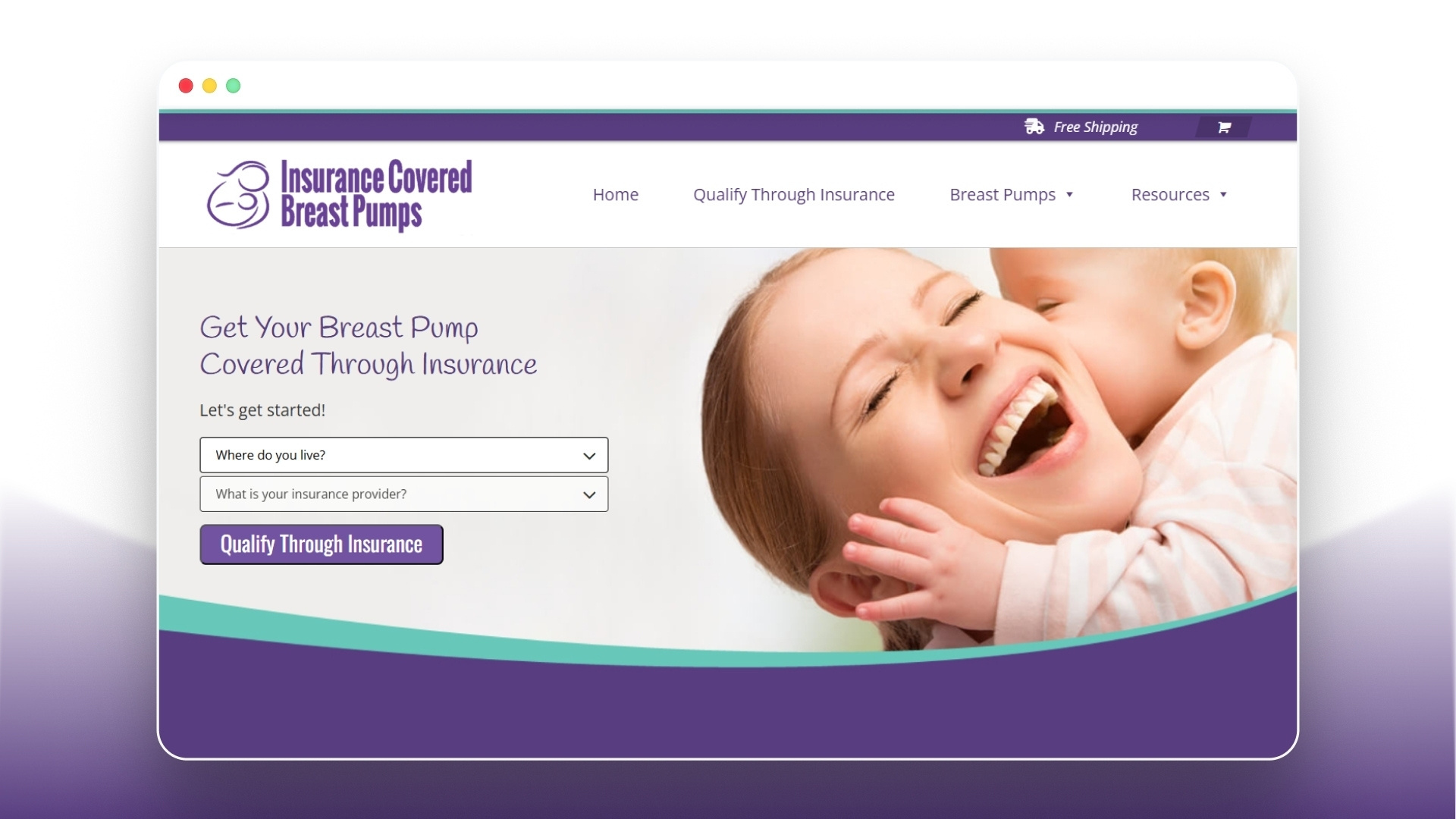
For many parents, pumping becomes an important part of the feeding routine, whether to support milk supply, return to work, or manage feeding challenges. Having the right equipment and professional support can make pumping more comfortable and effective.
Insurance Covered Breast Pumps (ICBP) helps simplify this process by assisting families in accessing breast pumps through their insurance plans. In addition to helping parents obtain quality pumping equipment, ICBP also connects families with lactation consultants who can provide guidance on breastfeeding and pumping.
ICBP supports families by:
- Verifying insurance eligibility for breast pumps and accessories
- Helping parents access trusted pump brands such as Spectra, Medela, Elvie, and Motif
- Coordinating with OB-GYN providers to obtain required prescriptions
- Providing access to lactation consultant support for breastfeeding and pumping guidance
- Delivering approved breast pumps directly to your home
Final Thoughts
Breastfeeding support doesn’t have to be something you search for only when things feel difficult. Lactation consultants are already an established part of postpartum care, and many families benefit from their guidance for everything from latch support to pumping routines and milk supply concerns. Knowing what they do makes it easier to reach out early and feel supported instead of stuck.
If pumping is part of your plan, having the right equipment and access to professional help can make the routine smoother. Check your eligibility with Insurance Covered Breast Pumps (ICBP) to explore insurance-approved pump options and connect with lactation consultant support, so you’re not managing feeding logistics alone.
FAQs
1. What does a lactation consultant do?
A lactation consultant helps parents with breastfeeding, pumping, milk supply concerns, latch issues, and feeding routines by offering guidance based on their baby’s and family’s needs.
2. When should I see a lactation consultant?
You can see a lactation consultant during pregnancy, soon after birth, or anytime feeding feels uncomfortable, confusing, or difficult to manage.
3. Can a lactation consultant help with pumping?
Yes. Lactation consultants often help with pump selection, flange sizing, pumping schedules, milk storage, and improving pumping comfort and output.
4. Do I need a lactation consultant if breastfeeding is going well?
Not always, but some parents still find it helpful to get support with positioning, returning to work, pumping, or building confidence early on.
5. Can lactation consultants help with low milk supply concerns?
Yes. They can assess feeding patterns, milk transfer, latch, and pumping routines to help identify what may be affecting supply.