












Cara Cups vs Freemie Cups: Wearable Breast Pump Comparison
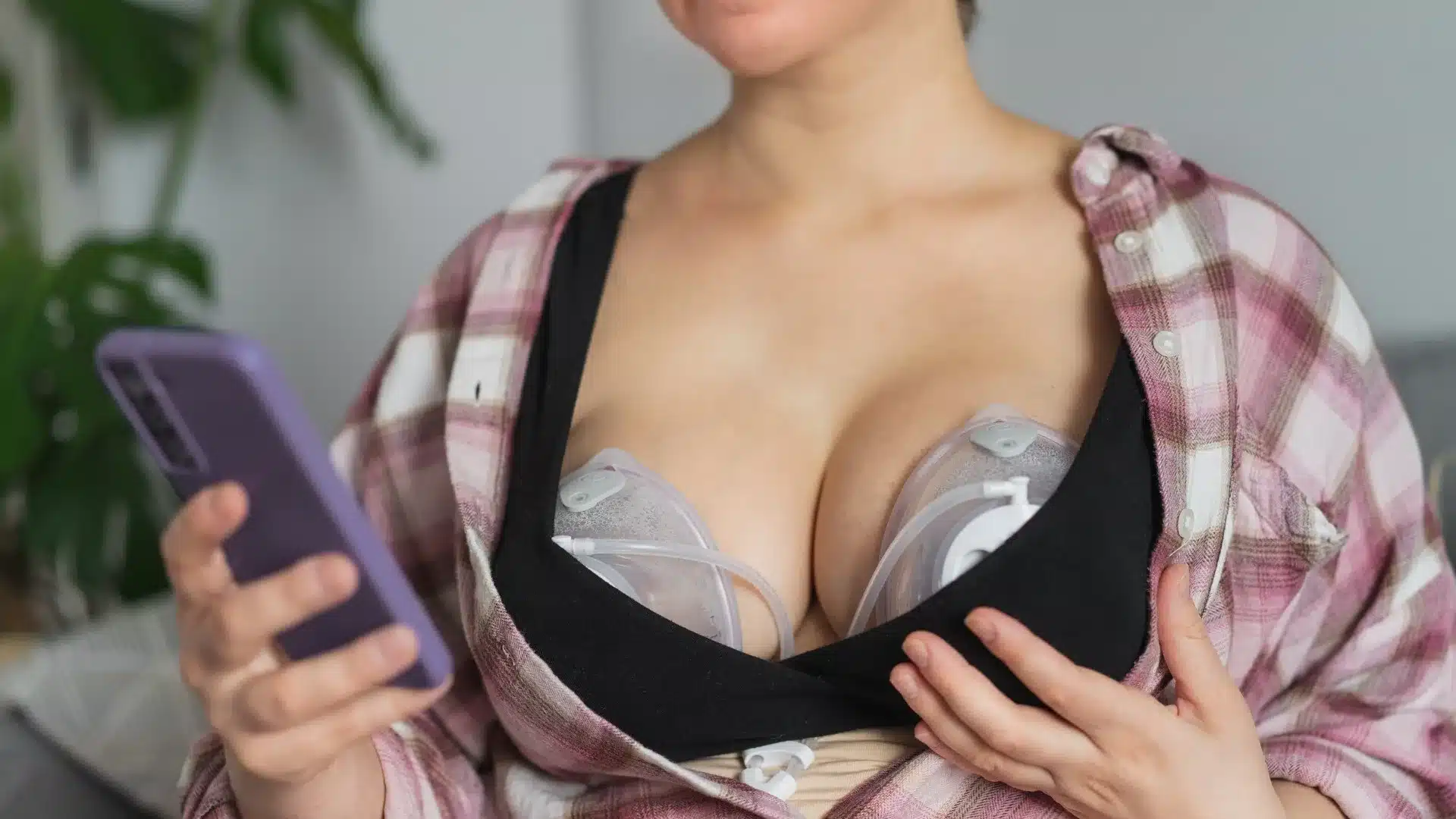
Wearable breast pump cups are meant to make pumping easier, not more confusing. If you’re deciding between Cara Cups vs Freemie Cups, you’re probably looking for a hands-free option that fits comfortably in your bra, works well with your pump, and doesn’t slow down milk flow.
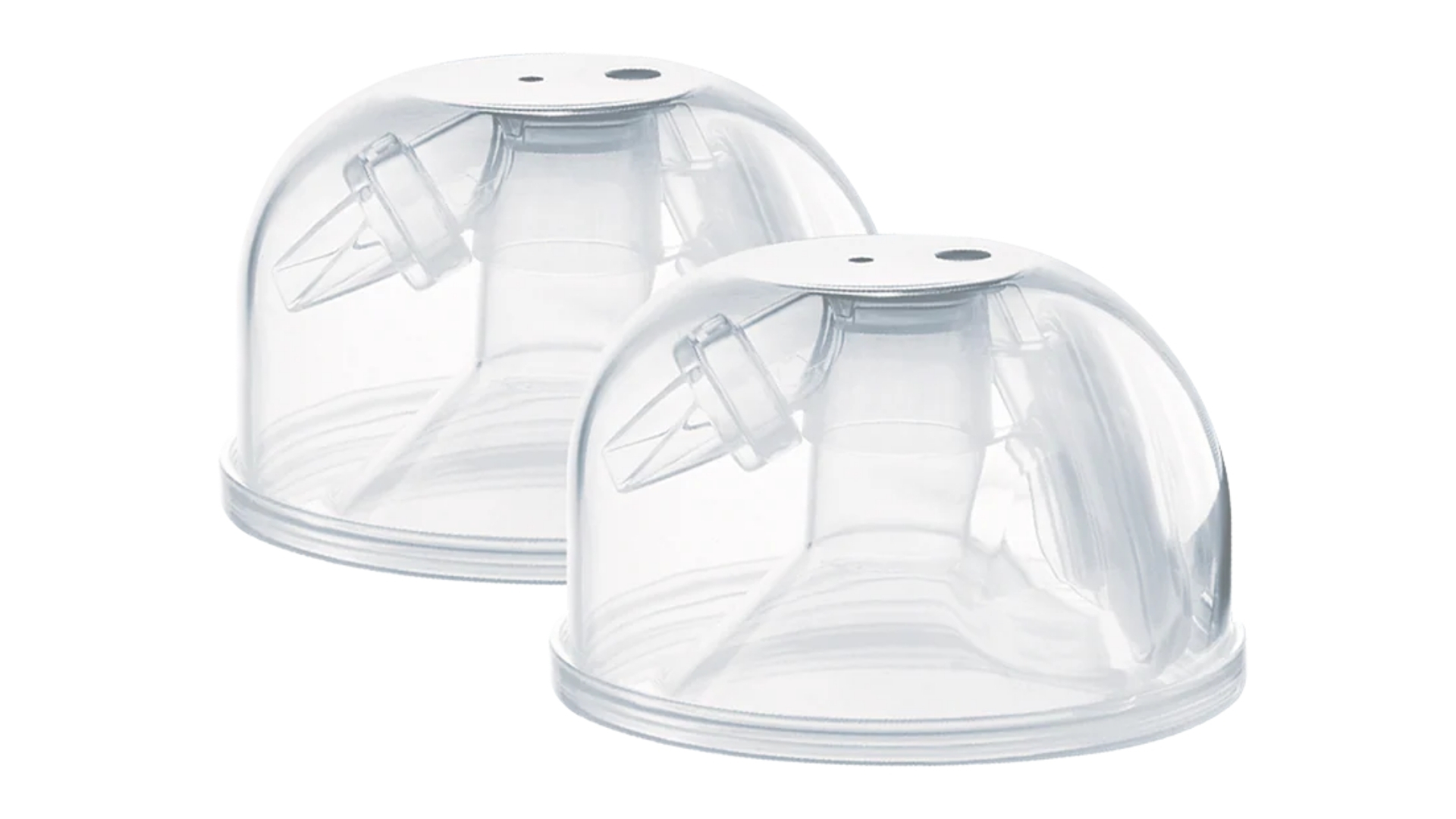
Both Cara Cups and Freemie Cups replace traditional flanges with in-bra collection cups, but they’re designed a little differently. One is made to pair seamlessly with specific pumps, while the other offers more flexibility and higher capacity.
Understanding how they differ can help you choose the option that fits your body, routine, and pumping goals.
At A Glance
- Cara Cups and Freemie Cups are both wearable, in-bra pump cups that let you pump hands-free.
- Cara Cups are slimmer, more discreet, and pair best with Spectra pumps, making them a good choice if you already use Spectra and want a simple setup.
- Freemie Cups offer higher milk capacity and work with multiple pump motors using adapters, which can be helpful for higher-output or frequent pumpers.
- Both are BPA-free, reusable, and often insurance-covered, depending on your plan.
- The best choice depends on what matters most to you: discretion and simplicity (Cara Cups) or flexibility and capacity (Freemie Cups).
What Cara Cups and Freemie Cups Have in Common
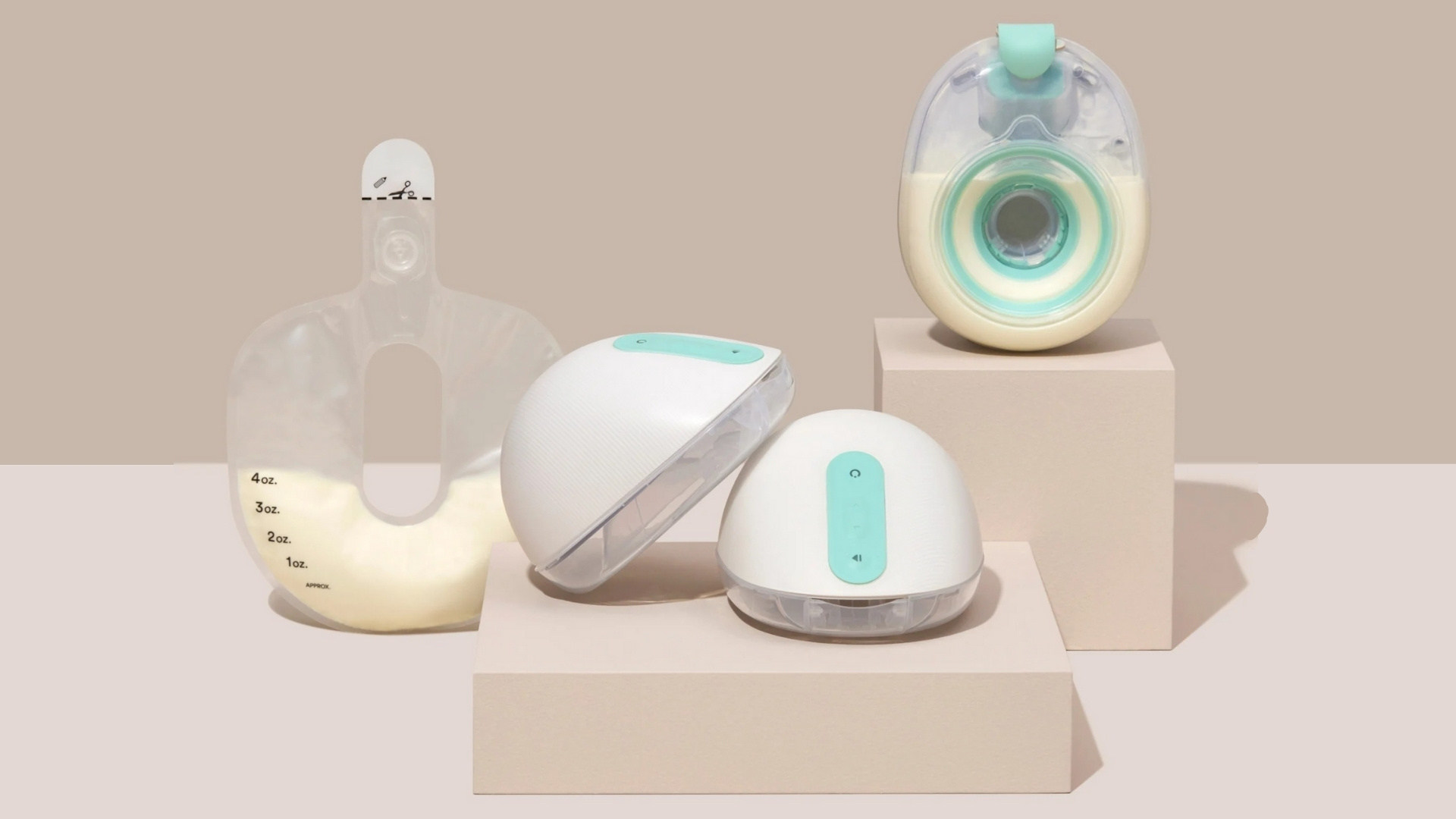
While Cara Cups and Freemie Cups differ in design details, they share the same core purpose: making pumping more flexible and less hands-on.
Here’s what they have in common:
- In-bra, hands-free design: Both cups sit inside your bra, eliminating the need to hold bottles while pumping
- Closed-system milk collection: Designed to protect milk from contamination when used with compatible pumps
- Milk-safe, BPA-free materials: All milk-contact parts are made with safety in mind
- Reusable components: Cups can be washed, sanitized, and reused like standard pump parts
- Discreet pumping support: Designed to be worn under clothing for more privacy
- Multitasking-friendly: Allow movement, light activity, or hands-free time during pumping sessions
These shared features make both Cara Cups and Freemie Cups appealing for parents who want more freedom without switching to a fully wearable motor.
Cara Cups vs Freemie Cups: Side-by-Side Overview
Cara Cups, known as Spectra Cups, and Freemie Cups are both wearable, in-bra collection cups designed to replace traditional flanges. The main difference comes down to compatibility and capacity. Cara Cups are streamlined for select pumps, while Freemie Cups offer more flexibility and higher volume options.
| Feature | Cara Cups | Freemie Cups |
| Design Profile | Slim, low-profile in-bra cups | In-bra cups with a more structured build |
| Pump Compatibility | Optimized for Spectra pumps | Works with multiple pump motors using adapters |
| Milk Capacity (per cup) | Moderate (around 5 oz) | Higher capacity (up to ~8 oz, model-dependent) |
| Discretion Under Clothing | Very subtle and lightweight | Slightly more visible due to cup size |
| Setup Experience | Straightforward with compatible pumps | More customizable but may take extra setup |
| Daily Cleaning | Fewer parts to wash | More pieces to clean after sessions |
| Ideal Use Case | Consistent pump users with Spectra systems | Pumpers who want flexibility or higher output |
| Insurance Coverage | Often covered with eligible Spectra pumps | Often covered, varies by plan and setup |
| Typical Price Range | $75 | $59- $99 |
This comparison helps highlight how each option supports different pumping styles, whether you prefer a simple, discreet setup or a more adaptable, high-capacity system.
Suggested read: Baby Buddha 2.0 vs Spectra S1: Choosing the Best Breast Pump
How to Choose the Right Wearable Cups for Your Routine
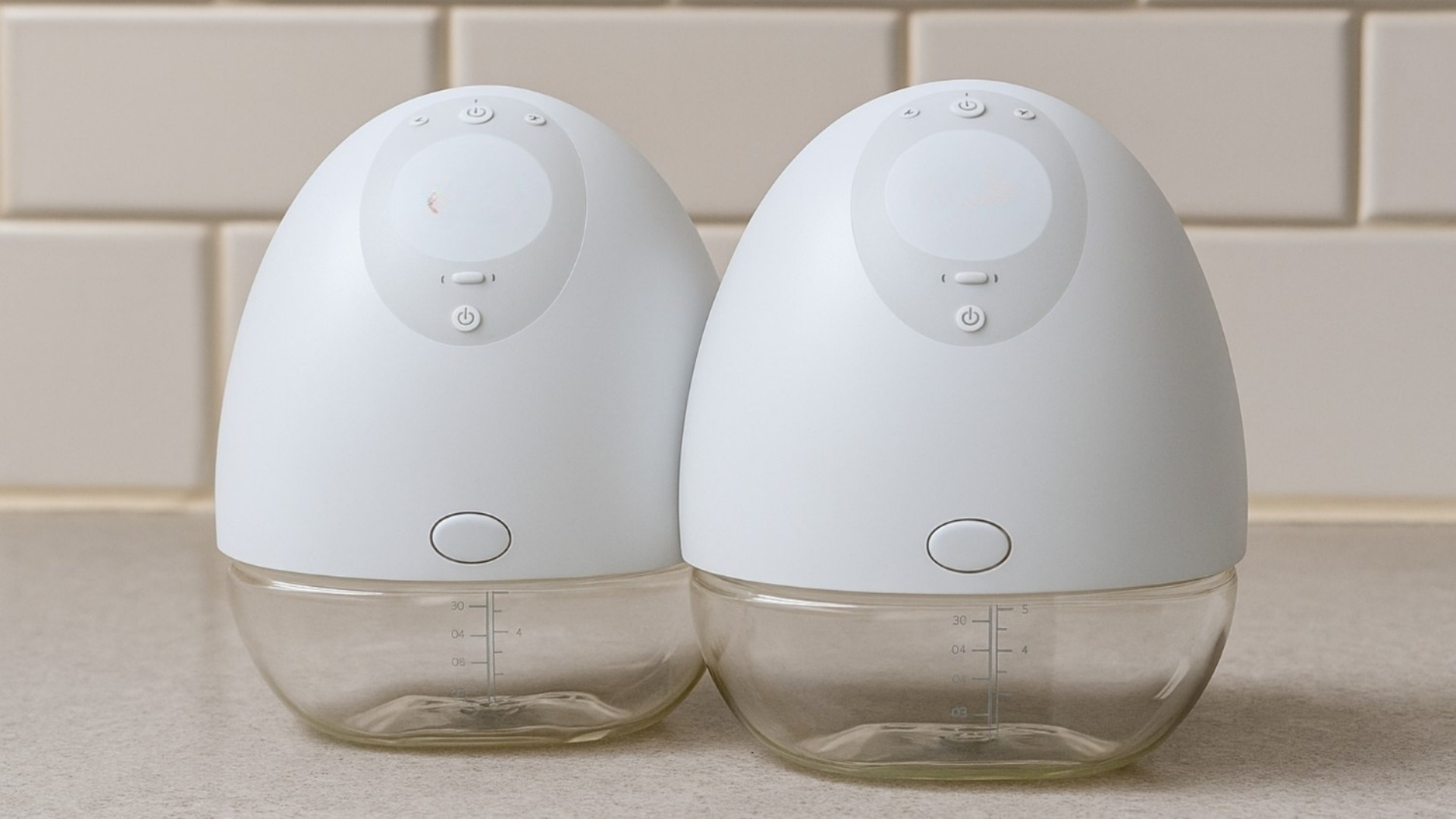
Picking between Cara Cups and Freemie Cups isn’t just about features on paper, it’s about how well they fit into your daily pumping habits. Think about what matters most to you so the cups you choose support your comfort and goals.
Here’s how to decide:
- Pump Brand Compatibility: If you already use a Spectra pump, Cara Cups may pair more easily with your setup. Freemie Cups work with a wider range of pumps using adapters.
- Milk Output Needs: If you tend to pump larger volumes, Freemie’s higher capacity cups may be helpful. If output is more moderate, Cara Cups’ size might be plenty.
- Discretion and Clothing Fit: Cara Cups’ slim profile may feel more hidden under tight shirts. Freemie Cups are slightly larger but still offer hands-free convenience.
- Setup & Cleanup: Simpler setup and fewer pieces can make daily use easier, especially if you pump multiple times a day.
- Lifestyle & Use Cases: Consider where you’ll pump most, at work, at home, or on the go, and choose a style that fits that scenario comfortably.
- Insurance and Cost: Coverage varies by plan. Checking what your insurance will cover before you buy can save you money and narrow your options.
Thinking through these points can help you choose wearable cups that feel right in your everyday life, not just in theory.
Some insurance plans include coverage for wearable pumping options. Insurance Covered Breast Pumps makes it easy to check what you qualify for.
Cleaning Tips for Cara Cups and Freemie Cups
Keeping wearable pump cups clean is essential for milk safety and consistent suction. Both Cara Cups and Freemie Cups have multiple parts that come into contact with breast milk, so a simple, regular routine can make a big difference.
Here are practical cleaning tips to follow:
- Wash after every use: Clean all parts that touch milk (cups, flanges, valves, membranes) using warm water and mild dish soap.
- Rinse thoroughly: Make sure no soap residue remains, as buildup can affect comfort and milk quality.
- Air dry completely: Place parts on a clean paper towel or drying rack and let them fully air dry. Avoid cloth towels that may carry bacteria.
- Sanitize regularly: Use boiling water, a steam sterilizer, or microwave steam bags once daily or several times a week, especially in the early months.
- Check valves and membranes often: These small parts wear out faster and can impact suction if stretched, cracked, or cloudy.
- Handle tubing carefully (if used): Tubing should not be washed unless milk enters it. If moisture appears, disconnect and run the pump to air-dry the tubing.
- Follow brand-specific instructions: Cara Cups and Freemie Cups may have slightly different care guidelines, so always check the manufacturer’s recommendations.
A consistent cleaning routine helps protect your milk, your baby, and the long-term performance of your wearable pump cups.
Also Read: Top Breastfeeding Essentials for New Moms: What to Buy and Why
What Other Moms Are Saying: Real Experiences With Wearable Pump Cups
Specs and feature lists are helpful, but hearing from other parents who’ve actually used wearable pump cups in daily life can offer a clearer picture of what to expect. Reviews often highlight how cups feel during longer sessions, how easy they are to position, and whether they truly support hands-free pumping in real-world situations.
Freemie Cups User Feedback
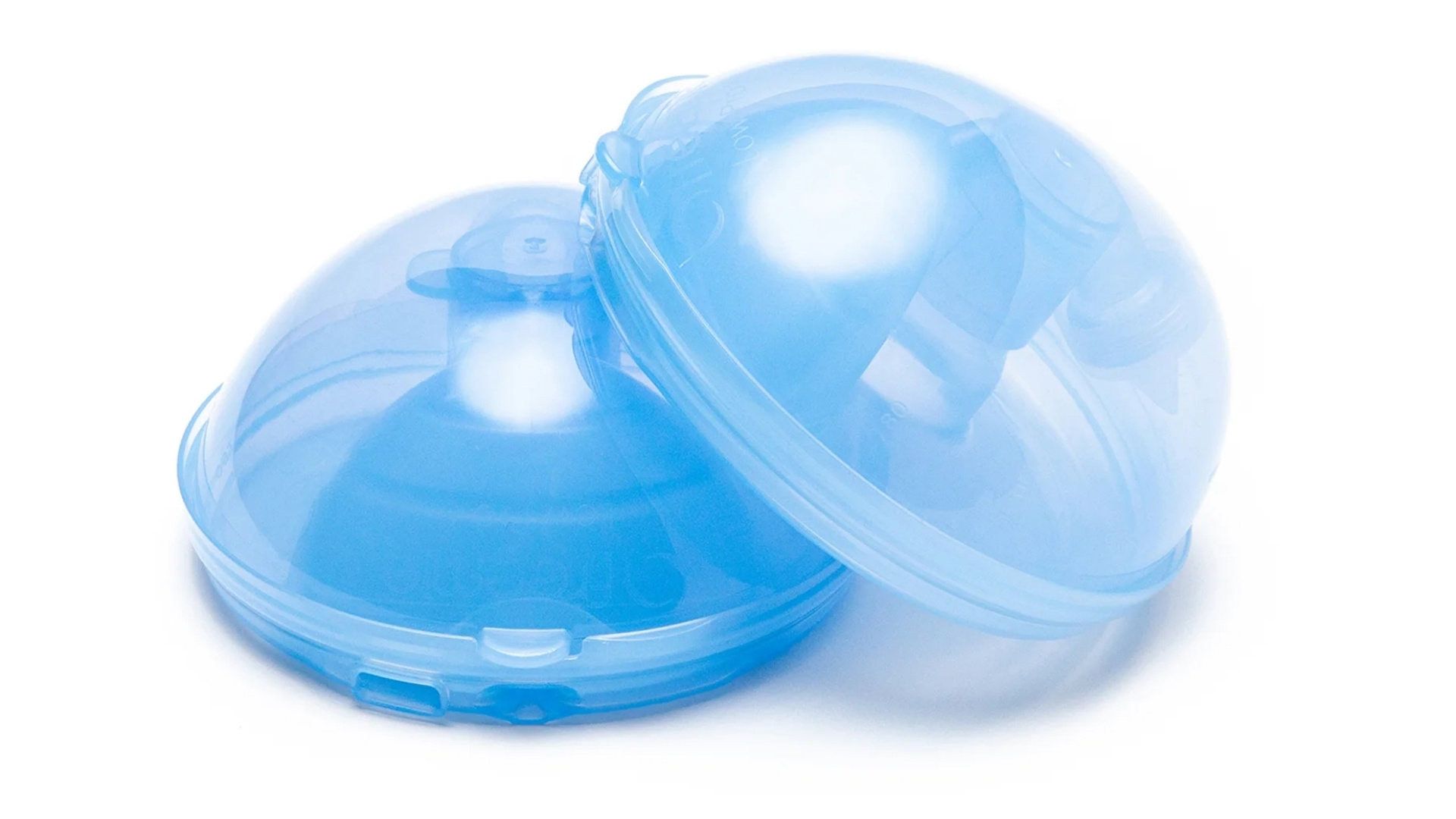
The freemie cups are a bit easier to clean and I also find that I can pour the milk out faster with less mess. I’m a size 19 flange so I use the fitme silicon inserts with the freemie cups.
Cara Cups User Feedback
This is the best option for all working and busy stay at home mom. It keeps your hands free and can still do your other stuff and feed the baby at the same time.
Insurance Covered Breast Pumps: Support That Lightens the Load
When you’re preparing for a baby, there’s already so much to think about. Figuring out insurance coverage, prescriptions, and pump options can feel like one more thing on an already full plate.
Insurance Covered Breast Pumps (ICBP) help make this part simpler. Instead of spending time on phone calls and paperwork, ICBP helps check your insurance coverage, works with your OB/GYN to get what’s needed, and sends approved breast pumps or hands-free options like Spectra and Freemie straight to your home.
It’s one small way to reduce stress, so you can focus more on your body, your baby, and feeling ready for feeding and postpartum life.
Final Thoughts
Choosing between Cara Cups and Freemie Cups isn’t about finding a “perfect” option; it’s about finding what works best for your body, your routine, and your day-to-day life. Both offer hands-free convenience, but the right choice depends on what you value most, whether that’s flexibility, capacity, comfort, or ease of use.
If wearable pumping is part of your plan, having the right setup in place can make a meaningful difference once your baby arrives.
To make things easier, you can check your insurance eligibility through Insurance Covered Breast Pumps and see which breast pumps or wearable cup options you may qualify for, without extra paperwork or stress.
Take a moment to check your coverage today and choose the pumping support that feels right for you.
FAQs
1. What is the main difference between Cara Cups and Freemie Cups?
Cara Cups are designed to pair seamlessly with Spectra pumps and are known for a lower-profile fit inside the bra. Freemie Cups offer more flexibility, as they can be used with multiple pump motors using adapters and typically hold more milk per session.
2. Are Cara Cups and Freemie Cups fully hands-free?
Yes. Both options are wearable, in-bra collection cups that allow hands-free pumping once properly positioned.
3. Which cups are better for higher milk output?
Freemie Cups generally have a larger milk capacity, which may be more convenient for parents who pump higher volumes and want fewer interruptions.
4. Are Cara Cups more discreet under clothing?
Many parents find Cara Cups feel slightly slimmer and less bulky under clothing, especially when worn with a supportive bra.
5. Do these cups work with all breast pumps?
Cara Cups are primarily designed for use with Spectra pumps. Freemie Cups can be paired with several pump motors using compatible adapters, offering more customization.
6. Are Cara Cups and Freemie Cups covered by insurance?
Coverage varies by insurance plan. Some plans cover wearable cups or classify them as upgrades. Checking eligibility ahead of time can help clarify what’s included.
7. Are wearable cups comfortable for long pumping sessions?
Comfort depends on proper fit, flange size, and positioning. Both options can be comfortable when fitted correctly, but individual experiences may vary.