












Freemie vs. Spectra Hands-Free Pump Comparison: Which One Fits Your Pumping Routine Better?
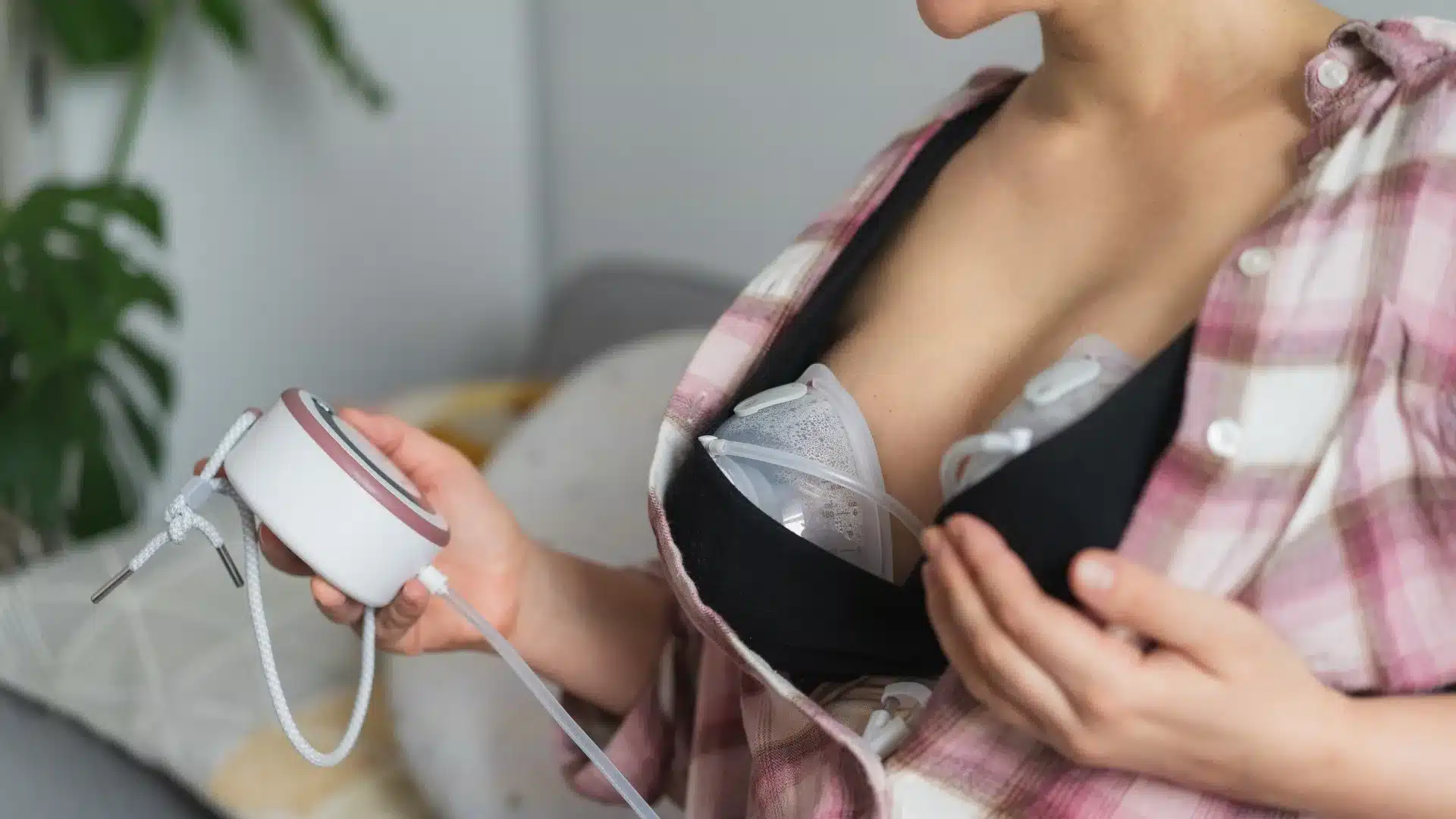
Somewhere between timing your pumping sessions, answering work messages, and trying to enjoy a quiet moment with your baby, the idea of “hands-free pumping” starts to sound less like a luxury and more like a necessity.
If you’ve been looking at Freemie cups and Spectra hands-free cups, you might be wondering which one will actually stay in place, feel comfortable in your bra, and still give you the output you need. It’s frustrating when product descriptions all promise convenience, but real-life pumping is rarely that simple.
This Spectra hands-free cup vs Freemie comparison breaks down the real differences, fit, comfort, milk capacity, portability, and insurance coverage, so you can choose a setup that genuinely supports your routine instead of adding more stress to it.
At A Glance
- Freemie cups are more discreet and sit flatter in the bra, making them a strong choice for work or public pumping.
- Spectra hands-free cups feel more familiar if you already use a Spectra pump and prefer that suction style.
- Milk capacity differs: Freemie holds more per cup (~8 oz) compared to Spectra (~5 oz).
- Both options support hands-free pumping, giving you more flexibility in your daily routine.
- Comfort and fit matter most—the best choice depends on how each cup feels on your body.
- Insurance coverage varies, so checking eligibility early can help you avoid unexpected costs.
- ICBP simplifies the process by verifying coverage, handling prescriptions, and managing paperwork for you.
What Freemie and Spectra Hands-Free Cups Have in Common
Even though Freemie and Spectra hands-free cups feel different in daily use, they’re built with the same core goal: helping you pump with more freedom, comfort, and confidence than traditional flange-and-bottle setups.
Here’s what both options provide:
Shared Features
- Discreet, In-Bra Design: Both systems are made to fit inside your bra, allowing you to move around without holding bottles.
- Milk-Safe Materials: They use BPA-free plastics and are safe for collecting and storing breast milk.
- Hands-Free Convenience: Once properly positioned, you can continue light tasks, care for your baby, or simply sit more comfortably.
- Compatibility with Pump Motors: Both options work with quality pump motors (Spectra cups pair best with Spectra pumps, while Freemie cups can connect to several brands), giving you flexibility in how you pump.
- Easy to Wash & Maintain: The parts that touch your milk can be washed and sanitized like standard pump pieces to help keep things hygienic.
This keeps it clear, concise, and truly helpful for someone weighing the basics before diving into the differences.
Also Read: Breastfeeding and Pumping Schedule for New Moms
Differences of Freemie and Spectra Hands-Free Pumps at a Glance

Here’s how Freemie and Spectra hands-free cups compare, so you can quickly see which option best supports your comfort, routine, and daily pumping needs:
| Feature | Freemie Hands-Free Pumps | Spectra Hands-Free Pumps |
| Design & Discretion | Slim, low-profile design that sits flatter in the bra for better discretion under clothing | Rounded, structured cups that may feel slightly more noticeable under fitted clothing |
| Comfort Feel | Often feels lighter with less pressure against the breast | Feels more like traditional Spectra flanges, familiar to longtime Spectra users |
| Milk Capacity | Holds up to ~8 oz per cup, helpful for longer sessions or higher output | Holds up to ~5 oz per cup, better for shorter or moderate-output sessions |
| Compatibility | Compatible with several pump motors using appropriate adapters | Designed specifically to work best with Spectra pumps |
| Ease of Use | Can take a bit of practice to align properly due to flatter design | More intuitive if you’ve used standard Spectra flanges before |
| Cleaning & Parts | A few more components to manage but still simple with routine | Fewer pieces and easier transition from standard Spectra parts |
| Best For | Moms who prioritize discretion, higher capacity, and flexibility | Moms who want familiar Spectra suction and simple daily use |
| Price | Around: $150–$180 | Around: $130–$160 |
Many moms qualify for free breast pumps through insurance. Platforms like Insurance Covered Breast Pumps can help you check your options with zero hassle.
How to Choose the Right Hands-Free Breast Pump for You
There’s no single “best” choice, only the one that fits your routine, comfort, and environment. Thinking through a few practical details can make the decision feel much clearer.
Consider these key points:
- Comfort & Fit: Choose a cup style that feels natural and sits comfortably in your bra.
- Daily Routine: Pumping mostly at home may allow more flexibility than pumping at work or on the go.
- Milk Capacity Needs: Higher-capacity cups can be helpful if you express larger volumes.
- Pump Compatibility: Spectra cups pair best with Spectra pumps. Freemie cups offer more flexibility with motors.
- Insurance Coverage: Coverage varies. Checking your eligibility early can prevent surprise costs.
- Ease of Use: Fewer parts and easier assembly can make busy days feel more manageable.
- Discretion Level: Slimmer designs may feel more comfortable in shared spaces.
Thinking through these points will help you choose a setup that feels comfortable, fits your lifestyle, and supports your breastfeeding goals without adding extra burden to your day.
Also Read: Top Breastfeeding Essentials for New Moms: What to Buy and Why
7 Tips for Cleaning Your Freemie vs. Spectra Hands-Free Pump Parts
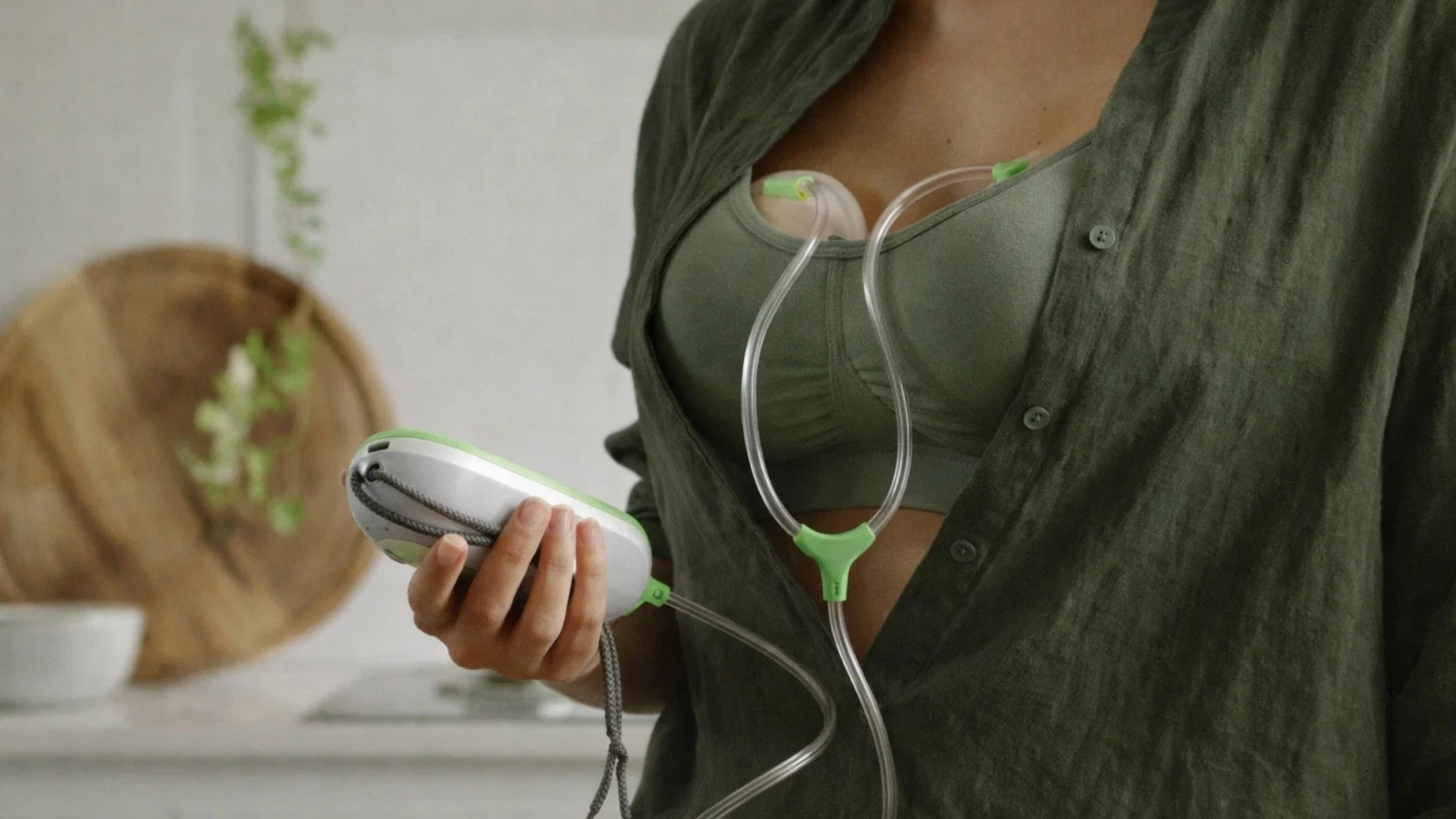
When you’re already managing feeding schedules, naps, and everything in between, cleaning pump parts can feel like just one more task on an endless list. But keeping your Freemie or Spectra hands-free cups clean is one of the simplest ways to protect your milk, your baby, and your pump’s performance.
Here are easy, skimmable tips to follow:
- Wash after every use: Clean all parts that touch milk using warm water and mild dish soap.
- Rinse thoroughly: Soap residue can affect taste and comfort, so make sure everything is fully rinsed.
- Air dry completely: Place parts on a clean towel or drying rack to prevent moisture buildup.
- Sanitize once daily (or at least regularly): Use boiling water, a steam sterilizer, or microwave steam bags for deeper cleaning.
- Check small parts often: Valves, membranes, and connectors can trap milk residue and need extra attention.
- Replace worn components: If parts start to look stretched, cloudy, or warped, it may be time to replace them to maintain good suction.
- Keep a backup set if possible: Having extra parts can make busy days feel much less stressful.
A simple cleaning routine helps your hands-free system stay safe, effective, and reliable, so you can focus more on your baby and less on troubleshooting your pump.
Suggested read: Electric Breast Pump Guide: Safe, Comfortable Pumping Made Simple
What Other Moms Are Saying: Real Feedback That Builds Trust
Freemie Reviews
“I pump w my freemie in the teachers lounge during lunch and no one has every said anything. It’s pretty discreet for a pump.” – Chelsea M.
“I have the independence and it’s VERY quiet compared to my Spectra” – Megan C.
Spectra Hands-Free Cup Feedback
I did find though that the pump itself was more intense (in its draw) than the handheld spectra pump that I have & I didn’t seem to express as much milk as when I used the handheld pump. Not sure if that’s a supply issue or a pump issue though.
Insurance Covered Breast Pumps: Your Partner in Pumping Support
Sorting out insurance benefits and prescriptions can feel stressful, especially when you already have so much on your mind while preparing for your baby.
Insurance Covered Breast Pumps (ICBP) makes it simple by handling the process for you.
We help you with:
- Verify your insurance coverage for pumps and hands-free options like Spectra and Freemie
- Coordinate with your OB/GYN for the required prescription
- Deliver approved products directly to your door
Our goal is to help you start pumping with confidence, the right equipment, and less stress.
Conclusion
Choosing between Freemie and Spectra hands-free cups depends on what fits your routine best. Freemie offers greater discretion and capacity, while Spectra feels more familiar to longtime Spectra users. Both are designed to support easier, hands-free pumping.
Insurance Covered Breast Pumps helps you see which options are covered under your plan and handles the insurance process for you. Check your insurance eligibility today to find out what’s available for you.
FAQs
Can Freemie or Spectra hands-free cups be covered by insurance?
Many insurance plans cover standard breast pumps fully, and some plans also cover hands-free cups or offer them as an upgrade. Coverage depends on your specific plan, which is why it’s helpful to verify your benefits first.
Which option is more discreet under clothing?
Freemie cups are generally slimmer and flatter, so they often feel more discreet under fitted tops. Spectra cups may be slightly more visible but feel more familiar for Spectra users.
Will hands-free cups affect my milk output?
For many moms, output stays similar when the cups fit well and are positioned correctly. Fit, comfort, and suction response all play an important role.
Are Freemie and Spectra cups easy to clean?
Yes. Both require regular washing with warm, soapy water and routine sanitizing. Keeping parts clean also helps maintain good suction.
Can I use these cups with any breast pump?
Spectra hands-free cups work best with Spectra pumps. Freemie cups are compatible with multiple pump motors when used with the correct adapters.
How do I get started with insurance coverage?
You can work with a trusted DME provider like Insurance Covered Breast Pumps. They verify your coverage, coordinate with your OB/GYN for prescriptions, and handle the paperwork for you.