









How to Choose the Best Breast Pump for Exclusive Pumping
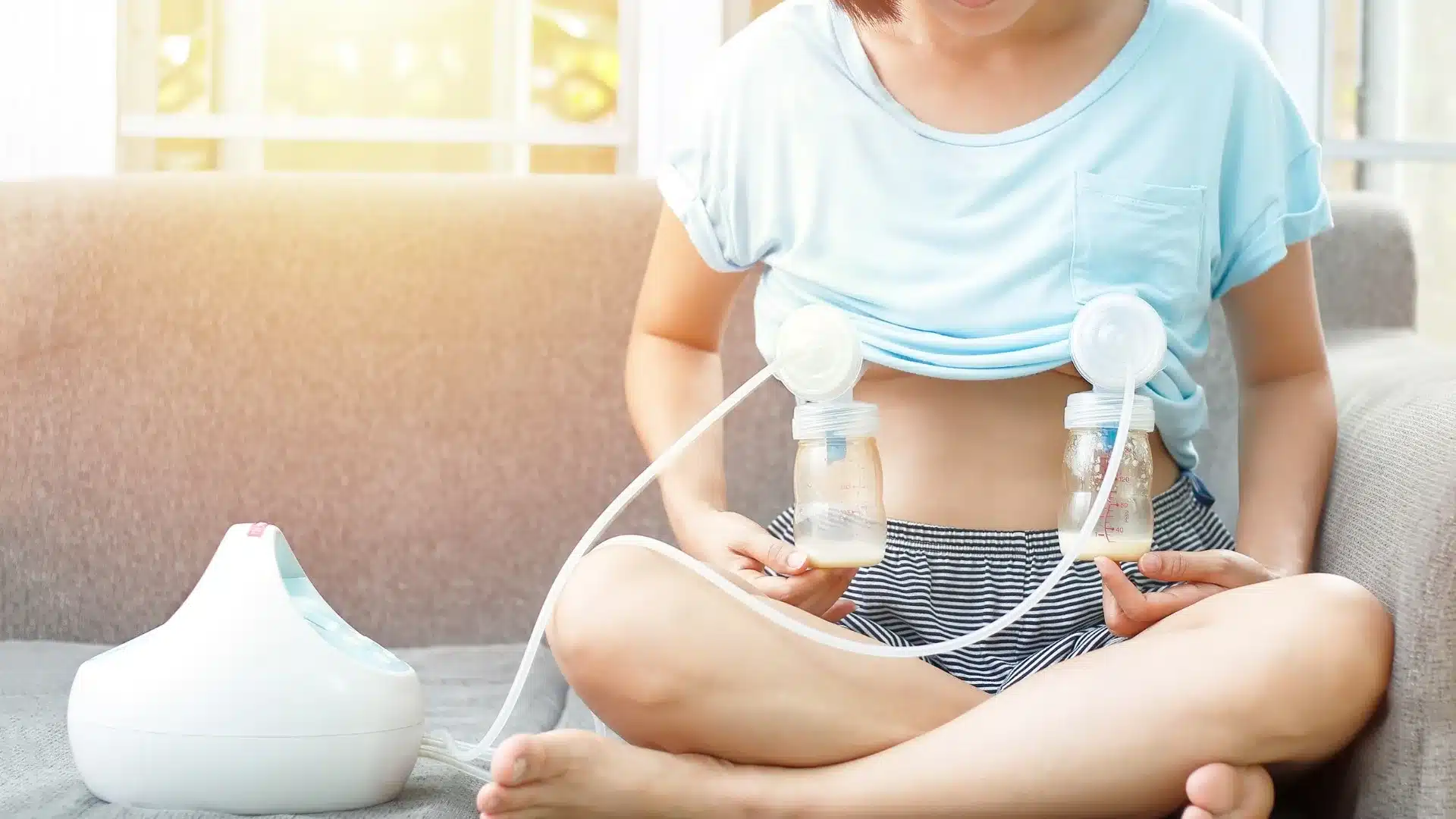
Feeding your newborn can feel demanding, especially when you’re healing, running on little sleep, and trying to find a routine that works for both you and your baby.
If pumping is part of your feeding plan, you already know how much time and consistency it requires. During the early postpartum weeks, even small issues with fit, comfort, or output can quickly become frustrating. It’s common to question whether your current pump is truly supporting your needs or making daily feeding feel harder than it has to be.
CDC (Centers for Disease Control and Prevention) data shows that a majority of babies in the U.S. receive breast milk during the first six months, either exclusively or alongside other feeding methods. This reflects how many families rely on pumping as part of their routine in the early months.
This guide explains what exclusive pumping involves, what to look for in a breast pump when pumping is your primary feeding method, and how to choose an option that fits your body, daily schedule, and long-term feeding goals.
At a Glance
- The best breast pump for exclusive pumping supports frequent daily use, reliable milk removal, and long-term comfort, not just advanced features or brand names.
- Exclusive pumping is a valid and flexible feeding choice, often shaped by recovery, work needs, or personal comfort, and it can change over time.
- Efficiency and durability matter most for exclusive pumping, since pumping replaces nursing and becomes part of everyday life.
- Comfort focused design helps reduce physical and mental fatigue, making it easier to stay consistent during postpartum recovery.
- Most U.S. health insurance plans cover a breast pump, which can significantly reduce cost and make choosing the right pump less stressful.
What Does Exclusive Pumping Mean?

Exclusive pumping means feeding your baby breast milk without nursing directly at the breast. Instead, milk is expressed using a breast pump and given through a bottle or another feeding method.
This approach is different from direct breastfeeding, where milk transfer happens during nursing, and from occasional pumping, which is typically used only for work hours, backup feeds, or convenience.
With exclusive pumping, pumping fully replaces nursing. This usually involves pumping on a regular schedule that closely matches your baby’s feeding needs in order to maintain milk supply over time. Because milk removal depends entirely on the pump, consistency becomes an important part of the routine.
Parents choose exclusive pumping for many reasons, including latch challenges, medical recovery, returning to work, mental or emotional well-being, or personal comfort. Some families rely on exclusive pumping temporarily, while others continue for several months or longer. Feeding choices can also shift as circumstances change, and that flexibility is normal.
Understanding what exclusive pumping involves helps set realistic expectations. Since pumping becomes the primary way milk is expressed, choosing a breast pump designed to handle frequent use plays a central role in how manageable exclusive pumping feels day to day.
Is Exclusive Pumping Right for You?
Exclusive pumping is not a one-size-fits-all decision. For some parents, it feels like the most realistic way to provide breast milk. For others, it becomes the right choice during a specific season of recovery, work, or adjustment. What matters most is whether it supports your well-being and your baby’s needs.
You might find exclusive pumping works for you if:
- Direct breastfeeding feels physically or emotionally difficult: Latch issues, pain, or medical recovery can make nursing stressful rather than supportive.
- You need more control over feeding schedules: Pumping allows others to help with feeds and can make work or appointments easier to manage.
- Your baby feeds better from a bottle: Some babies struggle at the breast but do well with expressed milk.
- Your mental health benefits from predictability: For some parents, knowing when and how feeding happens can reduce anxiety.
At the same time, it is important to be honest about the demands. Exclusive pumping requires frequent sessions, cleaning pump parts, and planning around your schedule. It can feel tiring, especially in the early weeks when sleep is limited.
What often helps is remembering this: Choosing exclusive pumping does not lock you into a permanent decision. Feeding choices can evolve as your baby grows and as your needs change. Many parents adjust their approach over time, and that flexibility is normal.
If you are considering exclusive pumping and want to know what options your insurance covers, you can check your eligibility anytime.
What to Look for in the Best Breast Pump for Exclusive Pumping
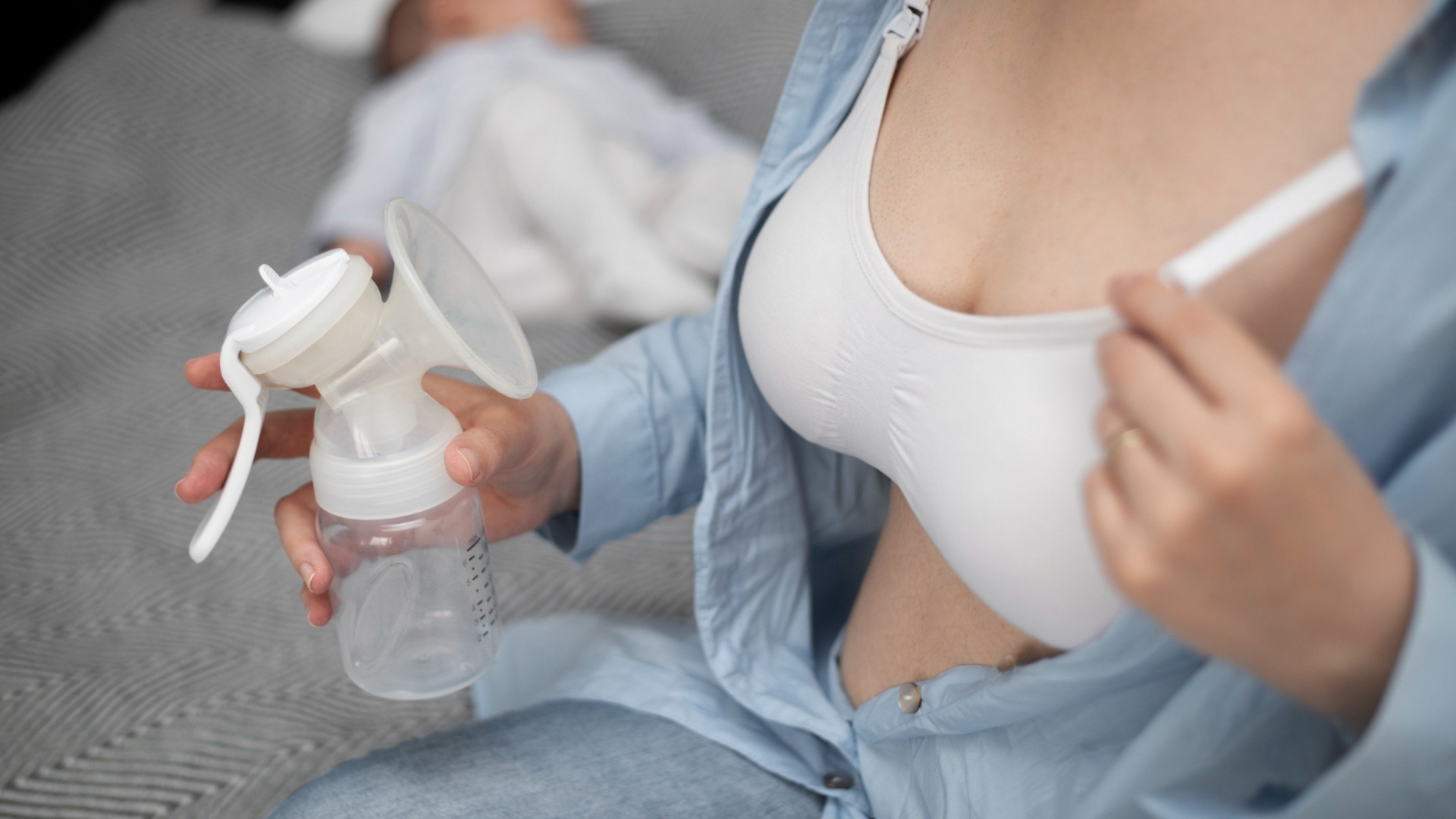
When you are exclusively pumping, your breast pump is not an occasional tool. It becomes part of your daily routine, often used multiple times a day for months. Because of that, the most important factors are reliability, comfort, and how well the pump supports frequent use over time.
Rather than focusing on brand names or advanced features, it helps to evaluate how a pump will function in real life.
Consistent suction and effective milk removal
Exclusive pumping relies on regular, thorough milk removal to support supply. A pump should deliver steady suction across repeated sessions without weakening over time. Double pumping capability is especially helpful, as it reduces total session time and makes the routine easier to sustain.
Built for frequent, long-term use
Some pumps are designed for occasional pumping and may struggle under daily use. A pump suited for exclusive pumping should be durable enough to handle repeated sessions and maintain performance over weeks or months. Easy access to replacement parts also matters, since valves and membranes wear out faster with frequent use.
Comfort that supports repeated sessions
Even mild discomfort can become difficult when pumping several times a day. Pumps that allow adjustable suction levels and support proper flange fit help reduce physical strain. Comfort is not a bonus feature. It directly affects how realistic it feels to stay consistent.
Simple cleaning and maintenance
Frequent pumping also means frequent cleaning. Pumps with fewer parts and straightforward assembly make daily upkeep less tiring. When cleaning feels manageable, it is easier to stay on schedule without added stress.
Flexibility for daily life
Exclusive pumping does not always happen in ideal conditions. Battery-powered options, manageable noise levels, and compatibility with hands-free pumping bras can make a pump easier to use during busy or low-energy moments.
The best breast pump for exclusive pumping is one that fits into your routine without adding friction. When a pump supports efficiency, comfort, and durability together, it removes unnecessary obstacles and helps make exclusive pumping more sustainable.
Also read: Best Nipple Care Creams for Breastfeeding Moms
What Type of Breast Pump Is Best for Exclusive Pumping
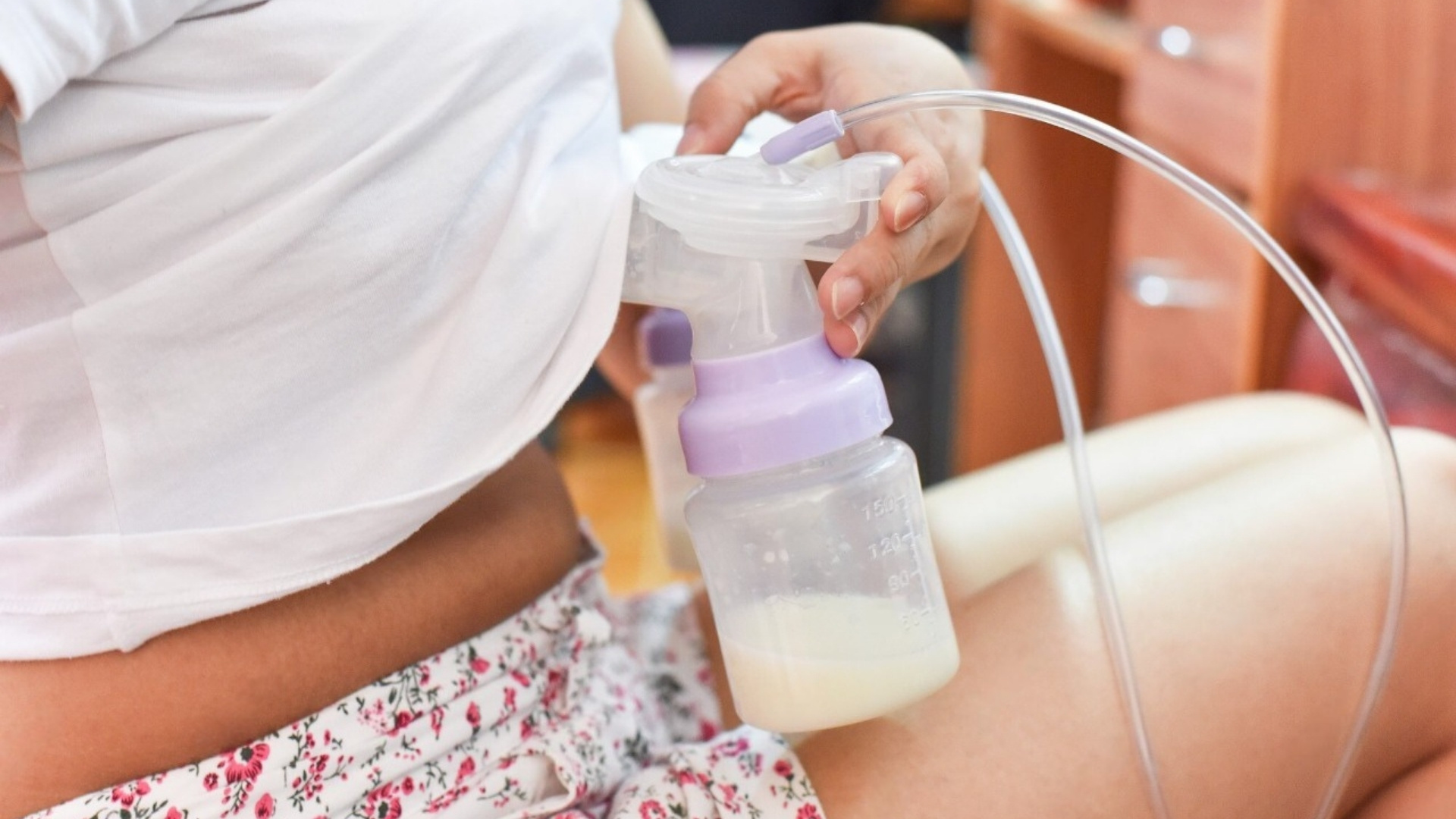
Not all breast pumps are designed to handle the demands of exclusive pumping. Understanding the main pump types helps you choose an option that can realistically support frequent use without adding unnecessary strain.
Hospital-grade breast pumps
Hospital-grade pumps are built for frequent, long-term pumping and strong, consistent milk removal. They are often recommended in the early weeks or when milk supply needs extra support. These pumps are reliable and powerful, but they are usually larger and less portable. Some parents use them temporarily before transitioning to a personal pump.
Double electric breast pumps
Double electric pumps are the most common choice for exclusive pumping at home. They allow both breasts to be pumped at the same time, which helps save time and supports consistent milk removal. Many models are designed for daily use and offer a balance between efficiency, comfort, and portability. For many exclusive pumpers, this becomes the primary everyday option.
Wearable breast pumps
Wearable pumps fit inside a bra and allow hands-free pumping. They can be helpful for flexibility, especially when caring for other children or returning to work. However, some wearable pumps may not provide the same suction strength as traditional pumps. Many parents use them as a secondary option rather than their main pump.
Manual breast pumps
Manual pumps are hand-operated and generally not suited for exclusive pumping as a primary tool. They can be useful as backups, for occasional relief, or during travel, but relying on one alone for exclusive pumping can be physically tiring and time-consuming.
The best pump type for exclusive pumping depends on how often you pump, where you pump, and how much support you need from your equipment. Many parents find that starting with a reliable double electric or hospital-grade pump provides the most consistency, then adding other options as needed.
Suggested read: Best Breast Pump Bags for Spectra S1 and S2
Why the Right Breast Pump Matters for Exclusive Pumping
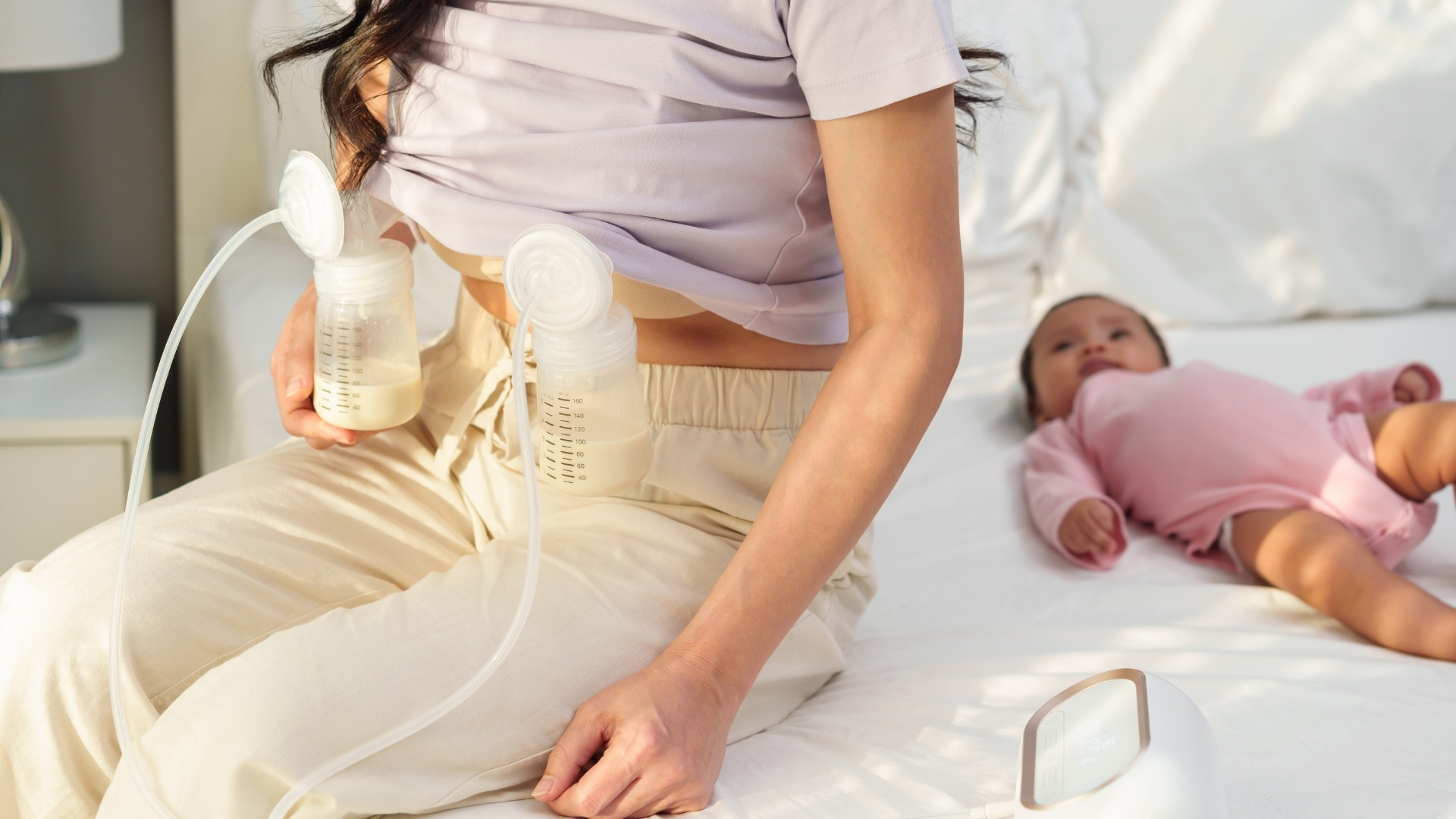
Exclusive pumping is not just about expressing milk. It is about repeating the same process multiple times a day, every day, often while recovering postpartum and managing an unpredictable schedule. Over time, the breast pump you use can either support that rhythm or quietly make it harder to maintain.
This is why the right breast pump matters for exclusive pumping.
Time and energy management
Pumping sessions can quickly take over large parts of the day. When sessions run long, require constant adjustments, or involve troubleshooting, the time commitment can feel overwhelming. A pump that supports double pumping, steady suction, and efficient milk removal helps shorten sessions and reduce how much mental space pumping occupies.
Physical comfort over repeated use
Pumping several times a day places repeated stress on the body. Even small discomforts can build into soreness or frustration over time. Pumps that offer adjustable suction, smooth cycling, and proper flange compatibility help reduce physical strain and make consistency more realistic.
Confidence in milk removal
When pumping replaces nursing, it is common to worry about milk supply. Inconsistent suction or unreliable performance can add unnecessary anxiety. A pump that empties the breasts effectively and performs consistently across multiple daily sessions supports regular milk removal and reduces guesswork.
Mental and emotional sustainability
Exclusive pumping can feel isolating when feeding becomes centered around equipment, timing, and cleanup. Pumps that clean easily, work reliably, and fit smoothly into daily routines remove small but constant stressors. Over time, this reduction in friction can make exclusive pumping feel more manageable and less emotionally draining.
Bringing it together
The right breast pump does not remove every challenge of exclusive pumping, but it can remove many unnecessary ones. By choosing a pump designed for frequent use, comfort, and reliability, you protect your time, your energy, and your ability to stay consistent during postpartum recovery.
Choosing a pump that fits your needs and is covered by insurance can remove one of these challenges. Check out Breast Pump Types!
Tips for Making Exclusive Pumping More Manageable
Exclusive pumping is not only about the breast pump you choose. It is also about how your daily routine is set up and how supported you feel while pumping. Small, practical adjustments can make a noticeable difference over time, especially during the early weeks when energy is limited.
- Create a simple pumping setup: Having one consistent place to pump can reduce mental load. Keep essentials like pump parts, bottles, water, snacks, and a phone charger within reach so each session feels easier to start.
- Build a flexible rhythm instead of a rigid schedule: Rather than following the clock strictly, many parents find it more sustainable to follow a general pumping rhythm. Some days will be predictable, others will not. Allowing flexibility during growth spurts, illness, or poor sleep helps prevent burnout.
- Reduce small decision fatigue: Exclusive pumping involves many repeated tasks. Simplifying small choices can help preserve energy. This might mean rotating a few reliable pumping outfits, keeping pump parts organized in one place, or saving preferred pump settings.
- Accept practical help when available: Support does not always need to be advice. Help with washing pump parts, bottle prep, feeding, or household tasks can significantly reduce daily stress. Exclusive pumping does not have to be done alone.
- Pay attention to comfort and sustainability: Output can fluctuate for many reasons and does not always reflect effort. If pumping feels consistently painful, exhausting, or overwhelming, that is important feedback from your body and routine.
Exclusive pumping is a commitment. Making small changes to your environment and expectations can help it feel more manageable day by day.
Getting help early can prevent small issues from turning into reasons to stop before you are ready. Support exists to help you continue in a way that feels healthier for you.
When to Reach Out for Professional Support

Exclusive pumping can feel isolating, especially when challenges build quietly over time. Reaching out for support is not a sign that you are failing or doing something wrong. It is often a way to protect your health, your feeding goals, and your emotional well being.
You may want to consider professional support if:
- Pumping is consistently painful or uncomfortable: Ongoing nipple pain, swelling, or discomfort may point to flange fit issues, suction settings, or pump setup that can be adjusted.
- You are worried about maintaining milk supply: Sudden drops in output or constant anxiety around supply can feel overwhelming. A lactation consultant can help assess what is happening and suggest realistic, evidence-based adjustments.
- Your routine feels unsustainable: If pumping schedules feel impossible to maintain or burnout is setting in, guidance can help you find a rhythm that fits your life more realistically.
- You feel emotionally drained or discouraged: Feeding choices carry emotional weight. Talking to someone who understands exclusive pumping can help you feel less alone and more supported.
Lactation consultants, postpartum care providers, and breastfeeding support professionals are trained to support pumping parents, not only those who nurse directly. Many can help with pump setup, comfort concerns, routine adjustments, and reassurance.
Getting support early can prevent small issues from turning into reasons to stop before you are ready. Support exists to help you continue in a way that feels healthier and more sustainable for you.
How to Get a Breast Pump Through Insurance
If you are planning to exclusively pump, knowing that your breast pump may be covered by insurance can remove a major source of stress. Instead of worrying about cost or paperwork, insurance coverage allows you to focus on choosing a pump that supports your daily routine.
In the United States, most health insurance plans are required to cover a breast pump as part of preventive maternity care. This applies whether you plan to nurse directly, pump occasionally, or rely fully on exclusive pumping.
Coverage typically includes one breast pump per pregnancy, often a personal-use double electric pump. Many plans also cover replacement supplies such as valves, membranes, tubing, or milk storage bags over time, which is especially helpful for exclusive pumping routines. Some plans allow upgrades for certain pump models with a partial out-of-pocket cost.
The process is usually straightforward. Most parents confirm eligibility, provide a prescription if required, select a covered pump, and receive it at home. Approved suppliers often handle insurance verification and paperwork, which helps reduce logistical effort during postpartum recovery.
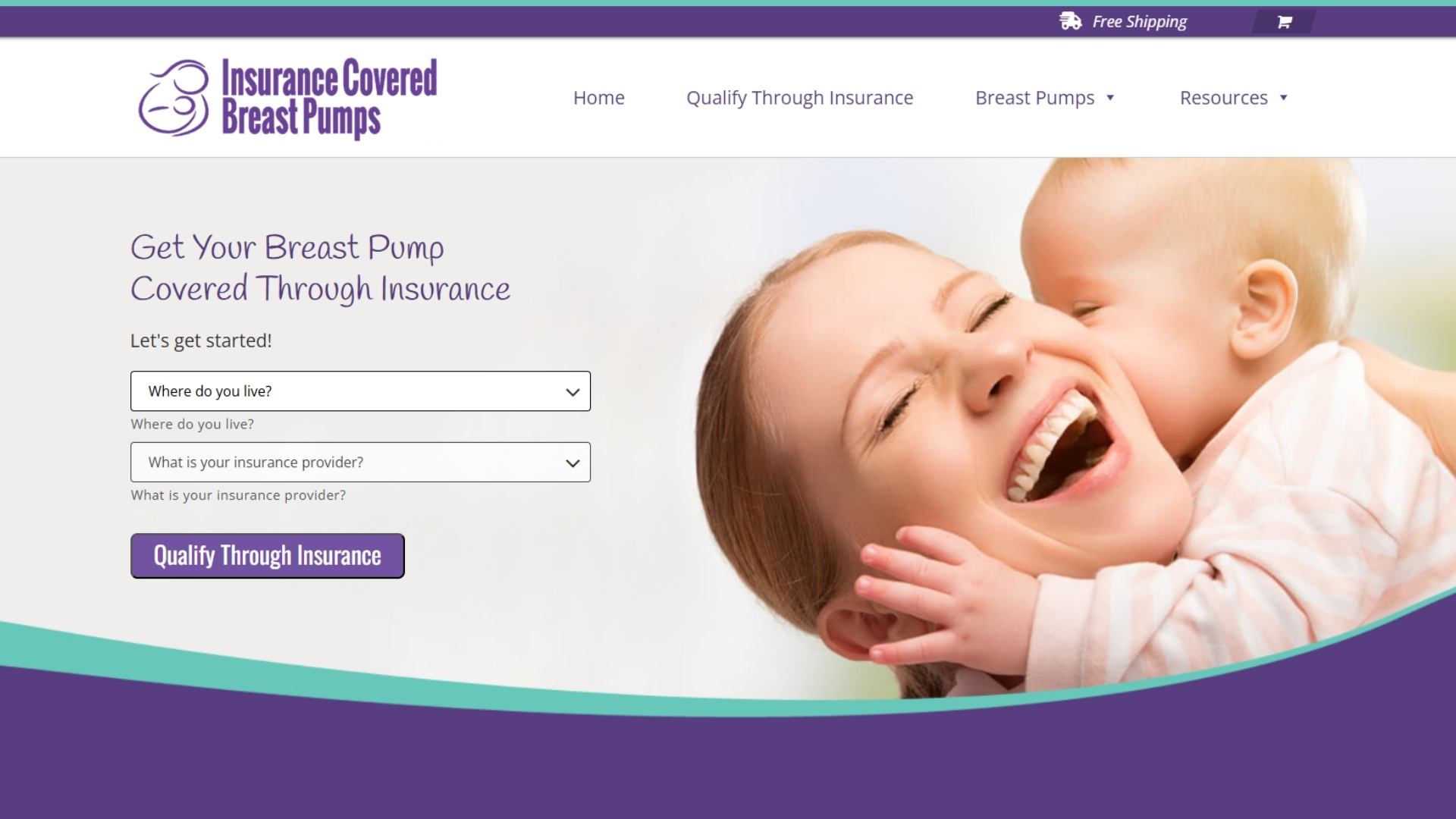
Platforms like Insurance Covered Breast Pumps can simplify this process by letting you check eligibility and view covered options in one place. Having clarity around insurance support can remove one more layer of pressure and make exclusive pumping feel more manageable.
Taking a few minutes to explore your options may help you feel more supported as you continue your exclusive pumping journey. Contact Us for Help With Insurance Coverage.
FAQs
Q: What is the best breast pump for exclusive pumping?
A: The best breast pump for exclusive pumping is one designed for frequent daily use, with reliable suction, double pumping capability, and comfort-focused features. Many parents find that a high-quality double electric or hospital-grade pump works best for maintaining milk supply over time.
Q: Is a hospital-grade breast pump better for exclusive pumping?
A: A hospital-grade breast pump can be beneficial for exclusive pumping, especially in the early weeks or when milk supply needs extra support. These pumps are built for long-term, frequent use and provide strong, consistent suction, though they may be less portable than personal pumps.
Q: How often do you need to pump when exclusively pumping?
A: When exclusively pumping, most parents pump every 2 to 3 hours in the early weeks, similar to a newborn’s feeding schedule. Over time, pumping frequency may adjust based on milk supply, baby’s needs, and personal routine.
Q: Can wearable breast pumps be used for exclusive pumping?
A: Wearable breast pumps can be used for exclusive pumping, but many parents prefer them as a secondary option rather than their primary pump. While wearables offer flexibility and hands-free convenience, some may not provide the same suction strength as traditional double electric pumps.
Q: Does insurance cover the best breast pump for exclusive pumping?
A: Yes, most health insurance plans in the United States cover a breast pump as part of preventive maternity care. Insurance often covers double electric breast pumps, and some plans also include replacement parts, which is especially helpful for exclusive pumping.