









How to Get a United Healthcare Breast Pump Through Insurance
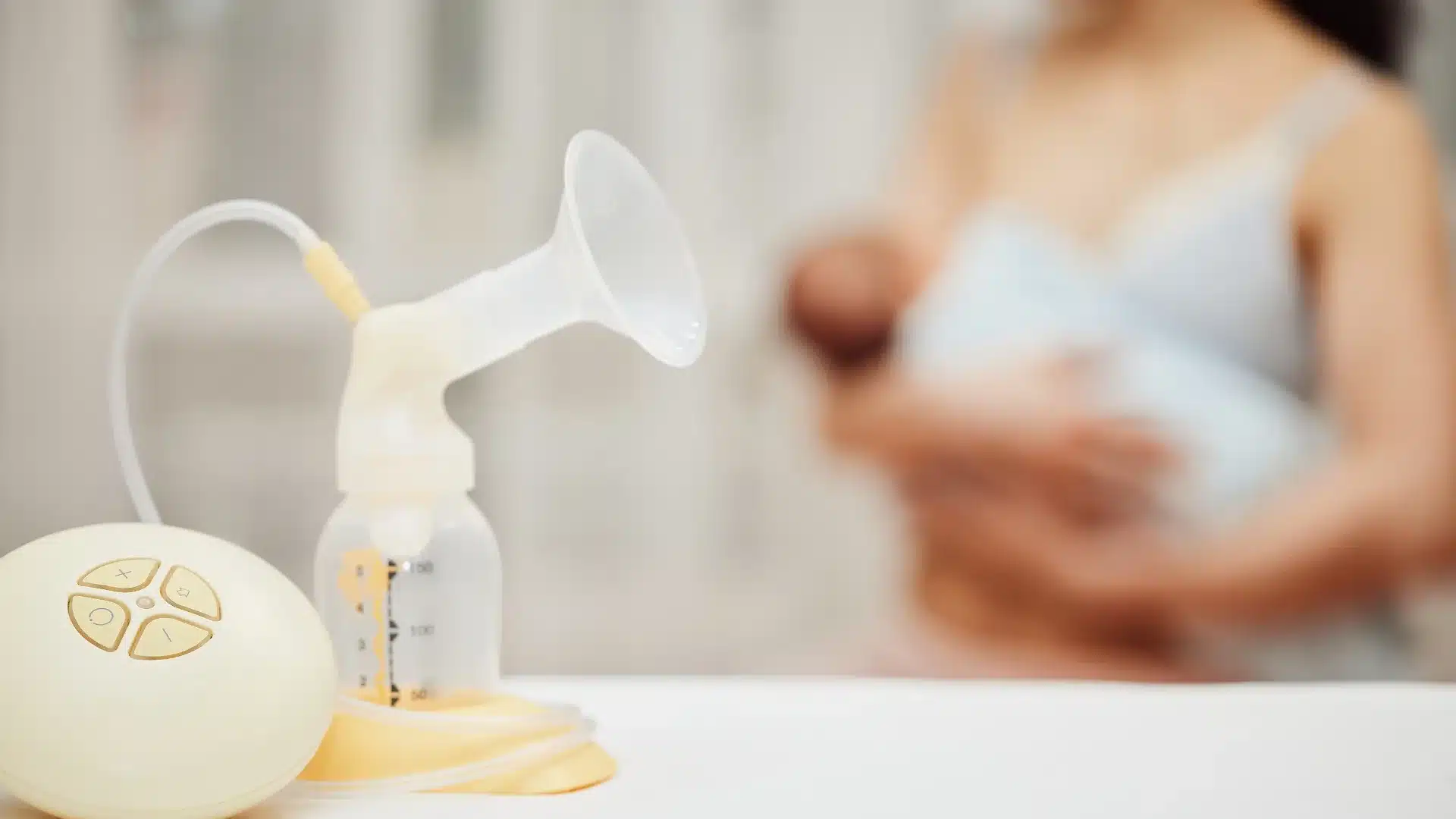
Between doctor appointments, baby prep, and everyday life, navigating insurance details isn’t always top of mind. Still, having the right breast pump can make a big difference once your baby arrives, especially if you’re planning to pump at home, at work, or on the go.
If you’re covered under UnitedHealthcare, you may be eligible to receive a breast pump at little to no cost through your plan. In this guide, we’ll walk through what’s covered, the eligibility requirements, and the exact steps to order your pump, so the process feels clear, simple, and stress-free.
Before we dive into
- Most UnitedHealthcare plans cover one breast pump per pregnancy at no cost under the Affordable Care Act.
- Coverage typically includes personal-use electric breast pumps, with some plans offering manual or upgrade options.
- A prescription may or may not be required, depending on your specific UnitedHealthcare plan.
- Insurance-approved providers can verify coverage, handle paperwork, and guide your pump selection.
- Using a trusted service like Insurance Covered Breast Pumps makes the process simple, fast, and stress-free.
What UnitedHealthcare Breast Pump Coverage Really Means
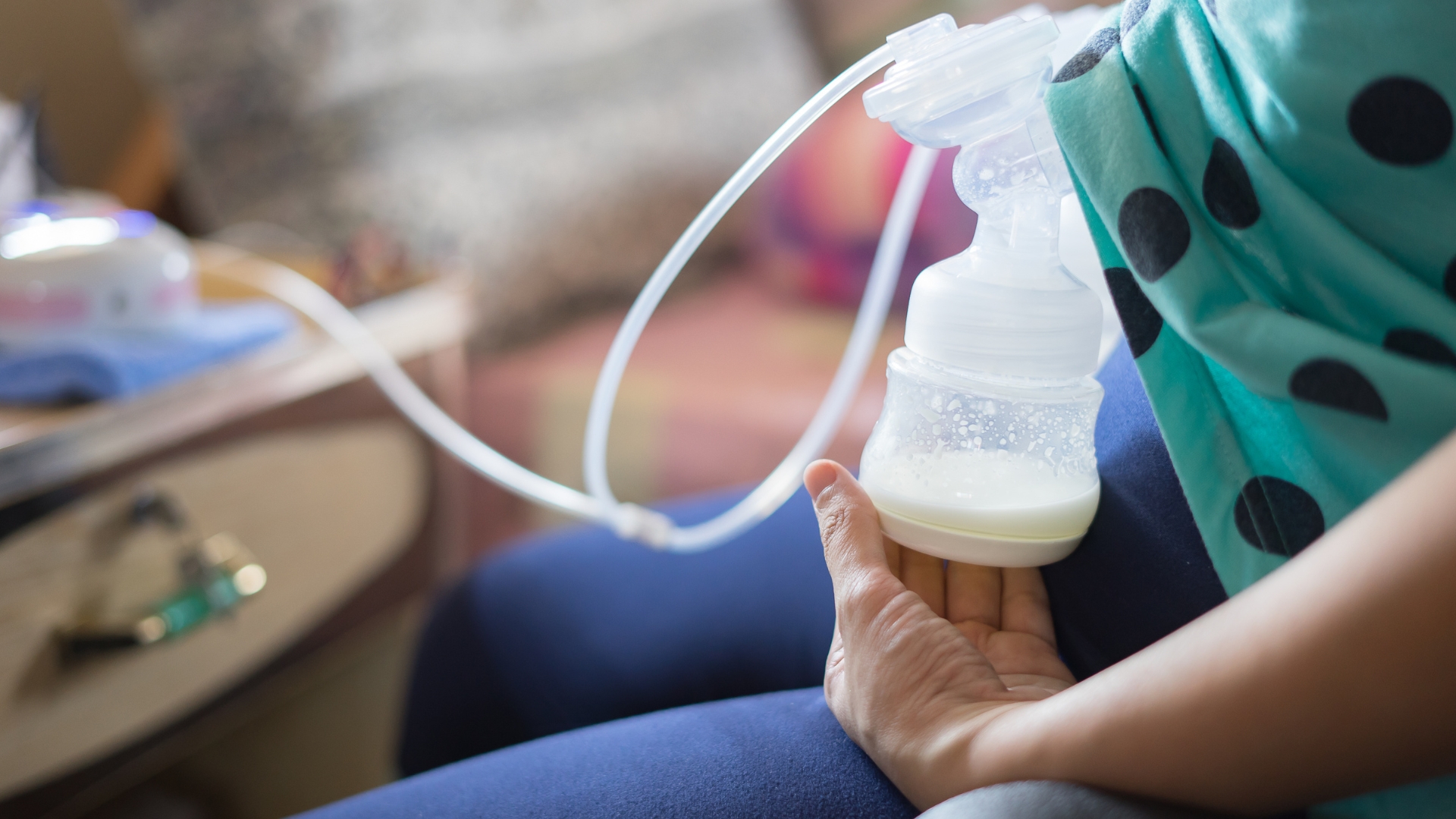
When you first start exploring breast pump benefits through insurance, the details can feel confusing or buried in fine print. UnitedHealthcare’s coverage is designed with one core purpose: to help you access the right breast pump without unnecessary stress or out-of-pocket costs.
Under the Affordable Care Act (ACA), most UnitedHealthcare plans include coverage for a breast pump as part of preventive maternity care. This applies whether you plan to breastfeed full-time, pump occasionally, or use a combination of both.
Ultimately, this coverage is meant to support your breastfeeding goals, not limit them. With the right plan and provider, getting your breast pump can be a clear, straightforward step rather than another overwhelming task during postpartum planning.
What Breast Pumps Does UnitedHealthcare Cover?
UnitedHealthcare typically covers a selection of personal-use breast pumps through approved Durable Medical Equipment (DME) providers. These pumps are chosen to support everyday pumping needs, whether you’re building a supply at home or planning to pump after returning to work.
Most UnitedHealthcare plans include coverage for:
- Electric breast pumps for personal use
- Manual breast pumps, in some cases
- Occasionally, hospital-grade rentals when medically necessary
The specific models available can vary depending on your individual plan and the provider you order through, but many moms are able to choose from well-known, trusted brands.
Commonly covered brands may include:
- Spectra
- Medela
- Lansinoh
- Motif
- Momcozy (availability depends on plan and provider)
Some plans also allow upgrades to wearable or advanced models for an additional cost, while still covering the base pump through insurance.
Also Read: Top Breastfeeding Essentials for New Moms: What to Buy and Why
Will You Need a Prescription to Receive Your UnitedHealthcare Breast Pump?

Whether you need a prescription for a United Healthcare breast pump depends on your specific insurance plan. Some plans require one as part of the ordering process, while others do not.
Here’s what to know:
- Some UnitedHealthcare plans require a prescription from your OB-GYN, midwife, or primary care provider
- Other plans do not require a prescription, especially when ordering through an approved DME provider
- If a prescription is needed, it’s usually simple and quick for your provider to send
- Many insurance-approved suppliers can help coordinate the prescription for you
- A prescription does not affect cost; the pump is still typically covered at no charge
If you’re unsure, an approved provider can check your plan details and guide you through the next steps, so the process feels straightforward and stress-free.
Step-by-Step: How to Get a United Healthcare Breast Pump
Getting a United Healthcare breast pump through insurance is usually a simple process when broken into a few clear steps. Here’s how it typically works:
Step 1: Verify Your Insurance Coverage
Have your UnitedHealthcare insurance details ready. An approved provider can quickly confirm whether your plan covers a breast pump and what options are available to you.
Step 2: Choose Your Breast Pump
Once your coverage is verified, you’ll be able to browse the breast pumps included under your plan. Many providers explain the features of each option to help you choose a pump that fits your routine and comfort needs.
Step 3: Submit a Prescription (If Required)
If your UnitedHealthcare plan requires a prescription, your OB-GYN, midwife, or primary care provider can issue one. Many insurance-approved suppliers can help coordinate this step for you.
Step 4: Place Your Order
After coverage (and prescription, if needed) is approved, you can place your order through the provider. There’s usually no upfront payment required.
Step 5: Receive Your Pump at Home
Your breast pump is shipped directly to your home, often around your due date or shortly after delivery, so it’s ready when you need it.
Using a trusted provider like Insurance Covered Breast Pumps helps make the entire process smooth and stress-free, allowing you to focus on preparing for your baby rather than paperwork.
What If Your UnitedHealthcare Plan Doesn’t Cover the Pump You Want?

It can be disappointing to discover that a specific breast pump model isn’t fully covered under your UnitedHealthcare plan. If that happens, you still have options, and it doesn’t mean you’re stuck without a pump that works for you.
Here’s what you can typically expect:
- Why some plans don’t cover certain pumps: Some UnitedHealthcare plans only cover standard electric breast pumps at 100%. Wearable, hospital-grade, or premium models may be classified as upgrades, meaning the plan covers part of the cost while you pay the difference.
- What can delay approval or ordering: Delays usually happen when:
• the pump requires prior authorization or a prescription
• the supplier isn’t in-network
• the order is placed before the approved coverage window (often late pregnancy or postpartum) - Who usually coordinates this step: In most cases, the process is handled by:
• an insurance-approved DME supplier (they verify coverage and options), or
• your OB-GYN office or hospital, if a prescription or medical note is needed - Your available paths forward:
• choose a fully covered alternative at no cost
• upgrade to your preferred model by paying the price difference
• request guidance from a lactation consultant or supplier to compare features and fit
Even if your first choice isn’t available, most moms are still able to find a United Healthcare breast pump that supports their breastfeeding goals, with coverage helping keep costs manageable.
What to Look for When Choosing a Breast Pump
Choosing a breast pump isn’t about finding the “best” option on paper; it’s about finding what fits your body, routine, and day-to-day life. When selecting a United Healthcare breast pump, a few thoughtful considerations can help you feel more confident in your choice.
Here are a few gentle things to think through, with real-life examples:
- Where you’ll pump most often, and when upgrades come up: If most pumping will happen at work or on the go, a wearable pump can feel easier and more discreet. Many plans, however, treat wearables as upgrade models, which means part of the cost may be covered and the rest may come from you.
Example: A standard double-electric pump may be fully covered, while upgrading to a wearable option may include an additional fee through the supplier. - Comfort features, what’s covered vs. premium: Gentle suction, soft flange options, and extra comfort modes can make pumping feel more manageable over time. Basic comfort features are usually included in covered pumps, while advanced comfort technology may be part of upgrade models.
- Noise level, a common reason parents switch options: Quieter pumps can make a big difference in shared workspaces or nighttime feeding routines. Many covered pumps are fairly quiet, but ultra-quiet or wearable designs may fall into upgrade pricing.
What many parents do: Choose a fully covered pump for home, and only upgrade if discretion becomes important later. - Power and portability, small details that matter: Plug-in pumps are usually fully covered. Rechargeable or portable options may still be covered, but extra batteries or accessories sometimes are not.
Example: The pump may be included, but the separate battery pack may not be. - Ease of cleaning, where tradeoffs appear: Pumps with fewer parts can save precious time on busy days. Some of these simpler, all-in-one designs are considered upgrade models, while fully covered pumps may have a few more pieces to clean.
If you’re unsure which option fits your needs, an insurance-approved provider or Lactation consultants can help walk you through the available United Healthcare breast pump choices and explain what might work best for your routine.
When to Seek Support with Your UnitedHealthcare Breast Pump

If you’re feeling unsure about which breast pump to choose or how your UnitedHealthcare coverage works, getting a little extra support can make the process much easier. Insurance-approved suppliers and lactation professionals can help you understand your options and choose a pump that fits your routine and comfort needs.
You may benefit from additional guidance if you’re:
- Unsure which United Healthcare breast pump options are covered under your plan
- Confused about prescriptions, timing, or insurance requirements
- Trying to decide between standard, portable, or wearable pumps
- Planning to pump at work and need help choosing a practical option
Getting your insurance coverage sorted is an important first step, but finding a pump that truly works for your day-to-day life matters just as much. With Insurance Covered Breast Pumps , you can check your UnitedHealthcare coverage in minutes and explore insurance-covered options designed to support your comfort, routine, and budget.
Conclusion
Understanding your UnitedHealthcare coverage helps you move forward with confidence, knowing support is available when you need it. With the right information and a pump that fits your needs, your breastfeeding journey can feel more comfortable and less stressful.
Need help getting your United Healthcare breast pump covered through insurance? Insurance Covered Breast Pumps makes it easy to check your eligibility, explore covered options, and have your pump delivered straight to your doorstep, so you can focus on caring for your baby, not paperwork.
Frequently Asked Questions
Q1. Does UnitedHealthcare cover breast pumps through insurance?
Yes. Most UnitedHealthcare plans cover one breast pump per pregnancy as part of preventive maternity care when the pump is ordered through an in-network Durable Medical Equipment (DME) supplier.
Q2. When can I order my UnitedHealthcare breast pump?
Many plans allow you to order during the third trimester or shortly after delivery. A DME supplier can review your benefits and let you know the earliest date you’re eligible to place the order.
Q3. Do I need a prescription?
Some plans require a prescription, while others don’t. If it is required, your OB-GYN or midwife typically provides it, and the supplier will usually request and submit it on your behalf.
Q4. Are wearable breast pumps covered?
Coverage depends on your specific plan. Standard double-electric pumps are often fully covered, while wearable or premium models may be offered as upgrades, where part of the cost is covered and you pay the difference.
Q5. Will I have to pay anything out of pocket?
Many parents receive a pump at no cost when choosing a fully covered option. Out-of-pocket costs usually apply only if you upgrade to a premium or wearable pump or add non-covered accessories.