











Breast Pumping Laws Michigan: What Moms Should Know

Breastfeeding and pumping milk for your baby is a beautiful and personal journey. At the same time, it can sometimes feel overwhelming, especially when you’re figuring out how to balance your baby’s needs with work, errands, and life’s many demands. You might feel unsure about when and where you can pump comfortably, and that’s a feeling many moms share.
In fact, most new moms in the United States use breast pumps during the first 4 months after giving birth to help meet their breastfeeding goals. This shows just how important and common pumping has become for moms everywhere trying to care for their babies in the best way they can.
Here in Michigan, there are important laws designed to support you on this journey. In this guide, we will gently walk you through what these rights look like day to day, so you can feel confident and supported while caring for your little one.
At a Glance:
- Michigan law protects your right to breastfeed and pump milk anywhere you are legally allowed, free from discrimination.
- Federal law guarantees you reasonable, unpaid breaks and private, non-bathroom spaces to pump at work for up to one year postpartum.
- Michigan’s 2025 MDHHS policy requires lactation rooms with basic amenities.
- Most Michigan health insurance plans cover breast pumps under the Affordable Care Act, easing costs for nursing moms.
What Breast Pumping Laws Really Mean?
When you hear about breast pumping laws in Michigan, it can sound a little overwhelming, like it’s all legal talk. But at the heart of it, these laws are really about one simple thing: making sure you have the space, the time, and the support you need to feed your baby.
They exist to protect you, whether you’re out in public with your little one or figuring out how to pump during the workday. Think of them as a safety net that says: “Your right to nourish your baby comes first.”
Also Read: Breast Pumping Laws and Rights in Ohio
Your Right to Breastfeed in Public

In Michigan, the law is very clear: you have the right to breastfeed your baby anywhere you are allowed to be. That could be at the park, in a café, at the mall, or even sitting on a bench downtown.
This law is important because many moms still wonder if someone might ask them to move or cover up. Knowing that Michigan’s anti-discrimination rule makes it illegal for businesses or public places to treat you differently just because you’re breastfeeding can give you peace of mind.
And you’re not alone in feeling this way. So many moms share the same worries about nursing in public. Having this protection in Michigan can give you that extra confidence to feed your baby when and where you need to.
So the next time you step out with your little one, carry this truth with you: your right to nourish your baby in public is safe, valid, and backed by law.
Your Rights to Breast Pump at Work in Michigan
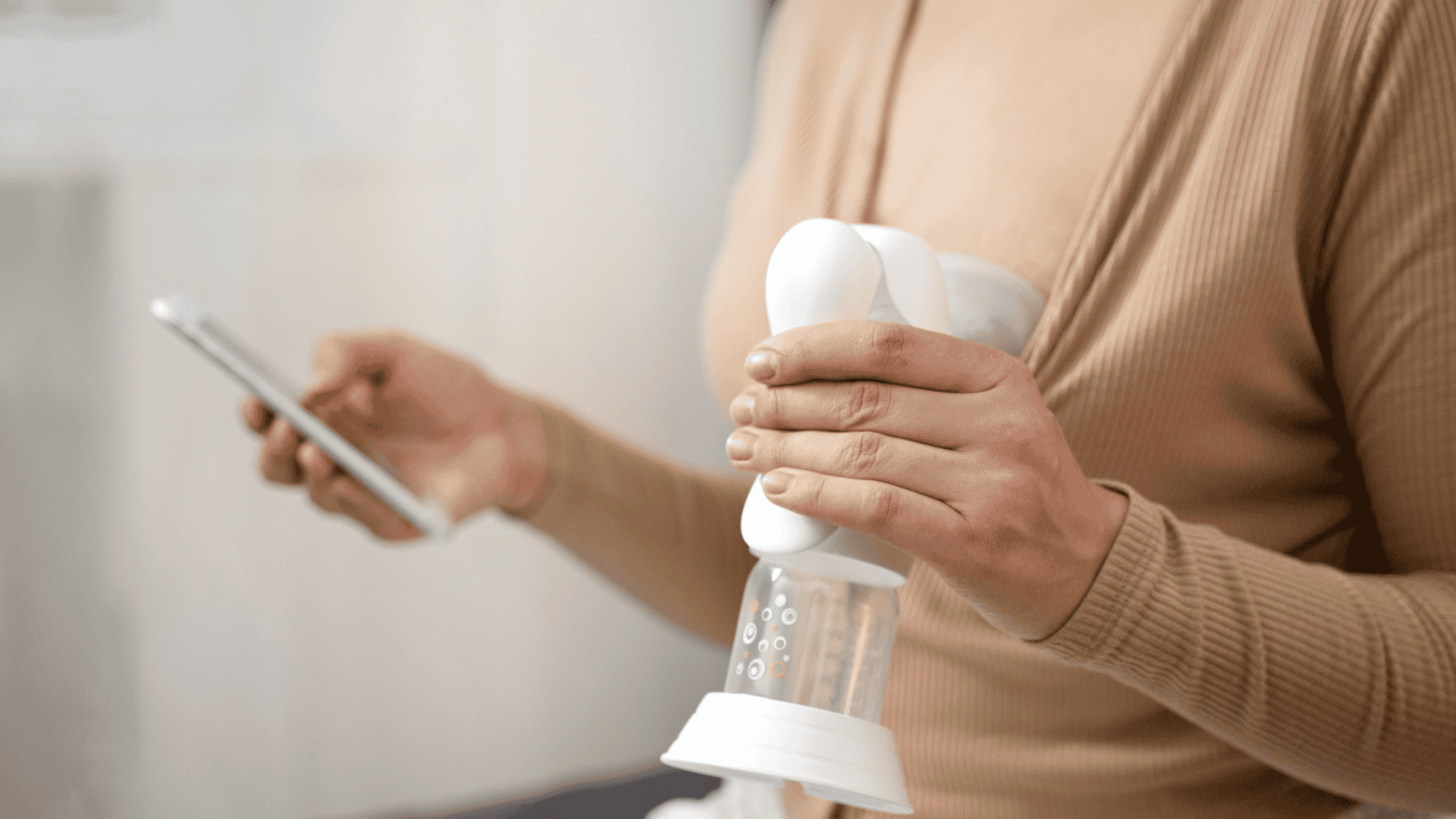
We know that balancing your baby’s needs with your workday is a unique journey—and sometimes a challenging one. Being aware of your rights and what support you can expect can make this part of your breastfeeding journey easier and gentler.
Understanding Breast Pumping Laws in Michigan
While Michigan doesn’t currently have its own state law about pumping at work, Michigan follows federal protections under the Fair Labor Standards Act (FLSA) and the PUMP for Nursing Mothers Act. The Michigan Department of Health and Human Services (MDHHS) has also shared an updated Lactation Room Policy in 2025 to help workplaces better support moms.
- You have the right to reasonable breaks to express milk up to 2-4 times per eight-hour shift, each break lasting up to 30 minutes, for up to one year after your baby is born.
- Your employer must provide a comfortable, private space that is not a bathroom, where you can pump with dignity and without interruptions.
What Your Pumping Space Should Feel Like
Your lactation space is a place for you to pause and care for yourself and your baby. MDHHS recommends this space:
- Has a functioning door lock or, if that’s not possible, signage to let others know when it’s in use.
- Is private from coworkers and the public, offering you comfort and peace of mind.
- Includes basic comforts like a cozy chair, a small table, an electrical outlet for your pump, and a flat surface for your things.
- Where possible, access to a sink for washing and a refrigerator for storing milk is a thoughtful bonus.
- Some workplaces add comforting touches, like anti-microbial wipes, a clock, bulletin boards for support info, or peaceful decorations.
If you feel more comfortable pumping in your own workspace or another agreed-upon spot, that’s also an option.
Storing Your Milk
You can safely store your milk in:
- Break room refrigerators
- Designated lactation room refrigerators
- Or a personal cooler if you wish
Remember: Please label your containers with your name and date so your milk doesn’t get mixed up with another mom’s.
What Employers Aren’t Required to Do
While your rights to pump at work are protected, there are a few things employers aren’t required to do.
- Employers aren’t required to pay you for pumping time.
- Smaller employers (fewer than 50 employees) may be exempt if providing accommodations causes significant hardship.
Supporting a Breastfeeding-Friendly Workplace
MDHHS encourages workplaces to support breastfeeding moms by:
- Including the lactation room policy as part of new employee orientation.
- Posting information about your rights in the lactation room and visible areas.
- Building a workplace culture where expressing milk during work time is respected and free from judgment or discrimination.
You deserve this care and respect for your breastfeeding journey.
Why These Laws Matter?
We know from experience that unsupportive work policies and a lack of parental leave are one of the biggest reasons moms stop breastfeeding earlier than they had hoped. Having legal protection in place can help you keep going if that’s what feels right for you and your baby.
And remember, pumping is about maintaining your comfort, your supply, and your peace of mind while you’re away from your little one. These breaks aren’t favors from your employer. They’re your rights.
Also Read: Breastfeeding and Pumping Schedule for New Moms
Insurance Coverage for Breast Pumps

Many new moms worry about the cost of breast pumps, but there’s good news. Under the Affordable Care Act (ACA), most health insurance plans in Michigan are required to cover the cost of a breast pump, whether it’s a rental or a new unit that you can keep. This benefit typically includes both breastfeeding equipment and counseling and is available for the duration of breastfeeding.
What Does This Mean for You?
Here’s what you need to keep in mind:
- No out-of-pocket costs: Most plans must cover the entire cost of the breast pump, including a rental or a new unit that you can keep.
- Wide selection of pumps: Insurance companies often partner with Durable Medical Equipment (DME) providers, including major retailers like Target and Walmart, to offer a range of pumps from reputable brands such as Medela, Lansinoh, Willow, and Dr. Brown’s.
- Additional support: Insurance may also cover other breastfeeding services, including consultations with lactation consultants, who can assist in selecting and using the most suitable pump.
How to Access Your Covered Pump?
Accessing your covered pump is simple:
- Call your insurance provider and ask about your breast pump benefits.
- Check if you need a prescription from your doctor.
- Ask about delivery or pick-up options; some plans send pumps directly to your home.
With most insurance plans covering the cost, getting a breast pump is easier than you might think. This way, you can focus on caring for your baby without worrying about the price.
Tips for Breast Pumping at Work in Michigan
Pumping at work can feel overwhelming at first, but a few simple tricks can make it a lot easier:
- Find your spot early: Make sure you know where you can pump that’s private and comfortable, not a bathroom. Let your manager or HR know what you need.
- Stick to a routine: Try to pump around the times your baby usually eats. It helps keep your milk supply steady.
- Bring what you need: Keep a cooler bag or insulated tote for your milk, plus extra breast pads, wipes, and a water bottle for yourself.
- Label your milk: Write your name and the date on each bottle or bag so nothing gets mixed up in the fridge.
- Make yourself comfortable: A hands-free pumping bra or a comfy chair can make a big difference.
- Be upfront (nicely!): Let your manager know you need a few breaks to pump. Most workplaces are understanding once they know what you need.
It might feel tricky at first, but once you have your routine and setup, pumping at work can become just another part of your day.
Also Read: Top Breastfeeding Essentials for New Moms: What to Buy and Why
Conclusion
Breastfeeding and pumping as a working mom in Michigan can feel challenging, but the law is on your side. You have the right to feed your baby in public, a private space to pump at work, and even access to insurance coverage that often includes your breast pump. This makes it easier to focus on your baby’s care and your own well-being.
Many moms balance work, life, and breastfeeding every day. With a little planning, the right tools, and knowledge of your rights, pumping at work and breastfeeding in public can feel manageable and even empowering.
You deserve support, respect, and confidence in caring for your little one, whether you’re at home, at work, or out in your community.
Frequently Asked Questions
Q1. What if my employer does not have a lactation room?
Not all workplaces have a dedicated lactation room, but your employer is still required to provide a private, clean space that is not a bathroom where you can pump. This might be a spare office, conference room, or another quiet area.
If you’re unsure, kindly discuss your needs with your HR or supervisor. Remember, you have the right to a comfortable and private space to express milk.
Q2. Can I pump after one year postpartum?
Federal laws provide protections for breastfeeding and pumping for up to one year after your baby is born. However, many moms continue to pump beyond that time. In Michigan, your supervisor may allow continued use of the lactation space if your baby is older than one year.
It’s always worth having a gentle conversation about your needs—it’s about what feels right for you and your baby.
Q3. Do Michigan breast pumping laws cover all types of workplaces?
The federal protections Michigan follows apply to most workplaces, but very small employers with fewer than 50 employees may be exempt if providing accommodations causes significant hardship.
Still, many small employers try to support nursing moms. If you’re unsure about your specific workplace, you can ask HR or reach out to local breastfeeding support groups for advice.
Q.4 How do I seek help if my rights are denied?
If you face challenges getting your breast pumping rights respected, try first to communicate clearly and kindly with your supervisor or HR. If that doesn’t work, there are organizations and resources in Michigan that can support you, including breastfeeding coalitions and legal aid services.
Knowing your rights is empowering. Don’t hesitate to ask for help to ensure you’re supported on your breastfeeding journey.
Q5: Are there any pumping breast milk work laws Michigan moms should know?
Yes. Federal laws, reinforced by Michigan breast pumping laws, give nursing mothers up to one year postpartum the right to express milk during work hours.