












Medela vs Lansinoh Manual Pump: Which One Is Right for You?

Choosing between the Medela and Lansinoh manual pumps can feel like a big decision, especially when you’re looking for a pump that fits seamlessly into your busy life.
If you’re on the go or need a quiet, efficient solution for late-night sessions, the right manual pump makes all the difference. Both Medela and Lansinoh are trusted brands, but they offer different experiences in comfort, ease of use, and performance.
This guide breaks down the key differences between these two popular options, helping you choose the one that fits your needs and shows you how to check if your insurance covers it.
Key Takeaways
- Medela Harmony is best for quick, efficient pumping sessions when you’re on the go.
- Lansinoh Manual offers a more comfortable pumping experience with its softer flange and ergonomic handle.
- Manual pumps are ideal for occasional use or as a backup, but not the best option for exclusive or frequent pumping.
- Comfort and suction strength vary between brands, so choose based on your personal preferences and pumping routine.
- Insurance coverage for manual pumps is often available, making it easier to get the pump that fits your needs.
Medela Harmony vs Lansinoh Manual Pump: Which One Should You Choose?
Choosing the right manual pump depends on how you plan to use it and what matters most in your pumping routine.
Choose Medela Harmony if you need a simple, reliable pump for quick sessions. It’s compact and portable, making it perfect for moms on the go or those who need a backup pump. The predictable rhythm is great for occasional use when you don’t need all the settings and features of an electric pump.
Choose the Lansinoh Manual if comfort is your priority. The softer suction and gentler feel make it ideal for longer sessions. Its ergonomic handle reduces hand fatigue, making it easier to pump for an extended time without discomfort. If you pump more often or need a softer touch, Lansinoh’s comfort-focused design will fit your needs.
What Pumping Actually Feels Like (First-Use Experience Most Reviews Miss)

Understanding what a pump feels like in real life is crucial. It’s about comfort, rhythm, and how it fits into your day.
Most reviews focus on the specs, but what you really want to know is: how does it feel on your body?
Medela Harmony Pumping Sensation
The Medela Harmony offers a steady, controlled rhythm. The handle is designed to give you consistent suction with every pull, making it perfect for quick sessions when you need to express milk efficiently.
- Rhythm & Responsiveness: The rhythm is predictable, which can help moms who need to get a session done quickly. It doesn’t offer a lot of customization, but the simplicity of its design makes it easy to control.
- Control During Short Sessions: During short, on-the-go pumping sessions, you’ll feel in control of the suction strength. You can adjust the speed manually, which is ideal if you need to finish up quickly.
- Who Tends to Like This Feel: Moms who need a fast, straightforward pumping session or those who pump occasionally, such as during travel or late-night sessions, often prefer Medela Harmony for its simple, reliable rhythm.
Lansinoh Manual Pumping Sensation
The Lansinoh Manual pump offers a smoother, more natural suction feel. The transition between stimulation and expression is seamless, making it gentler on your body, especially for moms who need to pump for a longer time.
- Suction Smoothness & Transitions: The suction feels more natural, closely mimicking how your baby would feed. This smoother transition from stimulation to expression helps with comfort during longer sessions, which is something Medela doesn’t provide in quite the same way.
- Comfort Perception Differences: Lansinoh’s ergonomic handle and the softer flange make it more comfortable, reducing hand strain and irritation during extended use. Many moms find it easier to pump longer without discomfort, making it an excellent option for frequent or daily use.
- Why Some Mothers Prefer It: Mothers who experience more sensitive skin or need a gentler pumping experience often prefer Lansinoh for its soft suction and comfort-focused design. If you’re looking for a pump that minimizes hand fatigue while delivering a natural feel, Lansinoh stands out.
Comfort Differences That Matter More Than You Think
When it comes to choosing the right manual pump, comfort is a key factor that can make or break your experience. The flange feel and handle design are two often-overlooked features that significantly impact how long you can pump comfortably and how effective the process is for you.
Flange Feel & Softness
The flange is the part of the pump that sits against your breast, so it plays a huge role in your overall comfort. If the flange isn’t comfortable, it can cause pain or irritation, making longer pumping sessions difficult.
- Why Flange Comfort Changes Pumping Tolerance: A soft, well-fitting flange helps create a comfortable seal around your breast. If it’s too stiff or poorly shaped, it can cause discomfort, leading to a frustrating experience. With a softer flange, you’re more likely to feel relaxed and able to continue pumping for longer periods without discomfort.
- Situations Where Softer Shields Help: Softer flanges are particularly helpful for moms who pump regularly or for those with sensitive skin. If you’re looking for a gentler experience, pumps like Lansinoh are equipped with soft, flexible ComfortFit flanges that help reduce irritation, especially during extended sessions.
Handle Design & Hand Strain
Manual pumping requires a fair amount of physical effort, especially during longer sessions. The design of the handle affects how much strain you’ll experience in your hand and wrist over time.
- Fatigue Patterns in Manual Pumping: The more you pump, the more likely you are to experience hand fatigue. Some pumps, particularly those with stiff handles, can make your hand sore after a short while, limiting your ability to pump effectively for long periods.
- Which Design Suits Longer vs Shorter Sessions: If you’re looking for a pump for short, occasional sessions, a simple handle design (like Medela Harmony) may be enough. However, for longer pumping sessions, you’ll want an ergonomically designed handle that reduces strain.Lansinoh’s manual pump features an angled, softer handle, which helps reduce hand fatigue, making it a better option for moms who need to pump for longer periods.
Also Read: How to Get a United Healthcare Breast Pump Through Insurance
Which Pump Fits Your Routine Best? (Decision Guide)
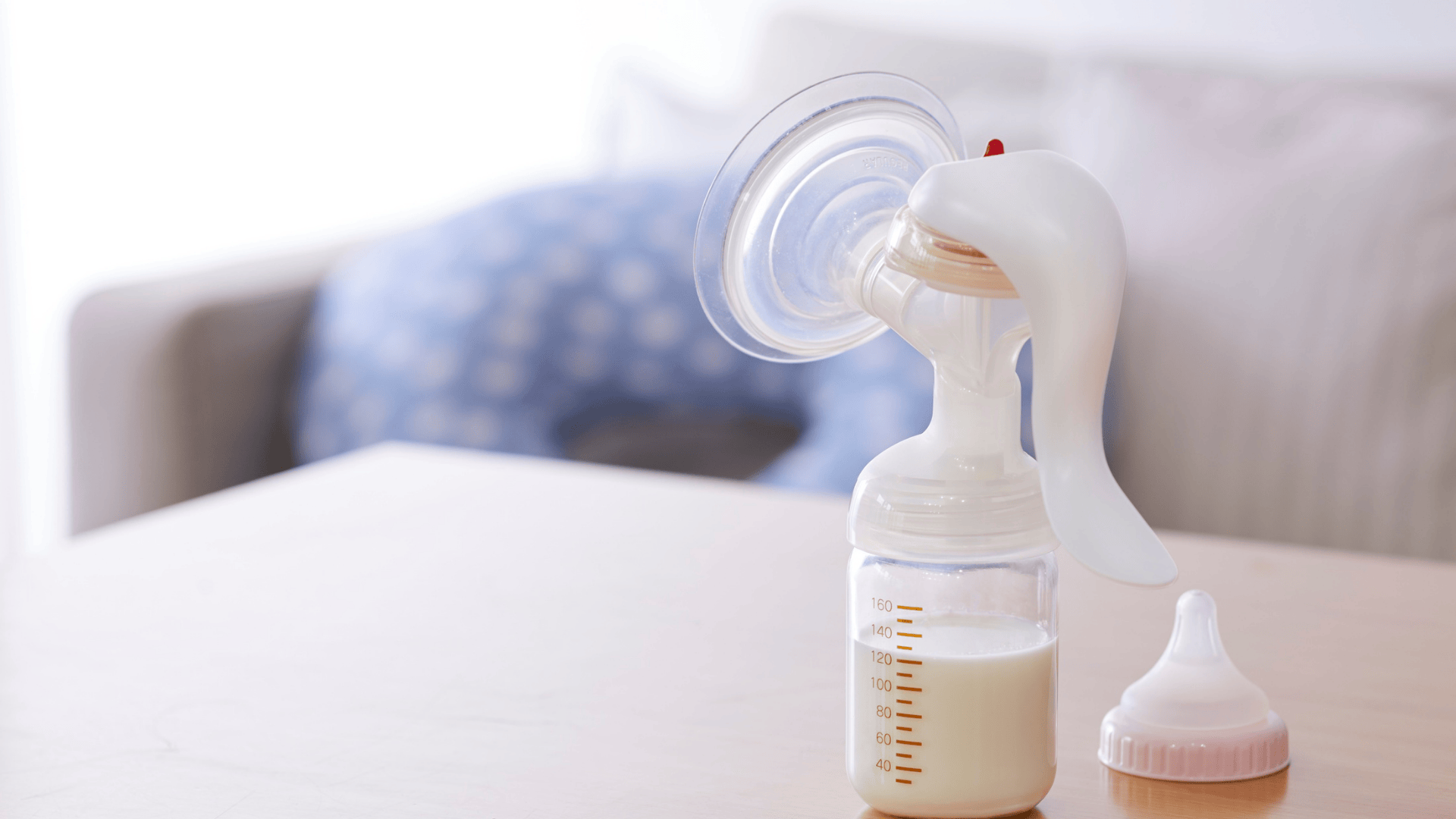
Choosing the right manual pump depends on your daily routine, your comfort needs, and how often you plan to use it. Here’s a quick guide to help you decide which pump is the best fit for your lifestyle.
Pick Medela Harmony If…
- You pump occasionally and need a quick, reliable solution.
- You want a lightweight, compact pump that’s easy to grab and go.
- You prefer straightforward control and a consistent rhythm for quick sessions.
Medela Harmony is ideal for moms who don’t need to pump often but still want a simple backup pump for those busy moments when time is tight. It’s perfect for short sessions and travel.
Pick Lansinoh Manual If…
- Comfort is your top concern, and you need a gentler pumping experience.
- You pump slightly longer sessions and want a pump that reduces hand strain.
- You want smoother suction transitions for a more natural feel while expressing milk.
The Lansinoh Manual is best for moms who pump regularly or need a more comfortable solution for extended sessions. It’s gentle on the skin and easier to use for longer periods without discomfort.
When Manual Pumps Work Brilliantly, and When They Don’t
Manual pumps can be an excellent tool for specific situations, but they aren’t the best fit for every scenario.
Understanding when to use a manual pump and when an electric pump would be more effective helps set realistic expectations and ensures you get the right tool for your needs.
Ideal Situations for Manual Pumps
Manual pumps are perfect for these occasions:
- Backup use: Ideal for occasional use when you don’t need to pump frequently but still need an efficient, quick solution.
- Travel/emergency use: Lightweight, compact, and portable, manual pumps are easy to pack and use when you’re on the go or in situations without access to electricity.
- Engorgement relief: A manual pump can help relieve pressure when you’re feeling overly full, especially if you don’t need to pump a full session.
- Occasional pumping: If you pump just a few times a week, a manual pump provides a quick and convenient solution without the need for an electric model.
Situations Where Electric Pumps May Be Better
Manual pumps might not meet all your needs in these cases:
- Frequent daily pumping: If you’re pumping multiple times a day, an electric pump offers more efficiency and saves your hands from strain over time.
- Exclusive pumping: For moms who pump exclusively, an electric pump allows for quicker, more consistent pumping, which is essential for maintaining milk supply.
- Hand fatigue concerns: If you experience discomfort or fatigue in your hands after just a few minutes of manual pumping, an electric pump will provide consistent suction with minimal effort.
How to Get Better Results From Any Manual Pump
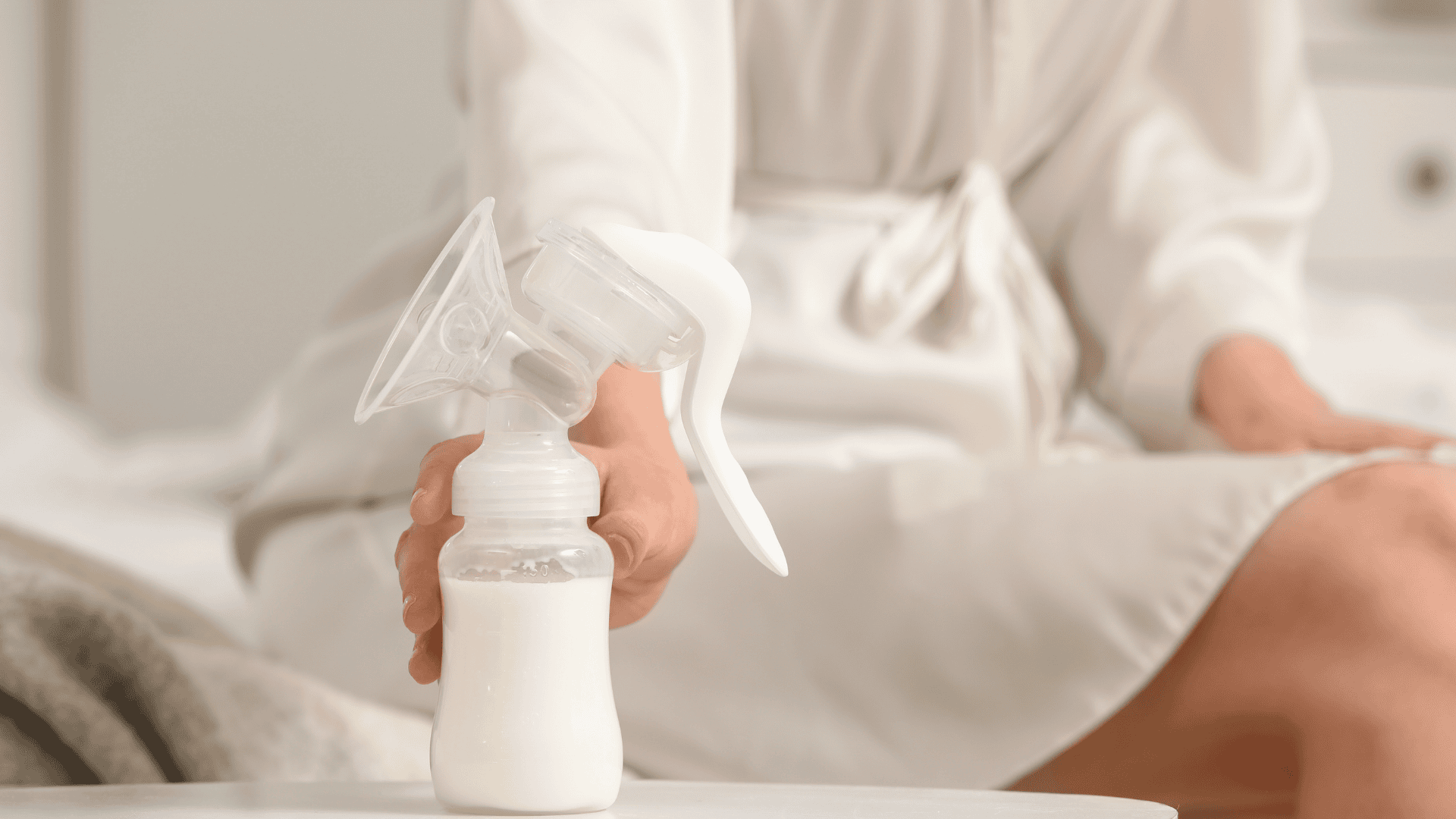
To get the most out of your manual pump, small adjustments can make a big difference. Using the Medela Harmony or the Lansinoh Manual, these tips will help you pump more efficiently, comfortably, and effectively.
a) Start With Flange Positioning
The right flange positioning ensures maximum suction and comfort. Place the flange so your nipple is centered in the tunnel, avoiding any discomfort or uneven pressure. Adjust it as needed to ensure it fits snugly without pulling too much of the areola, which could lead to soreness. The more comfortable the flange, the longer you can pump without irritation.
b) Use Stimulation & Expression Properly
Manual pumps like the Medela Harmony often feature a 2-phase suction system, stimulation to get the milk flowing and expression to remove the milk. Start with the stimulation phase to trigger letdown, then switch to expression mode.
This mimics the way a baby nurses and can increase milk flow, especially if you need a quick session. If your pump doesn’t have separate modes, adjust your speed to replicate the natural rhythm of breastfeeding.
c) Reduce Hand Fatigue During Sessions
Pumping manually requires some effort, but there are ways to reduce strain. Hold the handle with a relaxed grip, rather than squeezing too tightly. Consider switching hands every few minutes if your hand starts to tire.
If you’re pumping for longer sessions, take short breaks to rest your hand and avoid fatigue.
d) Encourage Faster Letdown Naturally
A slow letdown can make pumping sessions feel longer. To encourage a faster letdown, try these natural tricks:
- Massage your breasts gently before and during pumping to stimulate milk flow.
- Look at a photo of your baby or think about your baby nursing; this helps release oxytocin and speeds up letdown.
- Warm compresses on your breasts can also promote faster milk flow and reduce discomfort.
Cleaning & Maintenance Made Simple
Proper cleaning and regular maintenance keep your manual pump performing at its best and ensure it remains hygienic for each use.
Daily Cleaning Basics
After each use, wash all parts that come in contact with breast milk in warm, soapy water. Focus on the flange, valve, and breast shield. Let the parts air dry completely before storing them to avoid mold or bacterial growth.
Why Worn Valves Affect Suction?
A worn or cracked valve can significantly reduce suction power, making your pumping session less effective. Regularly inspect the valve and replace it if it’s damaged or no longer maintains a strong seal. This ensures your pump delivers consistent suction and efficiency.
Practical Maintenance Reminders
- Replace worn parts regularly: Inspect parts like the valve, diaphragm, and backflow protector. Over time, these may wear down, affecting performance.
- Sterilize weekly: Use a steam bag or boil parts once a week for deep cleaning. This kills bacteria and ensures the parts are hygienic.
- Proper storage: Store your pump in a clean, dry area, avoiding direct sunlight or heat that could warp or damage parts.
- Dishwasher-safe parts: If your pump has dishwasher-safe components, use this for convenience. Just make sure to follow the manufacturer’s instructions.
- Inspect for mold: Regularly check all components, including hard-to-reach areas like the backflow protector, for mold or mildew.
Also Read: Breastfeeding Hygiene Tips For New Mothers
Are Medela or Lansinoh Manual Pumps Covered by Insurance?

Navigating insurance coverage for breast pumps can be confusing, but understanding your options makes the process much easier. Leaning towards a Medela Harmony or Lansinoh Manual? Knowing what’s covered can save you time and money.
Coverage Depends on Your Insurance Plan
There is no blanket coverage for all insurance plans, and the pump you want might not be automatically covered. Many insurance providers cover manual pumps as part of the Affordable Care Act (ACA), but coverage varies.
Your best option is to check directly with your insurance provider or work with a DME (Durable Medical Equipment) supplier to see which models are available under your specific plan.
What is a DME Supplier and Why Does It Matter?
A DME (Durable Medical Equipment) supplier is a company or provider authorized to facilitate the delivery of medical devices like breast pumps through insurance claims. These suppliers work with insurance companies to help you access the equipment you need, ensuring it is covered by your plan.
They handle the paperwork, prescriptions, and verification process, making it easier for you to get a breast pump with minimal hassle.
Prescription & Verification Confusion (Common Problem)
One of the biggest hurdles is getting the right prescription. Often, insurance providers require a prescription from your doctor to qualify for coverage, and the process may seem complex at first, but with clear guidance, it becomes manageable.
Many mothers experience confusion about the necessary steps, paperwork, and timeframes, which can lead to delays. Don’t worry, you’re not alone in this!
How Insurance Covered Breast Pumps Simplifies This
At Insurance Covered Breast Pumps, we handle the confusion for you. Our service makes the process smooth and simple, ensuring you get the right pump with no extra hassle.
Here’s how we help:
- Insurance verification: We check your coverage details directly with your provider.
- Paperwork handling: We simplify it by managing all forms and details on your behalf, making the insurance process straightforward and stress-free.
- Prescription coordination: We work with your doctor to ensure the proper prescription is submitted.
- Covered pump options: We help you choose from the top-rated pumps your plan covers, like Medela or Lansinoh, with no hidden fees.
Why Mothers Trust Insurance Covered Breast Pumps?
Choosing the right breast pump can feel overwhelming, especially when you’re already balancing so many responsibilities. At Insurance Covered Breast Pumps, we understand the importance of making this process as smooth and stress-free as possible.
Here’s why so many mothers trust us:
a) Access to Major Brands
We partner with top-rated breast pump brands like Medela, Lansinoh, and others, ensuring that you have access to the best options available. These trusted brands are known for their quality and reliability, giving you peace of mind knowing you’re getting a pump that will meet your needs.
b) Accreditation & Credibility Signal
Our service is accredited and recognized by insurance providers and healthcare professionals, so you can trust that we’re following the highest standards of care. We work directly with your insurance provider to verify coverage and make sure everything is handled correctly, ensuring that your breast pump is fully covered, with no surprises.
c) Stress Reduction Angle
The process of navigating insurance coverage and handling paperwork can be time-consuming and confusing. We’re here to take the stress out of the equation by managing insurance verification, prescription coordination, and all the necessary documentation, allowing you to focus on what truly matters: your baby.
d) Paperwork & Coordination Relief
One of the most common frustrations for moms is dealing with the complex paperwork involved in getting a breast pump through insurance. We make it easier by handling the entire process, from verifying coverage with your insurer to coordinating prescriptions with your doctor. You won’t have to worry about filling out forms or making multiple calls; we’ve got it covered.
Conclusion
Both the Medela Harmony and Lansinoh Manual pumps are excellent choices, each catering to different needs. If you’re seeking a simple, portable option for occasional use, the Medela Harmony might be the best fit. On the other hand, if comfort and a gentler feel are priorities, the Lansinoh Manual is a great option, especially for longer sessions.
Ultimately, the right pump for you depends on your lifestyle and comfort preferences. Whether you’re pumping on the go or at home, choosing the right pump ensures a smoother experience and better results.
To make sure you get the most out of your choice, it’s important to check your insurance eligibility and see which manual pump your plan covers.
FAQs
Q1. Medela Harmony vs Lansinoh manual, which is more comfortable?
A1. Lansinoh Manual is generally considered more comfortable due to its softer flange and ergonomic handle, which reduce hand fatigue. The Medela Harmony, while effective, may cause more hand strain during longer sessions due to its less ergonomic design.
Q2. Which pump works better for quick relief sessions?
A2. Medela Harmony is ideal for quick relief sessions, providing steady suction that works well when you need to express milk efficiently in a short amount of time.
Q3. Do manual pumps affect milk supply?
A3. Manual pumps generally don’t affect milk supply directly, but inconsistent use or insufficient suction may impact milk production over time. If you’re exclusively pumping or pumping regularly, an electric pump may be more efficient for maintaining supply.
Q4. Can you get a manual breast pump through insurance?
A4. Yes, many insurance plans cover manual breast pumps, as they fall under preventative care. Check with your insurance provider or a service like Insurance Covered Breast Pumps to see which models are covered under your plan.
Q5. How do you know if suction feels weak?
A5. If the pump feels like it’s taking longer than usual to express milk or if you feel no suction or discomfort around the flange, it may be a sign the suction is weak. Check your valve for wear and ensure the flange is positioned properly. Replacing worn parts can help restore strong suction.