











5 Best Breast Pumps for Small Breasts to Get the Comfort and Fit You Need
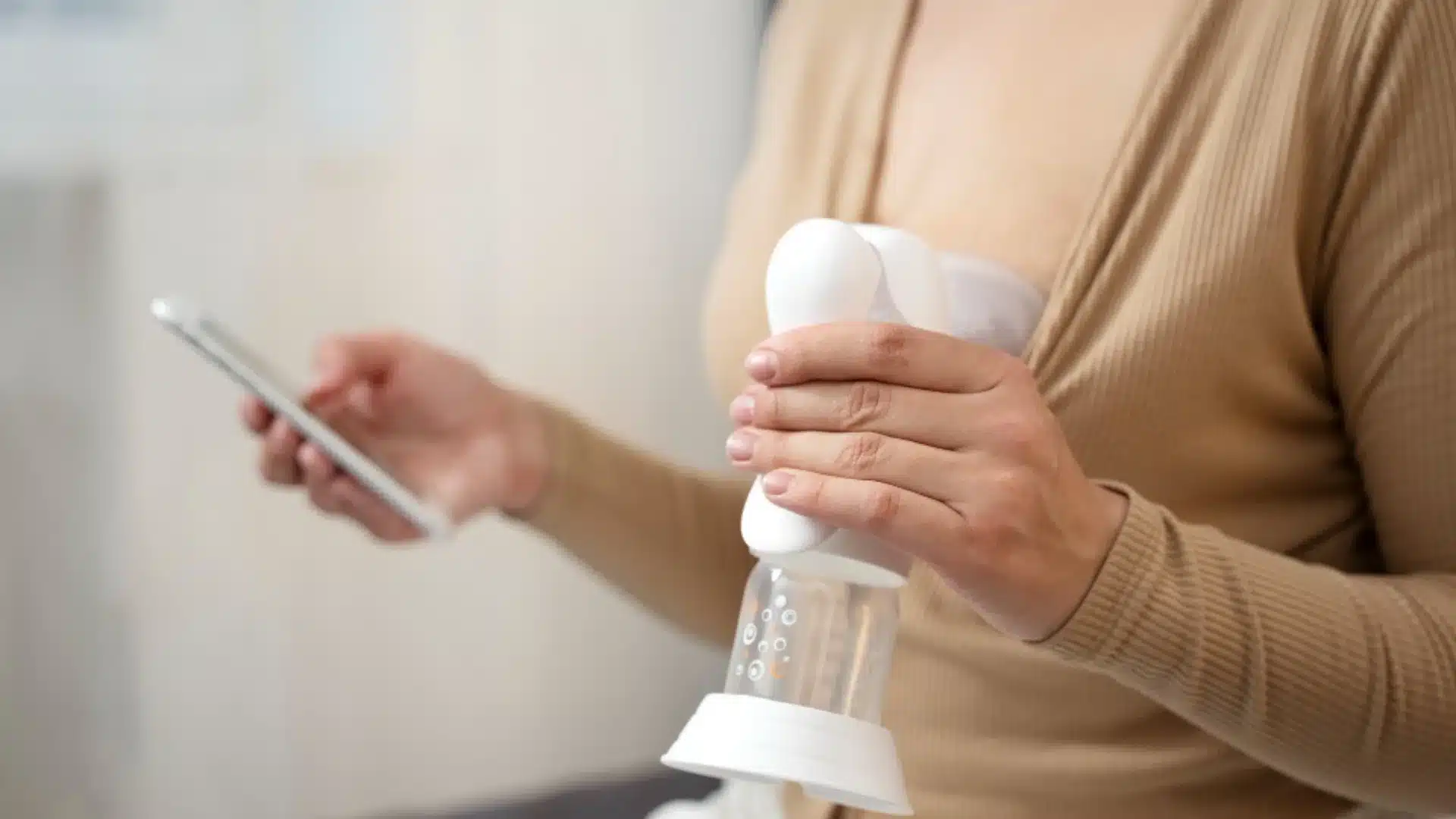
If you have small breasts, you know how hard it can be to find a breast pump that fits properly and works well. Finding the right breast pump, with the correct fit and adjustable settings, is key to ensuring both comfort and efficient milk expression, making your pumping routine easier.
You don’t have to settle for something that doesn’t work for you.
This guide will show you the best options for small breasts, explain the key features to look for, and help you get your pump covered through insurance, so you can get started with ease.
Let’s find the perfect pump for you.
Key Takeaways
- Choosing the right breast pump for small breasts enhances comfort, efficiency, and milk extraction, ensuring a smoother and more effective pumping experience.
- Flange size is crucial for small breasts, with adjustable or interchangeable sizes helping to avoid discomfort and maximize milk extraction.
- Wearable and hands-free pumps provide discreet comfort, allowing moms to pump on-the-go without sacrificing effectiveness.
- Adjustable suction settings allow for a personalized experience, ensuring comfort and efficient milk production.
- Insurance-covered options through Insurance Covered Breast Pumps make it easier to get a pump without out-of-pocket costs, with no hassle involved.
Why Flange Size Is Key for Small Breasts?

When choosing a breast pump, flange size is often the most important factor for comfort and efficiency. For moms with small breasts, selecting the right flange ensures a proper fit, better milk extraction, and a more comfortable pumping experience.
What is a Flange?
The flange is the funnel-shaped part of the breast pump that fits around your nipple and areola. It creates a vacuum seal to allow the pump to extract milk from your breast. Flange size is critical because it directly impacts how effectively the pump can extract milk and how comfortable the pumping experience will be.
Why Flange Size Matters for Small Breasts?
If you have smaller breasts, using the wrong size flange can cause discomfort, reduce milk output, and even lead to nipple injury or blocked ducts. A poorly fitted flange may pull too much of the areola or be too tight on the nipple, leading to painful pumping sessions.
Key points for small breasts:
- Too big: If the flange is too large, the suction may not be effective, leading to low milk output.
- Too small: A flange that is too small will squeeze the nipple too tightly, causing pain and potential damage.
- Just right: The correct flange size ensures the nipple is centered properly, allowing the pump to remove milk efficiently without causing discomfort.
How to Find the Right Flange Size
Flange size is not related to your breast size, but rather to the size of your nipple. Nipple size can vary from person to person, even for those with small breasts. Most pumps come with a standard 24mm flange, but for moms with smaller breasts or nipples, smaller options (e.g., 17mm, 19mm) are available.
3 Easy Steps to Measure for the Right Flange Size:
Step 1: Measure your nipple: Gently measure the diameter of your nipple (excluding the areola). The diameter helps determine the flange size.
Step 2: Test different sizes: Many pumps come with multiple flange sizes or inserts, so you can find the most comfortable fit. Start with the smallest size and work your way up if necessary.
Step 3: Comfort matters most: Pumping should feel gentle. If you’re experiencing discomfort or pain, it’s a sign that your flange size may not be right.
Also Read: How to Measure and Fit Breast Pump Flanges
Top 5 Highly Recommended Breast Pumps for Small Breasts
Finding the right breast pump for small breasts can be tricky, but with the right options, you can have a comfortable, efficient pumping experience. Here are the top 5 breast pumps for small breasts that offer the perfect fit, excellent performance, and easy insurance coverage.
1. Medela Freestyle™ Hands-Free Breast Pump
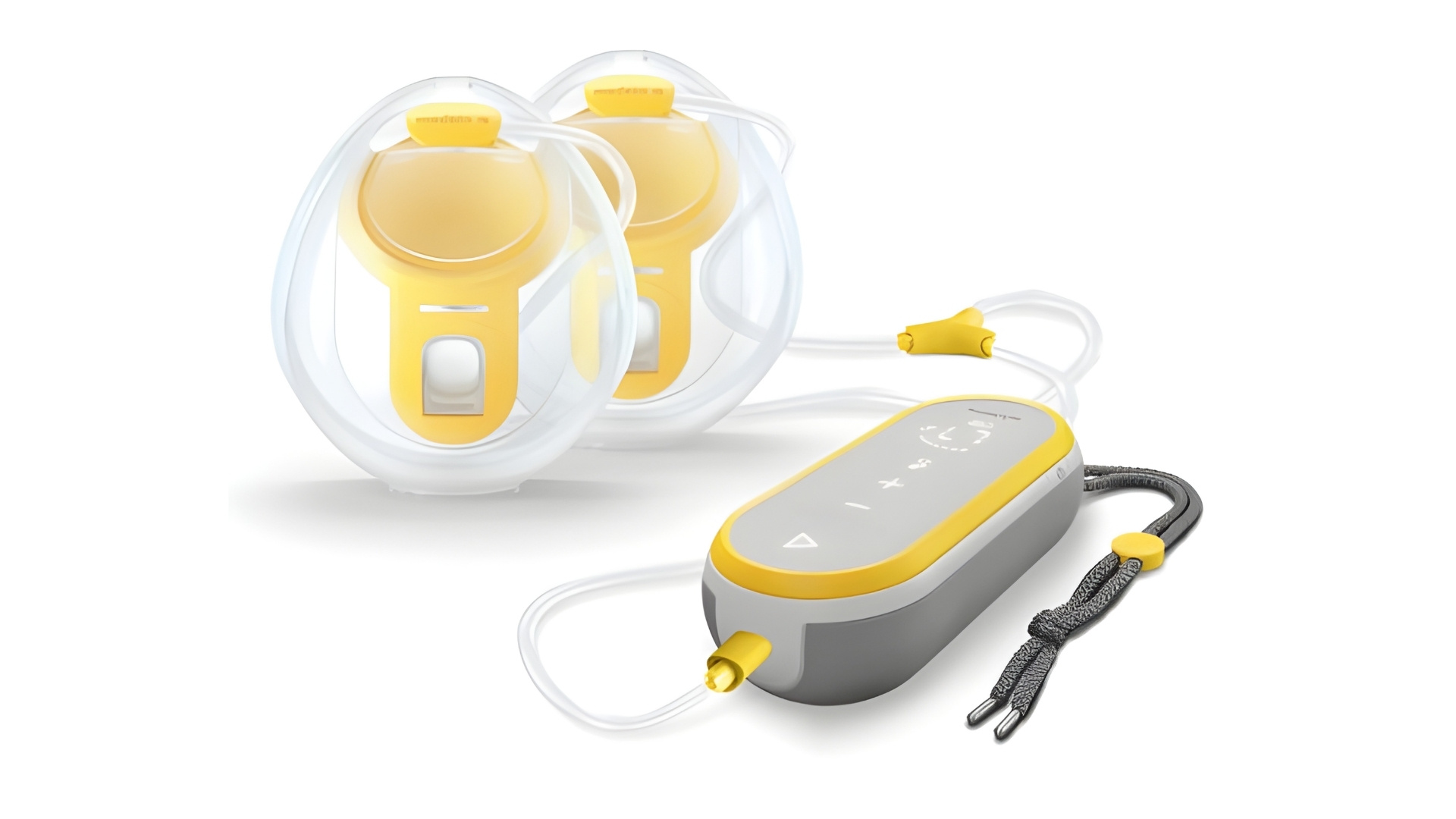
Designed with a compact, wearable design, the Medela Freestyle™ pump is an excellent choice for moms with small breasts. The small breast shields ensure a snug fit, and the hands-free operation makes it easier to pump discreetly.
Key Features:
- App control allows you to monitor and adjust your pumping sessions remotely, enhancing convenience and personalization
- Double-phase expression technology replicates the natural nursing pattern with stimulation and expression phases for efficient milk extraction.
- Adjustable suction levels for personalized comfort
- Lightweight, wearable design for on-the-go moms
2. Elvie Pump
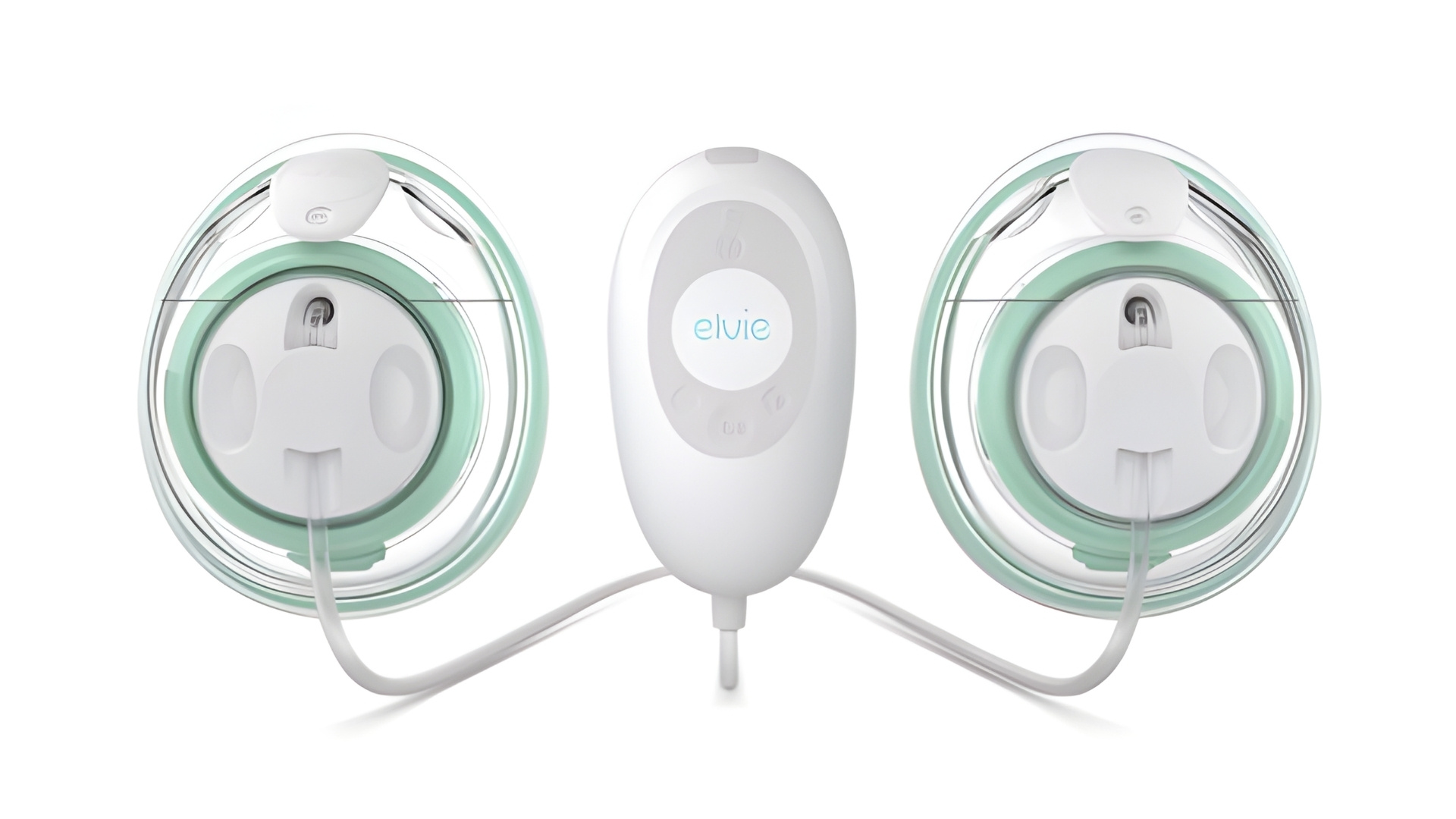
The Elvie Pump is wearable, discreet, and designed for smaller breasts, offering a range of flange inserts (from 15mm to 28mm). Its compact design fits easily under clothing, making it an excellent option for small-breasted moms who need flexibility.
Key Features:
- SmartRhythm™ technology mimics your baby’s natural sucking rhythm to improve comfort and milk flow.
- Quiet operation for discreet pumping
- App-controlled settings for easy management
- Wearable, hands-free design that fits into your lifestyle
3. Spectra S1 Plus
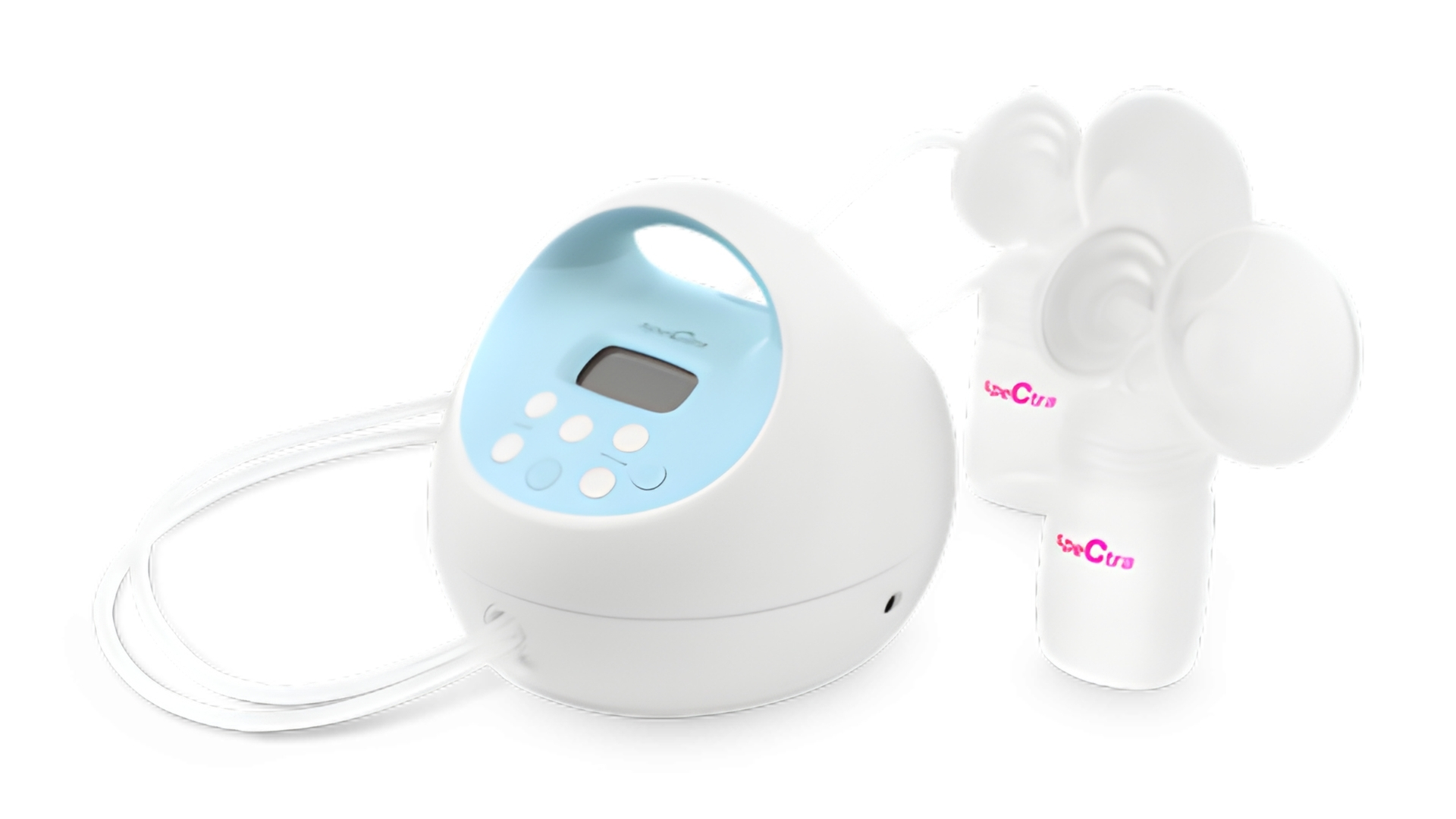
The Spectra S1 Plus offers hospital-grade suction, perfect for moms with small breasts. It comes with adjustable flange sizes (24mm, 28mm), ensuring the right fit and comfort. Plus, its quiet operation and rechargeable battery make it a great choice for both home and travel.
Key Features:
- Adjustable suction strength for custom pumping
- Rechargeable battery for portable use
- Closed-system design for hygiene and ease of cleaning
- Quiet operation, ideal for nighttime or office pumping
4. Willow 360 Wearable Breast Pump
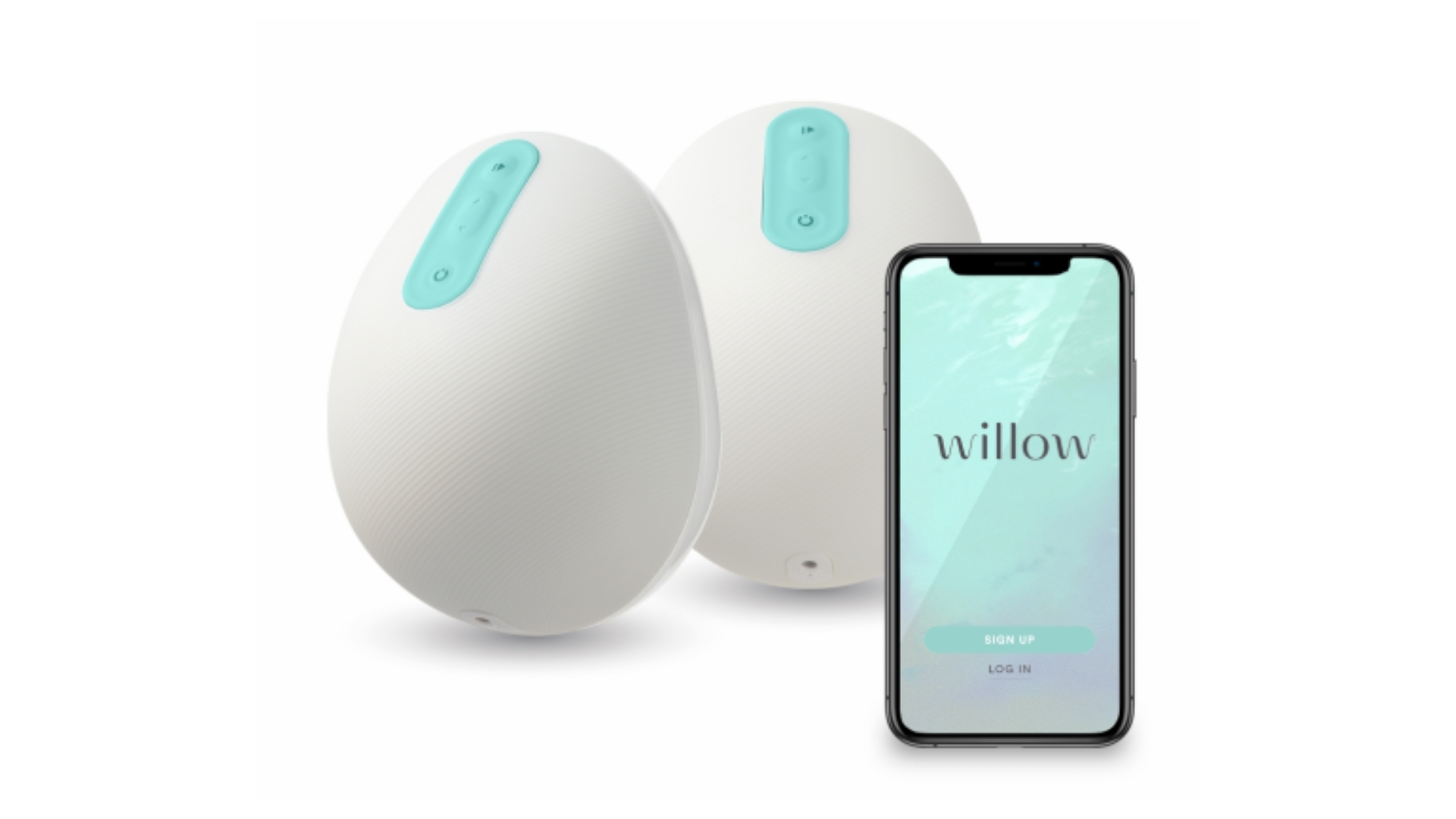
The Willow 360 is a wearable, hands-free breast pump designed with small-breasted moms in mind. Its compact, leak-proof design and 21mm insert provide a secure fit, while the hospital-grade suction ensures effective milk extraction.
Key Features:
- Leak-proof and compact design for discreet pumping
- App-controlled settings for easy customization
- Comfortable fit with 21mm inserts for small breasts
- Hospital-grade suction provides powerful yet gentle suction that closely mimics a baby’s natural feeding, ensuring effective milk removal.
5. Lansinoh Signature Pro Double Electric Breast Pump
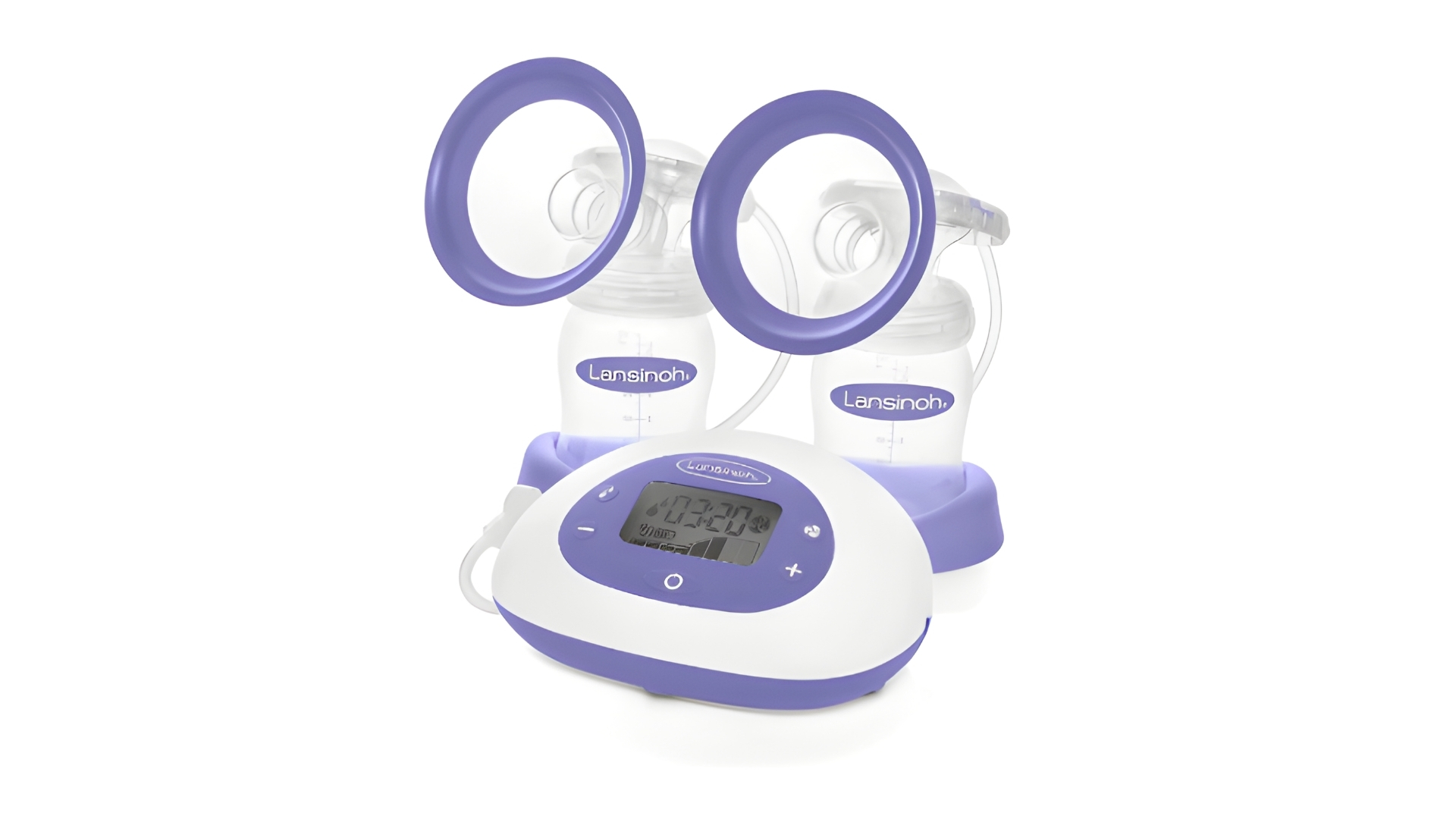
The Lansinoh Signature Pro is an affordable option for moms with small breasts. The soft silicone collar ensures a comfortable fit, and the multiple suction levels allow for a personalized pumping experience.
Key Features:
- 8 suction levels for a customized experience
- 3 pumping styles to suit your comfort
- LCD display for easy monitoring
- Easy-to-clean design with fewer parts
These top 5 breast pumps are the best options for small-breasted moms looking for comfort, efficiency, and convenience. With the right flange size and adjustable suction, each of these pumps offers a customized experience that fits your needs.
Plus, with ICBP handling the insurance process, you can get your pump without any out-of-pocket costs.
Get started today by checking your eligibility and finding the perfect pump for you.
Features to Look for When Choosing a Pump for Small Breasts
Selecting the best breast pump for small breasts requires considering a few key features that ensure comfort, efficiency, and fit. The right pump can make a huge difference in both the ease of use and the effectiveness of milk expression.
Here’s what you need to focus on when choosing the right one:
Flange Size Options and Customization
One of the most important aspects when choosing a breast pump is flange size. For moms with small breasts, it’s essential to find a pump that offers adjustable flange sizes or comes with insert options.
These allow you to get a snug, comfortable fit, ensuring that the pump works efficiently without causing discomfort.
- Adjustable Flange Sizes: Pumps like Spectra S1 Plus and Elvie Pump offer multiple flange sizes, such as 24mm, 28mm, and smaller options like 21mm.
- Insert Options: Look for pumps that come with insert options for smaller flanges or offer interchangeable flanges that allow for custom sizing.
- Comfortable Fit: A well-fitting flange is crucial to ensuring efficient milk extraction and avoiding painful sessions.
Why it matters: The right flange size not only prevents pain but also ensures you get the most milk from each pumping session. Small breasts need flanges that fit properly around the nipple, not just the breast, so you can pump effectively and comfortably.
Wearable and Hands-Free Pumps for Discreet Comfort
For moms with small breasts, wearable and hands-free pumps can be an excellent option. These pumps are compact and fit discreetly inside your bra, allowing you to pump while moving around, whether at home, at work, or on the go.
The wearable design offers freedom and comfort, making it easier to continue with your day without interruption.
- Compact and Discreet: Elvie Pump and Willow 360 are examples of wearable, hands-free pumps designed for small-breasted moms who need to pump quietly and discreetly.
- Comfortable Fit: These pumps are designed to sit comfortably in your bra without adding bulk, perfect for small breasts that need more subtlety and comfort.
- Easy to Use: Wearable pumps often have minimal parts and allow for a seamless pumping experience, making them ideal for busy moms.
Why it works: Wearable pumps are the most discreet and convenient option for moms who want to pump without being noticed. Their compact design ensures that even small breasts can use them comfortably without discomfort or awkwardness.
Adjustable Suction Settings for Personalized Comfort
An adjustable suction setting is a game-changer when it comes to pumping. With smaller breasts, you may find that a lower suction level or more gentle rhythm works better for you, especially if your breasts are more sensitive. Being able to control suction strength can help maximize comfort and milk output.
- Customizable Settings: Look for pumps with variable suction levels, such as the Momcozy M9 or Spectra S1 Plus, which let you adjust both strength and speed.
- Personalized Comfort: Adjusting the suction allows you to find the ideal rhythm that matches your body’s needs, so you can pump efficiently without discomfort.
- Better Milk Supply: The right suction level can help maintain milk production, as your body responds better to a gentler, more consistent pull that mimics natural feeding.
Why it matters: If a pump doesn’t allow you to adjust suction, you could be stuck with a setting that doesn’t work for you, leading to inefficient pumping and discomfort. Adjustable suction helps you find what’s most comfortable while still being effective in milk extraction.
Manual vs. Electric Pumps
Choosing between a manual and an electric pump depends on what works best for your personal comfort and pumping needs. Here’s a quick breakdown of each to help you decide:
Manual Pumps:
- Control: You have full control over suction strength and rhythm with a manual pump, making it a great option if you prefer a hands-on approach.
- Ideal for Small Breasts: Many moms with small breasts find manual pumps to be a gentler, more customized option that works well for occasional pumping.
- Portability: Manual pumps are compact and don’t require electricity, so they’re great for on-the-go pumping.
Electric Pumps:
- Efficiency: Electric pumps like the Spectra S1 Plus or Momcozy M9 are more efficient and time-saving, especially for frequent use.
- More Features: Electric pumps often have adjustable suction and speed settings, which can improve the pumping experience for small breasts.
- Hands-Free Options: Some electric models are wearable, like the Elvie Pump, allowing you to pump without any hassle while maintaining efficiency.
Why it matters: If you pump frequently or for long sessions, an electric pump may save you time and effort, while a manual pump is often more cost-effective and ideal for those who pump occasionally.
Suggested Read: Tips to Increase Breast Milk Supply When Pumping
Get Your Breast Pump Covered by Insurance Stress-Free
At Insurance Covered Breast Pumps, getting your breast pump covered through insurance is quick, easy, and stress-free. We understand that navigating insurance can be overwhelming, especially when you’re managing the demands of pregnancy or caring for a newborn.
That’s why we take care of the entire process for you, from verifying your insurance benefits to filing claims.
a) No Out-of-Pocket Costs with Insurance-Covered Breast Pumps
We believe every mother deserves the support and comfort of a breast pump, without worrying about extra costs. Through Insurance Covered Breast Pumps, you can get your breast pump covered by insurance with no out-of-pocket expenses.
- Insurance Verification: We check your insurance benefits to determine what’s covered under your plan.
- Prescription Coordination: We work directly with your OB/GYN to obtain a prescription for your breast pump, making the process seamless.
- Claims Filing: Insurance Covered Breast Pumps handles all the paperwork and claims filing with your insurer, so you don’t have to deal with the hassle.
By managing all the administrative steps, Insurance Covered Breast Pumps ensures you get the pump you need without unexpected costs or confusion.
b) Easy Process to Get Your Breast Pump Without the Hassle
Insurance Covered Breast Pumps simplifies the entire process to ensure you get the best breast pump for your needs, without any hidden fees or unnecessary delays. Here’s how it works:
- Check Your Insurance: Start by checking if your insurance covers a breast pump. Insurance Covered Breast Pumps will verify your benefits for you.
- Choose Your Pump: Select the breast pump that’s right for you from our wide range of brands, including Medela, Ameda, Spectra, and Elvie.
- Submit Your Prescription: We handle the coordination with your OB/GYN to get the required prescription.
- Get Your Pump: Once your prescription is in place and the claim is filed, your breast pump will be delivered to your door.
We take care of everything, so you don’t have to worry about forms, phone calls, or hidden fees.
Conclusion
Finding the right breast pump for small breasts is all about comfort, fit, and customization. The right pump can make a significant difference in your experience, helping you pump efficiently while maintaining your milk supply without discomfort.
At Insurance Covered Breast Pumps, we make the process easier for you. With insurance-covered options and no out-of-pocket costs, you can focus on what really matters, caring for your baby, while we handle the paperwork.
Start your claim now and get your insurance-covered breast pump delivered to your door with no hidden costs!
FAQs
Q1. Can small-breasted moms use the same breast pump as everyone else?
A1. Yes. Breast size doesn’t determine whether you can use a breast pump, but it does affect how well it fits and how comfortable it feels. What matters most is finding a pump with appropriate flange (breast shield) sizes and adjustable settings that match your nipple diameter. Flanges that are too large or too small can cause pain and inefficient milk removal, while the right fit helps you express milk comfortably and maintain supply.
Q2. What is a flange, and how do I know if mine fits correctly?
A2. A flange (also called a breast shield) is the part of the pump that fits around your nipple and areola to create suction and pull milk out. A good fit means your nipple is centered in the tunnel without rubbing the sides, and your areola isn’t pulled in excessively. A poorly fitting flange can cause discomfort, low milk flow, or sore nipples, so measuring your nipple and trying different sizes can help you find the best fit.
Q3. Will my insurance cover a breast pump, even if I have small breasts?
A3. Most health insurance plans, especially under the Affordable Care Act (ACA), are required to cover a breast pump with little or no out-of-pocket cost, regardless of breast size. Coverage varies by plan, but Insurance Covered Breast Pumps handles benefits verification, prescription coordination with your doctor, and claims filing so you can get your breast pump delivered without the confusing paperwork.
Q4. Do I need different flange sizes for each breast?
A4. Yes, it’s possible to need different flange sizes for each breast. Nipples can vary in size from one breast to the other, so measuring each one separately helps ensure a more comfortable and effective pumping experience. You may need a slightly different flange on each side to get the best fit and avoid soreness or inefficient milk removal.
Q5. What should I do if pumping feels painful or uncomfortable?
A5. Pumping should not cause pain. If you feel discomfort, soreness, or irritation:
- Check your flange size and adjust to one that fits your nipple diameter.
- Reduce suction or speed settings until you find a comfortable level.
- Ensure your nipple is centered in the flange tunnel during pumping.
- If pain continues, seek help from a lactation consultant or healthcare provider, as pain can sometimes be linked to incorrect pump fit or other breastfeeding issues.