












Best Pumping Settings for Motif Luna
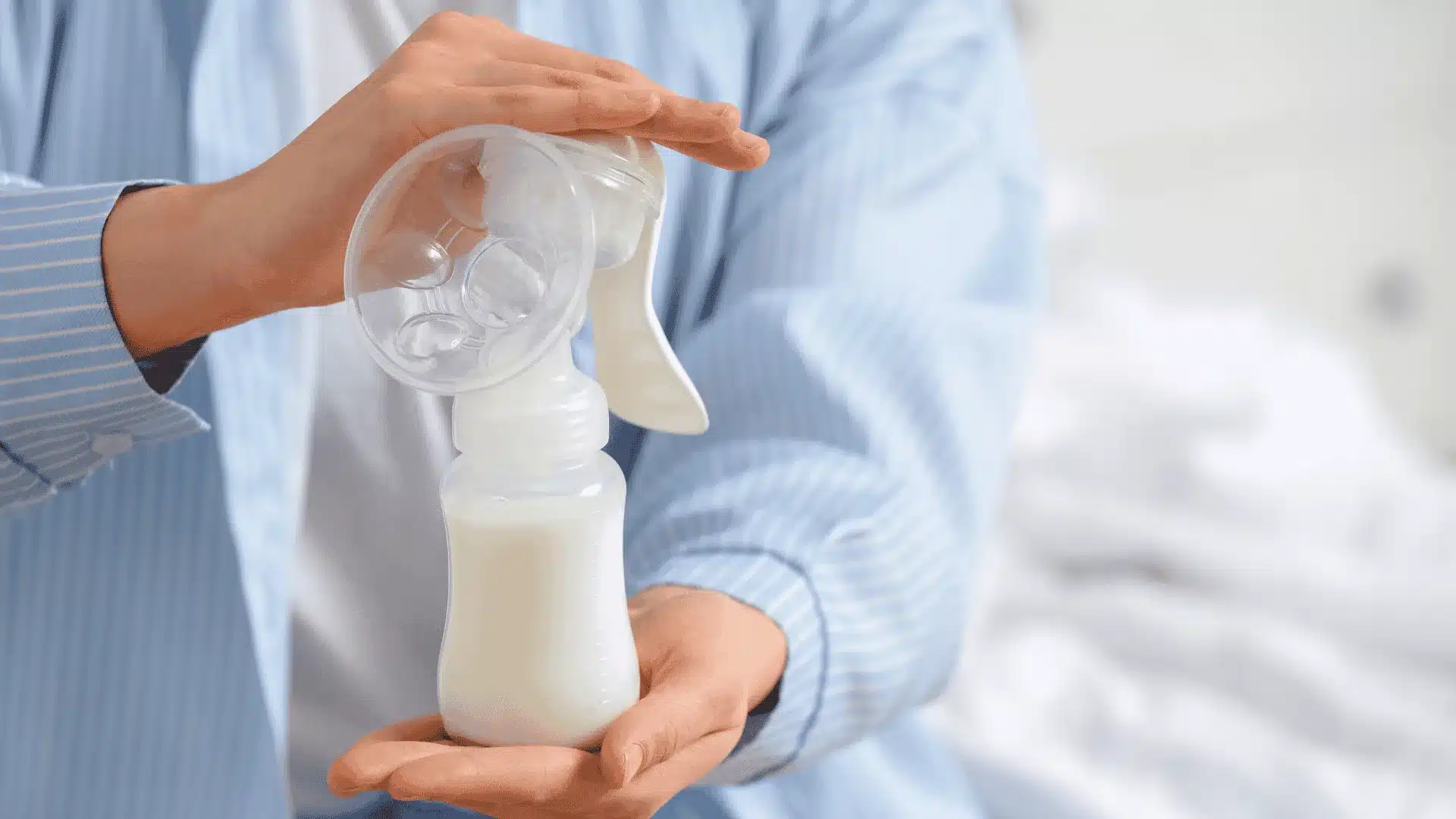
If you’re using the Motif Luna and wondering whether you’ve found the best settings for Motif Luna, you’re not alone. Many parents aren’t sure how strong suction should feel, when to switch modes, or whether higher settings actually mean better output.
The truth is, the “best” pumping settings aren’t the same for everyone. The right combination of cycle speed and suction is the one that feels comfortable, effective, and sustainable for your body. Understanding how the Motif Luna works and how to adjust it can help make pumping feel more productive and less frustrating.
This guide walks you through how to use Motif Luna’s settings, what to try during each phase of pumping, and how to fine-tune them over time.
Quick Summary
- The best settings for Motif Luna are personal, not universal; comfort and effectiveness matter more than high numbers.
- Start each session in stimulation mode to trigger letdown, then switch to expression mode once milk is flowing.
- If milk flow slows, small adjustments to suction or cycle speed can help restart it.
- Consistency, comfort, and gradual fine-tuning often lead to better results over time.
- Many parents qualify for a Motif Luna or similar pump through insurance, making it easier to get the right setup from the start.
What’s Included With the Motif Luna Breast Pump (and Key Features)
When you receive your Motif Luna breast pump, the package includes everything you need to get started right away, along with features designed to support comfortable, effective pumping.
What’s included in the box:
- 24mm breast shields
- Silicone valves
- Backflow protectors (closed system design)
- Tubing
- Milk collection containers
- Bottle caps, covers, and sealing discs
- Bottle nipples
- Power adapter
Key Features of the Motif Luna Breast Pump:
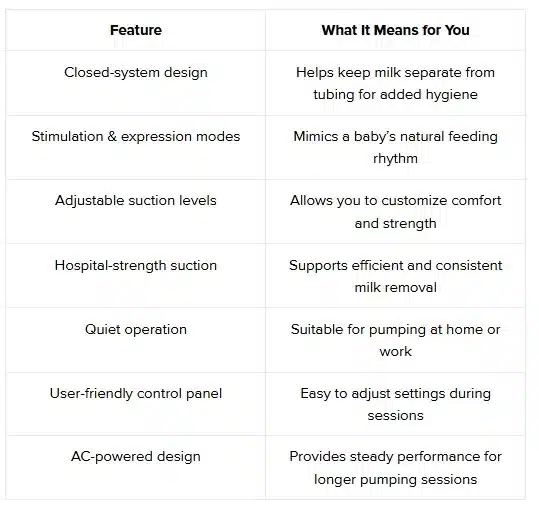
Having the right parts and features in place can make pumping feel more manageable from the start. Proper fit, regular part replacement, and personalized settings all play a role in getting the most out of your Motif Luna.
Also Read: Breast Pumping Tips: Finding the Right Pump and Making It Work for You
How do the Motif Luna Pump Settings Work?
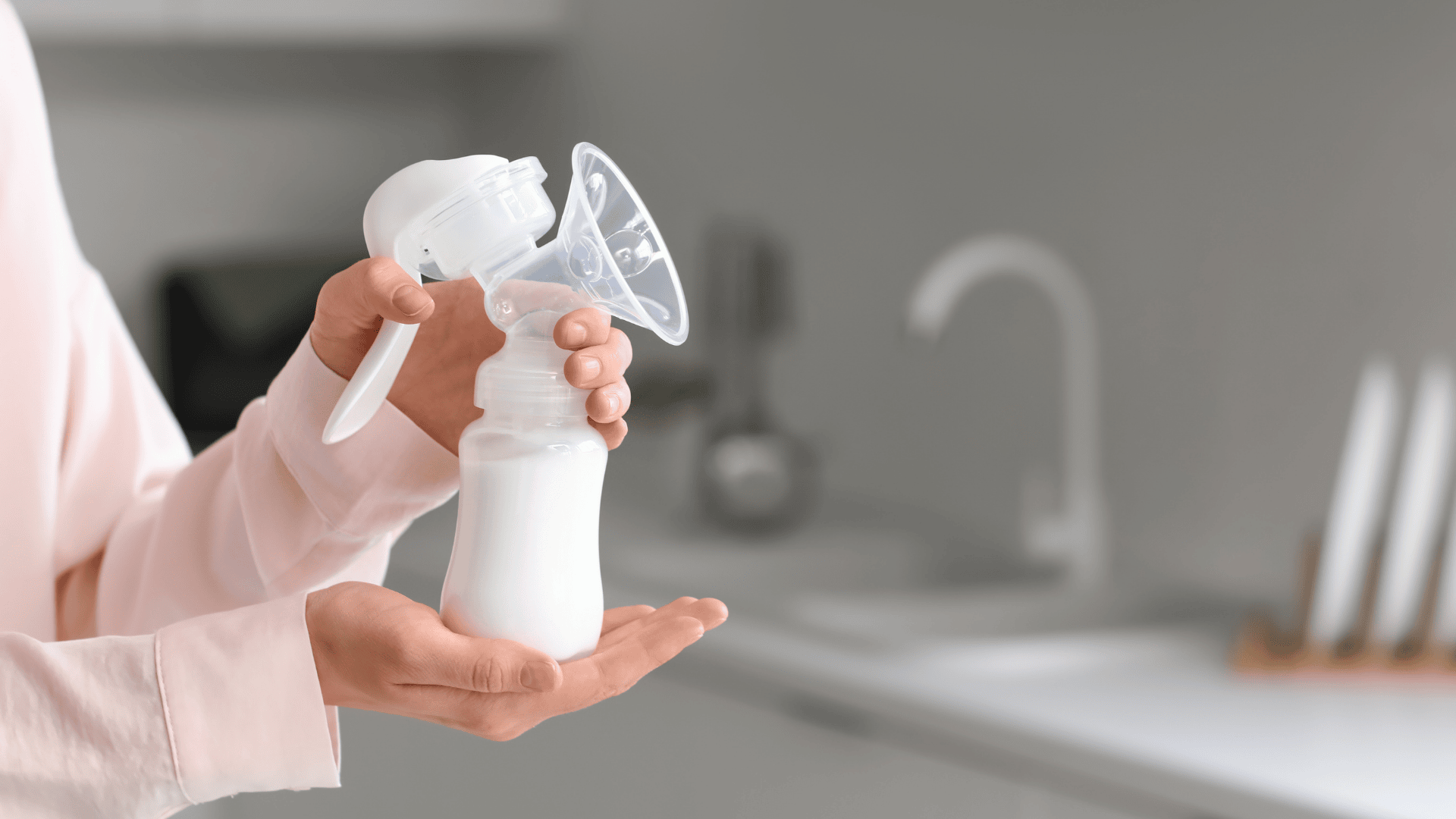
The Motif Luna is designed to mimic the way a baby naturally feeds, starting with quick, lighter pulls to trigger letdown, then shifting into slower, deeper pulls to express milk more efficiently. Once you understand the two phases and how suction + cycle speed work together, it becomes much easier to find the best settings for Motif Luna for your body.
Step 1: Turn the pump on and start in Stimulation Mode
Motif Luna begins with a faster rhythm meant to help your body trigger a letdown. This phase is about signaling, not strength.
Step 2: Adjust suction to a comfortable level
Increase suction slowly until it feels firm but still comfortable. Strong suction should never feel sharp, pinchy, or painful.
Step 3: Stay in stimulation until milk starts flowing
Most people stay here for about 1–2 minutes, or until they see steady dripping/spraying. If letdown takes longer, that’s still normal.
Step 4: Switch to Expression Mode once milk is flowing
Expression mode uses a slower rhythm with stronger suction to help remove milk more effectively after letdown.
Step 5: Fine-tune cycle speed and suction during expression
- If milk is flowing well, keep the cycle steady and suction comfortable.
- If flow slows, you can slightly adjust cycle speed or suction to see what your body responds to best.
Step 6: Repeat stimulation briefly if you need another letdown
If milk flow slows near the end, switching back to stimulation for 30–60 seconds can help trigger another letdown, then you can return to expression.
Step 7: End the session when milk slows, and breasts feel softer
A session is usually most effective when your breasts feel lighter/softer and milk flow has slowed to drops.
If you still feel confused or unsure, a lactation consultant can help you troubleshoot settings and fit so that pumping feels more comfortable and effective.
Suggested read: Electric Breast Pump Guide: Safe, Comfortable Pumping Made Simple.
Signs Your Motif Luna Settings Are Working Well
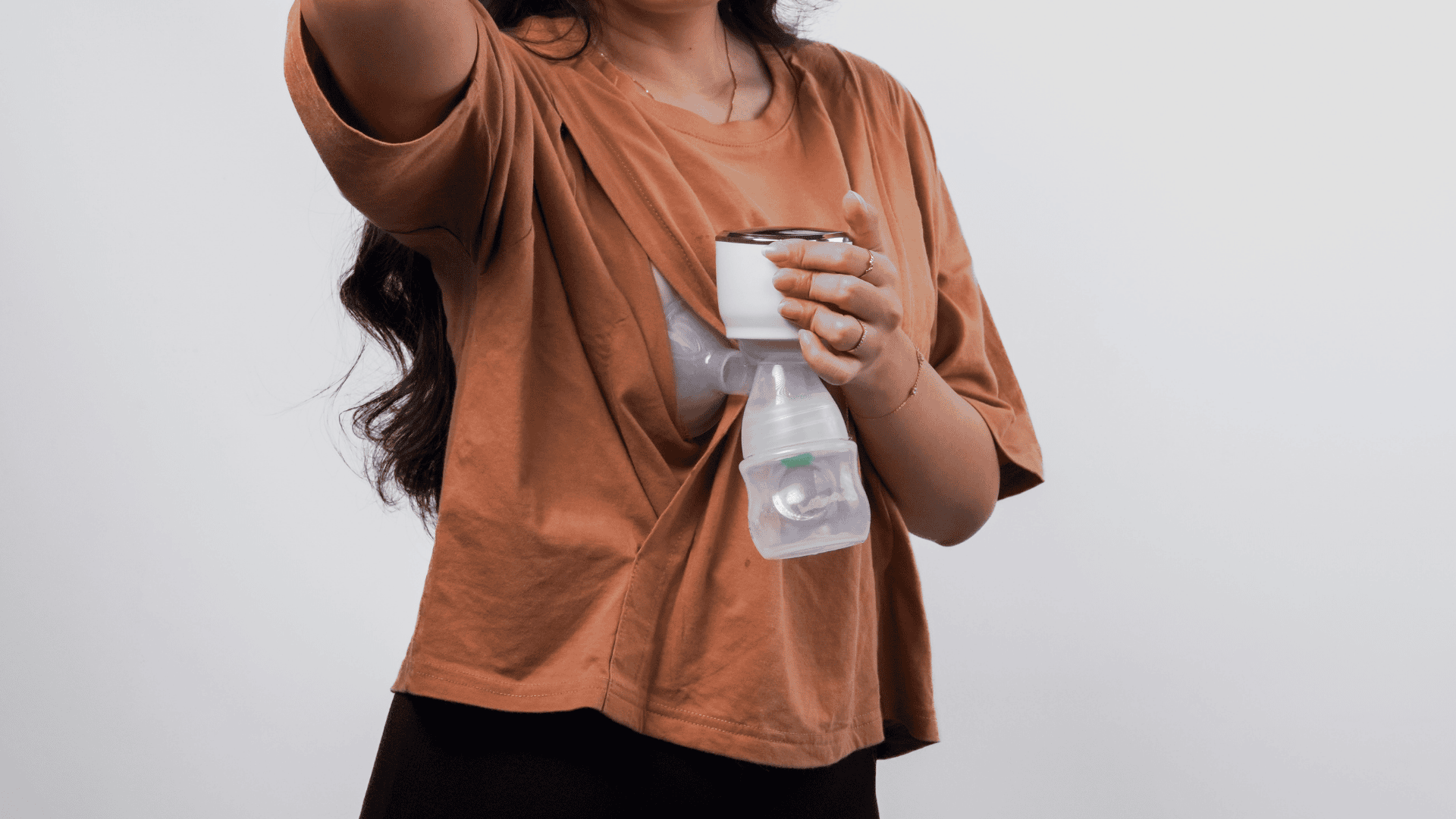
When your Motif Luna settings are right for your body, pumping usually feels more comfortable and productive. While output can vary from session to session, certain signs can help you tell whether your current settings are supporting effective milk removal.
Here are some signs:
- Pumping feels firm but comfortable: You feel steady pulling without sharp pain, pinching, or numbness.
- Milk begins flowing within a few minutes: Letdown typically occurs shortly after starting or switching to expression mode.
- Milk flow stays consistent during expression: Flow continues steadily rather than stopping quickly.
- Breasts feel softer or lighter after pumping: This often indicates effective milk removal.
- Output is consistent with your normal patterns: While amounts vary, results feel typical for you over time.
- No lingering soreness after sessions: Mild sensitivity is normal early on, but pain shouldn’t persist.
- You don’t feel the need to constantly adjust settings: Once set, the pump works smoothly throughout the session.
If pumping feels uncomfortable or less effective, small adjustments to suction, cycle speed, or fit can often make a noticeable difference.
Common Motif Luna Setting Mistakes to Avoid
Finding the best settings for Motif Luna can take some trial and error. Many pumping frustrations come from small, easy-to-miss setting mistakes rather than the pump itself. Knowing what to avoid can help make pumping more comfortable and effective.
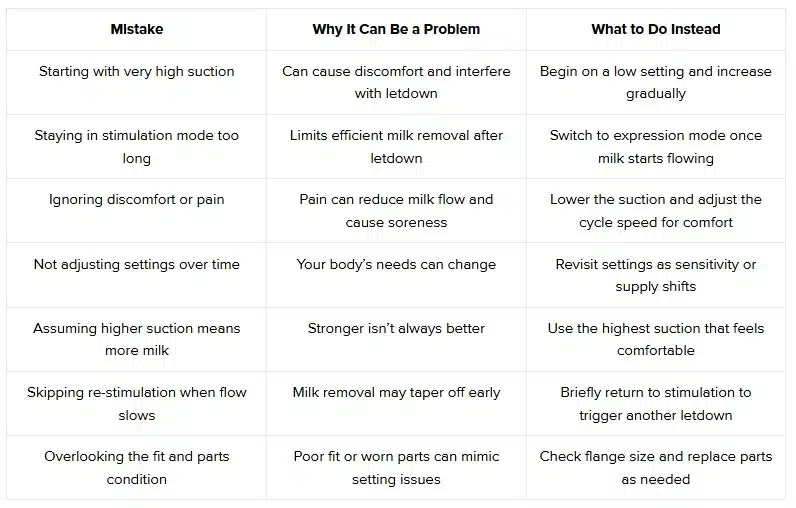
Small changes can make a noticeable difference. If pumping still feels uncomfortable or ineffective, revisiting your settings and setup can often help improve results over time.
Also Read: Breastfeeding and Pumping Schedule for New Moms
Simple Ways to Improve Results With Motif Luna

The right settings matter, but your overall setup and routine also play a big role in how effective pumping feels. Small adjustments before and during your sessions can help improve comfort, milk flow, and consistency over time.
Tips that can help:
- Make sure your flange size fits properly: A correct fit supports comfort and helps milk drain more effectively.
- Replace valves and membranes regularly: Worn parts can reduce suction and impact performance, even if they look fine.
- Sit comfortably and allow time to relax: Comfort and relaxation can help make letdown easier.
- Use hands-free support when possible: Keeping flanges stable helps maintain a good seal throughout the session.
- Pump consistently: Regular sessions help reinforce your body’s natural supply-and-demand process.
- Gently massage or apply warmth before pumping: This can help encourage letdown and improve milk flow.
- Adjust settings if milk flow slows: Small changes to suction or cycle speed can help restart flow.
- Keep all parts clean and fully dry: Moisture or buildup can interfere with suction and performance.
If you’re still feeling unsure or not seeing the results you expect, personalized lactation support can help you fine-tune your setup and settings.
Many moms qualify for free breast pumps through insurance. Platforms like Insurance Covered Breast Pumps can help you check your options with zero hassle.
Additional Tips for Best Settings to Try With the Motif Luna
Once you’re comfortable with the basic stimulation and expression setup, a few additional adjustments can help you fine-tune the best settings for Motif Luna based on how your body responds.
How to Fine-Tune Settings Based on What You Notice
- If letdown takes longer than usual: Stay in stimulation mode a bit longer or slightly increase suction, keeping comfort the priority.
- If milk flow starts strong but slows quickly: Try a slightly slower cycle speed in expression mode to encourage deeper, steadier pulls.
- If suction feels strong but output is low: Lower suction slightly, comfort can help improve letdown and flow.
- If pumping feels tiring or uncomfortable: Reduce suction and focus on consistency rather than intensity.
- If milk flow tapers near the end of the session: Briefly returning to stimulation can help trigger another letdown before finishing.
- If one breast responds differently than the other: Adjust suction or cycle speed individually to match how each side responds.
- If settings that once worked no longer feel effective: Re-testing different levels can help you find a better match as your body changes.
Finding the right combination may take a few sessions, but small adjustments often lead to better comfort and more consistent results over time.
Final Thoughts
Finding the best settings for Motif Luna is about comfort, consistency, and understanding how your body responds over time. With the right adjustments, pumping can feel more effective and less stressful, even as your needs change.
If you’re using the Motif Luna or considering one, having the right pump and setup in place can make a meaningful difference.
Get your breast pump today to see if you qualify for a Motif Luna or another Insurance Covered Breast Pumps and take one simple step toward a smoother pumping experience.
FAQs
1. What are the best settings for Motif Luna?
The best settings for Motif Luna are the ones that feel comfortable and effective for your body. Most people start in stimulation mode to trigger letdown, then switch to expression mode with moderate suction and adjust gradually based on milk flow.
2. Should you use the highest suction level on Motif Luna?
Not necessarily. Using the highest suction doesn’t always improve output and can cause discomfort. The ideal setting is the highest level that still feels comfortable, without pain or pinching.
3. How long should you stay in stimulation mode on Motif Luna?
Many people stay in stimulation mode for 1–2 minutes, or until milk begins flowing consistently. Once letdown occurs, switching to expression mode is usually more effective.
4. Can Motif Luna settings change over time?
Yes. Your comfort level, sensitivity, and milk flow can change throughout your pumping journey, so settings that worked earlier may need adjustment later.
5. What should you do if milk flow slows during a session?
If milk flow slows, small adjustments, such as slightly changing suction or cycle speed, can help. Some people also find that briefly returning to stimulation mode helps restart flow.
6. Why does pumping feel uncomfortable even on low settings?
Discomfort can be related to factors beyond settings, such as flange fit, positioning, or worn pump parts. Reviewing your setup and making small adjustments can often help.